At a San Diego textile summit, Lisa Jepsen of Garson & Shaw argued that keeping garments in use longer is a more immediate and effective response to the U.S. clothing-waste crisis than relying solely on end-of-life recycling technologies. Garson & Shaw's 2024 data place annual U.S. clothing discards at 10.4 billion items (about 4,000 truckloads weekly). Jepsen highlighted reuse's economic benefits — from affordable clothing in Guatemala and El Salvador to an estimated 342,000 U.S. jobs supported by the secondhand sector — and urged brands and policymakers to prioritize producing less, designing for longevity, and building reuse-focused collection systems.
US Discards 10.4 Billion Garments a Year — Extending Use May Outpace Recycling Tech
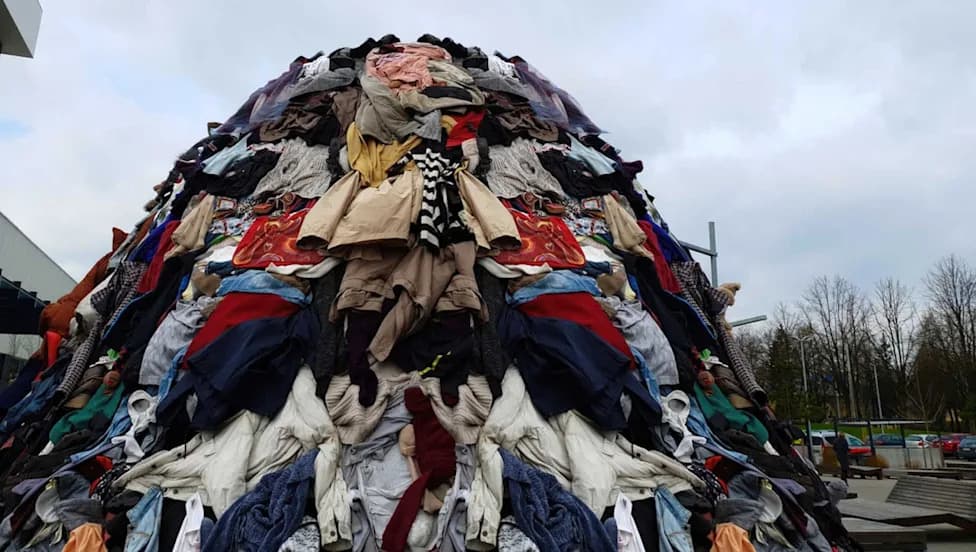
Photo Credit: iStock
America's growing clothing-waste crisis may be bigger than new recycling technologies can solve on their own. At a textile innovation summit in San Diego, Lisa Jepsen, CEO of Garson & Shaw LLC, argued that the most practical and immediate solution is to keep wearable garments in use longer so consumers buy less and fewer items are thrown away.
The Scale of the Problem
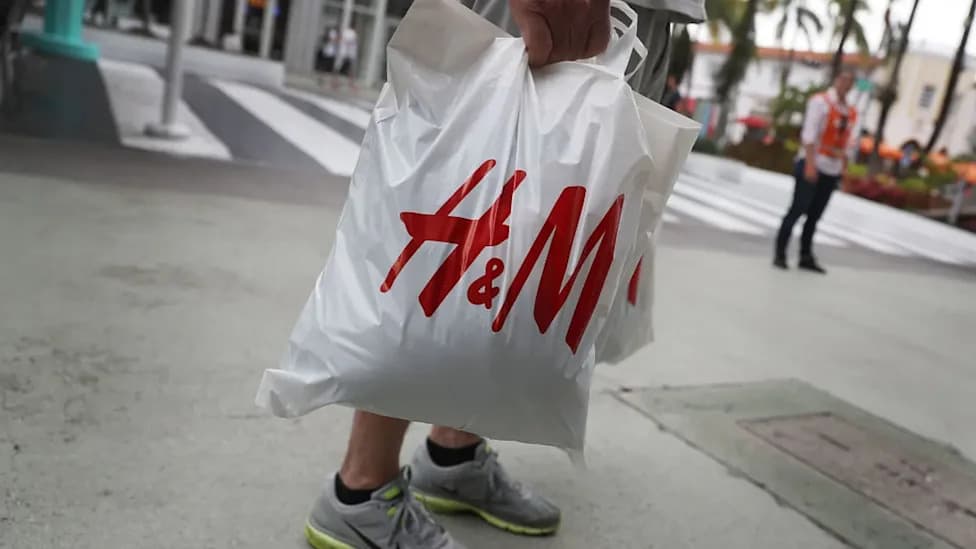
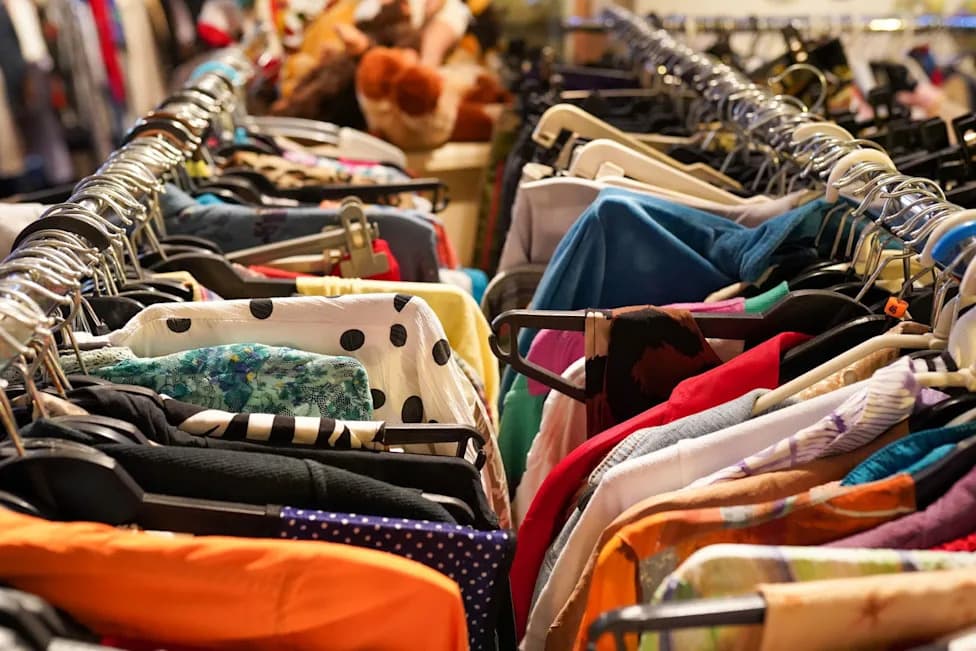
Garson & Shaw's 2024 data show Americans discard roughly 10.4 billion wearable garments each year — the equivalent of about 4,000 truckloads every week. Jepsen shared those figures in an opinion piece for Women's Wear Daily after serving as a judge at the Textile Recovery Summit's pitch competition, which included leaders in product stewardship, investing, and advanced manufacturing.
Why Reuse First?
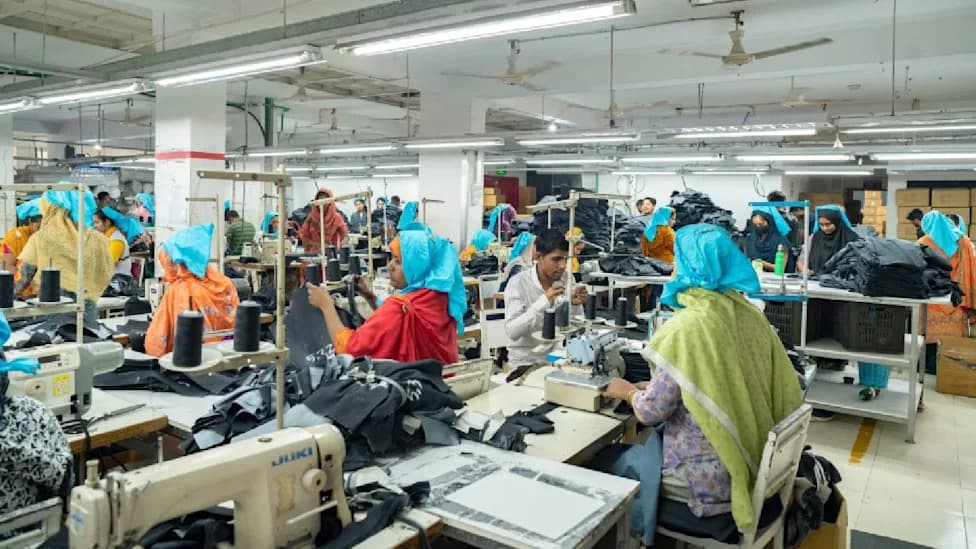
Startups at the summit pitched repair services, faster sorting systems, and fiber-to-fiber recycling technologies. While promising, Jepsen warned that too much faith in “end-of-life innovation” overlooks an upstream problem: persistent overproduction and overconsumption by brands. Even the most advanced recycling tools will struggle if brands keep making more garments than repair and recovery systems can handle. Jepsen also noted that California already generates more discarded clothing than current repair and recycling operations can manage.
Economic and Social Benefits of Reuse
Reuse has clear financial as well as environmental benefits. Secondhand markets provide affordable clothing to families in many countries: in Guatemala, used garments often sell for less than one-quarter the price of new imports; in El Salvador, secondhand clothes account for nearly one-third of clothing imports. In a study covering more than 21 million garments, 99.6% sold for under $15, with $3 the most common price point.
In the U.S., the secondhand clothing sector supports an estimated 342,000 jobs, compared with fewer than 90,000 jobs in domestic apparel manufacturing. A report from USAgain cited in Jepsen's piece found that improved collection systems and stronger reuse channels could create thousands of green jobs while reducing pollution.
Startups and Practical Infrastructure
Jepsen highlighted pitches from Alternew, Fibarcode, IntheLoopAi and the competition winner Intrinsic Advanced Materials. Their proposals ranged across repair, sorting, and recycling technologies. Yet she emphasized that the essential infrastructure is not a single futuristic machine but the everyday work of reuse: collecting wearable clothing, repairing what’s usable, reselling it, and making it easier for garments to stay in circulation instead of being discarded.
“Real textile circularity starts upstream: producing less, producing better, and then keeping clothing in use longer,” Jepsen concluded. “We cannot innovate our way out of infinite growth in clothing volume.”
What Policymakers and Brands Should Measure
Jepsen urged brands and policymakers to measure circularity by outcomes that prevent waste: whether systems extend product life, design clothing for longevity and reuse, and build collection networks that support reuse globally — rather than focusing solely on what happens after clothing becomes waste.
Bottom line: Extending the useful life of garments — through repair, resale and better collection systems — can save consumers money, support employment, reduce pollution, and lower demand for resource-intensive new production. These upstream changes may deliver bigger gains, faster, than relying only on end-of-life recycling technology.
Help us improve.