Fast-fashion companies like H&M, Inditex and Shein promote sustainability claims, but enormous production volumes and limited transparency raise doubts about their real environmental impact. Experts say per-item improvements (preferred materials, recycled content) can be overwhelmed by scale, shortened product lifespans and upstream waste. Policy measures, resale growth and redesigned business models are needed to address overproduction and true circularity.
Sustainable Fast Fashion: Marketing Win or Environmental Mirage?
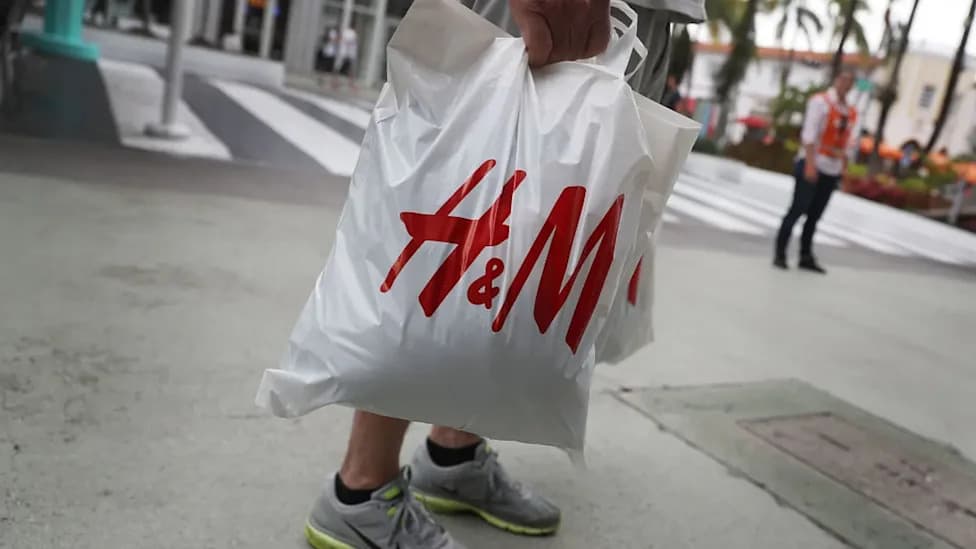
A customer carries H&M clothing store bags on January 9, 2018 in Miami Beach, Florida.
Fast-fashion companies increasingly tout sustainability initiatives that promise lower carbon emissions, reduced chemical pollution and smarter resource use. A close review of corporate disclosures and independent data, however, reveals a more complicated reality: very large production volumes, limited transparency and substantial waste — both reported and likely unreported upstream in supply chains — that challenge many of those claims.
Big Numbers, Bigger Questions
H&M’s 2025 sustainability report states that 91% of the materials used in its products were “sustainably sourced,” yet the company also reported producing 364,093 metric tons of products that year — an amount the report likens to the weight of 36 Eiffel Towers. “Our starting point is always our business idea: fashion and quality at the best price in a sustainable way,” CEO Daniel Ervér writes in the document.
Inditex — owner of Zara and Bershka — reported using 705,554 metric tons of raw materials in 2025, up from 678,596 metric tons in 2024. Inditex says 88% of the fibers used were classified as “lower impact fibers.” Shein, which lists as many as 600,000 items on its platform at once, has also promoted sustainability messaging and this year acquired Everlane, a brand that markets itself as pursuing “cleaner fashion.”
Why Sustainability Claims Fall Short
Experts warn that per-item sustainability claims can obscure the total environmental impact of high-volume production. Javad Nasiry, a professor of operations management at McGill University, says:
“The fast fashion business model, by design, is difficult, if not altogether impossible, to be made sustainable.”
Rapidly produced, trend-driven garments are often lower quality, which shortens their useful life and undermines circularity commitments. As Nasiry notes, a lower-impact T‑shirt can still have a large aggregate footprint if millions are produced.
Upstream Waste and the Limits of Quick Response
Retailers often argue that quick response and shorter production runs reduce unsold inventory. Inditex emphasizes proximity production in Spain, Portugal, Morocco and Turkey to bring products to market faster and keep tighter inventory; Reformation highlights a 60‑day turnaround time from concept to store.
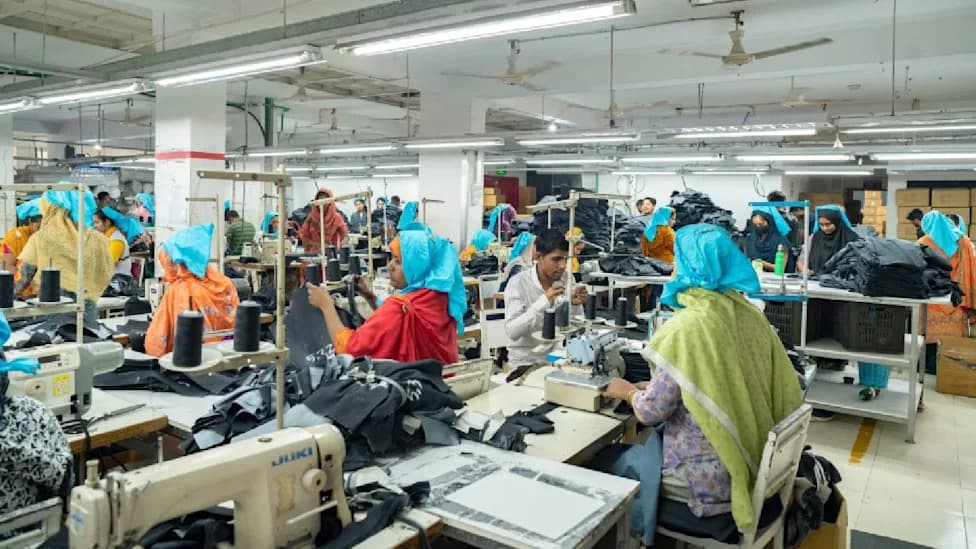
But faster final-stage production can shift waste upstream. Many supply-chain stages (for example, fiber cultivation and material preparation) cannot be accelerated on demand. That forces brands to hold a variety of preproduced fabrics and components in reserve — much of which may never be used if trends change.
H&M reported 54,766 metric tons of operational waste in 2025; Inditex reported 58,154 metric tons. H&M also reported total material inputs for products of 506,015 metric tons, creating a gap of at least 141,922 metric tons between material inputs and finished-product weight — a difference the company does not explicitly label as waste but that raises questions about upstream losses.
Material Substitutes Aren't a Silver Bullet
Textile Exchange, the nonprofit that defines standards for “preferred materials,” urges caution: simply swapping conventional inputs for preferred alternatives won’t meet its target of cutting raw-material greenhouse gas emissions by 45% by 2030 if overall production growth continues — especially with new virgin fossil-based fibers entering the market.
Recycled content can reduce per-item emissions but may also reduce durability, shortening garment lifespans and weakening circularity, says Xiaoyang Long, associate professor at the University of Wisconsin–Madison: “I don't see how they can circulate it forever.”
Policy, Resale And What Might Work
Policymakers are beginning to act. This July the European Union banned the destruction of unsold clothing; a French law that went into effect Sept. 1 taxes platforms based on the number of items sold. Extended producer responsibility laws that charge producers for disposal are also being proposed or enacted in various jurisdictions.
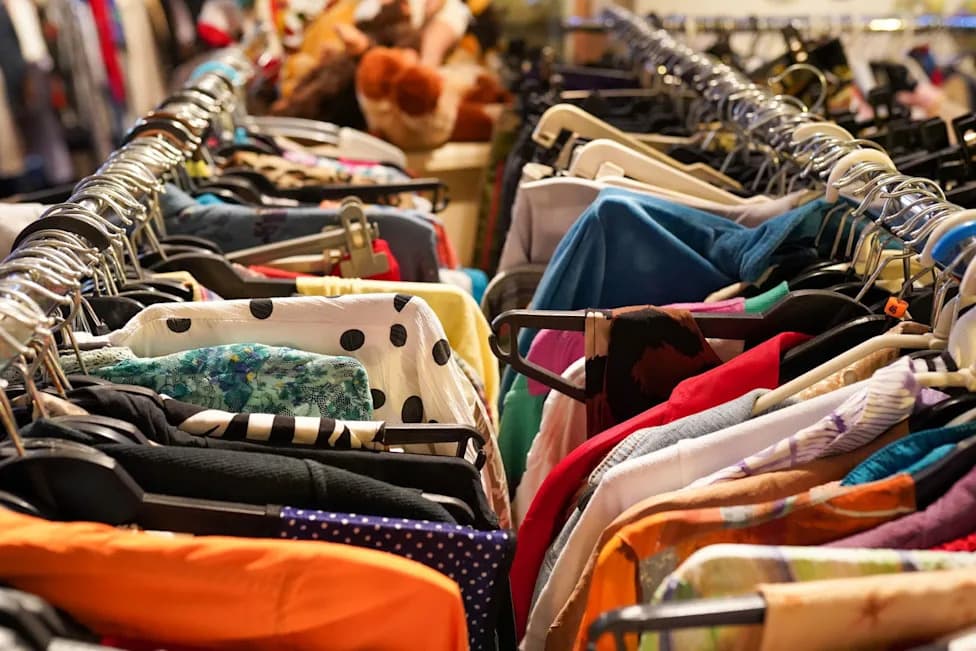
Nasiry cautions that poorly designed fees or taxes could prompt brands to pass costs to consumers or cut quality further — outcomes that would not serve environmental goals. Resale offers promise: H&M acquired majority ownership of secondhand retailer Sellpy in 2019, but resale accounted for only 0.8% of H&M’s revenue in 2025 (up from 0.6% in 2024). If resale markets grow, they could incentivize higher quality and longer product life.
Conclusion
Fast-fashion brands increasingly dress their marketing in sustainability language, but the sector’s speed, scale and low-price model remain at odds with full circularity. Reducing environmental harm will likely require a combination of better transparency, carefully designed policy, stronger resale ecosystems and business-model changes that prioritize quality and slower consumption.
Recommended Reading: H&M, Inditex and PVH's Garment Manufacturer Called Out for Alleged Union-Squashing
Help us improve.