The Climate Leaders Roundtable Breakfast in New York brought together 100+ fashion and circular-economy professionals to discuss repair, reverse logistics, digital product passports and resale search tools. Hosted by Alternew, Fillogic, Alu and Beni, the event used rapid roundtable sessions to surface practical barriers and solutions, particularly how to communicate circularity to executives. Speakers noted funding is a major constraint — only about 2% of global investment flows to circular businesses — and organizers keep sessions deliberately short to spark follow-up collaboration.
At Climate Week, Fashion Leaders Focused on Circularity — Not the Weather
At Climate Week, Attendees Talked About Everything But The Weather
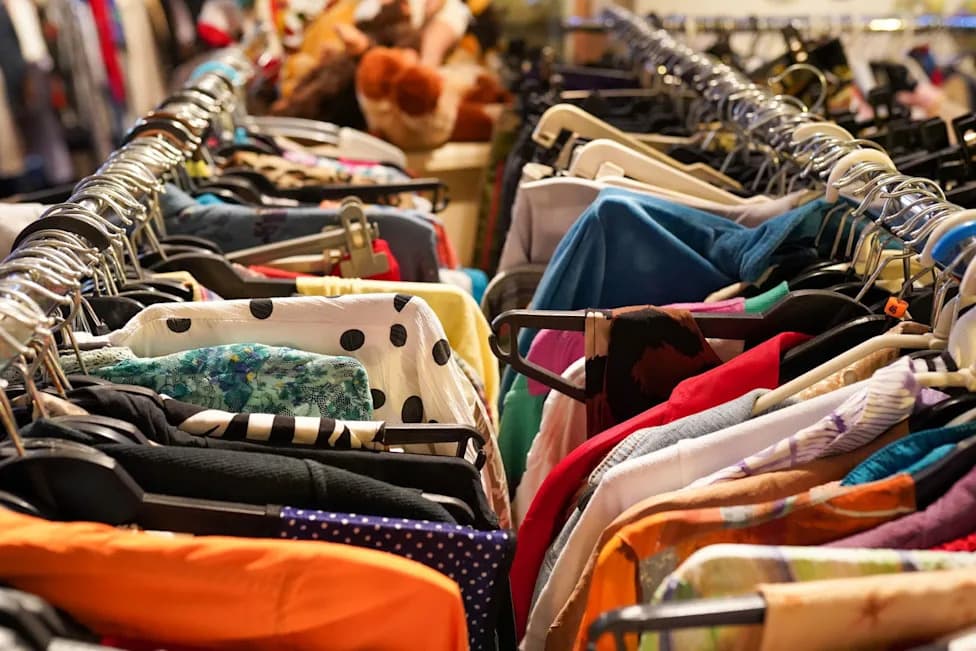
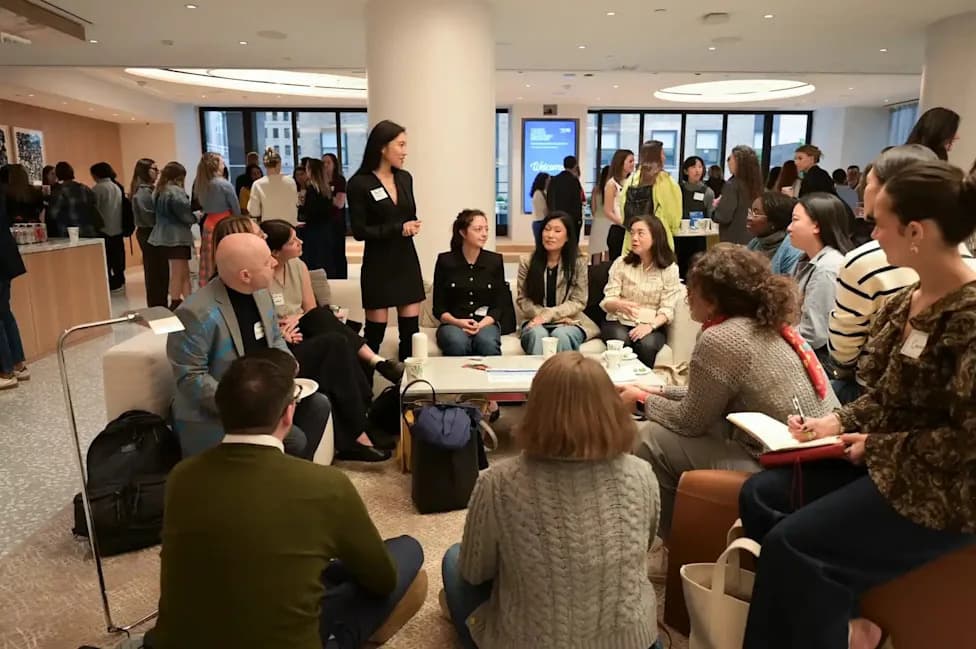
On the eighth floor of a Manhattan skyscraper, more than 100 industry professionals — largely women — gathered for a breakfast roundtable to talk about the second life of clothing: reverse logistics, garment repairs, resale e-commerce and search tools built for preloved items. The conversation centered on what happens to a dress after it’s been worn, stored or lost the glow of its debut.
Speed-Round Conversations, Big Implications
The Climate Leaders Roundtable Breakfast unfolded as multiple, simultaneous breakouts across a room at the MetLife Building, 200 Park Avenue. Each short session tackled a focused theme — from translating circularity into boardroom language to unpacking the cost structures that slow adoption of sustainable materials — in a format resembling speed networking.
Hosts, Attendance And Venue Growth
The event was hosted by Alternew, reverse-logistics company Fillogic, digital product passport provider Alu and preloved-fashion search engine Beni. Organizers noted the meeting was held in a larger, more formal space this year after outgrowing past venues: earlier editions took place in a compact Lower East Side store, T.W.I.N., where crowds sometimes spilled onto the street.
"We started out at a small store called T.W.I.N. (That's What I Need)... The store held like 60 people. We had 80. It was like people in this little store, and then all out on the street," said Nancy Rhodes, founder and CEO of Alternew.
Why This Matters
The rapid-fire format matched the urgency of the topic. Attendees — founders, brand leaders and circular-economy practitioners — emphasized that funding is a major bottleneck: the Circularity Gap Report Finance in 2025 found only about two percent of global investments flow to circular business models, limiting the scale-up of repair, resale and other sustainable solutions.
Sydney Badger, Fillogic’s vice president for commercialization and circular strategy, attended last year as an independent participant and was so impressed by the discussion that her company sponsored this year’s breakfast. "It was the most welcoming and animated conversation I had all [Climate] Week because it was a little less pretentious," she said. Fillogic is exploring continued sponsorship, including potential support in 2027.
Format By Design
Organizers deliberately kept conversations short. Rhodes explained that while many networking events drag on without producing useful connections, this quick-rotation design leaves participants intrigued and wanting follow-up — a key reason attendees return.
Takeaways
Participants left with sharper perspectives on practical gaps — logistics, cost structures, measurement and boardroom translation — and renewed momentum for collaboration across tech, product and policy to accelerate circular fashion at scale.
Help us improve.