SRG's report "Fashion's Fair Share: Bangladesh Buyers' Climate Opportunity" urges 15 major apparel buyers — representing 26.3% of Bangladesh's export weight — to finance a cleaner energy transition. Coordinated action could avert 8.59 million tonnes of CO₂ by 2040 and about 1.26 million tonnes in the near term. The Clean Energy Investment Pact calls for grants, contract terms that absorb transition costs, policy engagement and stronger worker protections to stabilize the industry and protect workers' health.
15 Fashion Buyers Could Cut Bangladesh Emissions by 1.26M Tonnes — and 8.59M by 2040, SRG Says
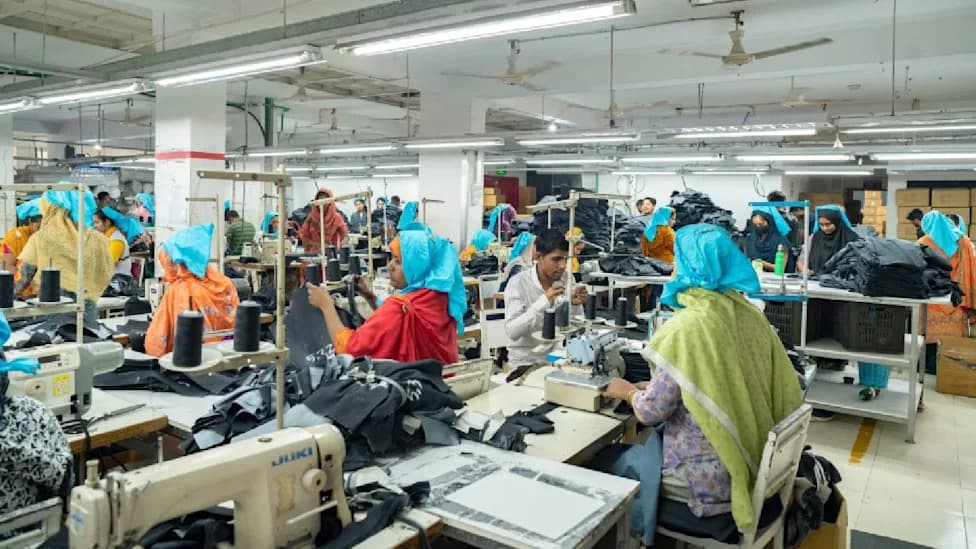
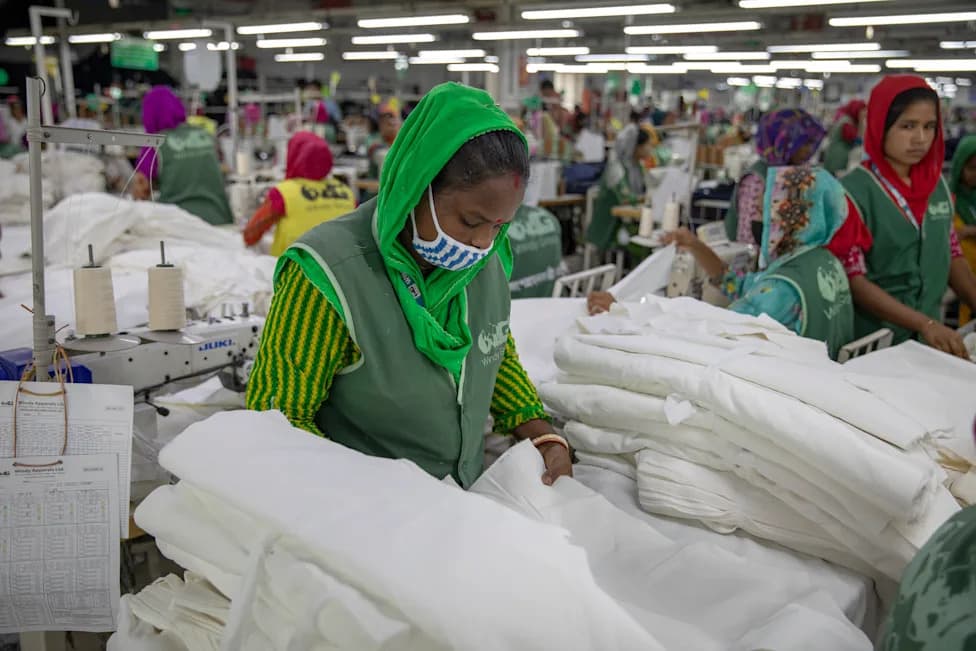
The fashion industry accounts for about 4% of global greenhouse gas emissions. Credit: zakir1346/Shutterstock.com.
A new report, "Fashion's Fair Share: Bangladesh Buyers' Climate Opportunity", released alongside SRG's Clean Energy Investment Pact campaign, urges 15 major apparel buyers to finance renewable energy in Bangladesh. The study argues that coordinated, sustained support from these companies could avert a cumulative 8.59 million tonnes of CO₂ by 2040 and deliver an immediate emissions reduction of roughly 1.26 million tonnes from nearer-term measures.
SRG calculates that the 15 buyer companies represent 26.3% of Bangladesh's apparel export volume by weight, giving them outsized influence over the country's industrial and environmental trajectory. The report highlights a widening gap between this leverage and the limited climate financing, policy engagement and worker protections currently provided by many global brands.
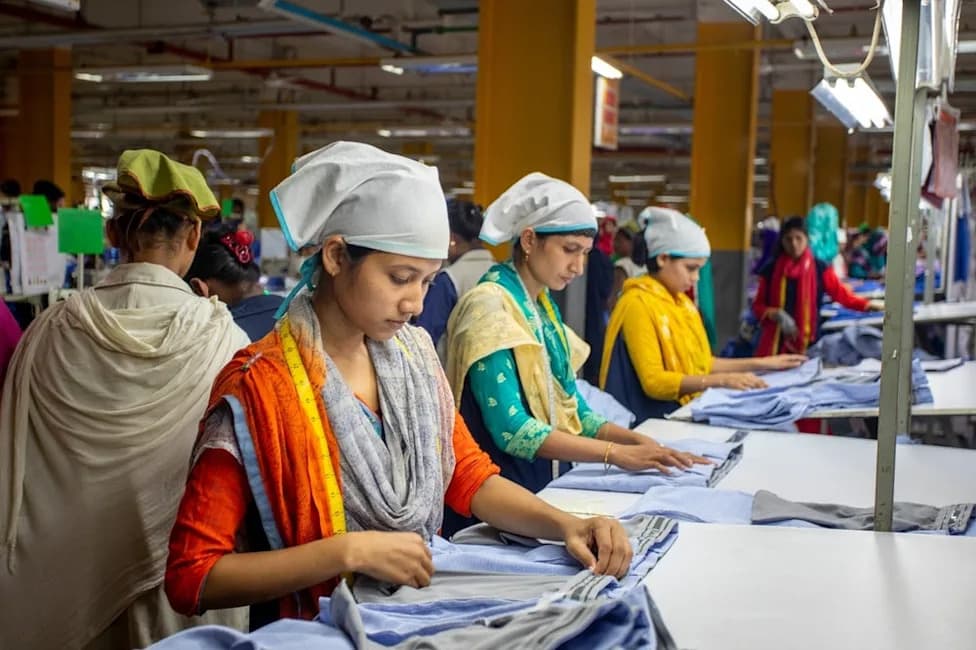
Bangladesh's garment sector is contending with an acute energy crisis: unreliable electricity, gas shortages and dependence on imported fossil fuels have prompted layoffs and temporary closures. SRG notes that less than 5% of Bangladesh’s national grid is powered by renewables, increasing vulnerability for factories, workers and international buyers that rely on steady production.
"Just 15 brands, acting together, could change the trajectory of Bangladesh's energy transition," said SRG senior corporate climate campaigner Rachel Kitchin. "Brands must help build energy resilience, cut emissions, and protect workers on the front lines of the climate and energy crises."
Using customs and sourcing data, the report finds that only H&M Group and Inditex have pledged to reach 100% renewable energy across their supply chains. Only a minority of buyers publicly disclose supplier financing initiatives, and none report providing direct grant-based or debt-free financing specifically for energy upgrades. SRG also notes that only Next has published a supplier code recognizing heat-stress risks for workers.
SRG's Demands: The Clean Energy Investment Pact
SRG's Clean Energy Investment Pact calls on buyer brands to commit to:
- Grant funding for renewable energy projects at supplier sites;
- Contract terms that absorb transition costs (so suppliers and workers do not carry the burden);
- Direct policy engagement with Bangladeshi authorities and investment in grid-scale infrastructure;
- Expanded worker protections, including measures to address heat stress and health risks tied to fossil-fuel pollution.
The report highlights that only three buyers — H&M Group, Bestseller and Inditex — have publicly engaged on grid-scale policy and infrastructure, and it calls on the wider set of brands to match that engagement with financing and worker-focused safeguards.
Industry Context and Shortfalls
SRG cites broader indicators of rising sector emissions. Data referenced from the Apparel Impact Institute and reported by Bloomberg estimate the global fashion industry emits roughly one billion tonnes of greenhouse gases annually, with year-on-year increases above 6%. The report also calls out significant gaps in action among several global buyers, naming Kontoor Brands, Walmart, New Yorker, Gildan Activewear, LPP and Pepco as examples of companies with notable shortfalls.
Beyond operational risks and market volatility, the report stresses the human health stakes. It cites a 2021 Harvard study linking air pollution from fossil fuels to about one in five premature deaths worldwide, underscoring how energy choices in manufacturing hubs affect worker health and lives.
SRG argues that coordinated financing, policy engagement and labor protections are essential to stabilizing Bangladesh’s garment industry while accelerating a fair, worker-centered clean-energy transition. The group urges the 15 buyer brands to translate pledges into concrete funding, contract reforms and advocacy to protect both people and the planet.
Help us improve.