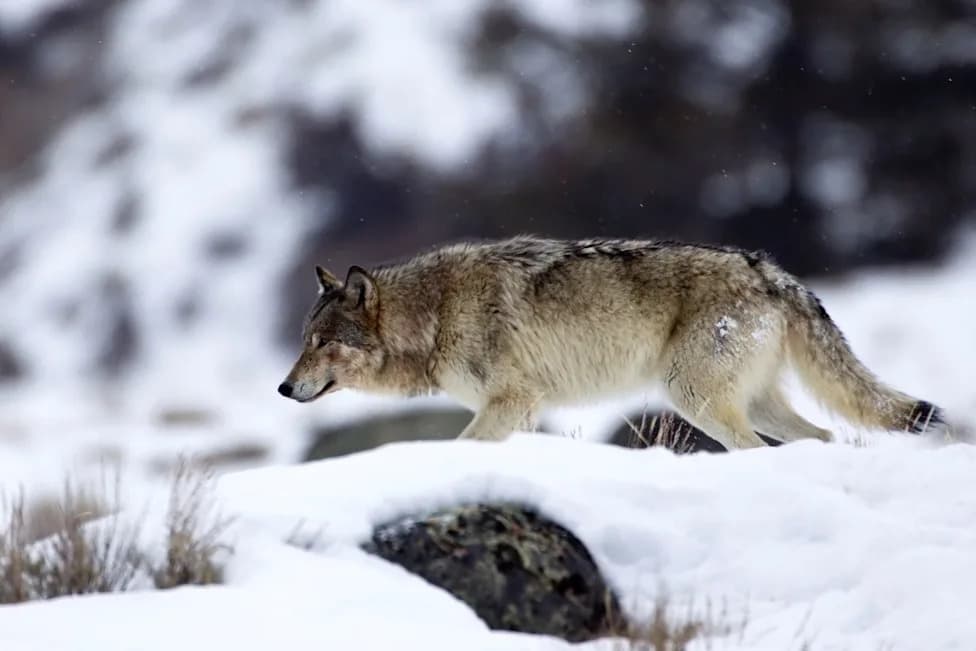
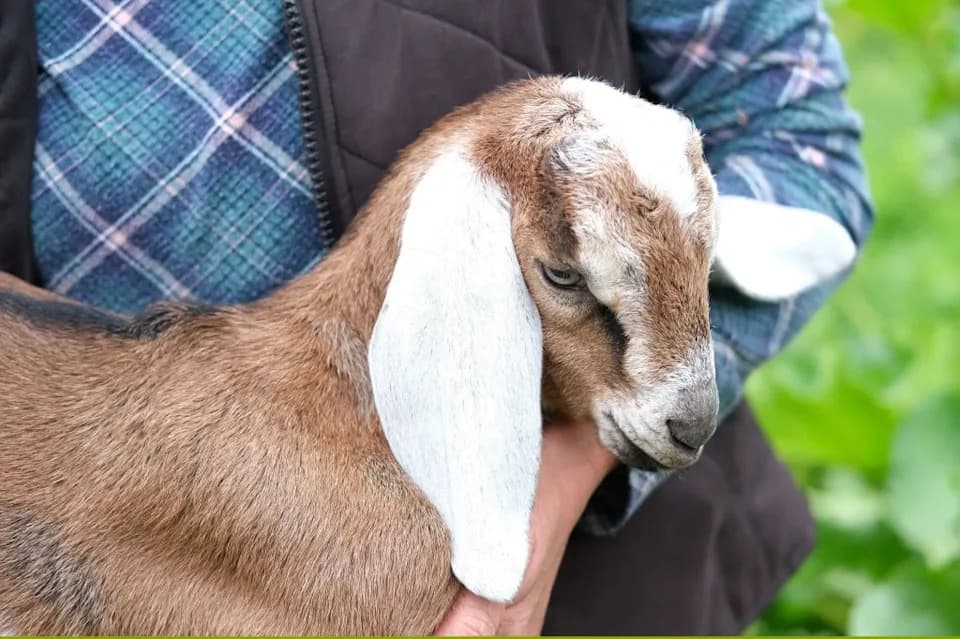
Texas A&M researchers found that invasive aoudad can carry pneumonia pathogens that killed about 80% of bighorn sheep exposed to them. In a statewide sample of 351 aoudad, 9.4% tested positive for Mycoplasma ovipneumoniae DNA and 55.8% had antibodies indicating past exposure; juveniles shed pathogens more often than adults. The findings prompted Texas Parks and Wildlife to update its bighorn strategy and relocate more than 70 uninfected bighorn sheep to Franklin Mountains State Park to reduce exposure risk.
Study: Invasive Aoudad Carry Pneumonia Pathogens That Kill About 80% Of Exposed Bighorn Sheep
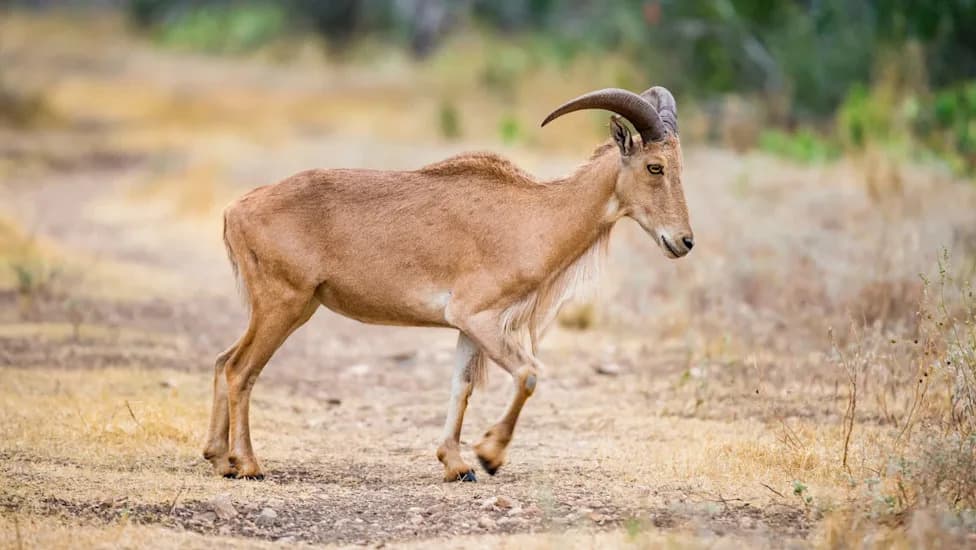
Photo Credit: iStock
West Texas' rugged ranges support the state's iconic bighorn sheep, but a new Texas A&M–led study finds that an introduced species, the aoudad (Barbary sheep), may be undermining conservation efforts by carrying pneumonia pathogens that are often fatal to bighorn sheep.
Key Findings
Researchers working with the Texas Parks and Wildlife Department tested whether aoudad can maintain and transmit two groups of respiratory pathogens linked to pneumonia in bighorn sheep: Mycoplasma ovipneumoniae and leukotoxigenic Pasteurellaceae. The results show a sharp contrast in disease outcomes between the species. When bighorn sheep are exposed to these pathogens from aoudad, roughly 80% of exposed bighorn died of pneumonia. In contrast, aoudad often carry and shed the pathogens for extended periods without obvious signs of illness, making them asymptomatic reservoirs.
Across Texas, researchers sampled 351 free-ranging aoudad. Nasal swabs detected Mycoplasma ovipneumoniae DNA in 9.4% of sampled animals, while 55.8% were seropositive for prior exposure. Juvenile aoudad were more likely than adults to actively shed the pathogen, which could increase transmission risk between herds and to overlapping bighorn populations.
Conservation and Management Implications
Restoring and maintaining bighorn sheep populations requires years of planning, habitat work, veterinary oversight, and public funding. Major disease outbreaks can erase hard-won gains and make future recovery more costly and complex. Wildlife managers have long suspected disease risks from aoudad, but this study provides empirical evidence quantifying that threat.
Because aoudad can appear healthy while shedding pathogens, they are difficult to detect and manage in the wild. In response to the findings, the Texas Parks and Wildlife Department revised its bighorn strategy and relocated more than 70 uninfected bighorn sheep to Franklin Mountains State Park to reduce exposure and improve the chances of establishing or sustaining disease-free herds.
“Because aoudad show little, if any, signs of infection, every aoudad on the landscape should be conservatively considered a risk to bighorn sheep.” — Dr. Logan Thomas, Texas A&M University
Broader Context
This study highlights a broader conservation challenge: introduced species can alter disease dynamics, add pressure on vulnerable native wildlife, and divert limited conservation resources toward containment rather than ecosystem recovery. The research reinforces the need for targeted disease surveillance, careful translocation protocols, and coordinated management where invasive and native species ranges overlap.
Source: Texas A&M University researchers in collaboration with the Texas Parks and Wildlife Department (reported by phys.org).
Help us improve.