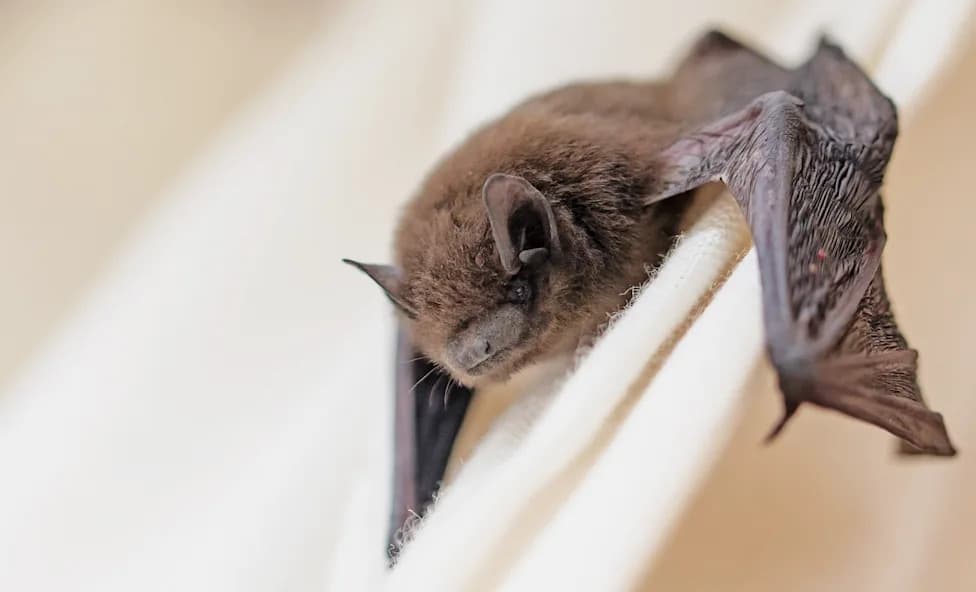
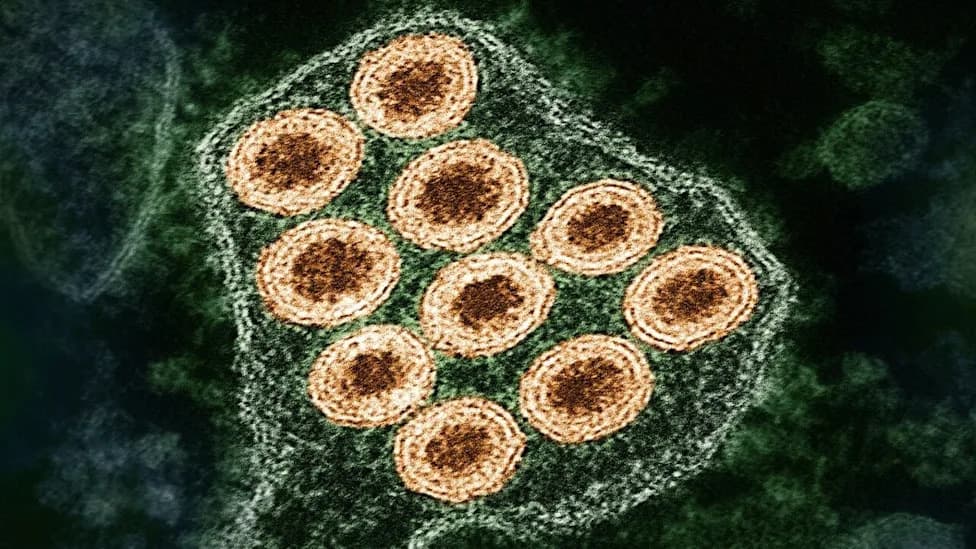
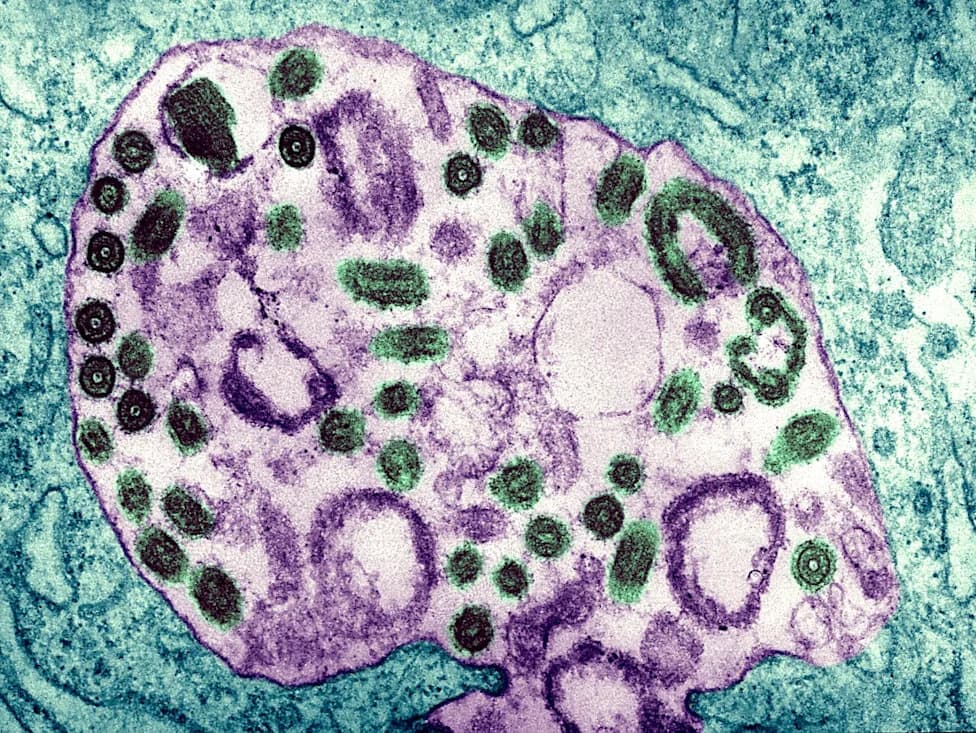
A music-video shoot in North Carolina that used several baby goats became a rabies exposure concern after the animals tested positive about a month later. Three goats were confirmed positive and euthanized by Aug. 29, with a fourth presumed case; officials say the exposure window was July 28–Aug. 27 and the animals visited events across at least seven counties. About 20 people connected to the shoot may have been exposed and were urged to contact local health departments; post-exposure prophylaxis is effective but can be costly.
Music-Video Shoot With Baby Goats Turns Into Rabies Scare After Suspected Skunk Bite
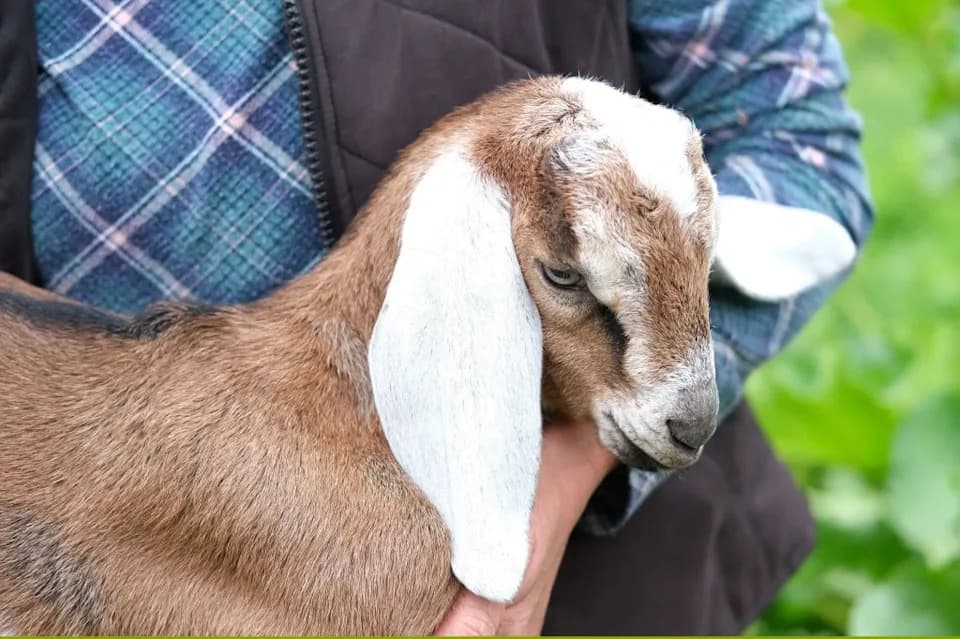
A stock image of a person holding a baby goat in their arms.
A lighthearted music-video shoot in North Carolina that featured several baby goats became a public-health scare after the animals tested positive for rabies about a month later.
What Happened
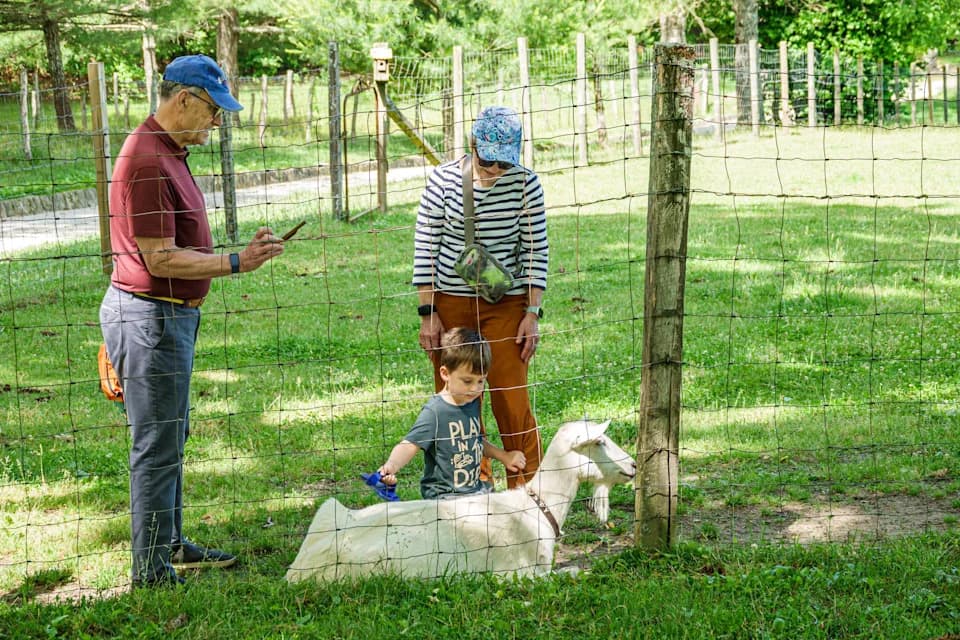
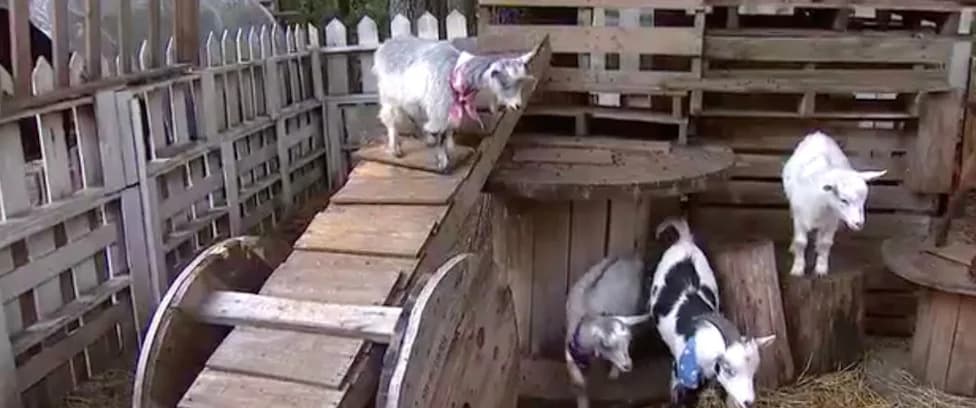
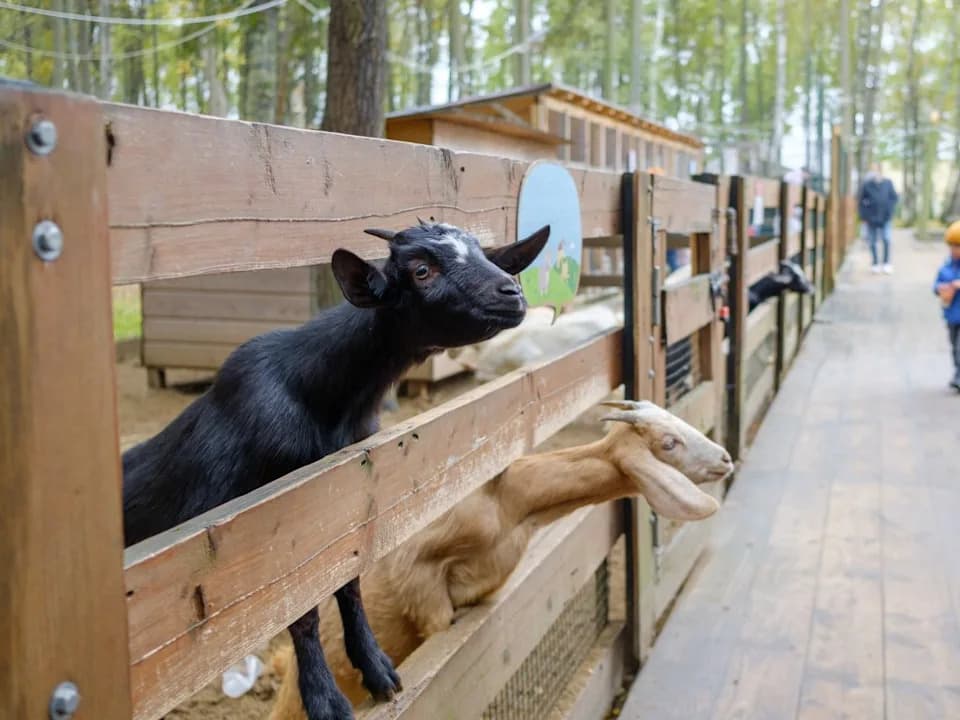
Director Daniel Carrai (@danielcarrai) said he recently oversaw production for the band SLIDE and that cast and crew handled and cuddled several young goats on set. The animals were rented from Farm Adventures, a Harmony, NC company that transports livestock to events statewide.
According to the North Carolina Department of Health and Human Services (NCDHHS), officials believe a skunk entered the goats' pen in late July and bit the animals. Farm Adventures later posted that the baby goats were kept separated, were too young to be vaccinated, and that staff removed a skunk after finding it in the enclosure. The farm said the animals showed no obvious signs of illness at the time.
'We had no clue the goats had gotten bit,' the company wrote, noting the animals displayed no signs of rabies and the farm had already paid for veterinary care. The farm said it will follow health-official monitoring guidelines for remaining animals.
Testing, Euthanasia And Exposure Window
By August 29, three goats had tested positive for rabies and were euthanized; a fourth untested animal was also put down as a presumed case. State alerts say the goats may have been infectious from July 28 through August 27 and visited events in at least seven counties during that period.
Public appearances listed by NCDHHS include:
- An assisted-living facility in Statesville (July 28)
- A back-to-school event in Lexington (August 1)
- A second assisted-living visit in Statesville (August 6)
- Masonic Picnic Grounds in Mocksville (August 15)
- Private events in Mecklenburg, Watauga, Burke, Durham and Iredell counties
Risk, Guidance And Costs
Health officials advised that anyone who had contact with the baby goats during the exposure window should contact their local health department. While rabies transmission from livestock is generally lower risk than from wild animals, infected saliva can transmit the virus if it reaches broken skin or mucous membranes (eyes, nose or mouth).
Carrai said roughly 20 people involved with the video production may have been exposed and sought immediate medical attention; he noted concern that someone might have touched their face after contacting goat saliva. He also said treatment for him and his wife could approach $20,000 because their insurance did not cover the care.
About Rabies And Prevention
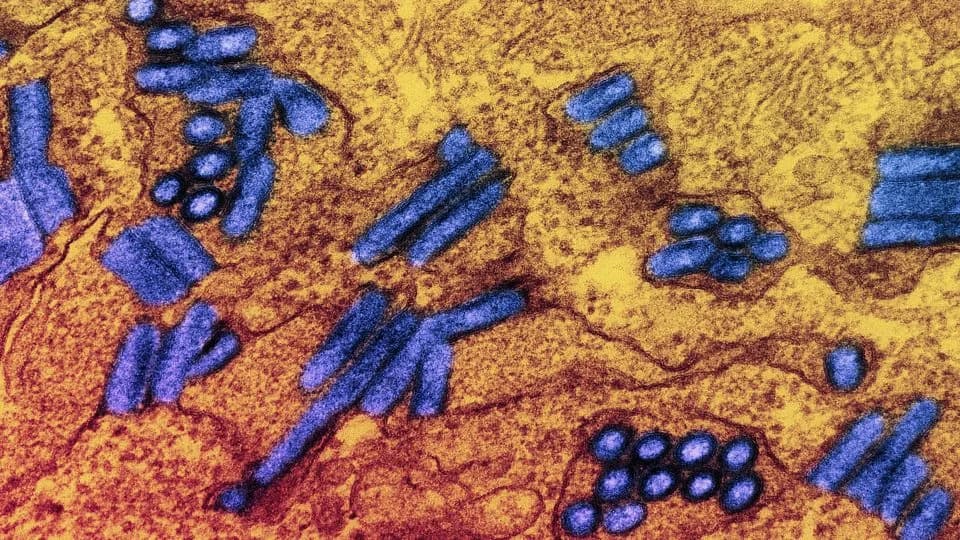
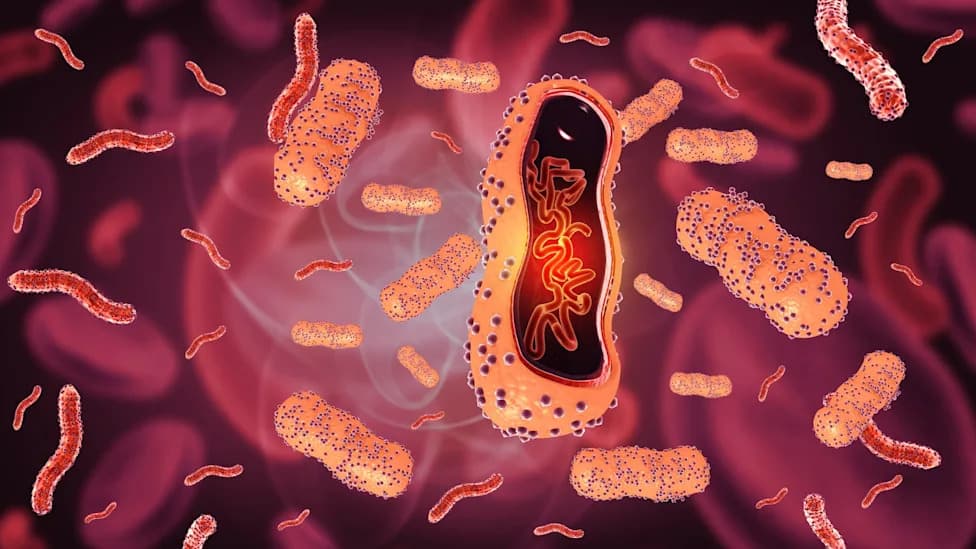
Rabies is a deadly virus that attacks the central nervous system, but human cases are very rare in the U.S. North Carolina has not recorded a human case since 2011. The U.S. Centers for Disease Control and Prevention (CDC) estimates about 1.4 million Americans seek evaluation for potential exposures each year; fewer than 10 deaths are recorded annually due to effective prevention.
Typical rabies transmission is through infected saliva via bites or scratches. Early symptoms can resemble the flu (weakness, fever, headache) and may include irritation at the wound site. Advanced disease can present as:
- Furious rabies: Hyperactivity, hallucinations, hydrophobia (fear of water) and rapid deterioration.
- Paralytic rabies: Progressive paralysis beginning near the wound and leading to coma.
Post-exposure prophylaxis (PEP) is highly effective when started promptly and includes thorough wound washing, administration of human rabies immune globulin (when indicated), and a course of rabies vaccine. Officials also stress routine vaccination of pets and avoiding contact with wild animals.
Wider Context
State and local health departments have issued rabies alerts this year after cases in bats, raccoons, foxes, goats and a pet dog. Some areas have reported spikes in animal cases and exposure calls, highlighting the importance of public awareness and quick action after potential exposures.
News organizations contacted the production director for comment. (Contact information and subscription prompts from the original source have been removed.)
Help us improve.