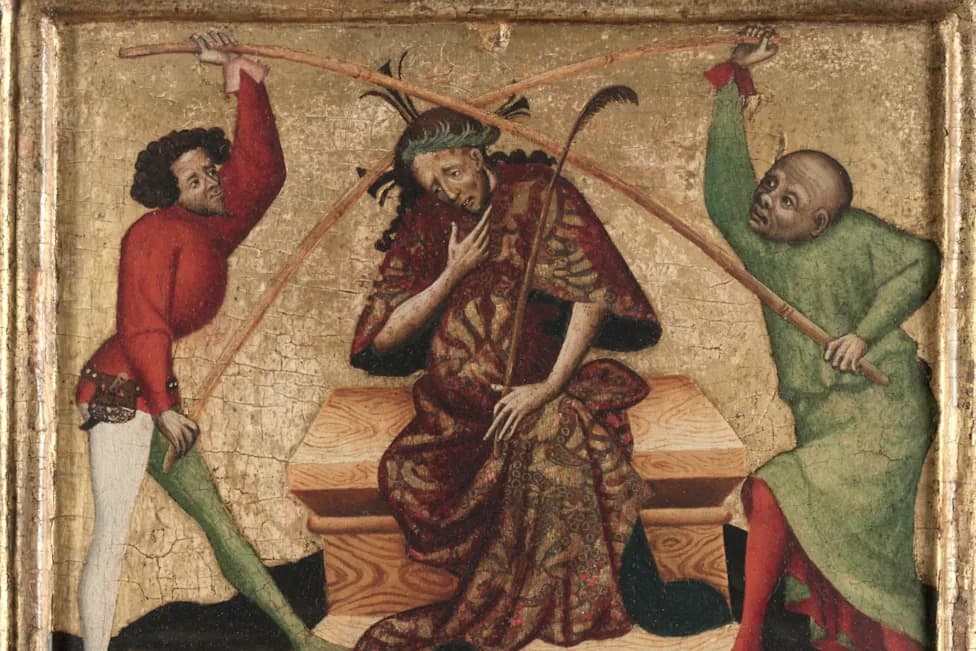
Researchers detected sheeppox virus DNA preserved in medieval sheepskin manuscripts and Bronze Age sheep teeth, tracing the pathogen back at least 3,700 years to the Eurasian steppe. The study, led by Louis L'Hôte and published in Science Advances, shows the virus repeatedly afflicted herds and left traces in parchment used for famous codices. Naïve flocks historically suffered 75–90% mortality, and a recent outbreak in Greece killed nearly 500,000 animals, highlighting that sheeppox remains an important agricultural threat despite available vaccines.
3,700-Year-Old Sheeppox DNA Found in Medieval Manuscripts — Modern Outbreak Kills Nearly 500,000 Sheep
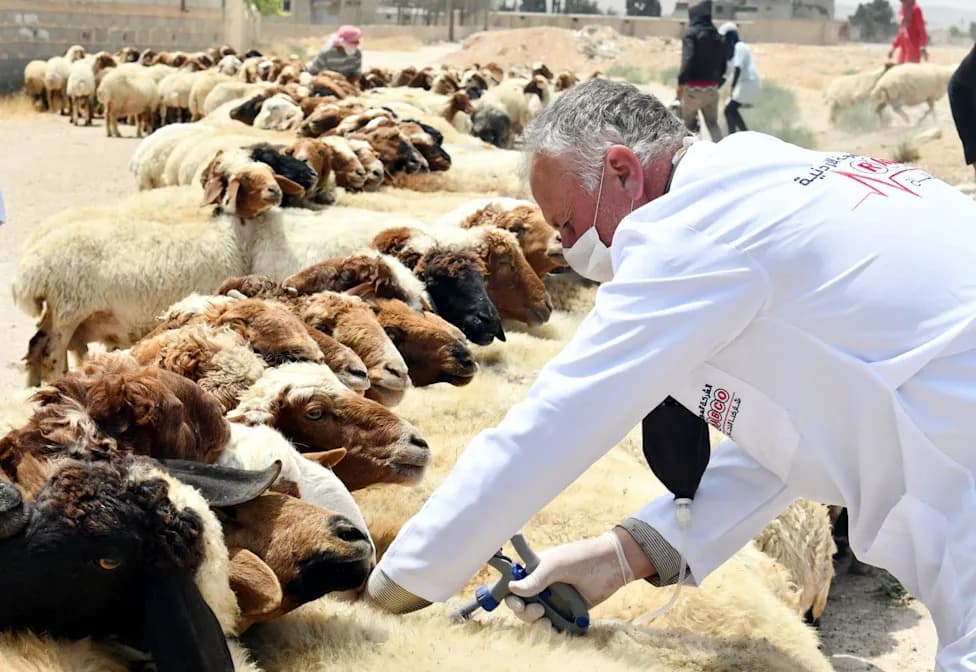
Sacred Books Were Hiding an Ancient Sheep PlagueXinhua News Agency - Getty Images
Researchers have recovered genetic evidence of the sheeppox virus from medieval sheepskin manuscripts and Bronze Age sheep remains, tracing the livestock pathogen's history back at least 3,700 years — and underscoring that it remains a serious threat today.
What the Study Found
A team led by Louis L'Hôte at the Molecular Population Genetics Lab, University College Dublin, sampled the flesh side of parchment pages from well-known medieval codices — including the York Gospels and the Corpus Glossary — and detected sheeppox (a Capripoxvirus) DNA preserved in the skins used to make those documents. By combining these results with genetic analyses of preserved Bronze Age sheep teeth recovered from pastoral sites across the Eurasian steppe (as far east as the Altai Mountains), the researchers pushed the virus's earliest molecular record back to at least 3,700 years.
How Sheeppox Affects Flocks
Sheeppox infects multiple systems in sheep, causing fever, loss of appetite, eye discharge and lesions on exposed skin; it can also damage the respiratory, digestive and urogenital tracts. Historical sources and experimental evidence indicate that naïve flocks can suffer catastrophic mortality — often between 75% and 90% — with survivors experiencing long-term drops in milk, wool and meat production. In some cases, skin lesions left visible marks on parchment made from infected animals.
Historical And Archaeological Context
Written records hint at the disease's long impact: Roman writer Lucius Columella described animal "pustules" in On Agriculture, and medieval ledgers and agricultural manuals record outbreaks under names such as "pockes" or "variola." In medieval Europe, some livestock losses were sometimes attributed to witchcraft when the real cause was microbial. The new molecular evidence shows that sheeppox was a frequent and recurring challenge for European and steppe societies.
"By the Bronze Age period, domestic sheep herds of the Eurasian steppe region were afflicted by a pathogen that today is highly infectious and virulent," L'Hôte and colleagues write in their study published in Science Advances.
How The Virus Spread
The researchers argue that trade, seasonal herd movements and contacts at market or caravan hubs across the Caucasian and Eastern European steppes likely facilitated long-distance spread. The steppe was home to pastoral communities that moved animals and animal products over vast regions, creating opportunities for infected animals or contaminated goods to introduce the virus into new flocks.
Modern Relevance
Although vaccines for sheeppox exist today, the pathogen continues to cause major outbreaks. A recent epidemic in Greece killed nearly 500,000 animals and threatened parts of the country's cheese industry, illustrating the ongoing economic risks posed by livestock diseases. The study's combination of manuscript sampling and ancient DNA from teeth offers a powerful example of how molecular archaeology can reveal the long-term history of pathogens that shaped human economies and societies.
Implication: Recovering pathogen DNA from animal-skin manuscripts and ancient remains not only rewrites the history of livestock disease but also informs how we understand disease emergence, spread and impact over millennia.
Help us improve.