REV Ocean is a 639.4‑foot (≈195 m) superyacht repurposed as a research vessel to study and protect deep‑sea ecosystems. Its onboard facilities include a submarine hangar, metalworking workshop and 3D‑printing lab to support ten missions in an 18‑month program across the Atlantic, Caribbean and Pacific. After each expedition, the ship will host weeklong port convenings so scientists and policymakers can quickly review findings and accelerate conservation action. The initiative aims to close knowledge gaps that hinder efforts to meet global biodiversity goals, including protecting 30% of the planet by 2030.
REV Ocean: World's Largest Superyacht Mobilized for Deep‑Sea Science
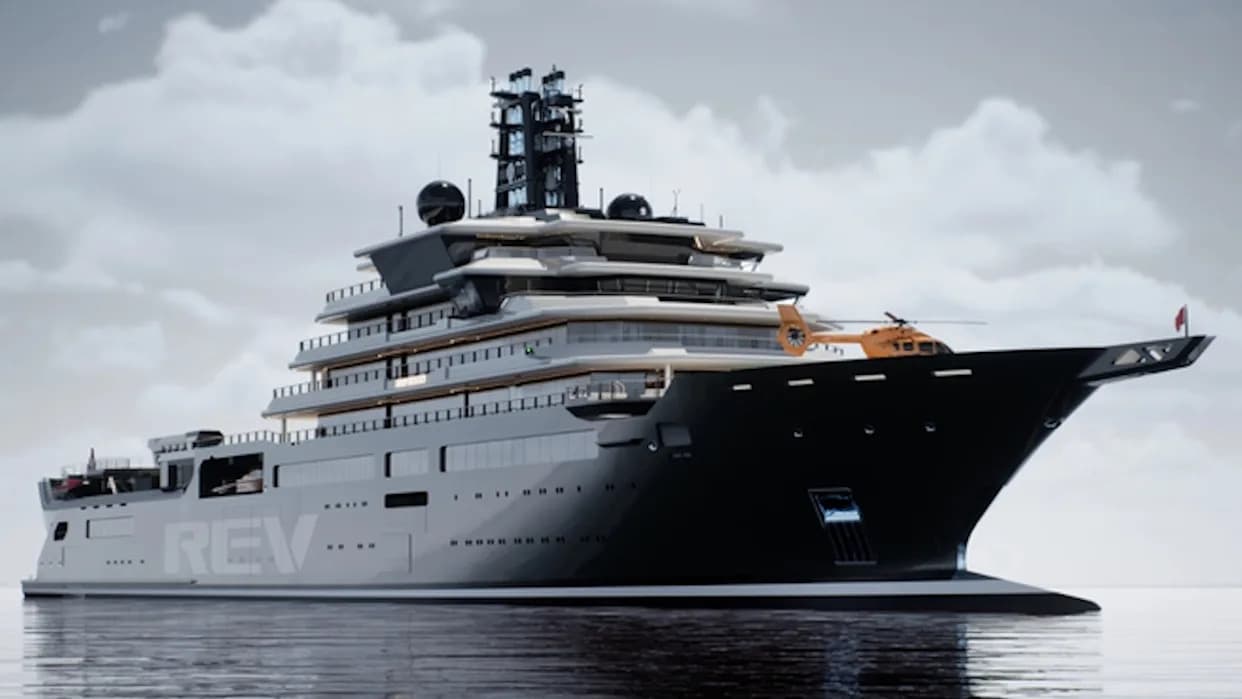
Photo Credit: REV Ocean
REV Ocean, a 639.4-foot (approximately 195 m) vessel that holds the title of the world’s largest superyacht, was built not for luxury travel but to advance ocean science and conservation. Unlike most superyachts that attract attention for their owners or amenities, REV Ocean’s mission is research-driven: to gather data that can inform policy and protect marine biodiversity.
Design and Onboard Capabilities
The ship’s exterior and operational design were created by Espen Øino in collaboration with H2 Yacht Design, according to Forbes. Despite its sleek silhouette, the vessel is outfitted for rigorous scientific work. Onboard facilities include a submarine hangar, a metalworking workshop and an industrial 3D‑printing lab—capabilities intended to support deep‑ocean exploration, equipment repairs, and rapid prototyping during expeditions.
18‑Month Research Program
REV Ocean’s inaugural deployment is organized as an 18‑month research program comprising 10 missions across the Atlantic, the Caribbean and the Pacific. The project will collect baseline data to support marine conservation efforts, with additional details expected at the U.N. Ocean Decade Conference in Rio de Janeiro in April 2027.
Priority Areas and Goals
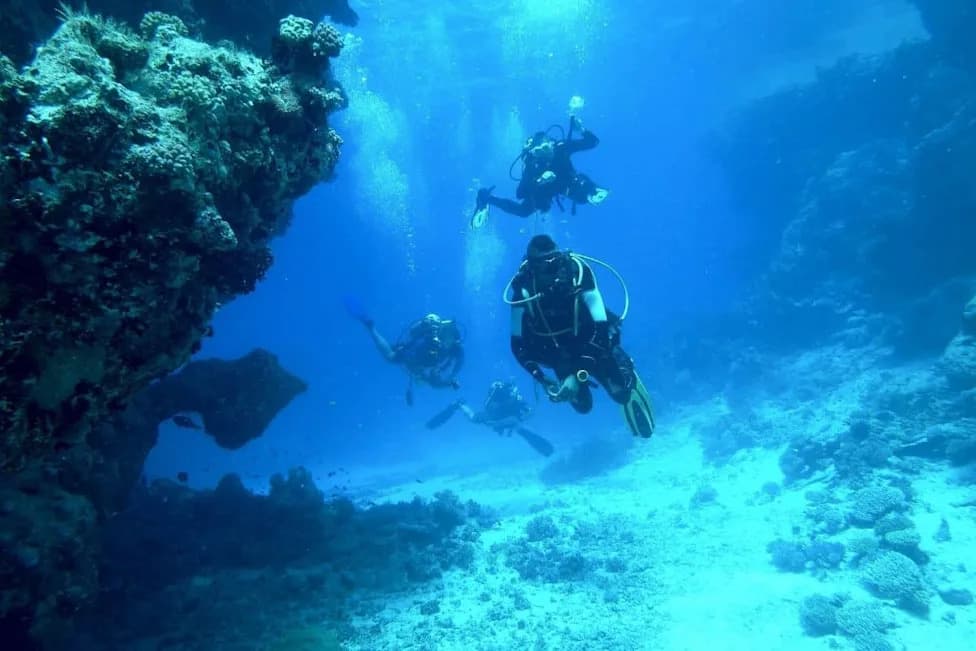
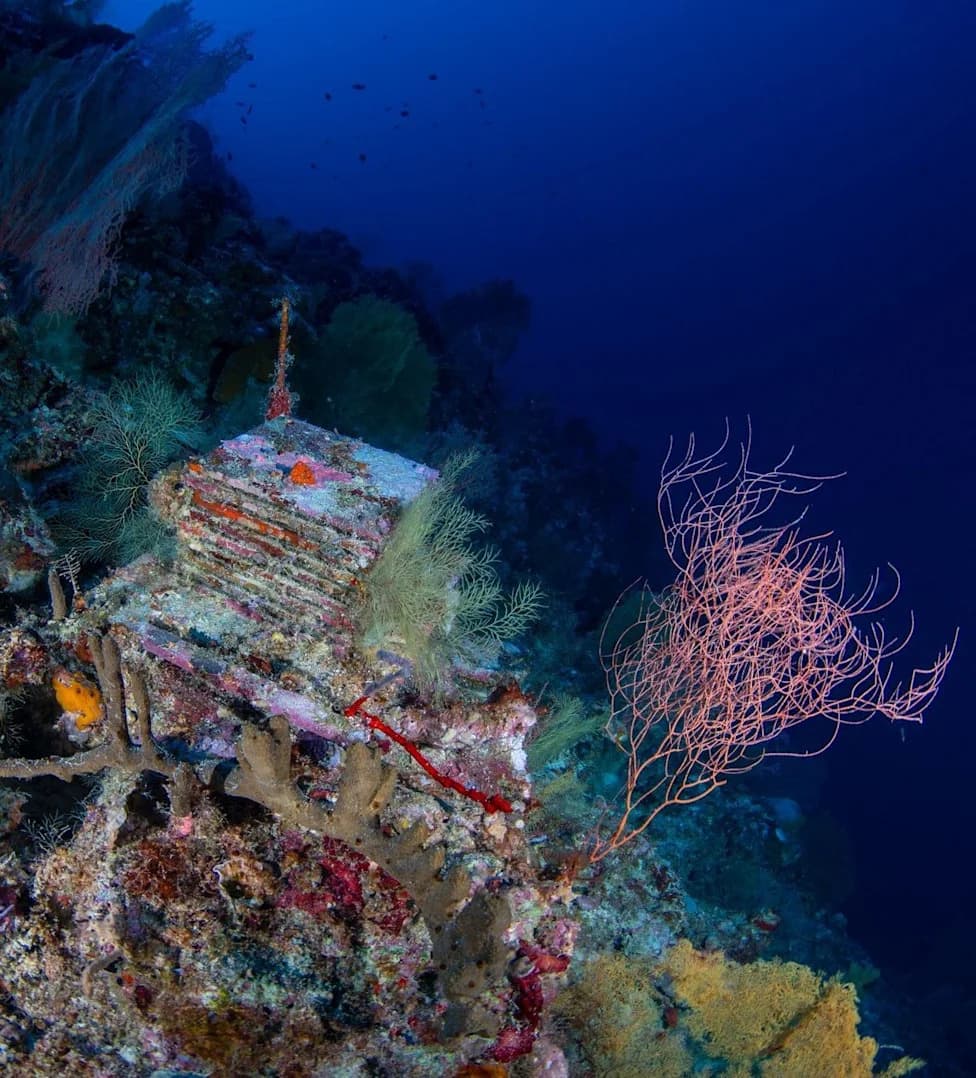
Early survey targets include Brazil’s Vitória‑Trindade Chain, a broad system of seamounts whose ecosystems remain largely unexplored, and the Caribbean Biodiversity Corridor, where researchers will study deep‑ocean communities that have historically received less attention than coastal habitats such as coral reefs, mangroves and seagrass beds.
“We cannot protect what we don't know,” said Eva Ramirez‑Llodra, REV Ocean’s science director, speaking to Forbes. “REV Ocean's role is to help close that knowledge gap while connecting science with policy, decision‑making and regional priorities.”
From Discovery to Decision
To accelerate the transition from research to action, REV Ocean will host weeklong port convenings after each expedition. These gatherings will bring together scientists, policymakers, funders and regional leaders to review findings promptly—shortening the usual lag between discovery and decision making so communities can more quickly act on conservation, resource management and resilience planning.
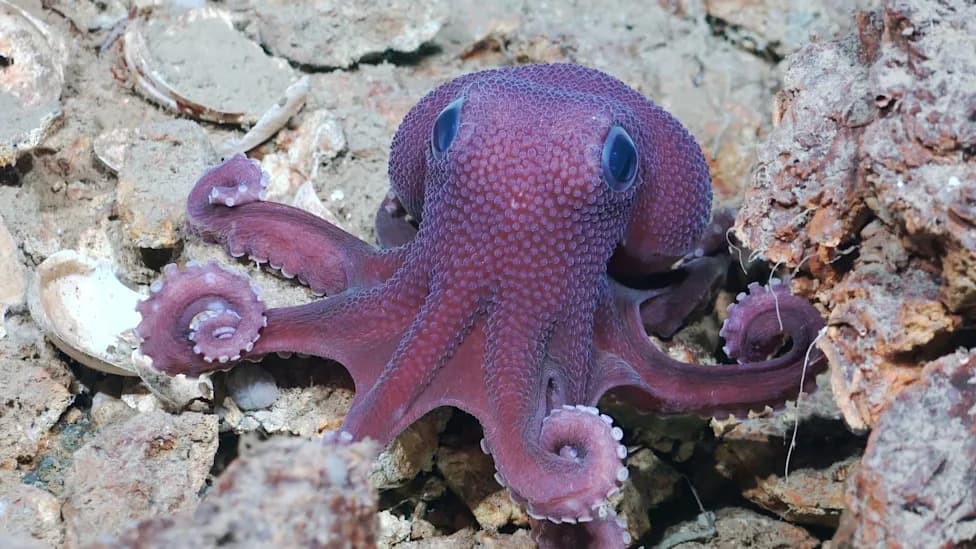
Project leaders emphasize that reliable baseline data are essential for meeting international targets such as the Global Biodiversity Framework goal to protect 30% of the planet by 2030. Mission leads highlight how little is known about deep‑sea habitats and stress the need to expand scientific knowledge of these vast ecosystems.
“This expedition gives us the opportunity to finally understand what lives in these vast, largely mysterious habitats,” said Professor Jose Angel Alvarez Perez, a mission lead. Jonathan Delance, mission lead with the Dominican Republic’s Ministry of Environment, added: “Mangroves, seagrass, coral—these things are critical, but the deep ocean forms the majority of the Caribbean. We need to learn more about it.”
Help us improve.