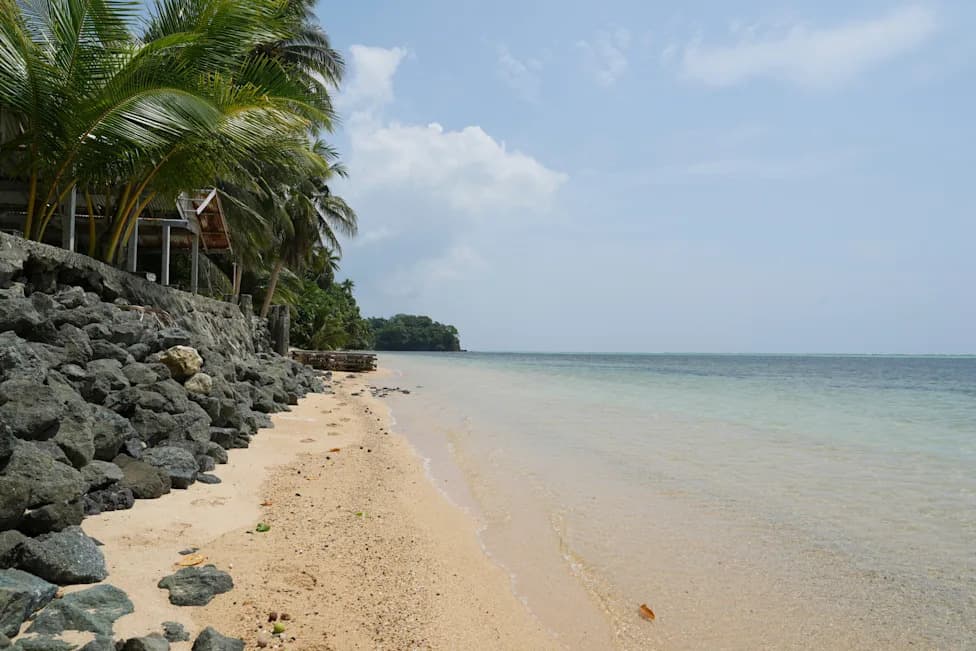
French Polynesia will designate marine protected areas covering 30% of its territorial waters, advancing the international "30 by 30" biodiversity goal. The plan—shaped by decades of community organizing—seeks to protect sharks, sea turtles and reef systems while allowing artisanal fishing and excluding industrial fleets. Officials say stronger reefs will bolster food security, tourism and natural storm protection, and hope the move inspires larger countries to follow.
French Polynesia Protects 30% Of Its Seas — A Major Win For Sharks, Turtles And Coastal Communities
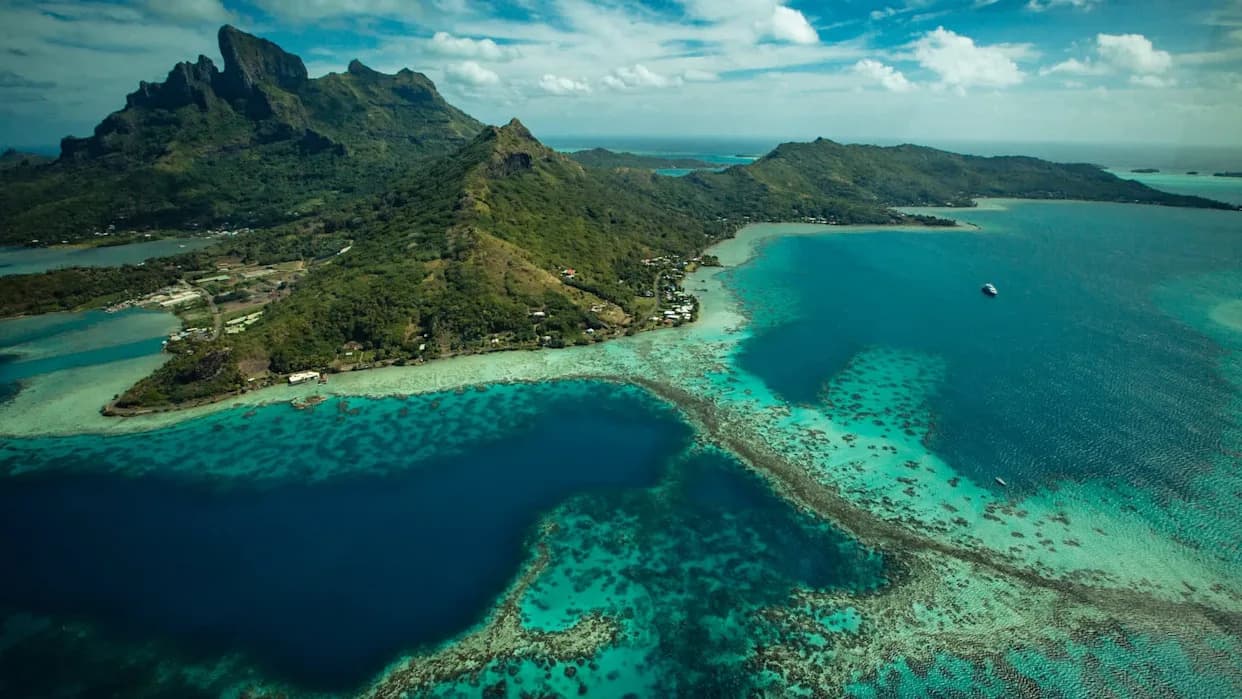
Photo Credit: iStock
French Polynesia has moved to protect 30% of its territorial waters with a network of marine protected areas, a significant step toward the global "30 by 30" biodiversity target. Reported by Mongabay, the plan reflects decades of local organizing and aims to balance conservation with sustainable, small-scale fishing.
What The Protection Covers
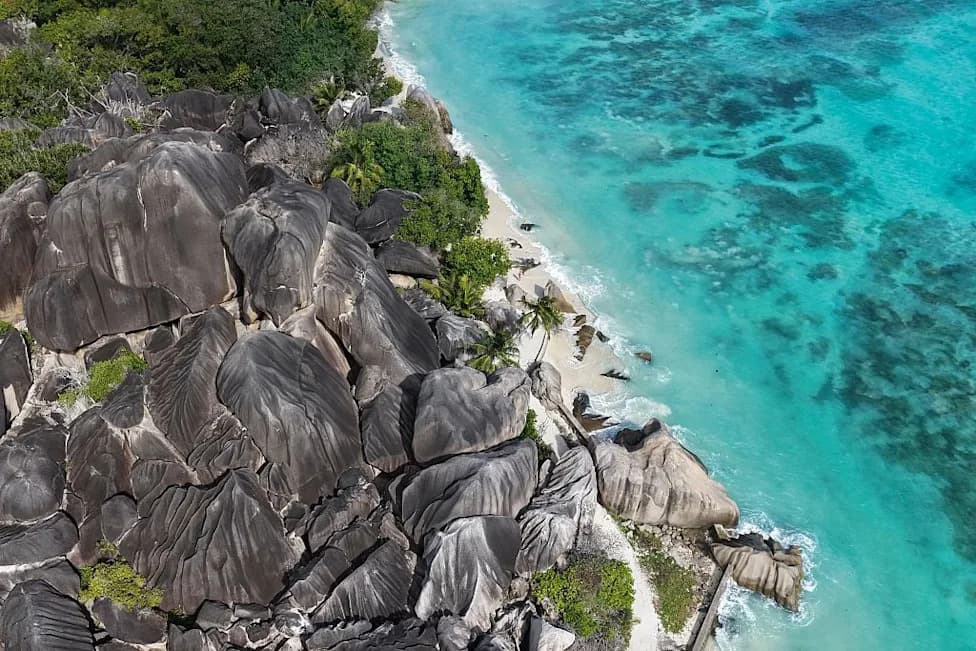
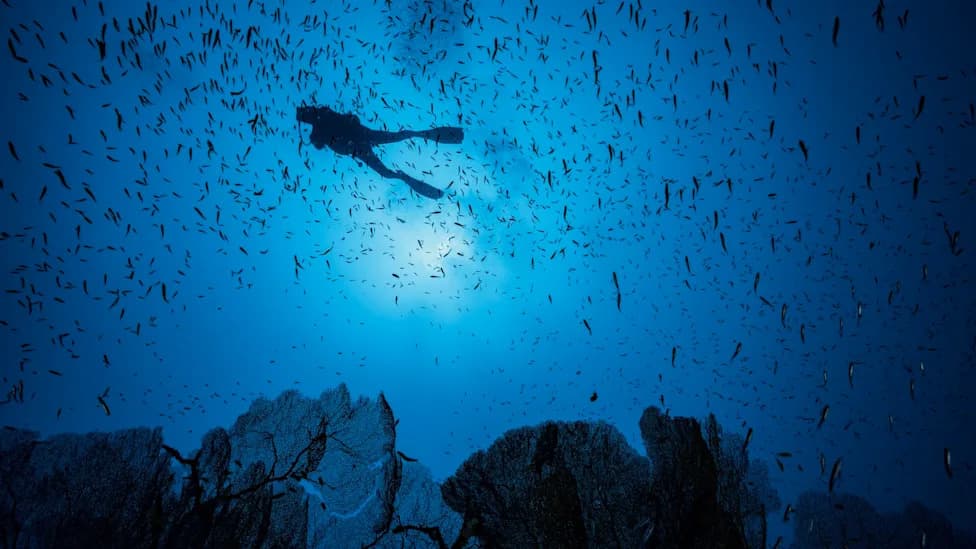
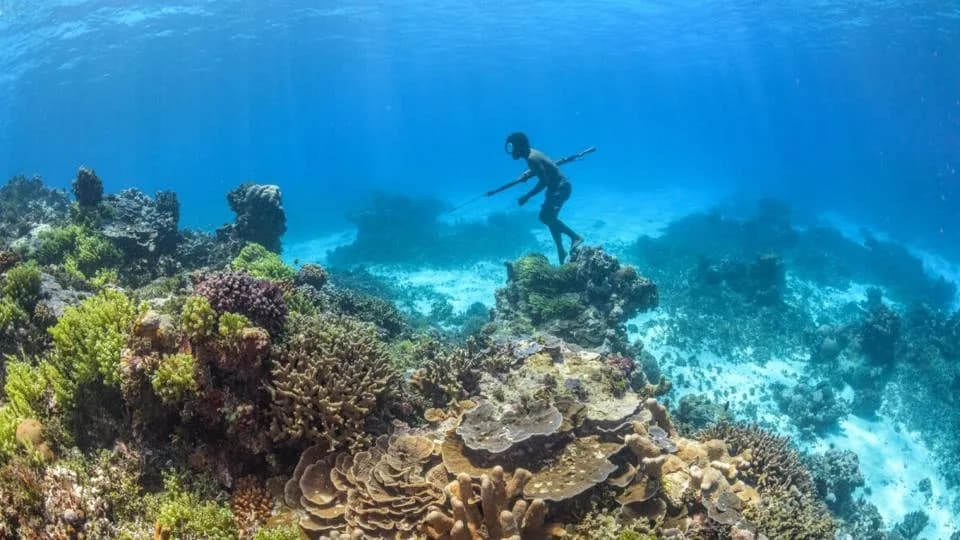
The protections span important Pacific ecosystems that support species such as sharks and sea turtles. The design includes no-catch zones and other managed areas intended to limit harmful extraction and keep industrial fishing fleets out, while allowing artisanal and subsistence fishers to continue operating under negotiated rules.
Why It Matters
Well-designed and enforced marine protected areas can help ecosystems recover by reducing overfishing, habitat loss and other pressures on stressed marine environments. Healthier reefs and seagrass beds also bolster coastal resilience — providing natural storm buffering, sustaining food security for island communities, and supporting tourism-based livelihoods.
"This is our mission as Oceanians," President Moetai Brotherson told AFP via Yahoo. "We also hope that it can inspire other countries, especially the larger ones, in the way they manage their relationship with the ocean."
Community-Led Approach
Mongabay describes the initiative as the culmination of decades of local leadership and community negotiation. Local leaders and residents worked together to create arrangements that protect critical habitats from industrial exploitation while preserving the rights and needs of artisanal fishers.
Experts and advocates note that protections yield the best results when they are based on good science, local participation, clear rules and consistent enforcement. If effectively implemented, the new protected areas could help rebuild marine populations, strengthen fisheries over time, and serve as a model for other nations.
Public reaction included cautious optimism. On a Reddit thread, one commenter summed up the mood: "We might actually save the oceans." Whether this momentum leads to broader global action will depend on follow-through by both small island states and larger maritime nations.
Help us improve.