The New Zealand government and Kāi Tahu leaders have activated five no-take marine reserves on July 1, 2026, marking the country’s first formally co-managed marine protected areas. The reserves cover 119 square miles (about 308 km²) and establish shared governance and a joint ranger team funded in part by NZ$7 million allocated for 2023–2027. The initiative protects kelp forests, reefs and other seabed habitats and aims to preserve cultural knowledge while informing future conservation efforts.
New Zealand Activates First Māori Co-Managed No-Take Marine Reserves — Aotearoa’s New Model For Ocean Stewardship
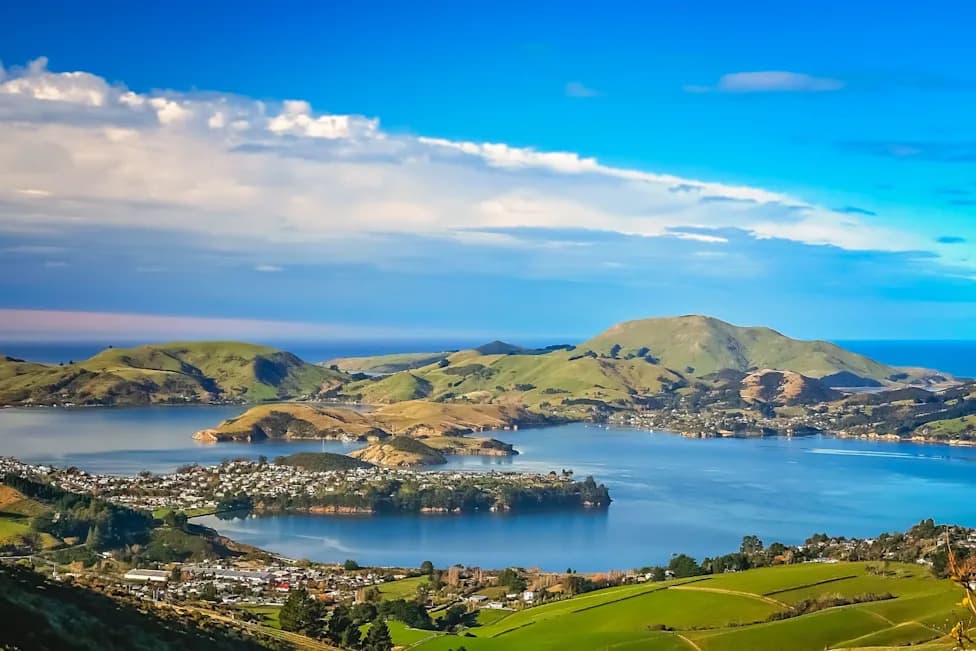
Photo Credit: iStock
On July 1, 2026, Aotearoa New Zealand activated five no-take marine reserves as the opening phase of the Te Au Roa o Te Rakihouia marine protection network, capping more than a decade of collaborative planning. The reserves establish the country’s first formal co-management arrangement between Kāi Tahu leaders and the Department of Conservation (DOC), featuring shared decision-making and a jointly run ranger team.
What Was Announced
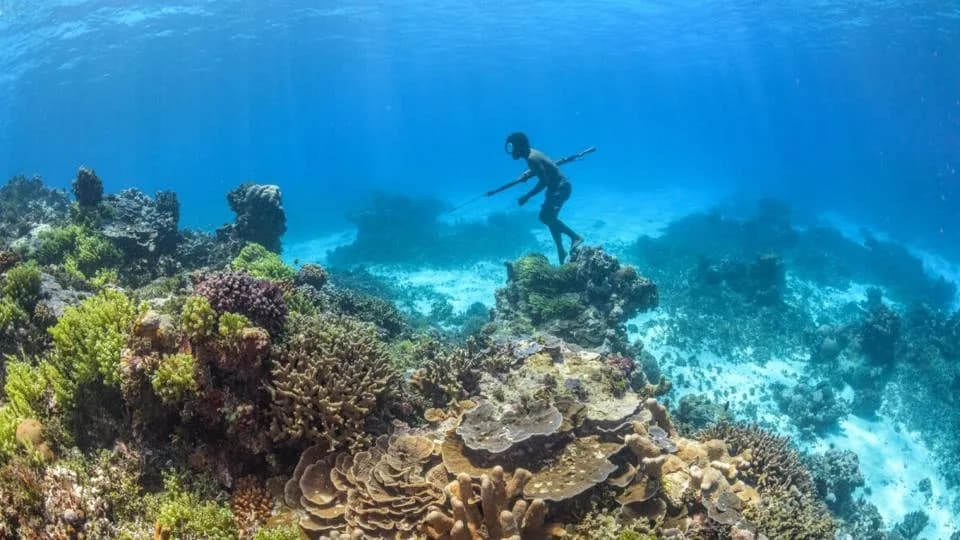
The five reserves together cover 119 square miles (about 308 km²), roughly 0.01% of New Zealand’s waters. DOC says the new protections raise the share of the country’s waters that are highly protected to 0.46%, while 20.38% now have some form of protection. Habitats included in the reserves range from kelp forests and rocky reefs to tidal lagoons and offshore canyons.
Co-Management: What Makes This Different
Reporting by Mongabay notes these sites are the first in New Zealand to formalize joint governance between an Indigenous group and the government, with shared authority over management and a co-run ranger team. The arrangement follows the collapse of the 2015 Kermadec Ocean Sanctuary proposal, which drew criticism for proceeding without adequate Māori consultation and for clashing with fishing rights recognized under earlier agreements.
"This is the only example of its type in the country and … could well be quite a good model going forward," said Edward Ellison, a Kāi Tahu leader and one of the network's six governors.
People and Funding
DOC has earmarked about NZ$7 million (roughly US$4 million) to support the network from 2023 to 2027. That funding supports six full-time marine rangers employed through the Kāi Tahu tribal council who work alongside DOC staff. Brendan Flack, a customary fisheries guardian for the Kāi Tahu hapū Kāti Huirapa, leads the ranger team. Their duties include ecological monitoring, restoration projects, public education, surveillance and seaweed research that could generate local income streams.
"The purpose is also to retain memory, location, kōrero associated with these places, and build on that going forward for future generations," Ellison said in an official launch video. "It's a model that helps broker the way forward."
Network Plans and Outstanding Issues
These five reserves are the initial phase of a wider network planned to include six marine reserves in total, five Type 2 mixed-use marine protected areas, and one area explicitly for kelp protection. One proposed reserve, Te Umukōau, remains unresolved after the Otago Rock Lobster Industry Association mounted a legal challenge that prompted a boundary review in December 2025.
Why It Matters
Healthy marine ecosystems help sustain fisheries, cultural practices, research, education and jobs tied to restoration and stewardship. While the five reserves are too small to substantially change New Zealand's global conservation statistics, the co-management model offers a tested approach for reconciling Indigenous rights, local stewardship and scientific goals — an approach that may inform conservation efforts in other island and coastal communities.
Global Parallels
Similar efforts elsewhere tie conservation to local leadership and stewardship. Examples include Dominica’s sperm whale reserve designed to protect habitat and sequester carbon, Native Hawaiian restoration of traditional fishponds on Oʻahu to rebuild food security, and local visitor limits off Zanzibar aimed at protecting reef areas.
Note: This version removes unrelated promotional material and clarifies statutory, geographic and governance details for an English-language audience.
Help us improve.