China’s environment minister Huang Runqiu told a Brussels meeting that multilateral climate action will persist even if individual countries are absent, calling the low-carbon transition "irreversible." He said the war in Iran — which disrupted oil and gas flows — reinforces the strategic need for green energy and energy security. While some countries report rising electric vehicle sales, others have temporarily boosted coal or oil-fired power as they replace lost gas. China remains both the largest CO2 emitter and a global leader in renewables and EV sales.
China: Global Climate Action Is "Irreversible" and Won't Stall If Some Countries Step Back
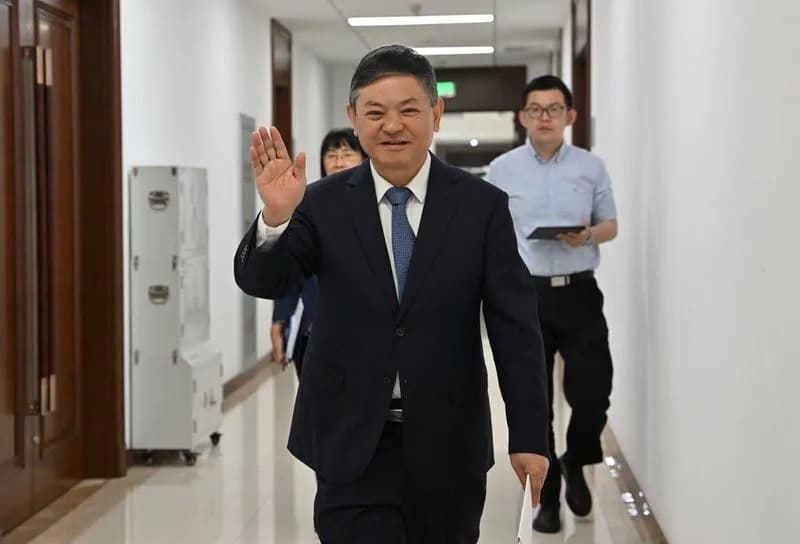
Huang Runqiu, China’s Minister of Ecology and Environment gestures towards the media prior to a meeting at the Ministry of Ecology and Environment office in Beijing on May 30, 2025. ADEK BERRY/Pool via REUTERS
BRUSSELS, June 22 — China’s environment minister Huang Runqiu told ministers and delegates on Monday that international cooperation to tackle climate change will continue even if some countries are not participating, as governments prepare for this year’s U.N. climate negotiations without the United States.
"The multilateral process will not stop, or even slow down, because of the absence of individual countries," Huang said, calling the global shift to a low-carbon economy "irreversible."
Huang was speaking at a climate cooperation meeting co-hosted by China, the European Union and Canada, held amid growing tensions between Brussels and Beijing over trade and China’s expanding role in global supply chains for clean technologies such as solar panels.
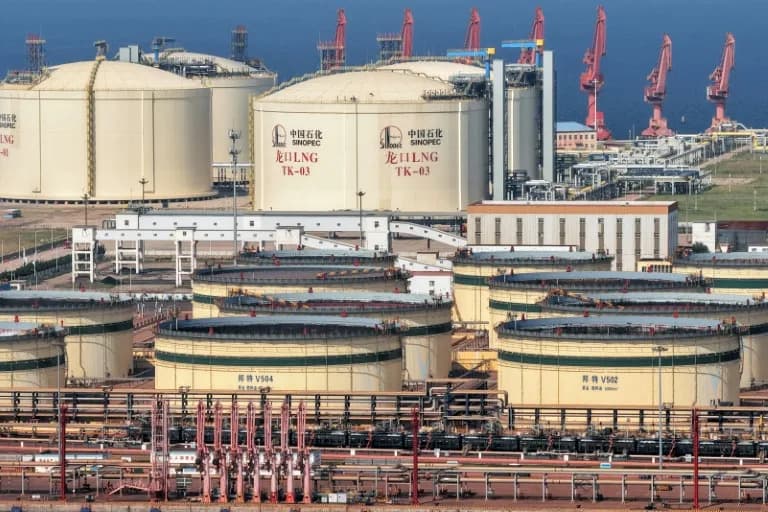
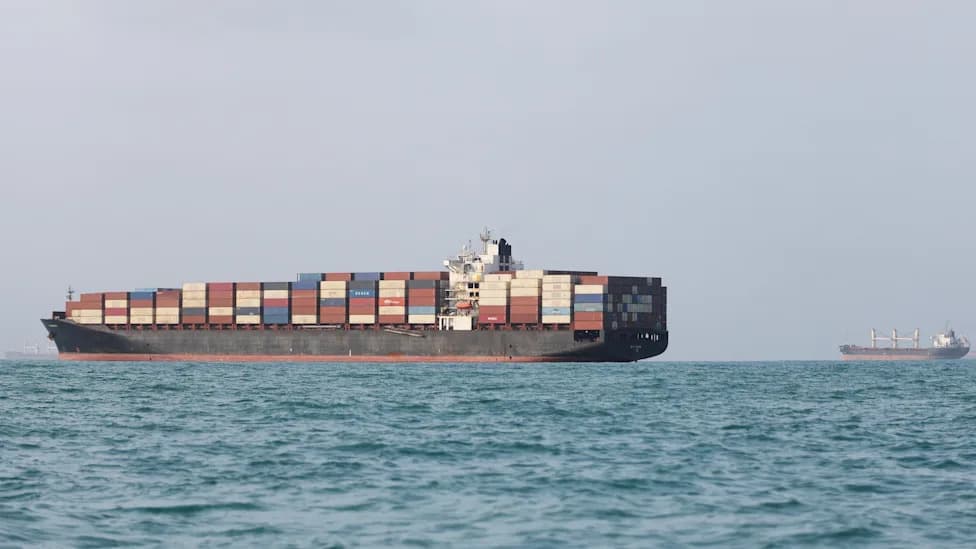
He argued that the war in Iran — and the resulting disruption to global oil and gas supplies — has strengthened the strategic case for accelerating the green transition. "The energy crisis triggered by the war in Iran has made all parties further recognise that green and low-carbon development... helps coordinate energy transition and energy security," Huang said. He added that global turbulence tests governments' resolve and policy determination on climate action.
Early signs are mixed: some countries, including Pakistan, have reported surging electric vehicle sales since the U.S.-Israeli conflict with Iran began, while others have temporarily increased coal- or oil-fired power as they scramble to replace Middle Eastern gas supplies.
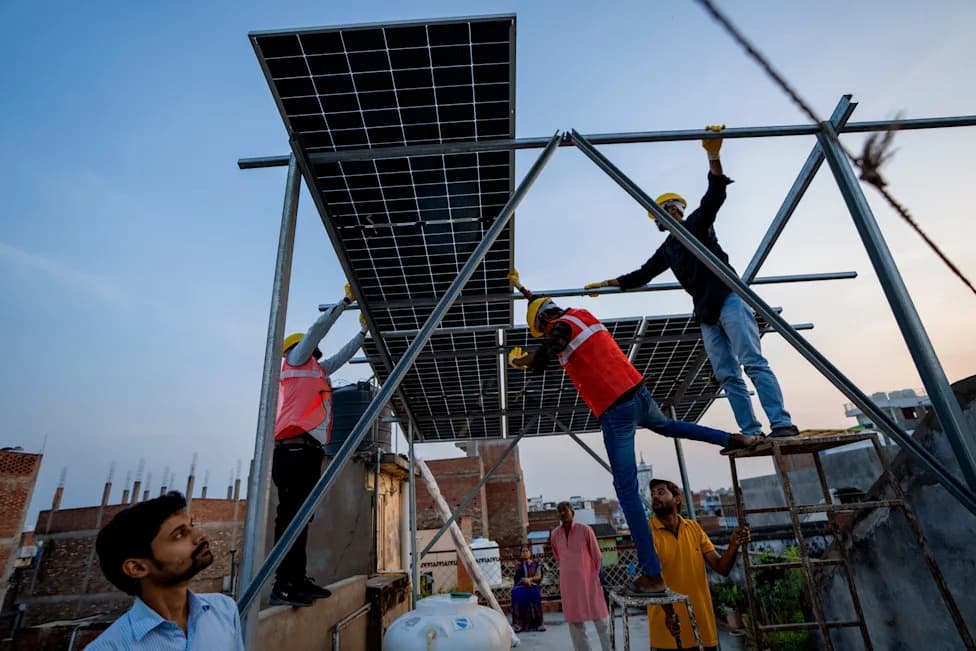
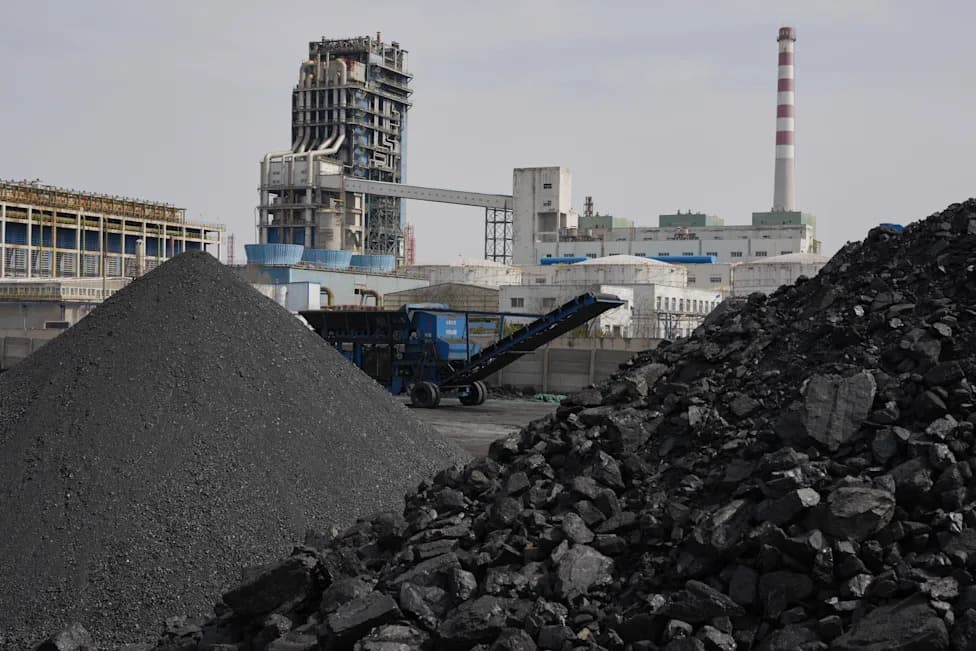
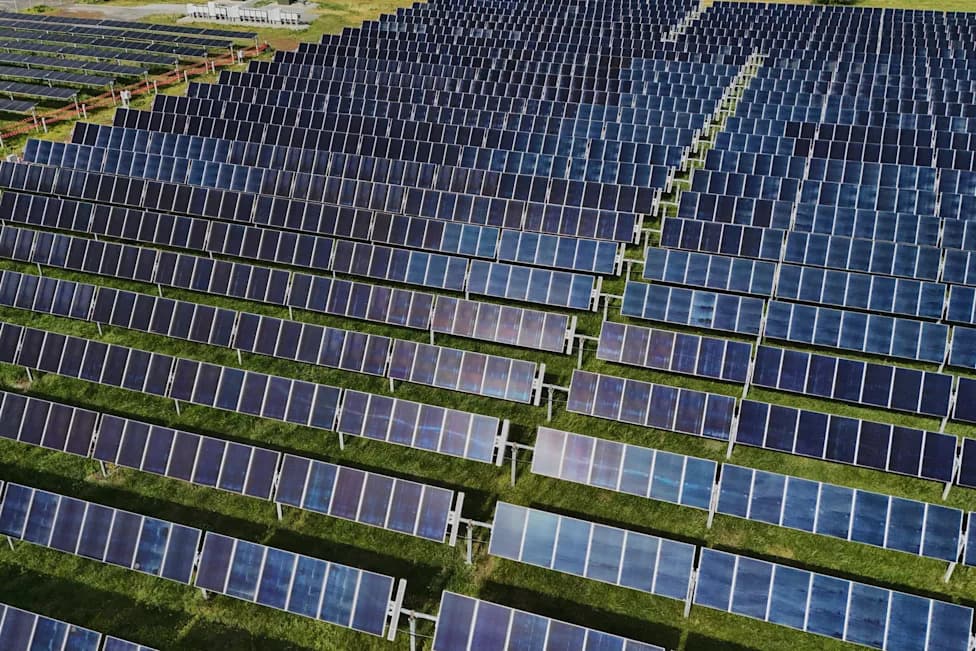
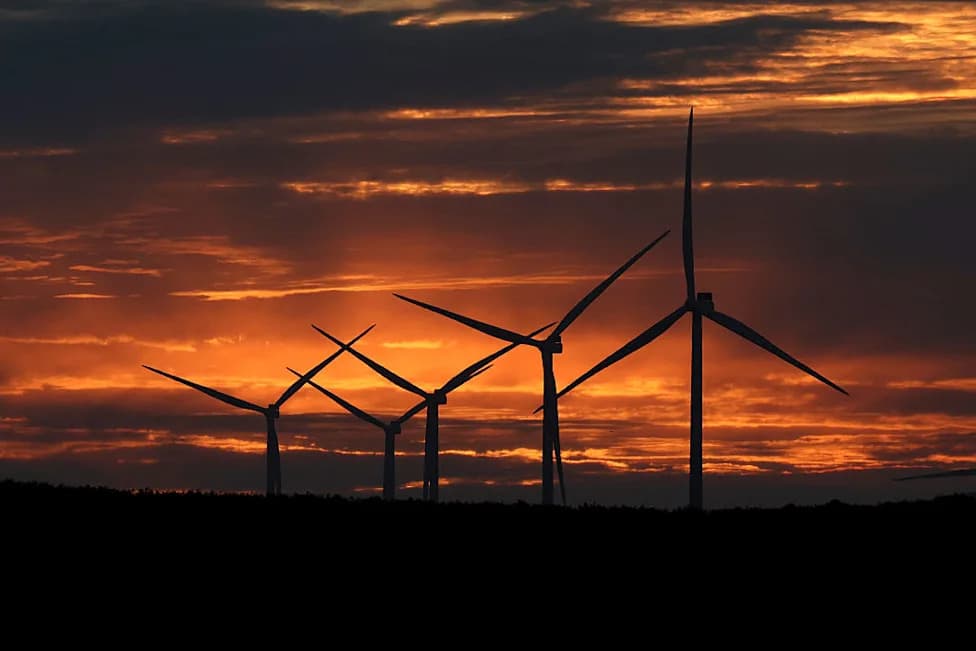
China remains both the world’s largest CO2 emitter and the biggest consumer of coal, but it also leads global deployment of renewable energy and electric vehicle sales, outpacing other major economies on both fronts.
Implications
Huang's remarks underscore a broader message: even with geopolitical tensions and some countries stepping back from multilateral agreements, momentum for decarbonisation is likely to continue — driven by energy security concerns, industrial investment in clean tech, and market forces that favour renewables and electrification.
Help us improve.