China has canceled roughly 67% of the overseas coal projects it planned in 2021—about 61.5 GW—avoiding an estimated 6.4 billion tons of CO2 over project lifetimes. However, regulatory gaps let private Chinese companies still finance coal abroad, including "captive" plants serving heavy industry. Indonesia leads continued planned China-backed coal capacity (17.1 GW), while energy shocks from the Russia–Ukraine and Iran conflicts have pushed some Southeast Asian countries to increase coal use in the short term.
China Largely Honors 2021 Pledge to End Overseas Coal Financing — Loopholes Let Coal Persist
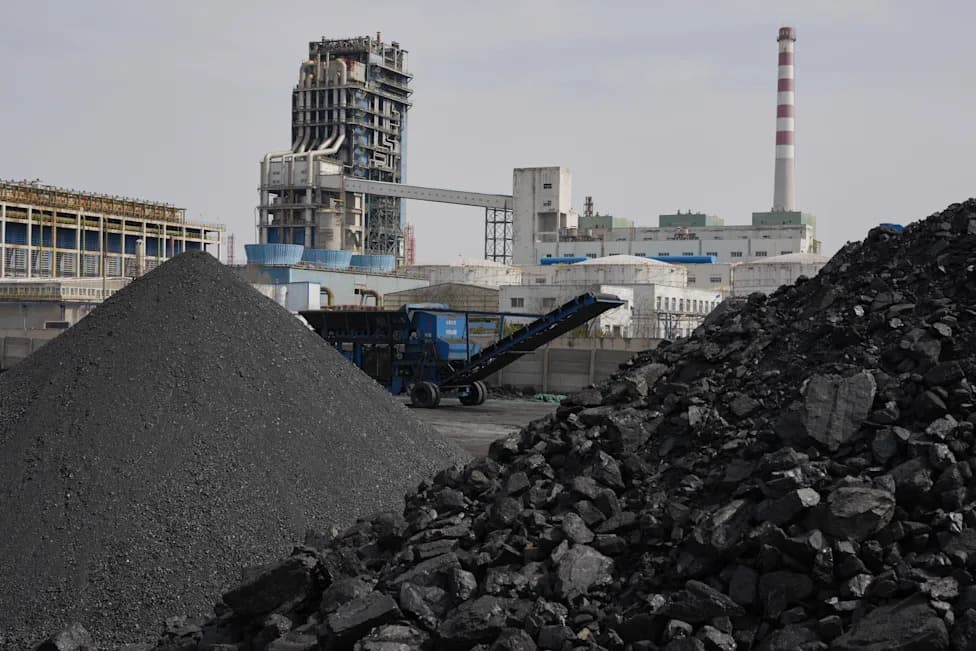
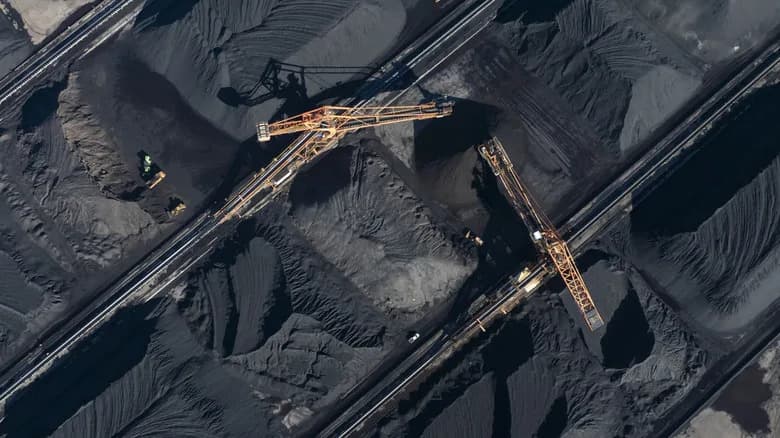
FILE - Piles of coal sit near a chemical plant in Datong, China, March 14, 2026. (AP Photo/Ng Han Guan, File)(AP Photo/Ng Han Guan)
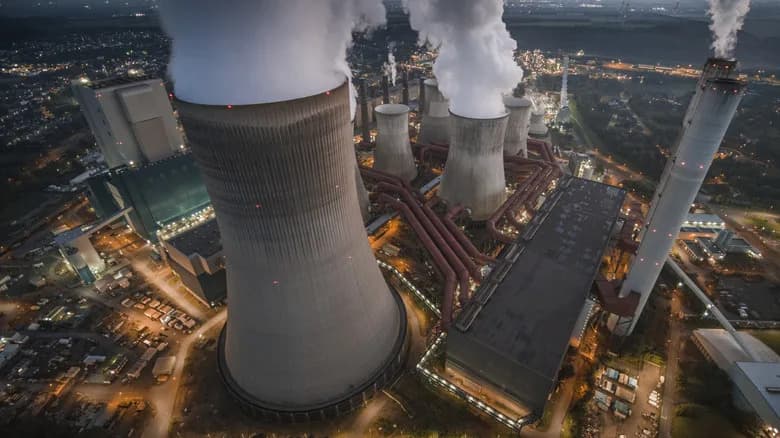
When Chinese President Xi Jinping pledged at the U.N. General Assembly in 2021 that China would stop funding coal-fired power plants abroad, the announcement was hailed as a major step for international climate action. Five years on, new analysis shows China has canceled most of the projects it backed in 2021, but regulatory gaps and commercial deals have allowed coal investment to continue in certain forms—especially across Southeast Asia.
What China Has Canceled
According to a report from the Centre for Research on Energy and Clean Air (CREA) and People of Asia for Climate Solutions (PACS), China has canceled about 67% of the overseas coal power capacity it planned in 2021—roughly 61.5 gigawatts of projects. The report estimates those cancellations avoided about 6.4 billion tons of lifetime CO2 emissions.
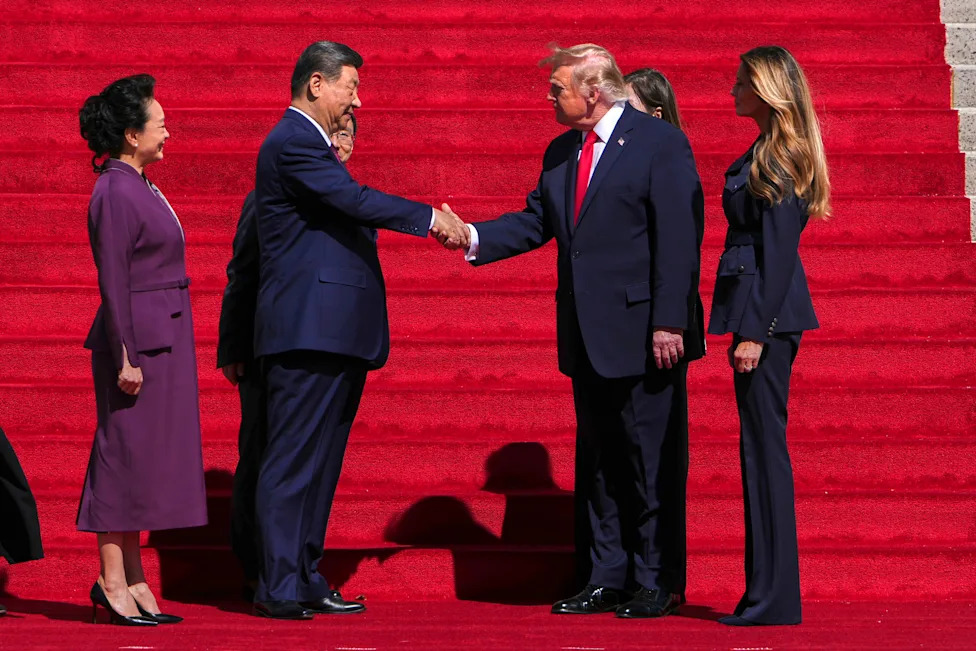
President Donald Trump, center right, shakes the hand of China's President Xi Jinping as first lady Melania Trump, right, and China's first lady Peng Liyuan, left, watch as they arrive at the National Archives Museum, Friday, Sept. 25, 2026, in Washington. (AP Photo/Julia Demaree Nikhinson)(AP Photo/Julia Demaree Nikhinson)
Loopholes and "Captive Coal"
Despite this progress, analysts warn that the pledge still allows private Chinese companies to finance projects abroad. That has enabled continued coal expansion via so-called captive coal plants: facilities built specifically to power heavy industry (for example, nickel and aluminum smelters) and not connected to national grids.
“Coal expansion hasn’t stopped because of the nature of the pledge itself, which still allows private Chinese companies to invest overseas,” said Syahdiva Moezbar, an industry analyst at CREA.
Regional Hotspots
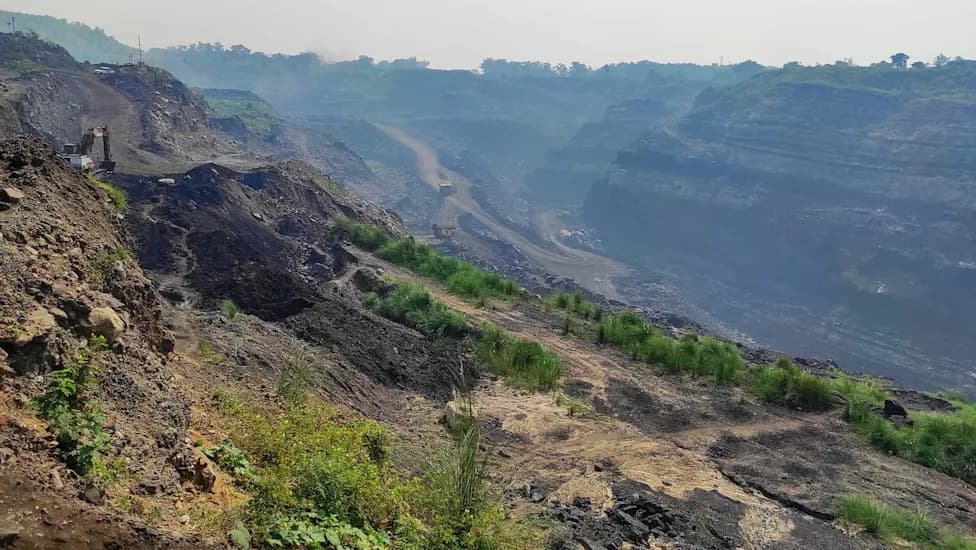
Indonesia is the largest recipient of these continued China-backed coal projects, with 17.1 GW still planned. Vietnam and Pakistan follow with under 4 GW each, the report finds. Energy shocks tied to the Russia–Ukraine and Iran conflicts have intensified pressures for rapid, reliable supplies, prompting several Southeast Asian countries to increase coal generation in the short term.
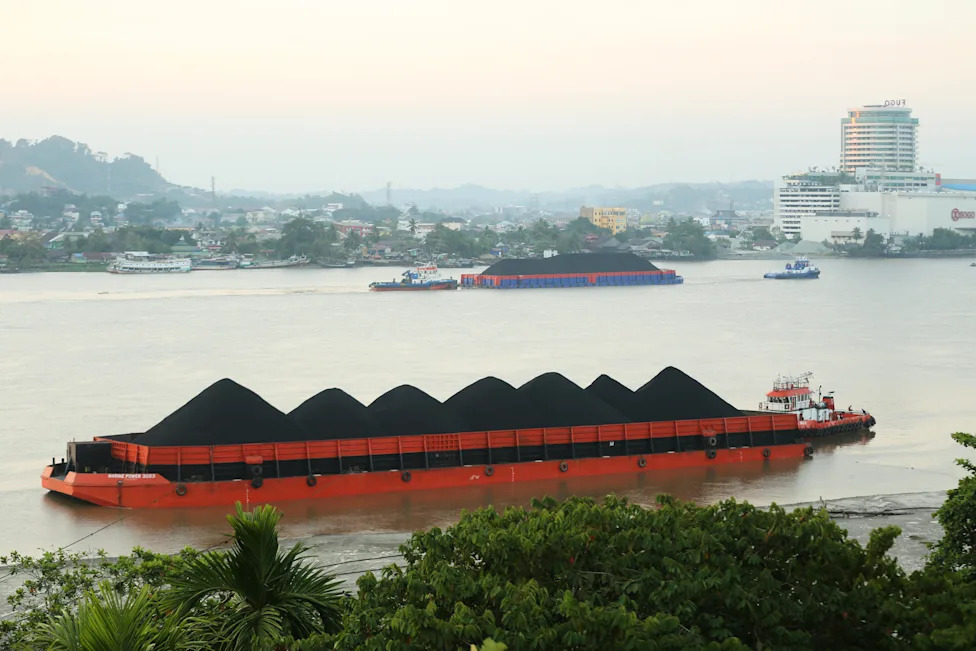
Barges of coal are seen on the Mahakam River in Samarinda, East Kalimantan, Indonesia, on Aug. 19, 2026. (AP Photo/Ahmad Mulia Panjaitan)(AP Photo/Ahmad Mulia Panjaitan)
Why It Matters
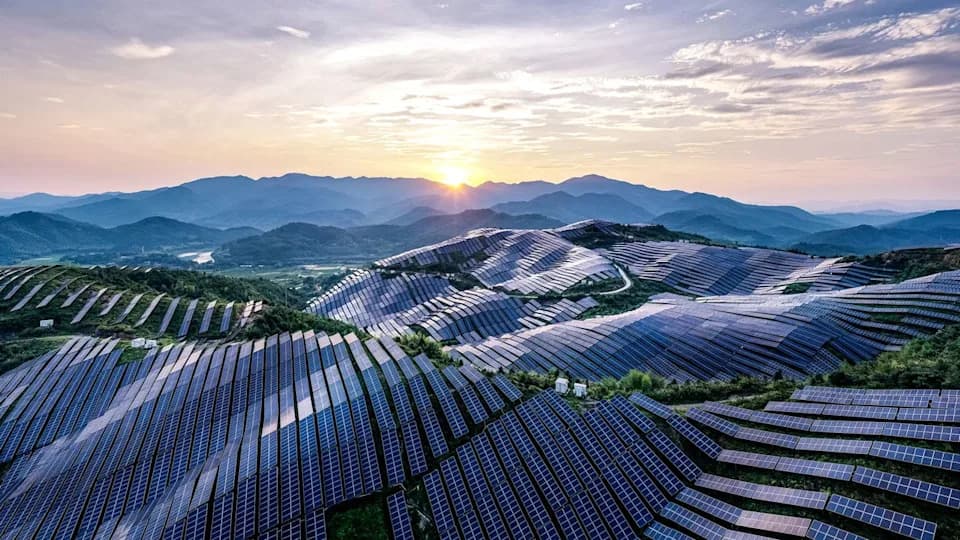
Southeast Asia accounts for a growing share of global energy demand—estimated by the IEA to represent nearly 20% of global energy demand growth through 2035—making the region critical to whether the world can limit warming. At the same time, China remains a global manufacturing powerhouse for electric vehicles and renewable equipment (solar panels and wind turbines), and its international financing choices strongly influence partners across the Global South.
Outlook
Experts say the energy transition is a two-way commitment: both China and recipient countries must prioritize low-carbon alternatives if the coal moratorium is to be meaningful in the long term. While canceling two-thirds of planned overseas coal capacity is a notable achievement, the continued role of private finance and captive coal projects means the story is far from over.
Key Facts: 67% of planned overseas coal capacity canceled (61.5 GW); ~6.4 billion tons CO2 avoided in lifetime emissions estimates; Indonesia leads continued planned capacity with 17.1 GW.
The Associated Press supported original coverage of this topic; the improved text above synthesizes findings from CREA and PACS and includes context on regional energy trends and policy implications.
Help us improve.