New York Climate Week returned with strong corporate attendance and spirited debate, shifting from slogan-driven rhetoric to concrete concerns like AI-driven electricity demand, geopolitical shocks to energy markets, and the economic toll of storms and wildfires. Protesters demanded faster action, even as European participation waned in favor of regional events such as London Climate Action Week. The conversation is increasingly framed around energy security, affordability and competitiveness—a pragmatic reframing that could accelerate emissions-reduction in practice, or risk obscuring the deeper policy choices needed.
Why Climate Talks Aren't Going Away — How New York Climate Week Rebounded and Shifted Focus
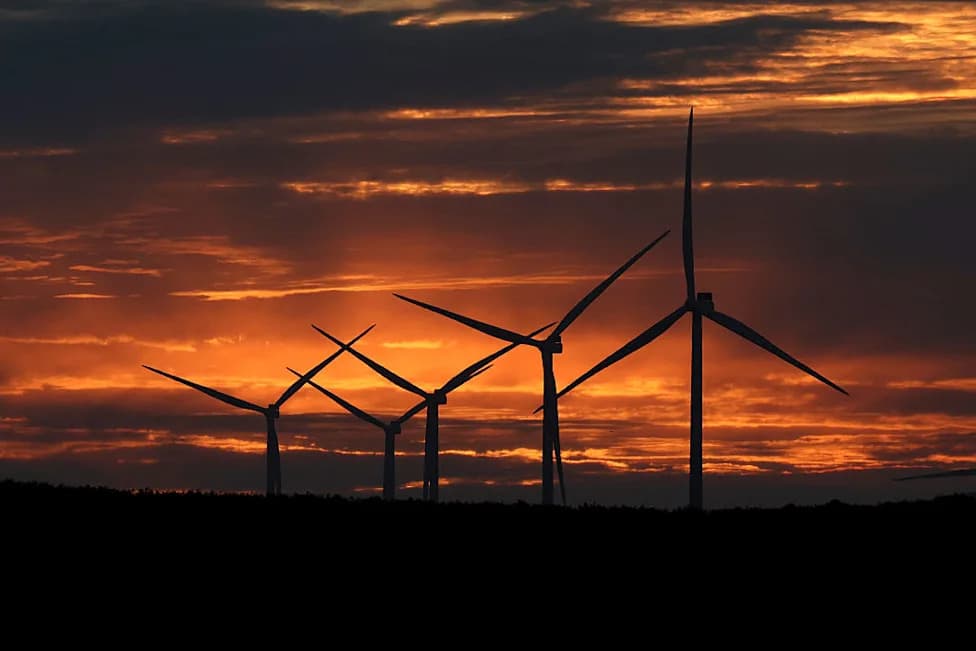
The sun sets behind wind turbines at the Yambuk Wind Farm near Port Fairy in the southern Australian state of Victoria on September 23. —Martin KEEP/AFP—Getty Images
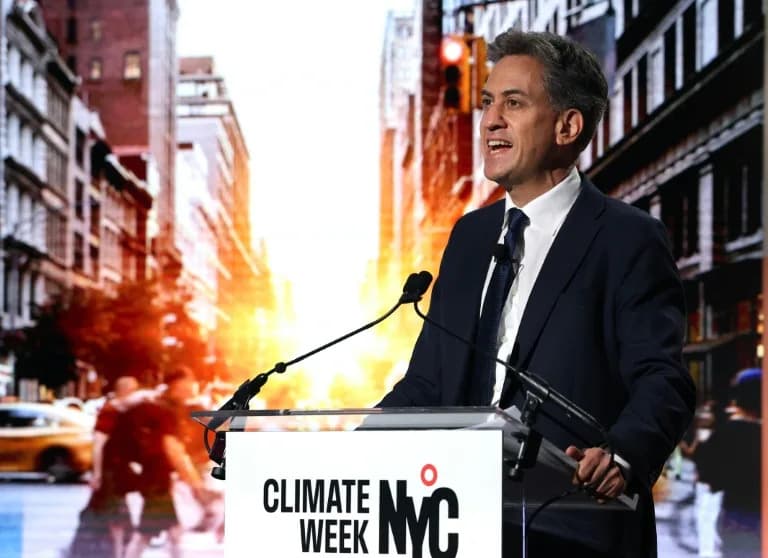
For a second year running, New York Climate Week proved resilient: corporate leaders, advocates and campaigners returned in force, even as the public rhetoric around climate policy shifted. Sessions moved beyond slogan-driven rhetoric to practical discussions about energy markets, technology and the economic impacts of extreme weather.
Executives from some of the world’s largest companies circulated between panels on topics such as AI-driven electricity demand, geopolitical disruptions to energy supply, and the evolving landscape of energy and climate policy. Demonstrators also turned out in force—at times interrupting sessions—to press for faster action, underscoring the tension between institutional engagement and grassroots impatience.
Step back from the flurry of events and a clear picture emerges: the climate agenda remains central to business and economic planning. While anticipated Democratic gains in U.S. midterms softened fears of punitive political backlash for engaging on climate, there is a simpler reason for sustained attention: climate change and energy issues are now material to company operations and to national economies.
Conversations at the week repeatedly returned to market volatility tied to geopolitical tensions in the Middle East, including incidents involving Iran, and the political backlash against large power users such as data centers. New energy technologies and grid planning to manage rising electricity demand—especially demand driven by artificial intelligence and data infrastructure—featured prominently as companies seek to balance reliability, cost and sustainability.
“People are now looking at the things that cause volatility, and they're putting it together,” Sarah Kapnick, head of climate advisory at JPMorgan, said on a Climate Week panel. “They're putting geopolitics together with sustainability, climate, and AI.”
That apparent vitality has limits. Several European climate leaders told me that while U.S. participation is strong, attendance by senior European figures has declined as many opt for London Climate Action Week and other regional events. Organizers in New York felt the loss of those transatlantic voices at some sessions.
Language has shifted too. Terms such as energy security, affordability and competitiveness rose to the top of discussions, while earlier Climate Week buzzwords—net zero, climate action and emissions—appeared less often on stage. That reframing can be read two ways: as a pragmatic, business-friendly approach that advances emissions reductions through economic incentives, or as a retreat from the moral and systemic urgency that defined earlier debates.
Which interpretation prevails matters. Cutting emissions while sustaining growth would be a positive outcome even when the language of climate takes a back seat. But a conversation that consistently avoids confronting root causes risks leaving critical policy choices unaddressed. For decades policymakers and businesses have lived with a metaphorical ticking time bomb of climate risk; the question now is how society responds—through adaptation, systemic emissions reductions, or other pathways—and whether that response will be timely, equitable and effective.
Help us improve.