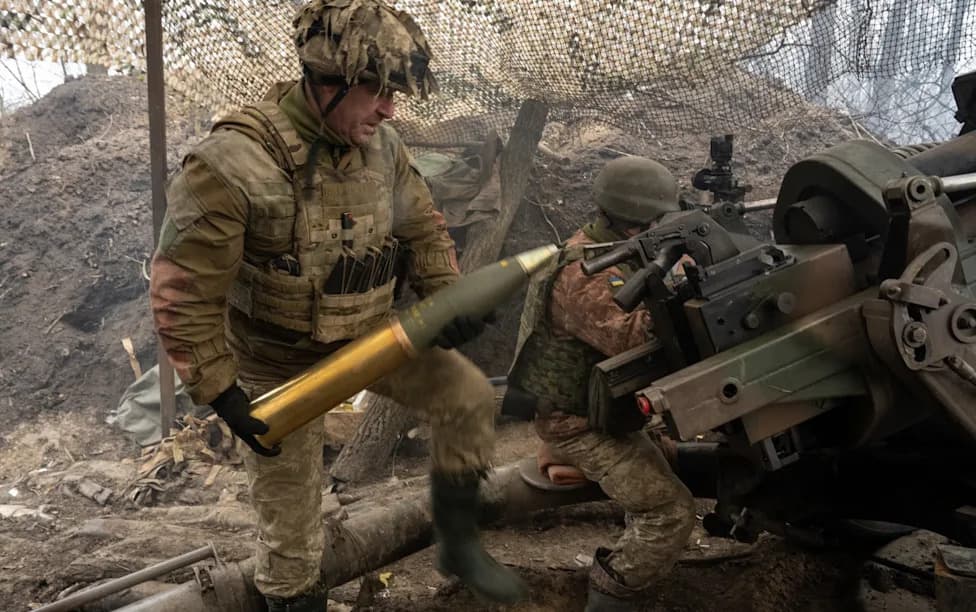
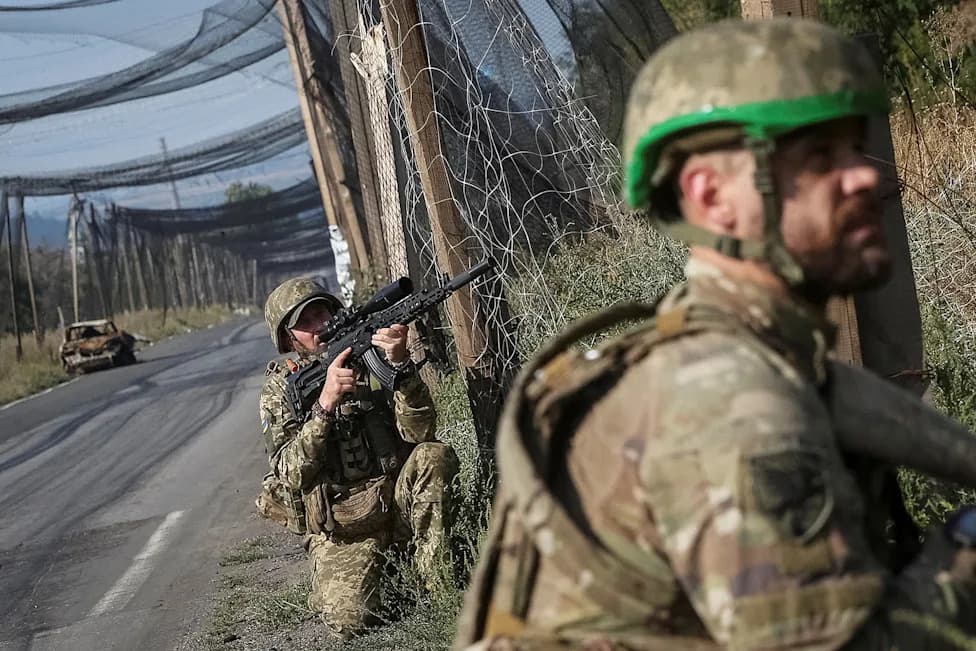
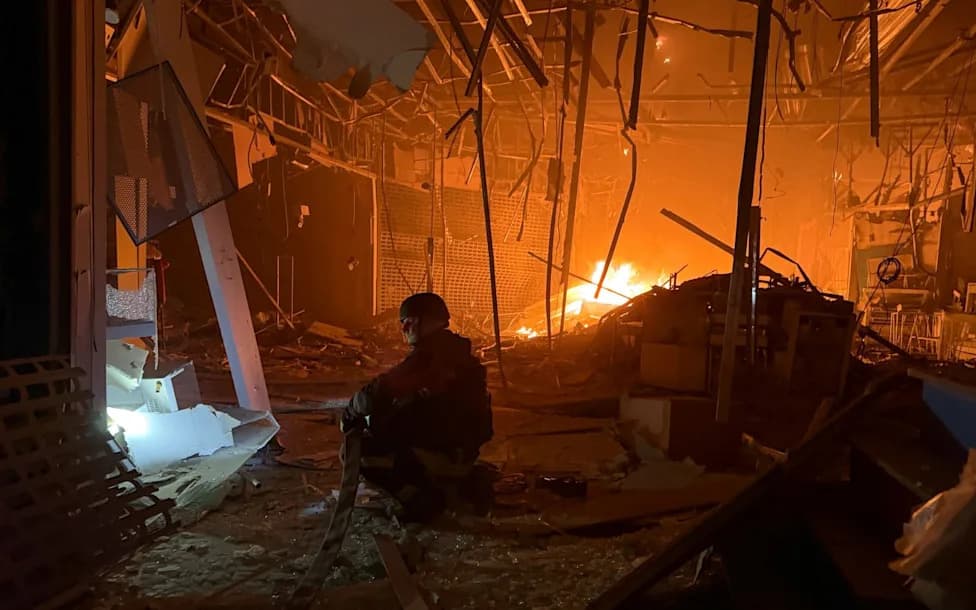
The conflict in Ukraine blends long‑standing truths of attritional warfare with rapid technological innovation. Tanks remain relevant, but their role is shifting toward acting as network nodes, electronic‑warfare platforms and mobile drone hubs. Logistics, combined arms and human decision‑making still determine success, and Britain must move from sound ideas to funded implementation across services.
Tomorrow’s Tanks: Network Nodes, Electronic‑Warfare Platforms and Drone Bases
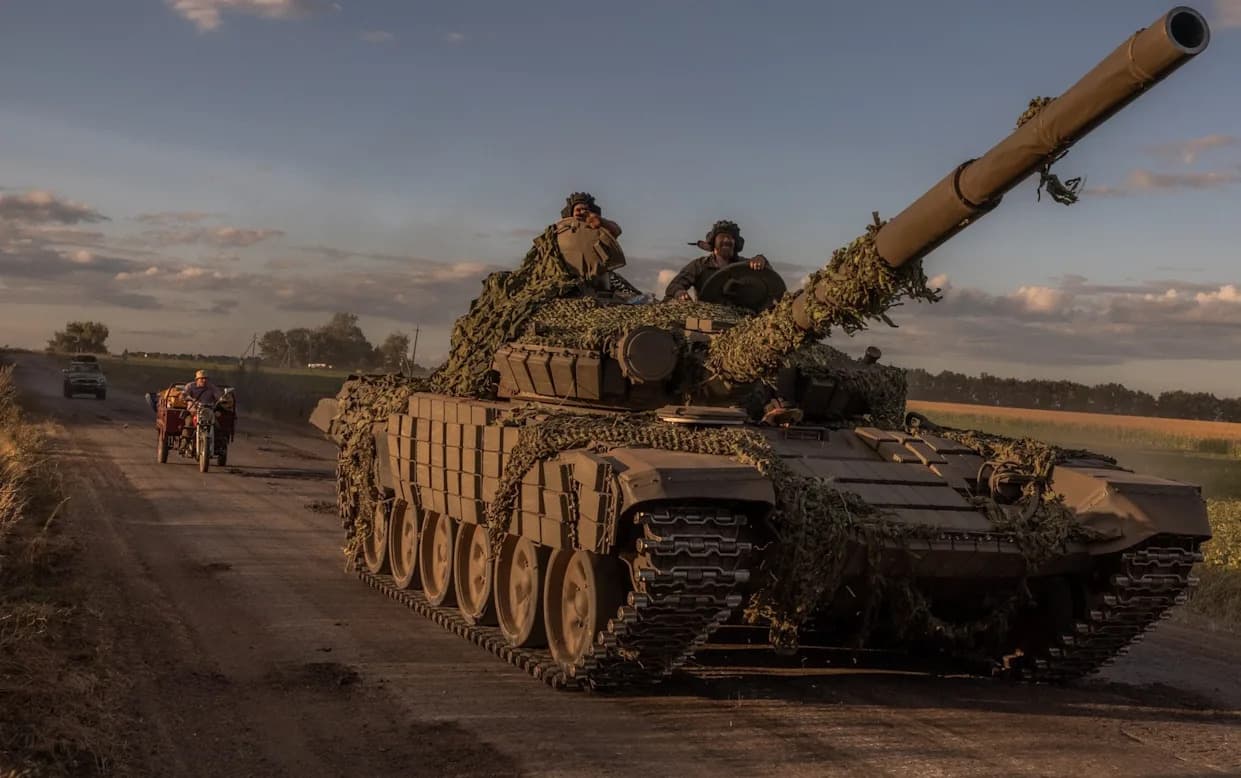
Military success is not solely a matter of mass and technology – it’s also about how capability is employed - Roman Pilipey/AFP
The war in Ukraine has now lasted longer than the First World War. As Britain seeks to build a modern fighting force amid tight budgets and competing priorities, it is essential to draw the right lessons from Ukraine without discarding hard‑won experience from the Somme, Passchendaele and the Donbas front.
Enduring Principles, New Realities
Certain fundamentals of warfare remain unchanged. Much of the fighting in Ukraine often resembles the attritional trench battles of 1916–17 more than the rapid, armoured manoeuvres of the 1991 Gulf War. Yet history also shows moments for decisive action still occur: the surprise achieved at Cambrai in 1917 has echoes in the Ukrainian armoured thrusts — most notably the summer 2024 counter‑offensive toward Kursk — where momentum, surprise and initiative produced important effects before stalling for similar reasons: overstretched logistics and insufficient combined‑arms support.
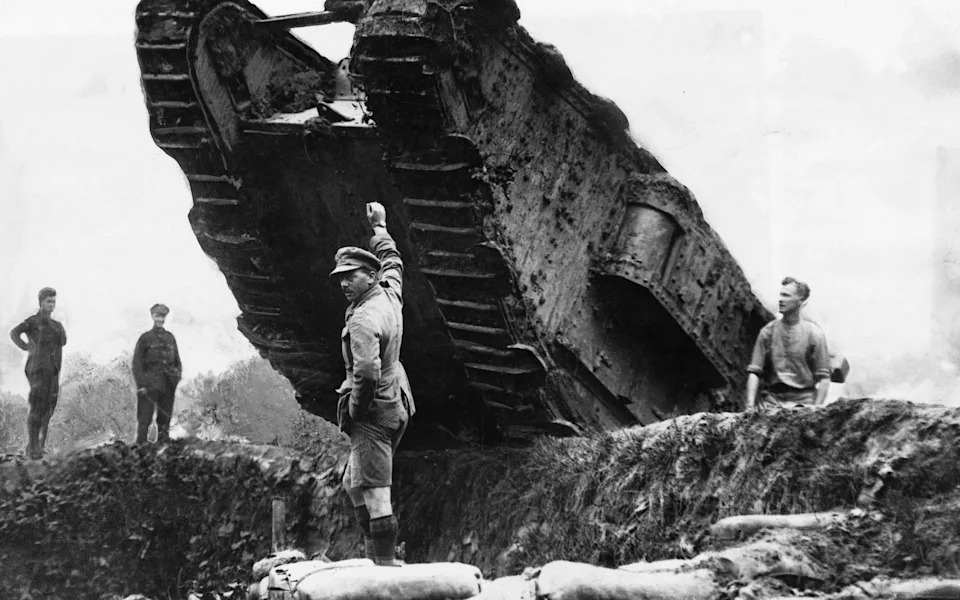
Soldiers manoeuvre a tank over a trench during the Battle of Cambrai - George Rinhart/Corbis
Practical Innovation: Old Fixes, New Threats
The threats faced by tank crews reveal striking parallels across a century. In World War I, British crews used improvised wire cages to defeat grenades thrown onto thin top armour. Today, Ukrainian crews confront low‑cost FPV drones used to drop munitions or make kamikaze attacks; their solution has been remarkably similar — steel cages and protective fittings that translate a century‑old principle to a new technological threat.
The Tank’s Evolving Role
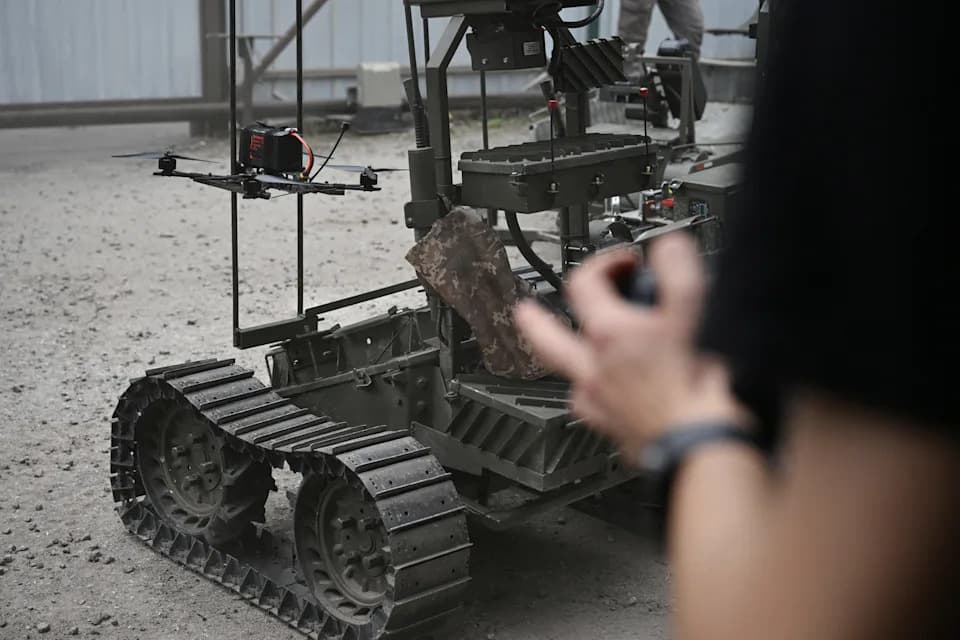
Despite frequent predictions of its demise, the main battle tank remains relevant. Its combination of firepower, protection and mobility is still unmatched in many contexts. Increasingly, tanks can generate large amounts of electrical power, making them valuable as network nodes, electronic‑warfare platforms and mobile bases to recharge and sustain unmanned systems.
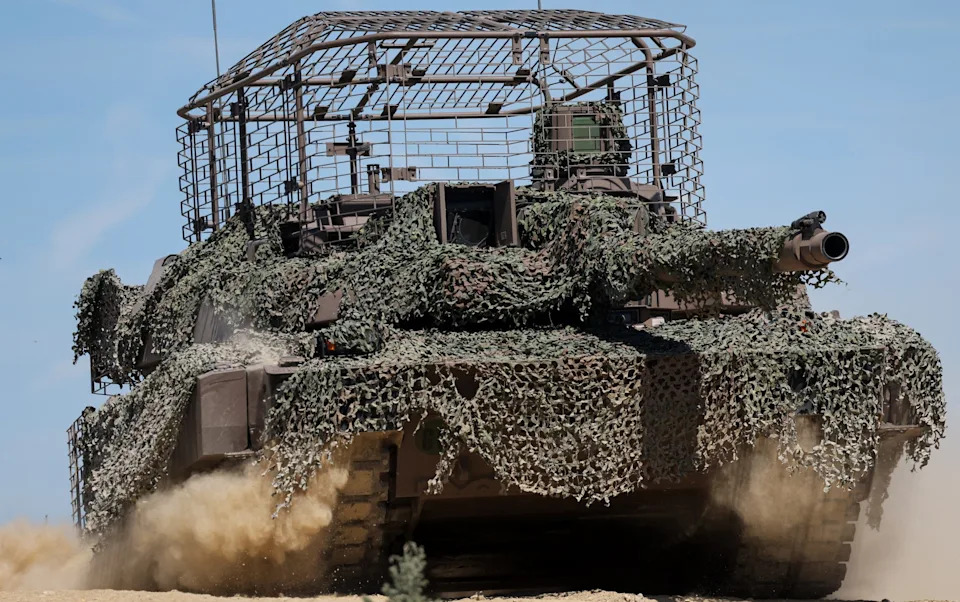
Ukrainian tanks and other armoured vehicles have had heavy metal cages welded to their chassis to add additional protection from drones - Kenzo Tribouillard/AFP
For more than a century tanks have adapted to new threats; Ukraine is no exception. As counter‑drone technologies improve and tactics evolve, tanks are manoeuvring again in parts of the Donbas. Israel’s continued effective use of tanks — together with advanced active protection and electronic‑warfare capabilities — underlines that reports of the tank’s death are greatly exaggerated.
What The Future Likely Holds
- Few analysts expect future battlefields to be dominated by thousands of heavy, crewed tanks. Platforms such as Challenger 3 may represent the last generation of the classic main battle tank.
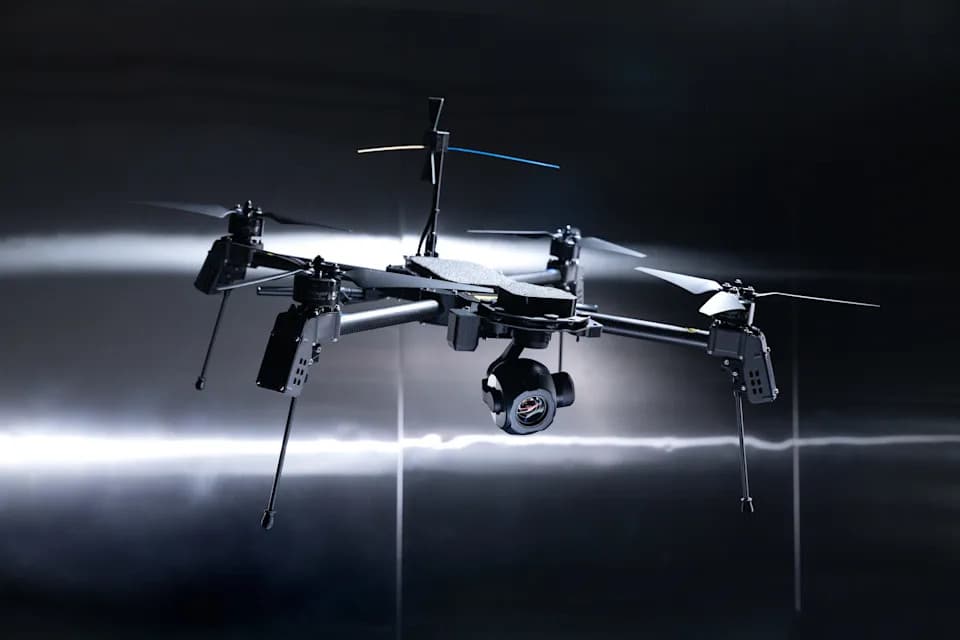
- The emerging model pairs a small number of crewed platforms with larger numbers of unmanned systems, many increasingly capable of autonomous operation.
- Artificial intelligence will augment targeting and lower‑level decisions, but human commanders are likely to remain inside the decision loop for the foreseeable future.
- Territory is still held by forces physically present on the ground; until autonomous systems can fully replace infantry — a distant prospect — soldiers remain essential.
Strategic Implications For Britain
The Strategic Defence Review’s emphasis on drones, autonomous systems and a Recce‑Strike model aligns with lessons from Ukraine: reconnaissance, rapid targeting and precision fires are decisive. Mission Command — empowering junior leaders to exploit fleeting opportunities — also reflects a principle proven in modern combat.
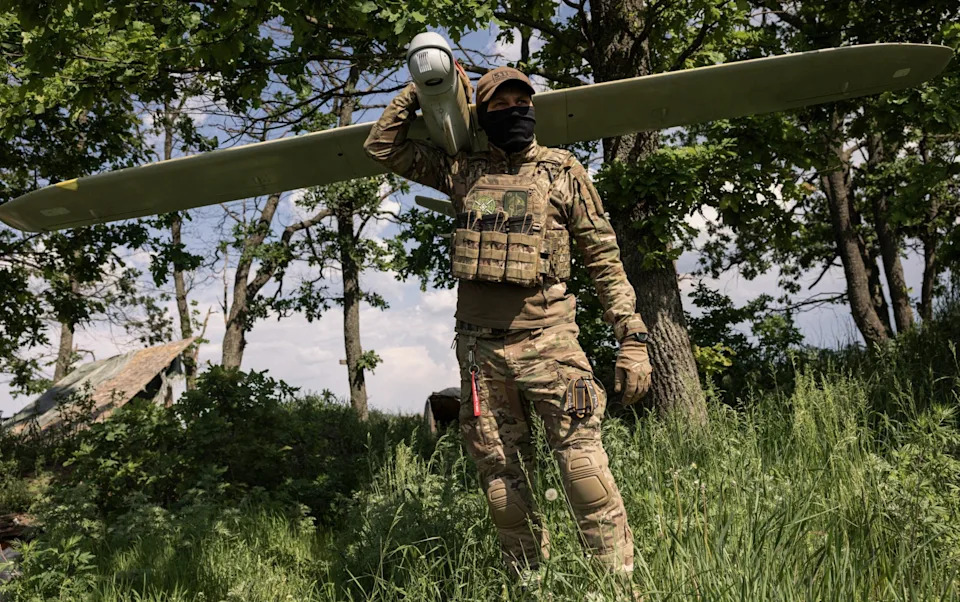
Up to 80 per cent of future battlefield lethality may come from drones and autonomous systems - Diego Fedele/Getty Images
However, correct ideas on paper must be matched by funding, implementation and cross‑domain integration. Politicians must provide the resources to deliver the Review, and the Armed Forces must work collectively across land, sea, air, cyber and space to sustain a credible conventional deterrent.
The threats facing Britain are evolving fast — our response must evolve faster.
Authors: James Holland is a historian, and Hamish de Bretton‑Gordon is a former tank commander. They discuss the past and future of tank warfare at the Chalke History Festival on Thursday 25 June 2026.
Help us improve.