Former Google CEO Eric Schmidt warns that rapid advances in drones, AI and propulsion are making Ukraine's battlefields far more dangerous. He says Russia has narrowed Ukraine's early innovation advantage and that jet-powered Shahed drones — now capable of far higher speeds — challenge existing interceptors. Schmidt predicts AI-directed swarms will change tactics and urges Western nations to capture battlefield lessons and provide funding and technology to help Ukraine hold its ground.
Eric Schmidt Warns Drone, AI Advances Could Make Ukraine War 'Much Worse'
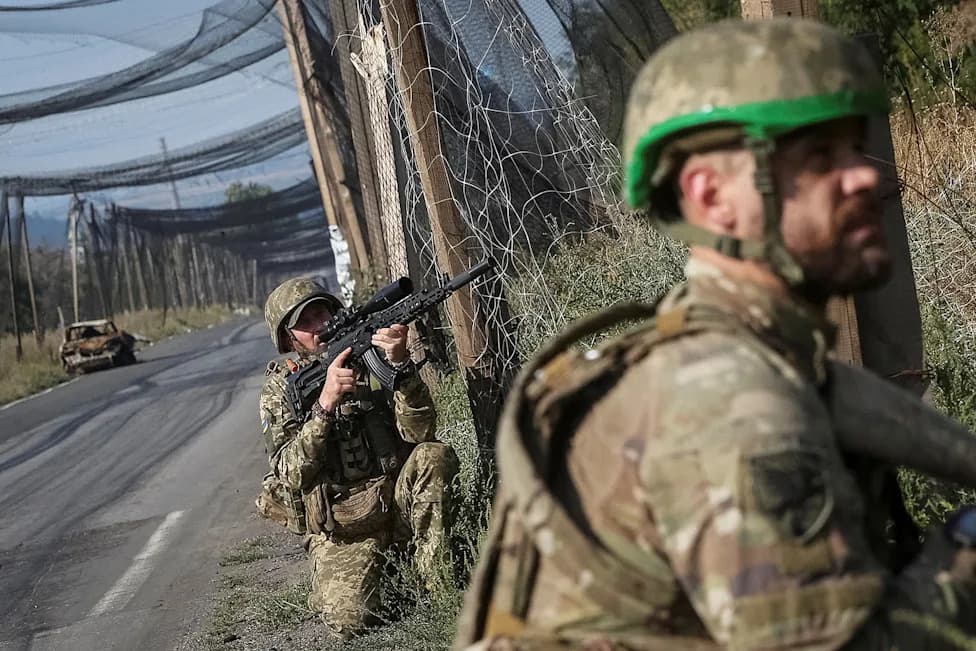
Ukrainian soldiers patrol beneath anti-drone nets in the eastern front-line city of Kramatorsk on Friday. (Anatolii Stepanov / Reuters)
Former Google CEO Eric Schmidt, now CEO and executive chairman of Relativity Space, warns that rapid advances in drones, artificial intelligence and propulsion technology are transforming Ukraine's battlefields into ever more dangerous "kill zones," where stepping outside cover can be deadly within minutes.
"The rate of innovation is faster than I've ever seen, and I work in tech," Schmidt told NBC News' Richard Engel.
Schmidt — who previously chaired the U.S. National Security Commission on Artificial Intelligence and has advised the Pentagon — said the speed at which new weapons and countermeasures are developed and scaled will shape the outcome of the conflict. "Whoever plays the game of fastest innovation to scale will win this war," he said.
How the Battlefield Is Changing
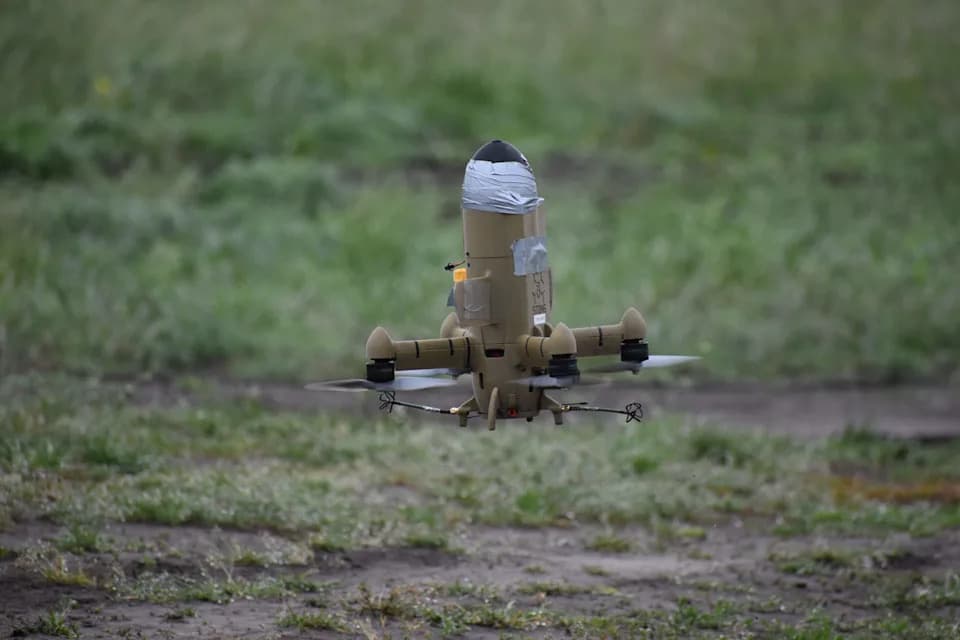
The war in Ukraine has become a live testing ground for drone warfare. Small, agile first-person-view (FPV) drones are being used like bullets to target exposed troops, while larger attack drones and glide bombs threaten forces sheltering in place. Towns use anti-drone netting, and strikes now reach deep into enemy-held territory.
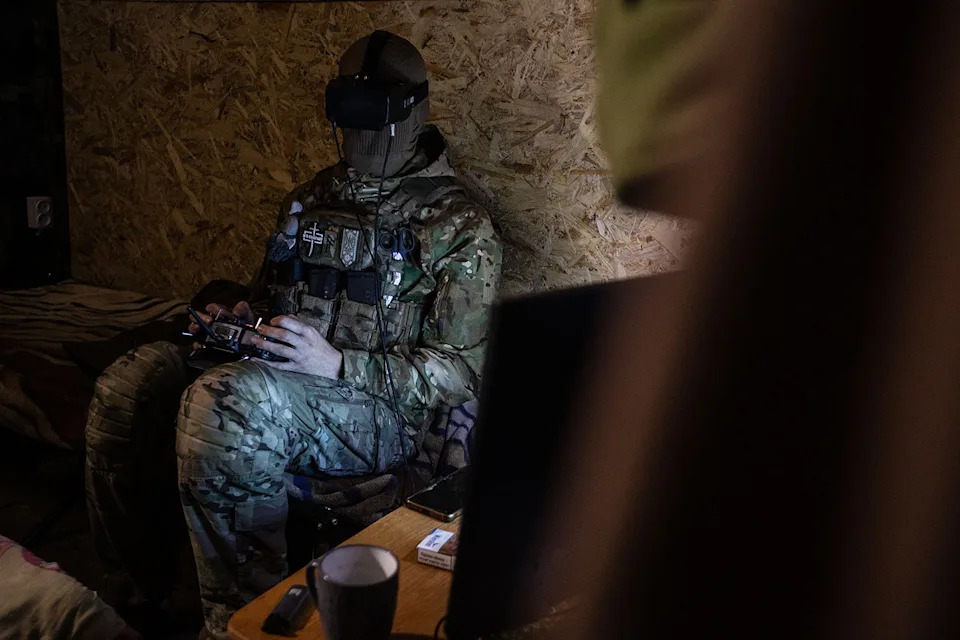
A Ukrainian soldier operates a first-person drone from a bunker in Druzhkivka, in the east of the country in July. (Francisco Richart Barbeira / NurPhoto via Getty Images)
Schmidt warned that Russia has closed some of Ukraine's early advantages. Where Kyiv was once seen as a nimble innovator and Moscow as slower-moving, Moscow has improved its capacity to develop and deploy new systems quickly.
Jet-Powered Shaheds and Interception Challenges
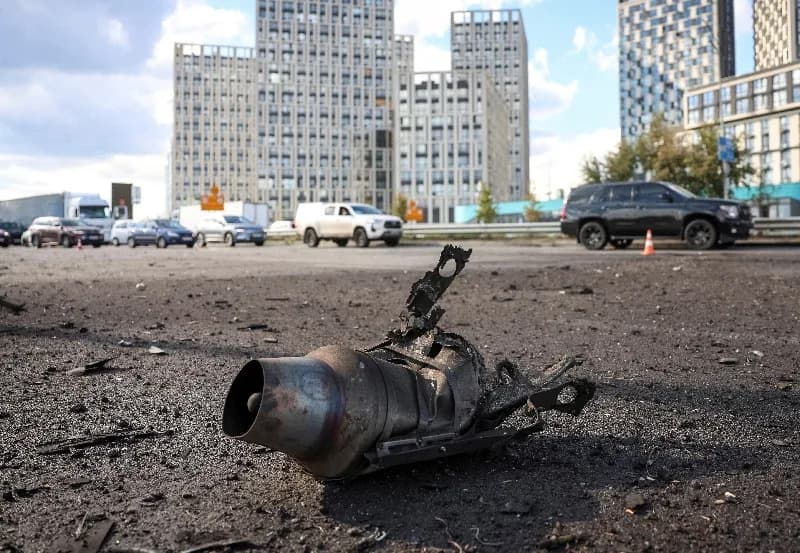
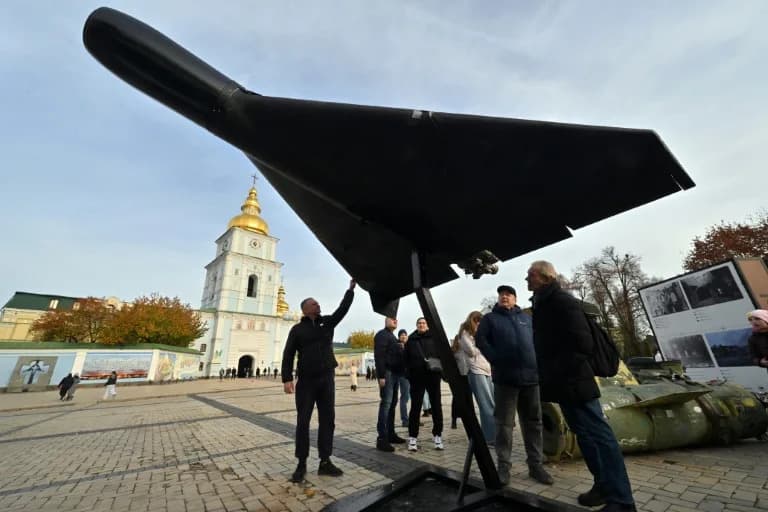
One concrete shift Schmidt highlighted is the modification of Iranian-designed Shahed attack drones with inexpensive small Chinese jet engines, which dramatically increase their speed. According to the Open Source Munitions Portal, jet-powered variants can cruise at more than 300 miles per hour, versus roughly 110 mph for earlier propeller-driven versions. That speed narrows the window for interception and forces defenders to adapt their countermeasures.
"So how do you intercept a faster drone? Well, you have to add your own jet engine to the anti-drone," Schmidt said, noting that Ukrainian teams successfully countered earlier Shaheds but are now scrambling to match the newer, faster versions.

Former Google CEO Eric Schmidt in Miami last year. (Eva Marie Uzcategui/ / Bloomberg via Getty Images)
AI, Drone Swarms and the Future of Combat
"Humans can't run a swarm of 1,000 drones, but a computer can," Schmidt said. "So what I think will happen is computers will develop war plans within a swarm."
Schmidt predicts artificial intelligence will increasingly coordinate drone swarms, using combat outcomes to refine tactics and improve effectiveness. That shift raises both strategic and ethical questions about autonomy, escalation and battlefield risk.
Human Cost and Policy Implications
The human toll remains severe and the figures vary by source. Ukraine's Defense Ministry estimated roughly 42,020 Russian troops were killed or wounded in August, while a recent statement by Britain's military leadership suggested much larger cumulative Russian casualties. Such numbers are difficult to verify independently and should be treated as estimates amid the fog of war.
Schmidt urged Western governments to capture lessons from Ukraine's battlefield experience and to provide technology and funding to help Kyiv adapt. He warned the conflict could escalate into "total war" if both sides treat broad infrastructure and assets as military targets, and said powerful computer systems might also create deterrence by making outcomes unpredictable.
"They need Western help," he said. "In particular, they need some money, and they need technological help in order to counter this set of waves coming. If that help comes, I think Ukraine can hold."
Note: Some casualty and technical figures cited in this article come from government statements and open-source trackers; these sources may differ and numbers are difficult to verify independently.
Help us improve.