British volunteers in Zaporizhzhia warn that swarms of armed FPV drones and new aerial systems have made the frontlines — and rear areas — more dangerous than large pitched battles like Bakhmut. Volunteers report sustained attacks, novel drone types ("mother", minelaying and ambush drones), and strikes on civilian infrastructure. Their experience offers stark lessons for Western militaries about the growing centrality of drone warfare.
Drone Swarms Make Zaporizhzhia Worse Than Bakhmut, Say British Volunteers
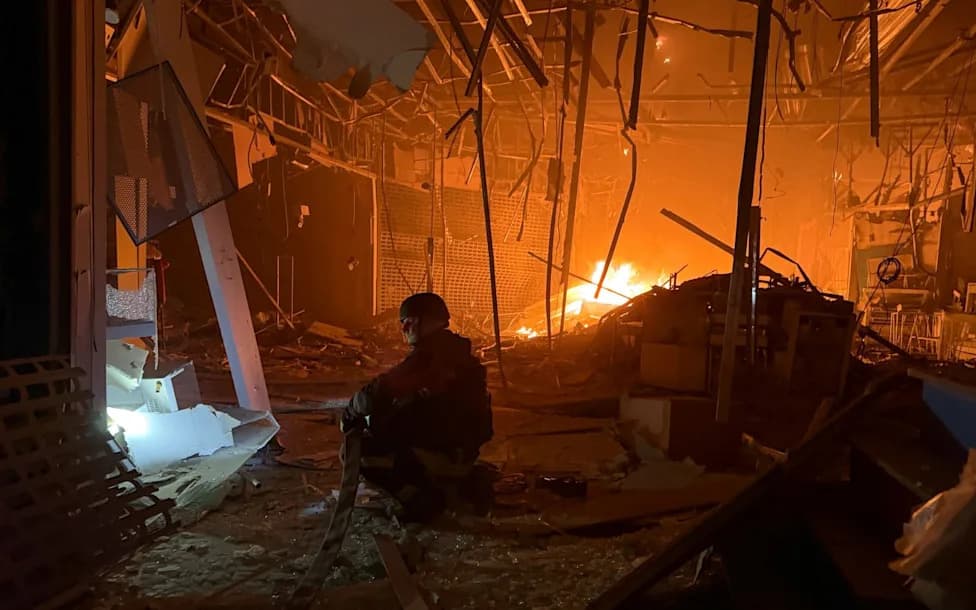
A Ukrainian rescue worker crouches in a damaged shopping mall after a Russian air attack in Zaporizhzhia - AFP/Darya Nazarova
After nearly four years fighting in Ukraine, British volunteer James Fensom says the conflict has entered a new, more dangerous phase. A former Royal Engineer who served across multiple front lines — including the brutal 2023 battle for Bakhmut, nicknamed the "meat grinder" — he now describes the skies above Zaporizhzhia as nearly "saturated" with armed drones that stalk positions day and night.
1909 Grinder' days of Ukraine war
Drone Warfare Replaces Some Old Front‑Line Realities
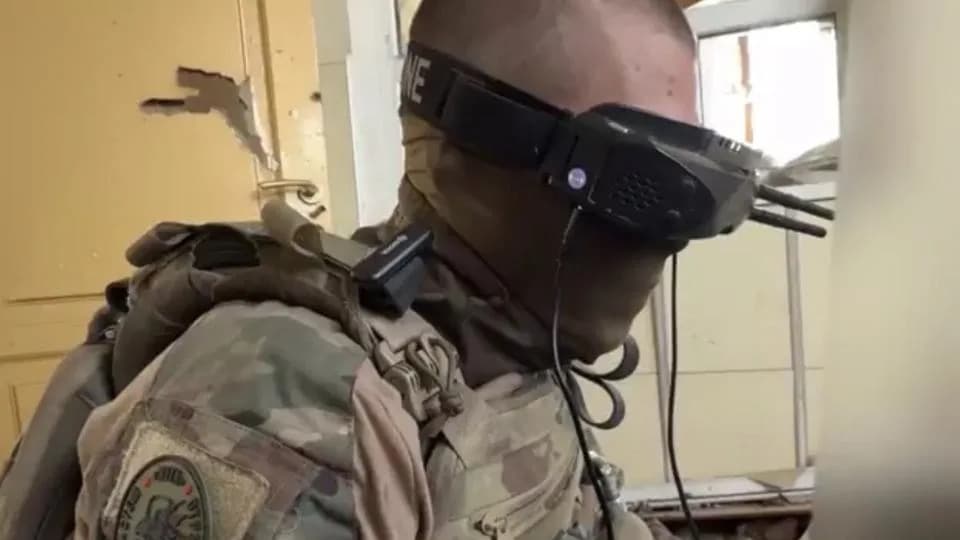
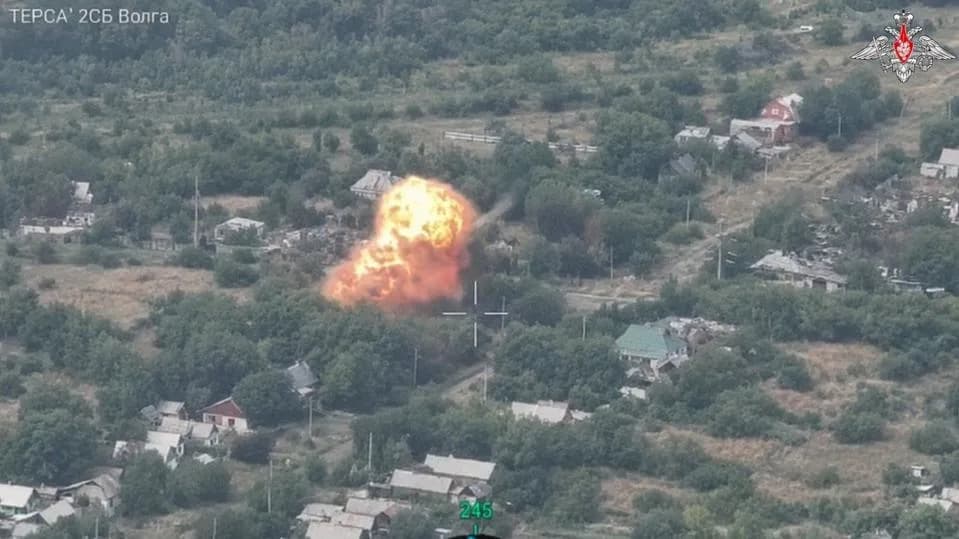
Where once soldiers might spot a single reconnaissance drone, they now confront swarms and increasingly sophisticated weapons: First Person View drones (FPVs) piloted toward targets, "mother" drones that launch smaller units, minelaying drones that disperse bomblets, and ambush drones that lie dormant in no man’s land before relaunching. Fensom recalls sheltering in a reinforced blindage that endured 42 FPV strikes in 24 hours.
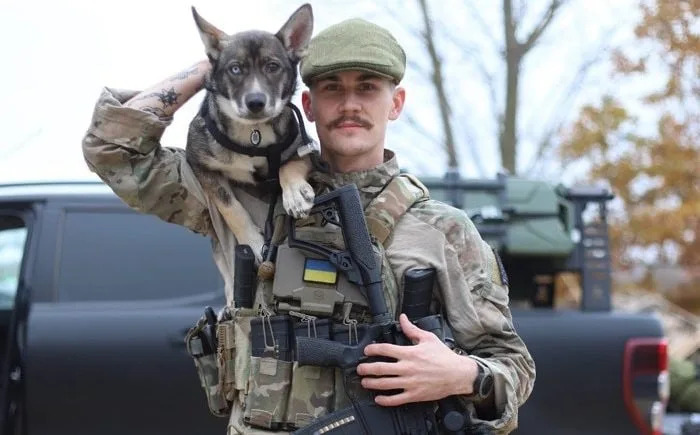
James Fensom left his home in Dorset to join Ukraine's International Legion in late 2022
"The war-fighting conditions are becoming ever more atrocious," says Mr. Fensom, who left Dorset to join Ukraine’s International Legion in late 2022. "Those of us who've been here a while sometimes reminisce about Bakhmut, and think: 'God, if only we could go back to those days.'"
Front Lines And Rear Echelons Both At Risk
Expanded drone range and precision mean rear-echelon positions and supply routes are no longer safe havens. Troops increasingly remain under cover in foxholes and reinforced dugouts; simple acts such as stepping outside for a cigarette can now be lethal. Local aid workers are running sessions teaching civilians how to take immediate cover rather than attempting to visually track incoming drones.
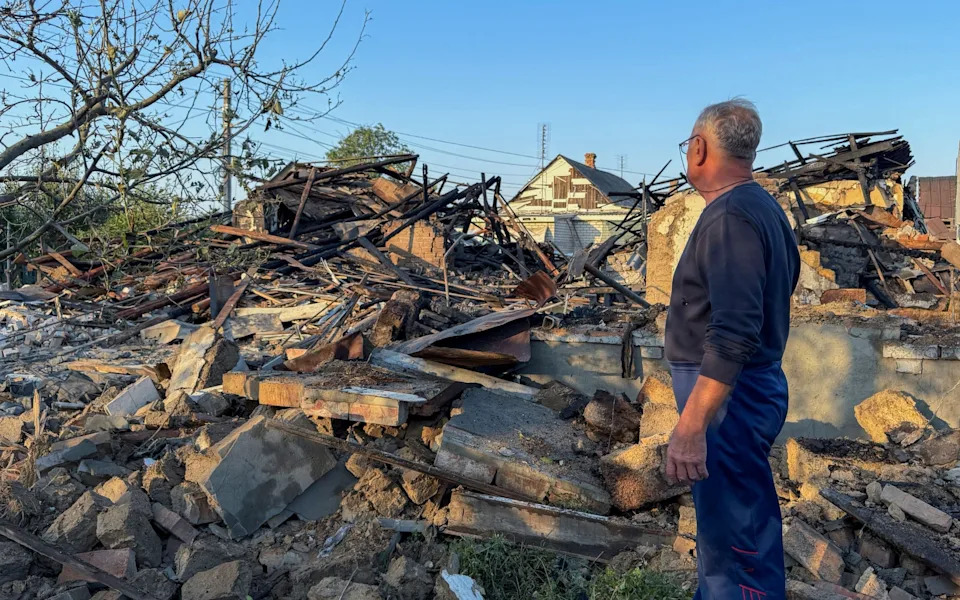
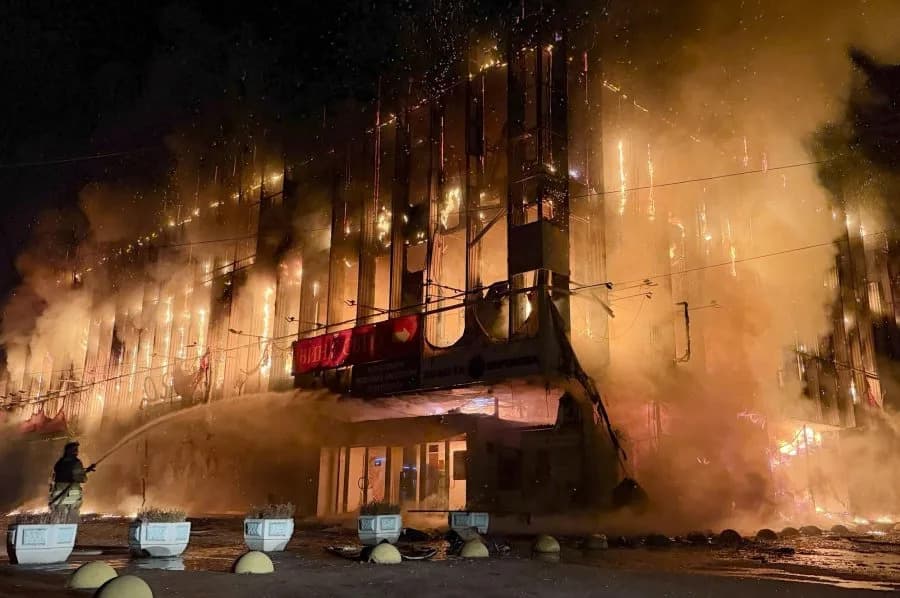
Damage at the site of a Russian strike on a building in Zaporizhzhia on Sept 12 - EPA/Shutterstock/Daryna Naumova
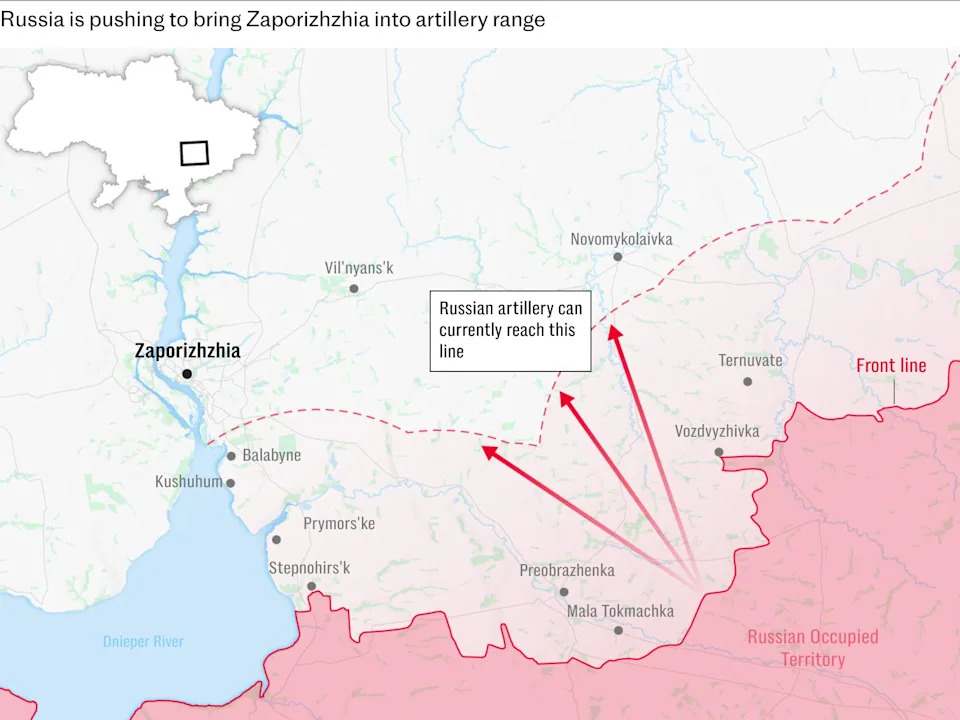
Russian forces around Zaporizhzhia are estimated at about 100,000 and are attempting to close the roughly five miles that would put the city within heavier artillery range. Until then, the most immediate threats are missiles, Iranian Shahed drones and FPVs targeting both military and civilian infrastructure. Recent strikes have damaged supermarkets and petrol stations and injured civilians on the city’s outskirts.
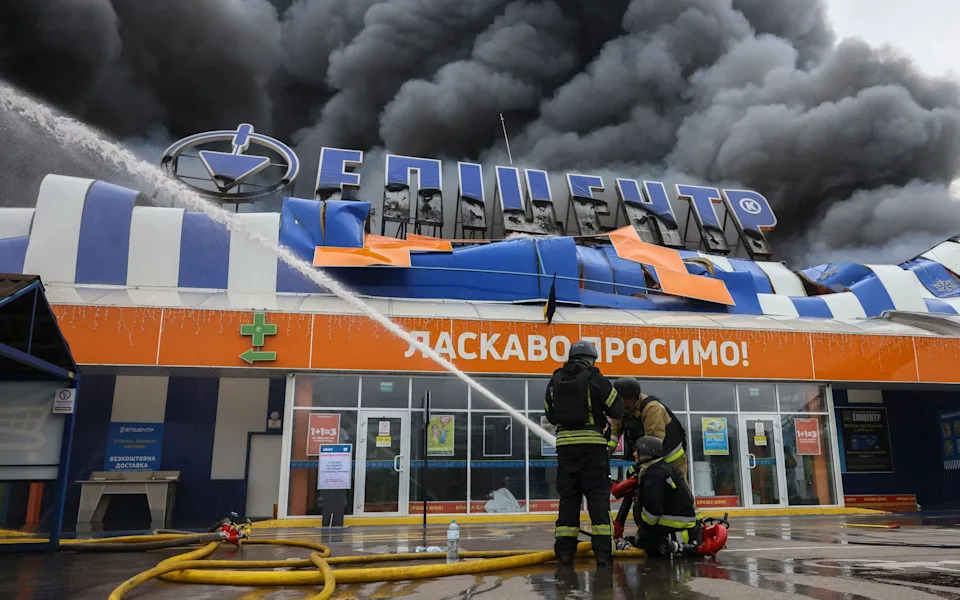
A Russian drone strike on a shopping centre in Zaporizhzhia last month in which at least four people were injured - EPA/Shutterstock/Oleg Movchaniuk
Volunteers Adapt — And Learn Hard Lessons
The profile of foreign volunteers has shifted. Many elite Western soldiers and early thrill-seekers have returned home, finding that traditional infantry skills are less rewarded on a drone-dominated battlefield. Recruits from countries such as Colombia — where some former security personnel have sought work after the 2016 FARC peace deal — now make up a significant share of the multinational contingent, drawn in part by combat pay.
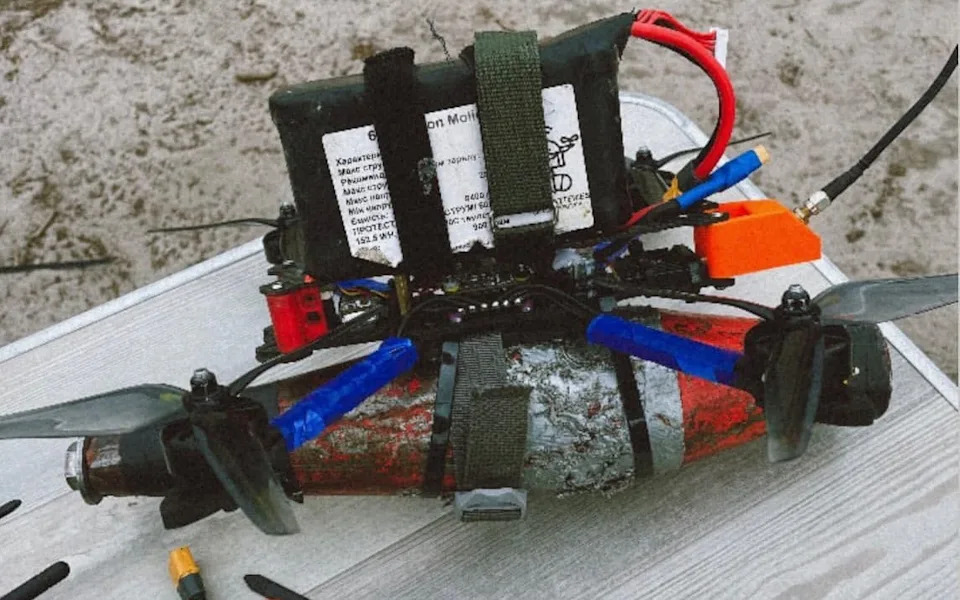
A drone belonging to the Foxhound unit of volunteers. It is used to spot small groups of Russian soldiers attempting to cross no man's land - Instagram
Volunteer units have developed their own countermeasures. Foxhound, a reconnaissance and drone-strike unit led by former British soldier Ben Maddison, uses FPVs to scan no man’s land for small Russian diversion and reconnaissance groups (DRGs). Volunteers report using fragmenting ammunition to try to intercept drones, but emphasise that concealment, camouflage and classic soldiering skills remain among the best defences.
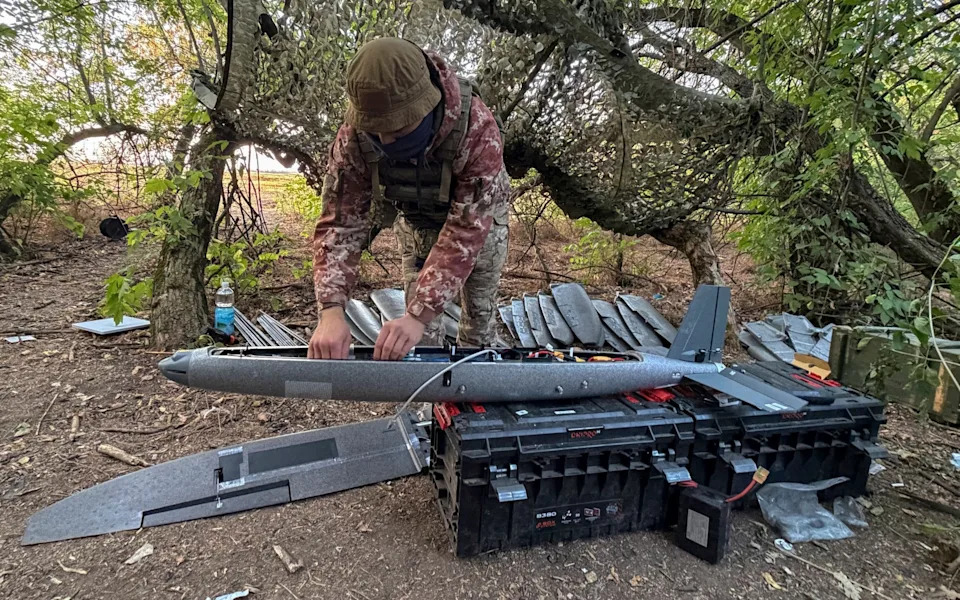
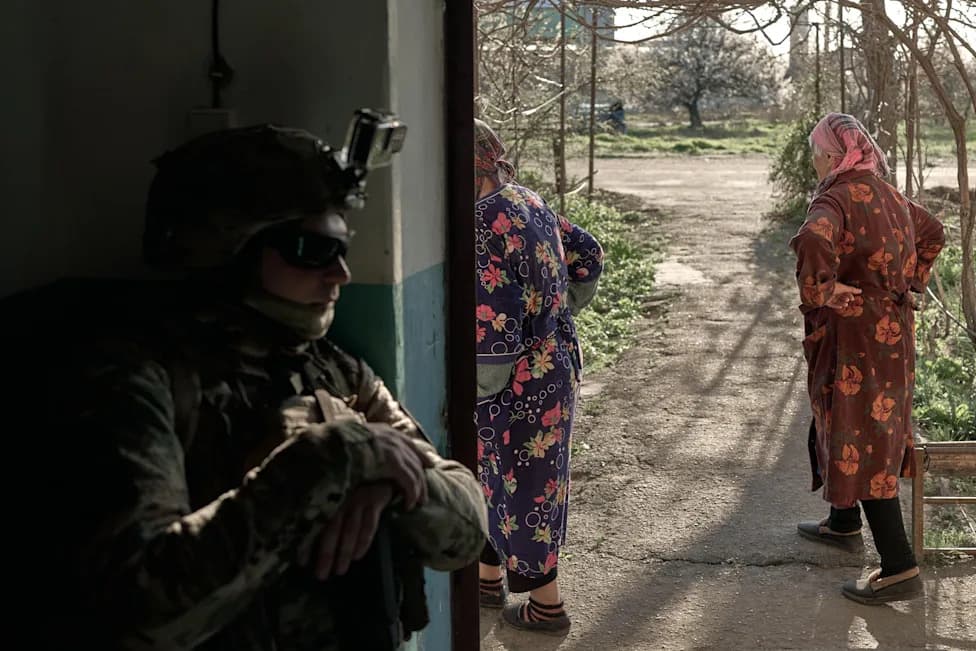
A soldier with the Ukrainian army prepares to launch a drone towards Russian positions in the Zaporizhzhia region - Shutterstock/Daryna Naumova
For many on the ground, Zaporizhzhia is a preview of future conflicts: a battlefield where inexpensive, mass-produced aerial systems can impose continuous psychological pressure and reach positions previously considered safe. Commanders and allied militaries, volunteers say, should study these developments closely.
Key Details: One blindage reportedly endured 42 FPV strikes in 24 hours; Russian forces near Zaporizhzhia are estimated at ~100,000; volunteer combat pay can reach up to $3,000/month; new drone types include "mother", minelaying and ambush drones.
Help us improve.