CRBC News
Environment

Minister Defends Fishers After Two Critically Endangered Orcas Killed In Nets

Minister Defends Fishers After Two Critically Endangered Orcas Killed In Nets
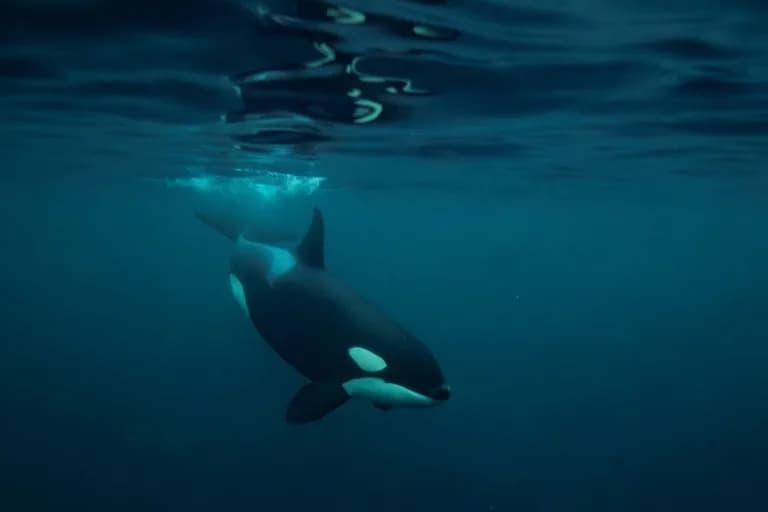
Orca in New Zealand are tracked by conservationists who keep tabs on the family pods that circle the country (Olivier MORIN)(Olivier MORIN/AFP/AFP)

Two coastal orcas were killed in separate commercial fishing incidents in New Zealand. Fisheries minister Shane Jones defended the fishers involved, saying "these things happen" while calling the events an "unpleasant outcome."

The Kaikoura Wildlife Centre Trust called the deaths a "devastating loss" for a critically endangered population estimated at 150–200 individuals, warning that bycatch, boat strikes, entanglement and noise pose serious threats to tightly bonded matriarchal pods.
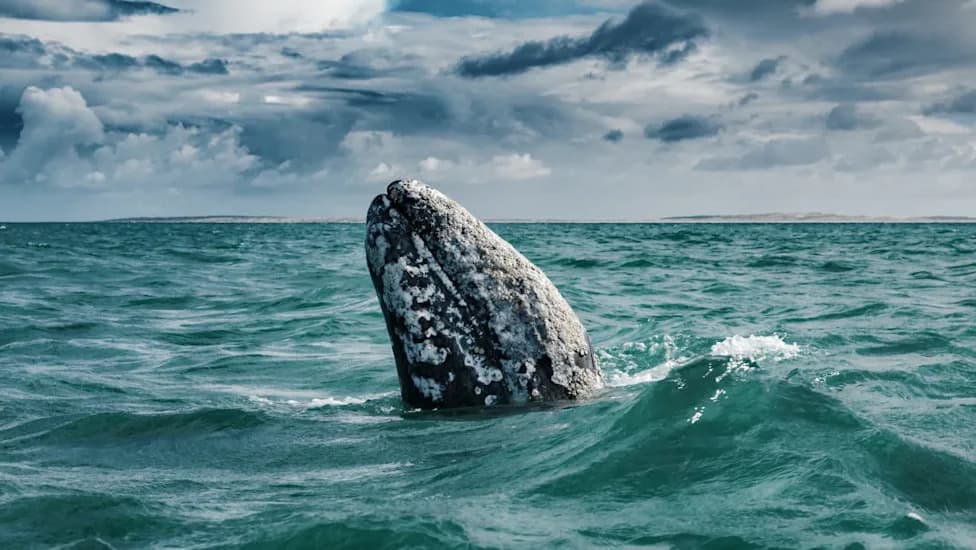
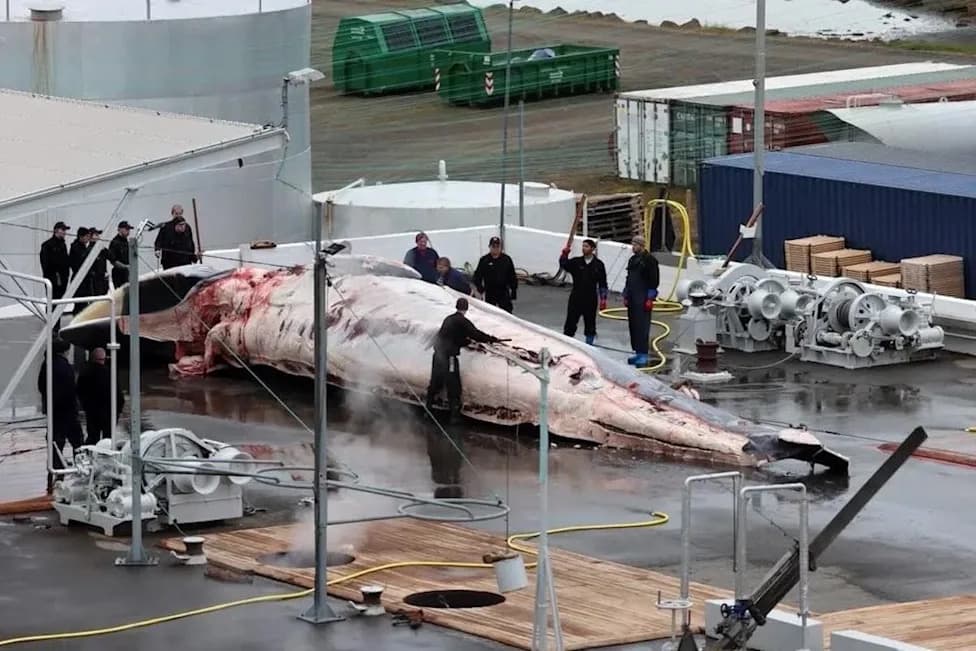
Two orcas from New Zealand's coastal population were killed in separate commercial fishing incidents, prompting a defence of fishers by Fisheries Minister Shane Jones and strong condemnation from conservation groups.

Minister's response
Fisheries minister Shane Jones described the deaths of the critically endangered animals as an "unpleasant outcome" and said, "It's not a happy outcome for the whale, but these things happen." He urged people to consider the perspective of a skipper on a 30–40-foot vessel who might be shocked to see a large whale entangled in a net, calling the encounter a "kodak moment."

"If you look at it from the perspective of the sea captain he's on a vessel about 30 or 40 feet, and a killer whale is about five or six tonnes... So he would have got a hell of a shock seeing a whale come up in a net." — Shane Jones

Conservation reaction
The Kaikoura Wildlife Centre Trust, based on the east coast of the South Island where one of the orcas was killed, described the incidents as a "devastating loss" for coastal orcas. The Trust noted that this population is classed as critically endangered, with an estimated 150–200 individuals remaining.

Why each loss matters

Coastal orcas are monitored closely by conservationists because they travel in tight-knit, matriarchal family pods that remain together for generations. With such small numbers, each death can have an outsized impact on social structure and the population's long-term viability.

Human-related threats to coastal orcas include:

  • Bycatch and entanglement in fishing gear
  • Boat strikes and collisions
  • Vessel noise pollution that disrupts communication and hunting
  • Disturbance from human activity near pod areas

Conservation groups say stronger measures and careful fishing practices are needed to reduce the risk of future incidents and to protect the remaining coastal orcas.

Help us improve.

Related Articles

Trending