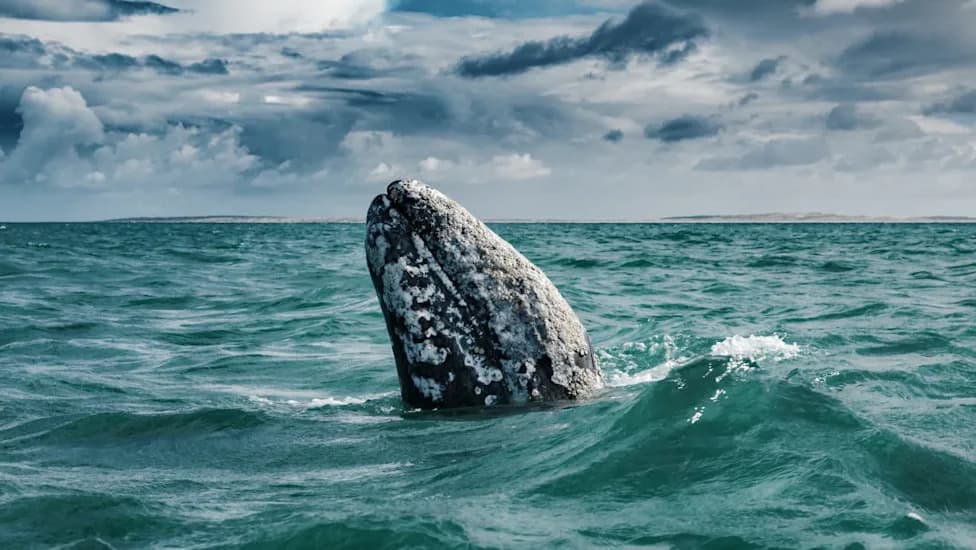
Iceland will present a bill in February that could ban commercial whaling, even as it has approved quotas allowing Hvalur to kill up to 134 minke and 150 fin whales this year. About 80 adult fin whales have already been killed, and a 2023 Icelandic Food and Veterinary Authority report found some harpooned whales may take up to two hours to die. Advocates say more than 1,000 fin whales have been killed by Icelandic whalers in the past two decades and note much of the meat is consumed by tourists.
Iceland Eyes Permanent Ban on Commercial Whaling After Welfare Report
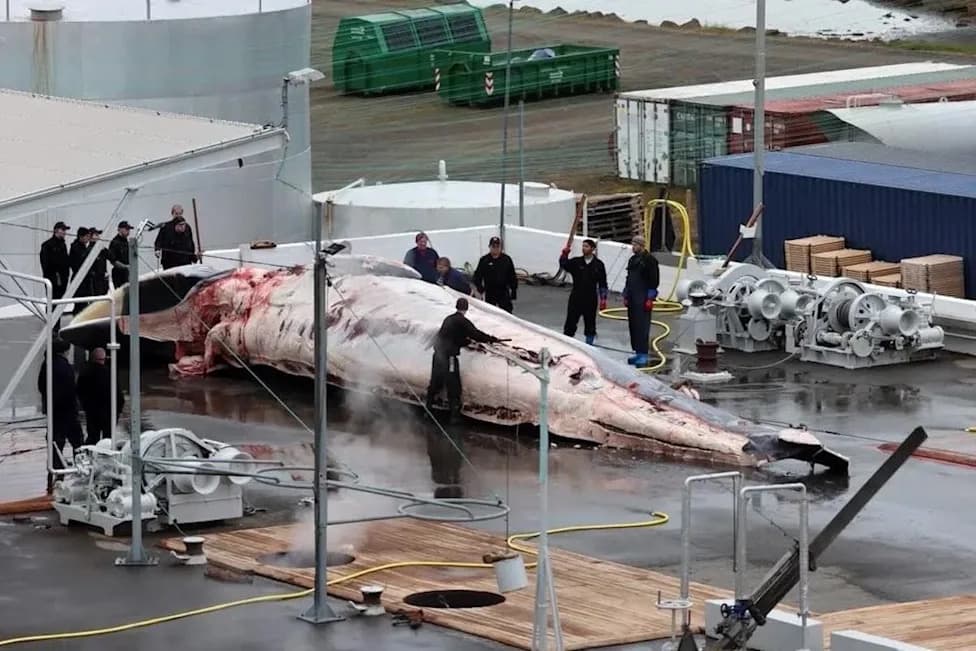
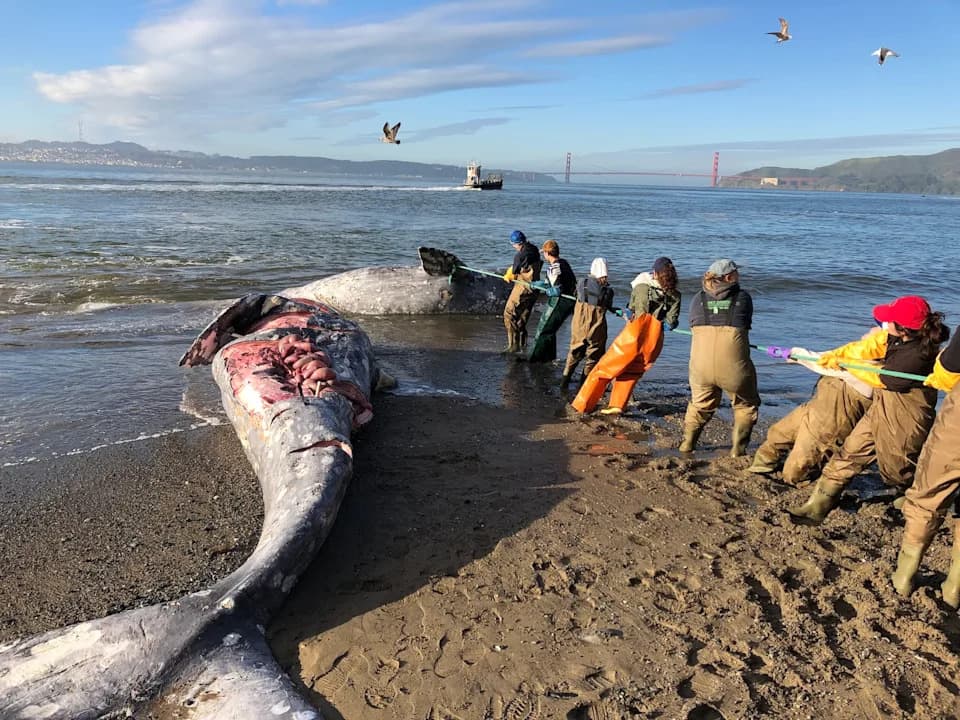
A fin whale being processed in Hvalfjörður, Iceland in June. Micah Garen / Four Corners Media
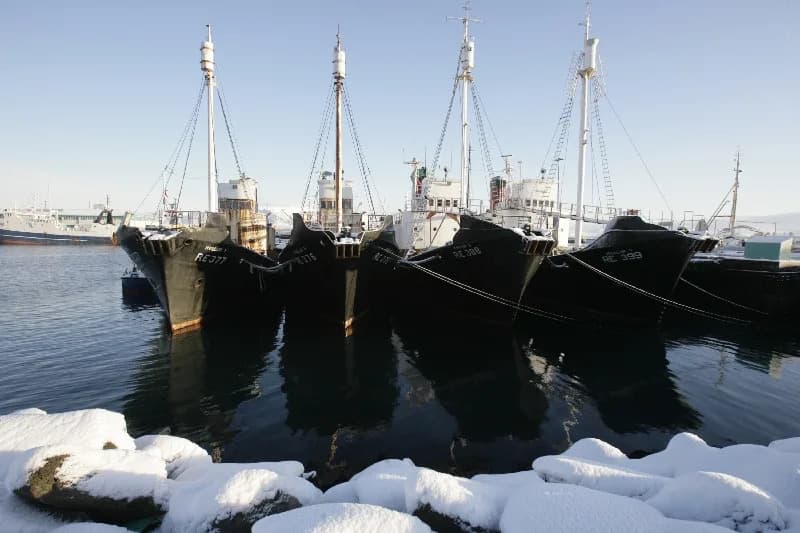
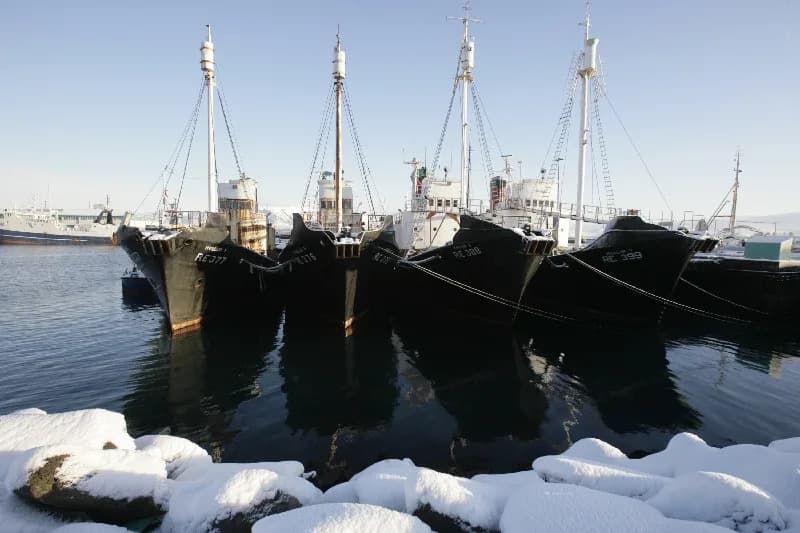
Iceland, one of only three countries that still allows commercial whaling, is preparing to introduce a bill in February that could permanently outlaw the practice. The announcement comes as the government has simultaneously approved quotas that would permit the nation's last operating whaling company, Hvalur, to kill up to 134 minke whales and 150 fin whales this year.
Welfare and Conservation Concerns
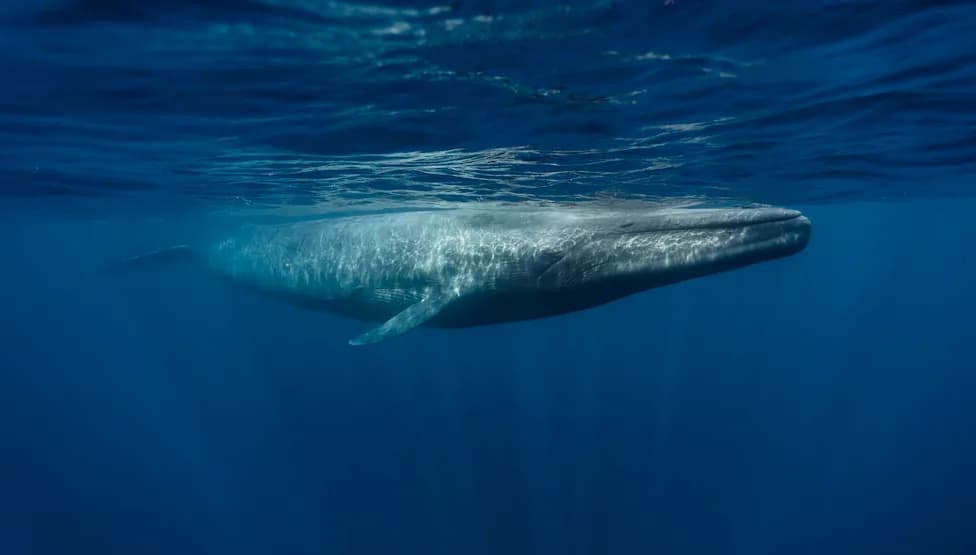
While minke whales are not currently classified as threatened, fin whales are listed as Vulnerable by the International Union for Conservation of Nature (IUCN). Icelandic authorities report that about 80 adult fin whales have already been killed so far this year. A 2023 report from the Icelandic Food and Veterinary Authority found that some harpooned whales can take up to two hours to die, a finding that has intensified animal welfare objections and renewed calls for change.
Background and Wider Context
Commercial whaling devastated global cetacean populations in the 20th century and led to an international moratorium in 1986. Despite that moratorium, several countries resumed hunts: Norway in 1993, Iceland in 2006 and Japan in 2019. Over the past two decades, Humane World for Animals reports that Icelandic whalers have killed more than 1,000 fin whales. The group also says much of the resulting whale meat is eaten primarily by visitors rather than by Icelandic residents.
Next Steps
The Icelandic government says it intends to review and update its whaling legislation and will consider whether a permanent ban is appropriate. Conservation groups and animal welfare advocates say the combination of recent welfare findings, the species’ conservation status and changing public attitudes make a ban increasingly likely. At the same time, fisheries and cultural arguments continue to shape a contentious national debate.
“This is a really significant milestone in efforts to consign to history Iceland's cruel and needless whale hunts,”
— Wendy Higgins, Humane World for Animals
Conservationists additionally warn that large industrial fishing vessels—especially supertrawlers harvesting Antarctic krill—are reducing a critical food source for baleen whales, compounding pressures on vulnerable populations.
Help us improve.