Authorities in Western Australia issued a rare catch-and-kill order after a 63-year-old man, Greg O'Neill, was killed by a great white close to shore at Sorrento Beach on September 18. Capture gear was deployed 1.5 kilometres offshore and nearly 12 kilometres of coastline were closed, but the shark was not found and the search ended. Fisheries Minister Jackie Jarvis cited public safety and the need for coroner evidence in the decision, while experts urged more drone surveillance and warned that tracking great whites is extremely difficult.
Rare 'Catch-and-Kill' Order After Fatal Great White Attack at Sorrento Beach
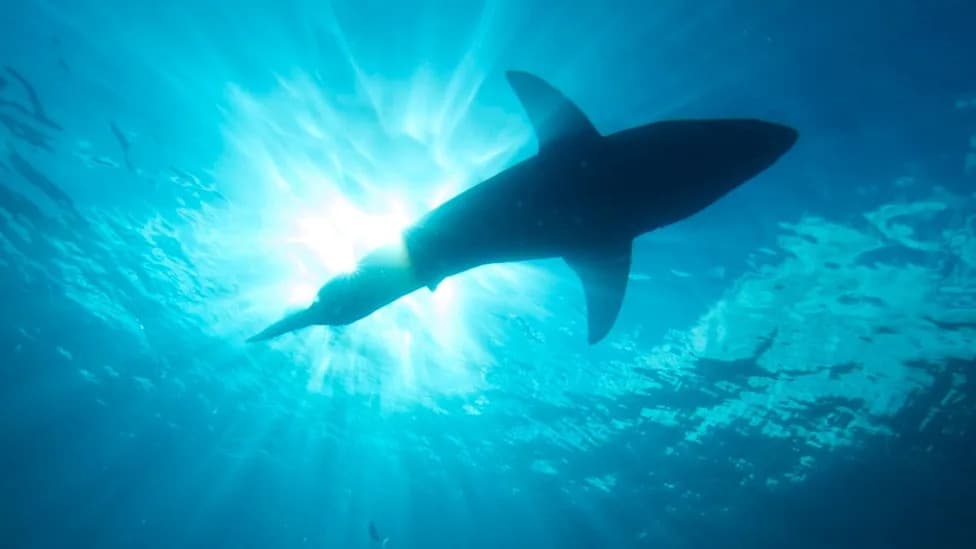
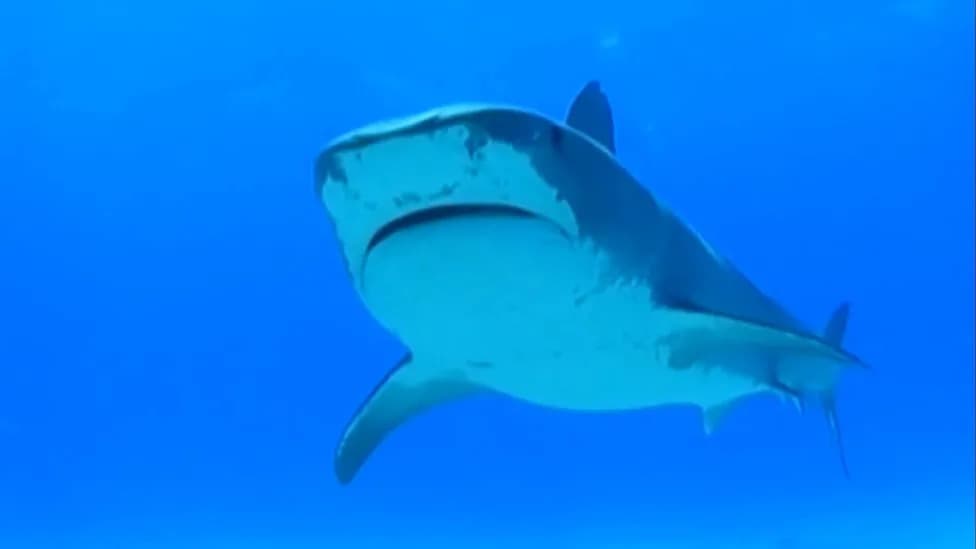
Image by Elias Levy, CC BY 2.0.
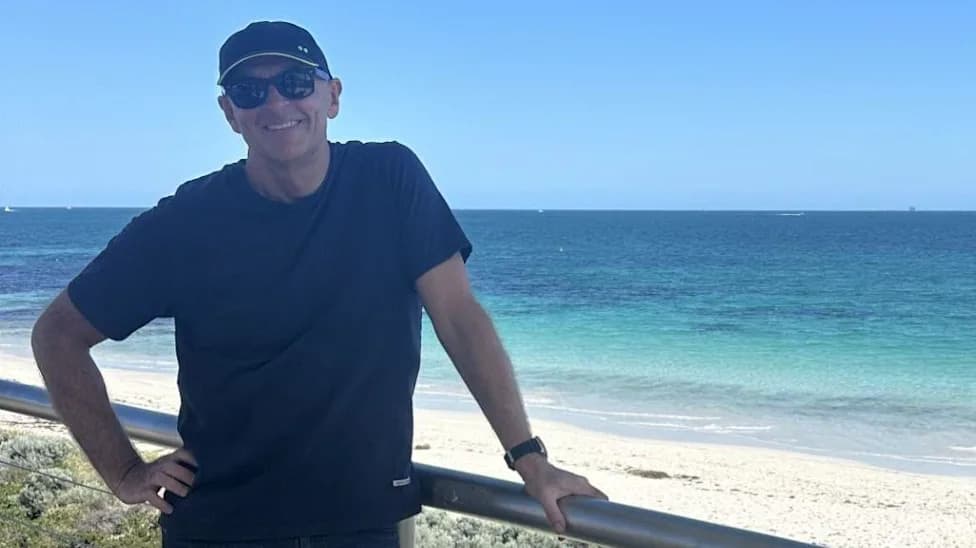
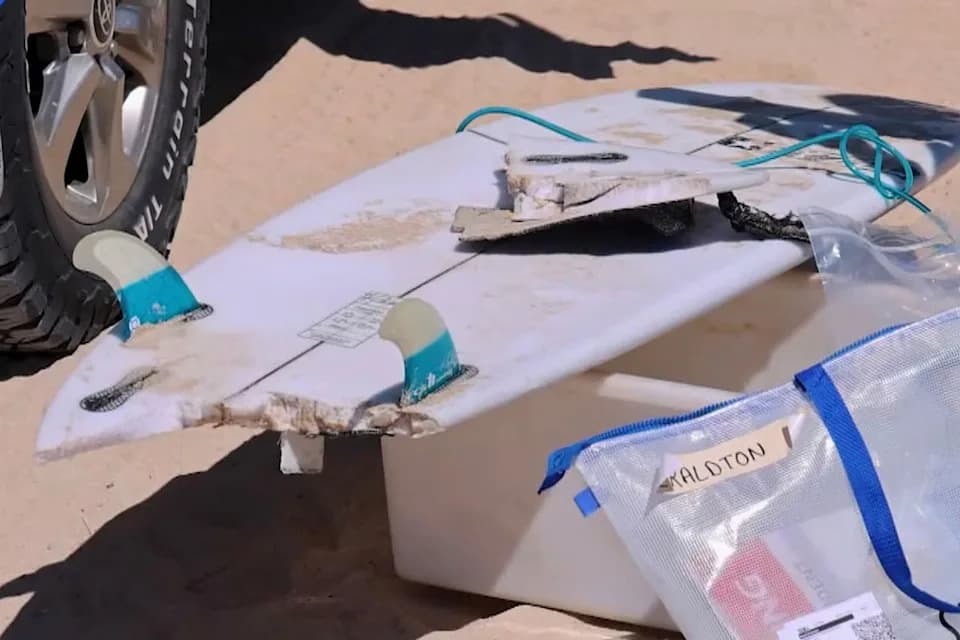
Greg O'Neill, a 63-year-old swimmer, was fatally attacked by a great white shark close to the shoreline at Sorrento Beach in Perth, Western Australia, on September 18. A companion who had been swimming with him reached the shore safely. O'Neill's body has not been recovered.
Exceptional Order and Response
Western Australia Fisheries Minister Jackie Jarvis issued a rare catch-and-kill order after Water Police reported they had positively identified a great white believed to be involved in the attack. Jarvis said officials weighed the exceptional circumstances, the potential ongoing danger to beachgoers and the need to recover evidence for the coroner when making the decision. She stressed the order did not signal a return to routine shark culling.
Search Efforts and Outcome
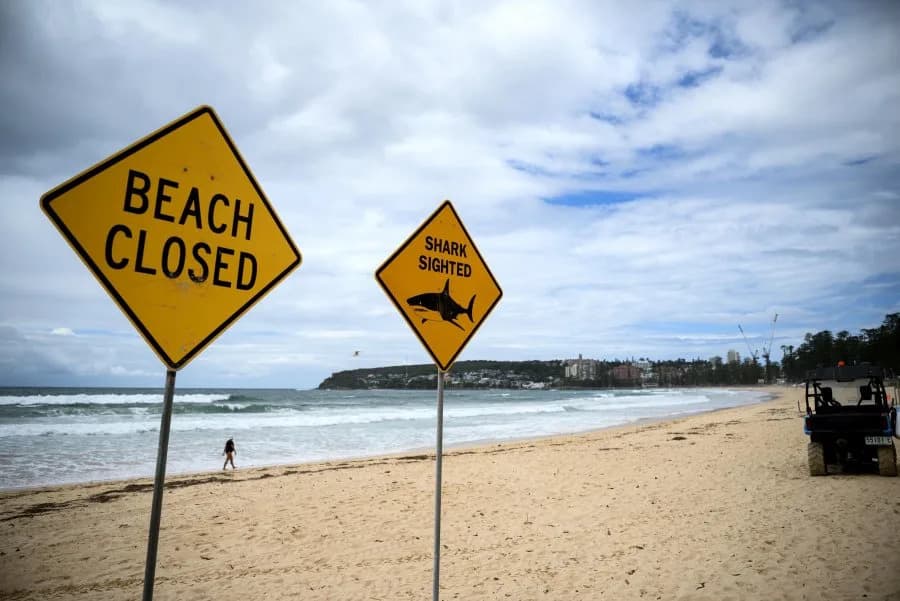
Authorities deployed capture gear typically used for tagging about 1.5 kilometres off Sorrento Beach and closed beaches along nearly a 12-kilometre stretch of Perth's northern coastline. The search ended without the shark being captured; the Department of Primary Industries and Regional Development (DPIRD) removed the gear after finding no evidence of further shark activity and concluding the likelihood of catching the animal had diminished.
Officials noted that tracking great whites is often difficult even when animals are tagged — citing a recent case in which the tracker on a roughly 1,700-pound shark went quiet.
Expert Reaction and Mitigation Debate
The decision to attempt to capture the shark drew criticism from some experts and renewed debate over how authorities should respond to attacks. Macquarie University behavioural biologist Culum Brown told ABC News that locating the same animal would be like searching for a "needle in a haystack," given how far great whites can travel. Brown and others have urged greater investment in shark-spotting drones as a potentially more effective public-safety measure.
Jarvis has said expanded drone use is under consideration as Western Australia reviews its shark-mitigation measures, which already include tagging and tracking, warning systems tied to monitored animals, beach enclosures and aerial patrols.
Human Impact
O'Neill's family described him as a devoted family man, an avid swimmer, a sports enthusiast and a committed worker who loved the ocean. His death is the third fatal shark attack in Western Australia this year and came days after a 56-year-old surfer was seriously injured near Geraldton, about 400 kilometres north of Perth.
The nearly 12-kilometre stretch of coastline closed after the attack was scheduled to reopen on September 21. Although authorities have ended the capture effort, the fatal incident has intensified discussion about whether measures such as expanded drone surveillance could reduce risk to swimmers or primarily document attacks after they occur.
Help us improve.