Iceland plans to introduce a bill in February that would permanently ban commercial whaling, a step that would leave Norway and Japan as the only countries still conducting commercial hunts. So far this season 80 fin whales have been taken against a quota of 150, and fin whales are listed as Vulnerable by the IUCN. The proposal follows years of protests and comes amid ongoing international debate over whaling and indigenous exemptions.
Iceland to Propose Permanent Ban on Commercial Whaling — Norway and Japan Become Outliers
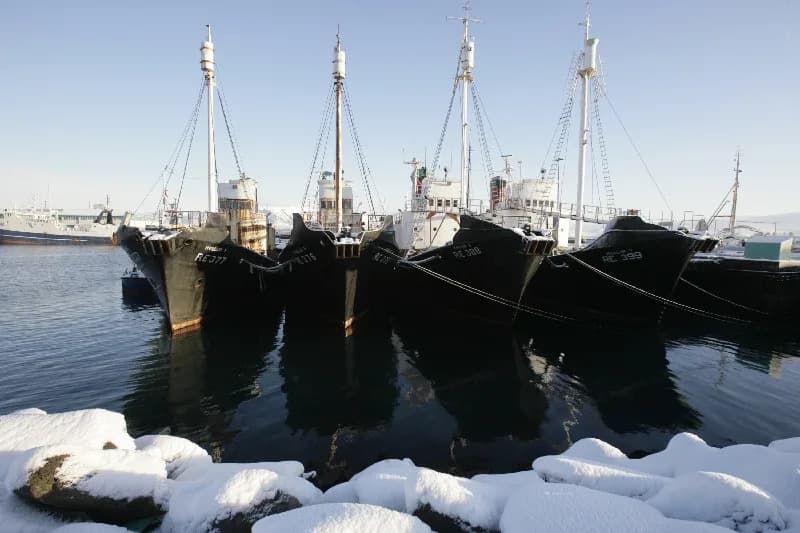
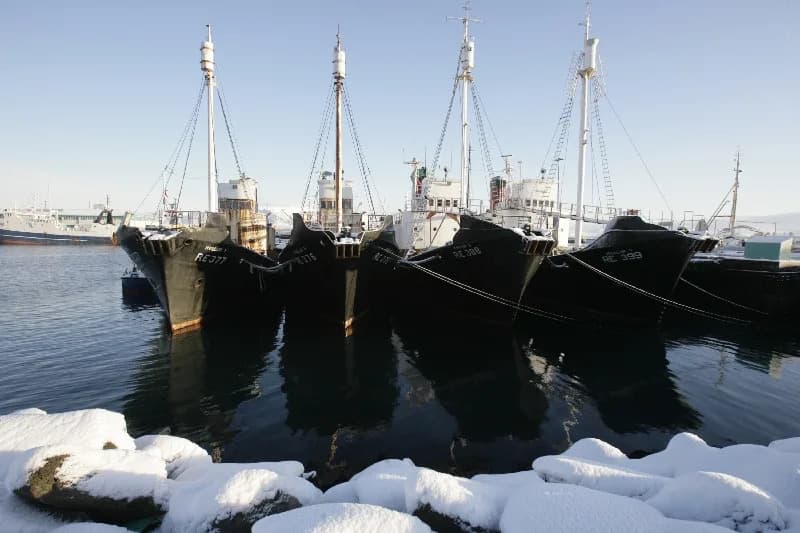
Whaling ships are seen docked at a wharf in Reikjavik January 29, 2009. Iceland said on Tuesday it would allow whaling of fin and minke whales -- a practice opposed by conservationists -- for another five years. REUTERS/Ints Kalnins (ICELAND)
COPENHAGEN, Sept 10 (Reuters) — Iceland's government said it will table a bill in February to impose a permanent ban on commercial whaling, a move that would leave Norway and Japan as the only countries still conducting commercial hunts.
The proposal, posted on the government's website, reflects mounting political and public pressure after years of protests from animal welfare groups and attention from Hollywood figures. The government holds a parliamentary majority and says the draft legislation will include a permanent prohibition on whaling.
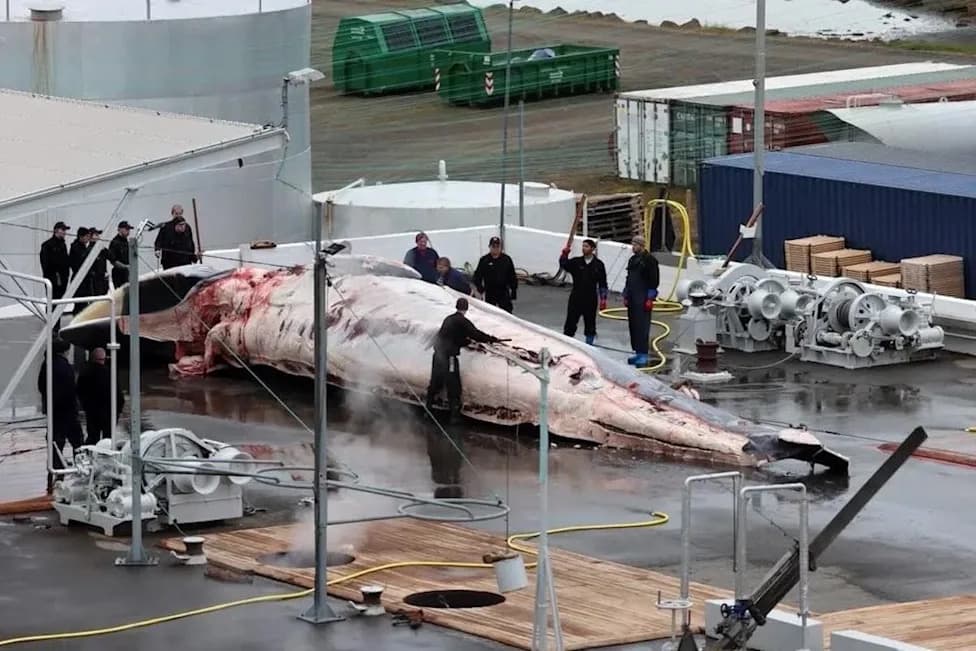
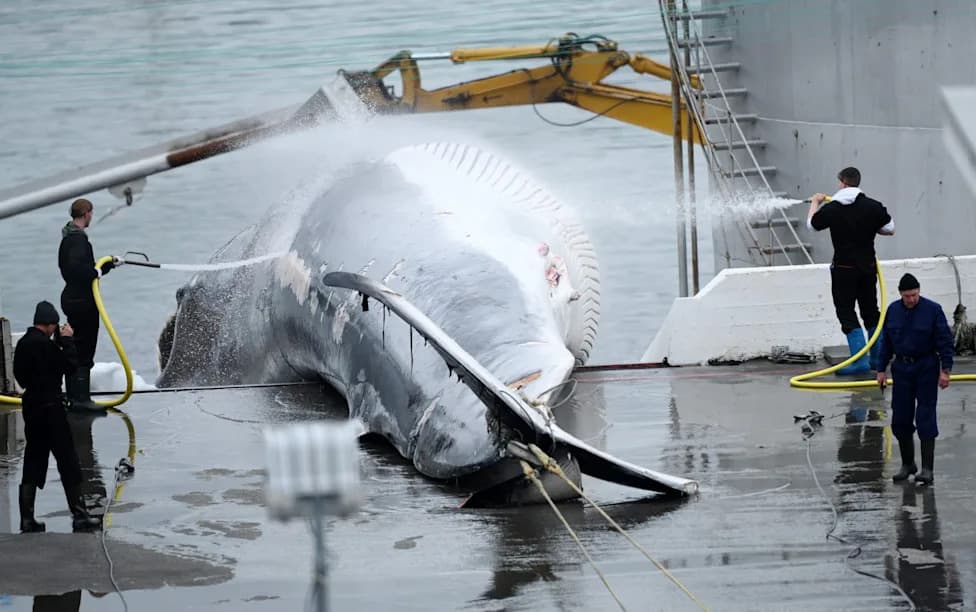
In the current hunting season, which runs from June through roughly the end of September, 80 fin whales had been taken as of Sept. 9, according to Humane World For Animals, a group that monitors catches. Iceland's quota this year allows up to 150 fin whales to be killed.
'There is considerable political and public support for this bill to ban commercial whaling, and compelling ethical, veterinary, legal and conservation reasons to hope it succeeds,' said Wendy Higgins, a spokeswoman for Humane World For Animals.
Fin whales, the main species targeted by Icelandic whalers, are listed as Vulnerable by the International Union for Conservation of Nature (IUCN). Earlier in 2024, Iceland's interim government issued a five-year licence to the country's sole remaining whaling company, a decision that coexists with the proposed legislative ban.
International Context
Only Iceland, Norway and Japan have engaged in commercial whaling in recent years, according to the International Whaling Commission's catch list. Norway resumed commercial whaling in 1993 and Iceland followed in 2006 despite an international moratorium that took effect in 1986 to protect whale populations. Japan withdrew from the International Whaling Commission in 2019 and now conducts commercial whaling within its territorial waters and exclusive economic zone.
The moratorium includes exemptions for indigenous communities in certain regions, such as Greenland and Alaska, where whale products remain important for nutritional and cultural reasons.
With the bill due in February, observers say Iceland's move could shift the international whaling debate and increase diplomatic and conservation pressure on the remaining whaling nations.
Reporting by Jacob Gronholt-Pedersen; editing by Anna Ringstrom and Toby Chopra.
Help us improve.