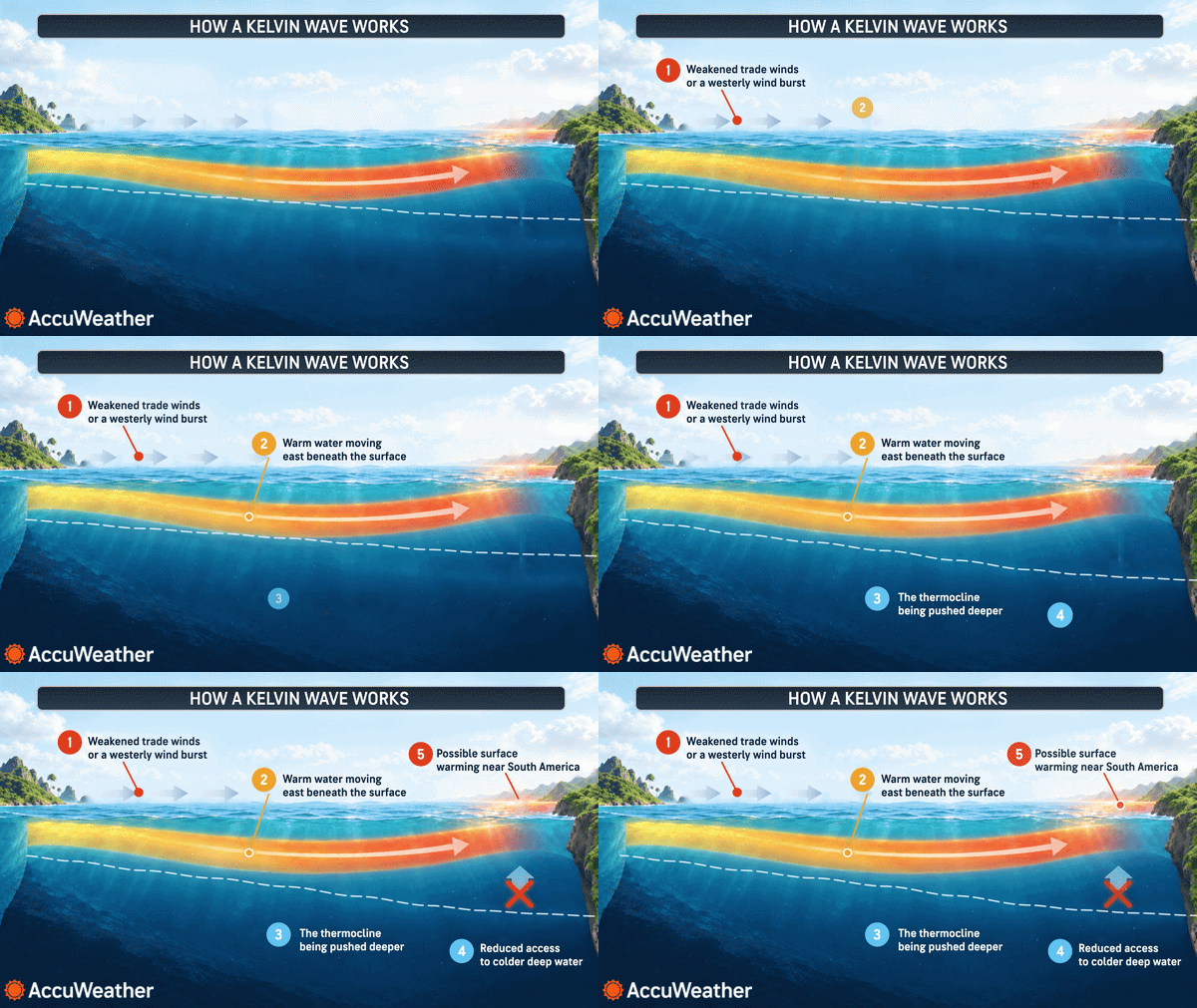
Scientists warn that an early, fast-forming El Niño combined with current ocean warmth could trigger prolonged marine heat waves across the Pacific, disrupting food webs and shifting species ranges. Southern California is already in a heat wave through August, and kelp forests and megafauna such as blue whales could be forced to relocate. Increased harmful algal blooms, toxin exposure and entanglement risks are additional concerns.
El Niño Could Drive Prolonged Marine Heat Waves, Threatening Pacific Wildlife
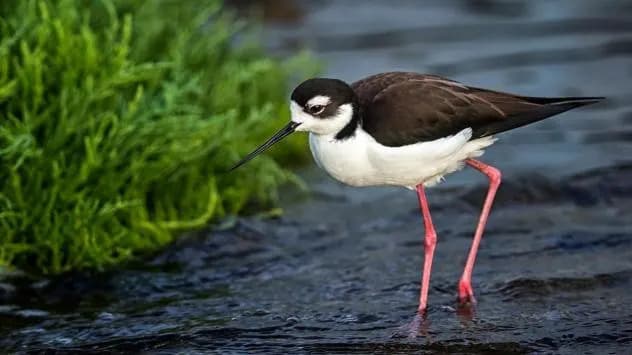
Stilt bird, April 6, 2013 (Image credit: Aquarium of the Pacific/Robin Riggs)
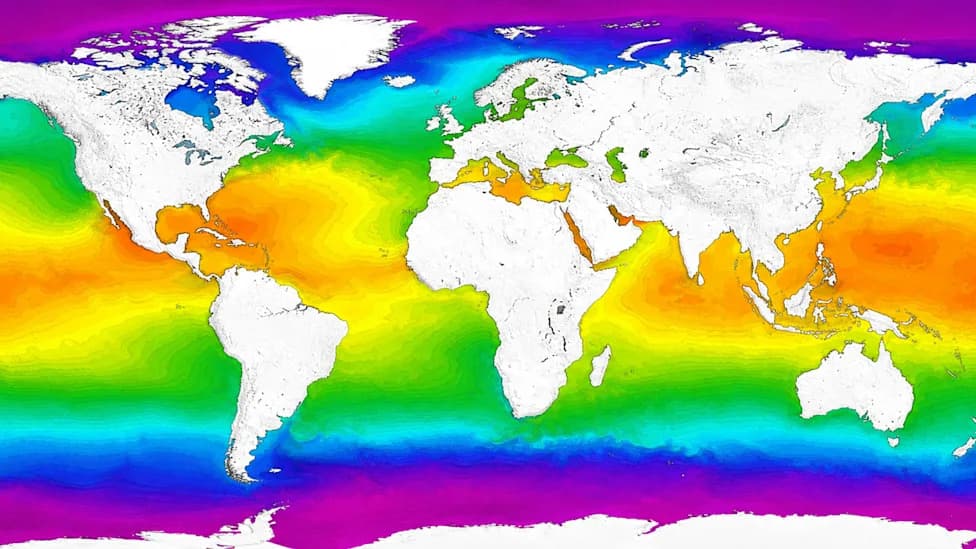
Marine scientists warn that an early, rapidly developing El Niño — together with already warm ocean conditions — could produce prolonged marine heat waves across much of the Pacific. Experts from the Aquarium of the Pacific and NOAA told reporters on June 11 that these conditions may disrupt food webs, push species out of their normal ranges and increase risks from algal toxins and entanglements.
El Niño Can Fuel Marine Heat Waves
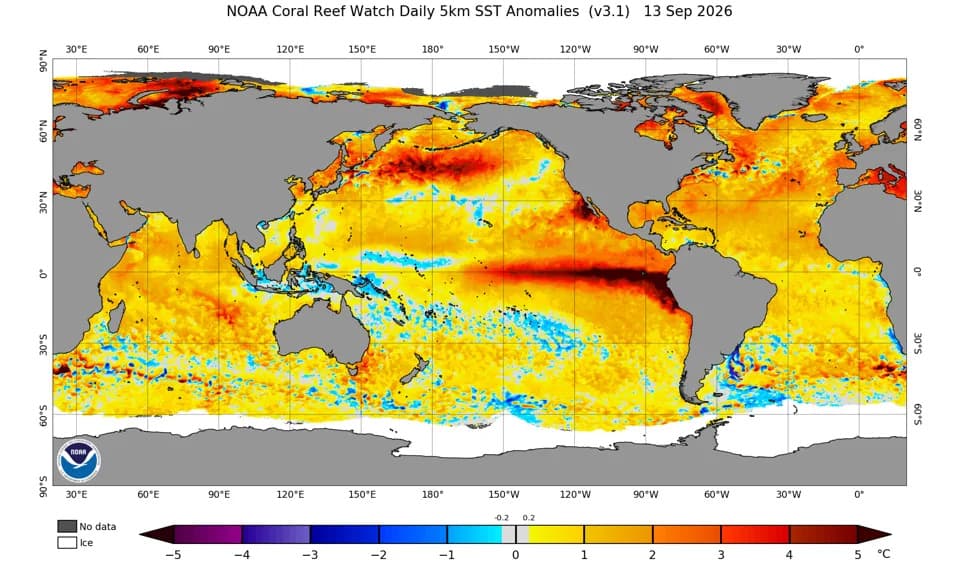
AccuWeather meteorologists say El Niño has formed faster and earlier than anticipated. This recurring climate pattern, which raises sea-surface temperatures across the tropical Pacific near the equator, is expected to influence global weather patterns into 2027.
According to Dr. Andrew Leising of NOAA's Southwest Fisheries Science Center, El Niño events tend to increase the frequency and duration of marine heat waves — extended periods of unusually warm ocean water that can dramatically alter where species live, how long they survive and how successfully they reproduce.
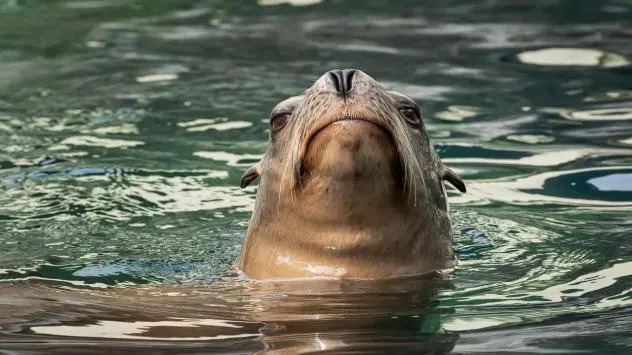
California Sea Lion, March 31, 2022 (Image credit: Aquarium of the Pacific/Robin Riggs)
"One of the most important things for the animals in the ecosystem is not necessarily just how hot it is ... but just how long they're exposed to the heat," Leising said.
Brett Long, vice president of animal care, marine mammals and birds at the Aquarium of the Pacific, said marine heat waves have direct, sometimes devastating impacts: seabirds can starve when prey becomes scarce, and sea lions can be exposed to harmful algal toxins. The U.S. Geological Survey has linked recent Alaskan seabird die-offs to marine heat waves that disrupted their food supply.
Local Effects: Southern California And Kelp Forests
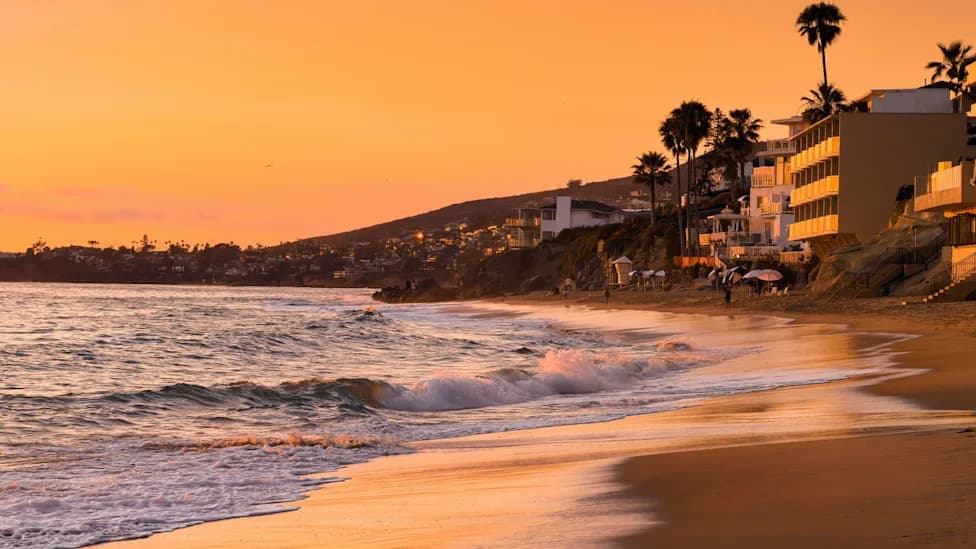
Experts note Southern California waters are currently experiencing a heat wave expected to persist through August. Combined with a strong El Niño, prolonged warmth could intensify stress on local marine ecosystems.
Heat waves are already taking a heavy toll on kelp forests, critical habitats that serve as nurseries and feeding grounds. Nate Jaros, vice president of animal care, fish and invertebrates at the Aquarium of the Pacific, said Northern California's bull kelp forests have declined by roughly 90 percent since 2014 — a loss that cascades through the entire coastal ecosystem.
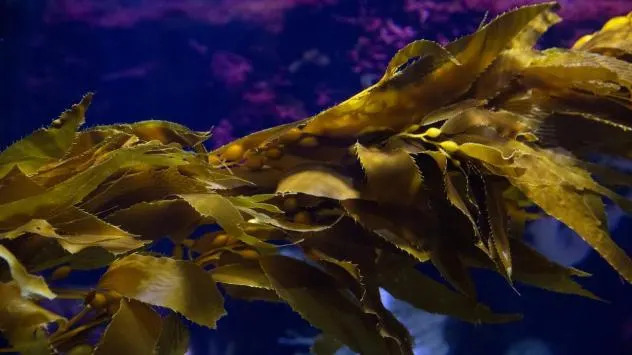
Kelp, Northern Pacific Preview (Image credit: Aquarium of the Pacific/Andrew Reitsma)
Shifts In Species And Increased Hazards
Warming waters tend to attract warm-water or nonnative species. Jaros said species such as mahi mahi, yellowfin tuna and even seahorses are appearing farther north, and shark sightings off Southern California may increase. Blue whales could be forced to relocate if krill — their primary food source — decline in warming waters, Long added.
Other risks include a greater likelihood of harmful algal blooms and more frequent interactions between wildlife and human activities. As prey move closer to shore, marine mammals and migratory species may follow, raising the risk of whale entanglements in fishing gear.
Looking Ahead
Dr. Ariel Cohen of NOAA's National Weather Service emphasized that El Niño impacts vary year to year, so exact outcomes are uncertain. However, forecasters caution this El Niño could be among the strongest on record, which would increase the chance of significant ecological impacts. Continued monitoring, rapid response to algal blooms, and careful fisheries and coastal management will be important to help reduce harm to wildlife.
Help us improve.