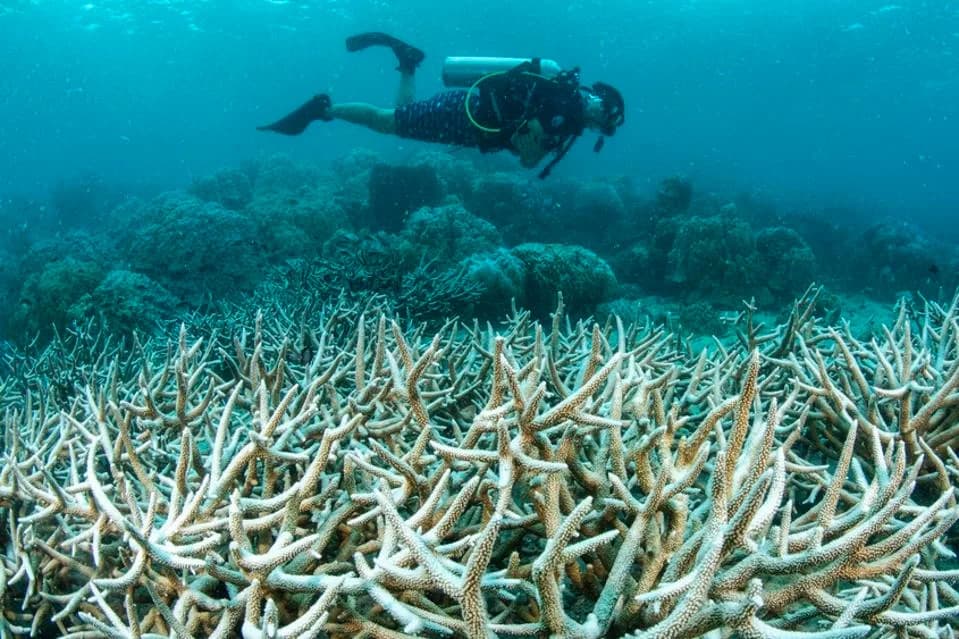
Dead plants and animals leave persistent physical remnants that strongly influence how ecosystems recover after extreme events. A Science Advances study using NSF LTER data found that remains of foundation species either hinder or help recovery in nine of 10 ecosystems examined, with kelp forests the exception. Examples include hurricane debris suppressing seedling recruitment in Puerto Rico and coral skeletons enabling seaweeds to overtake reefs, while mangrove litter and standing dead hemlocks can promote regeneration. Targeted management — nurse logs, prescribed burns, shell deposition, or rubble stabilization — can steer recovery toward more resilient outcomes as climate disturbances intensify.
What Dead Ecosystems Teach Us About Recovery: How Remains Shape the Future of Nature
What Dead Ecosystems Can Teach Us About Survival
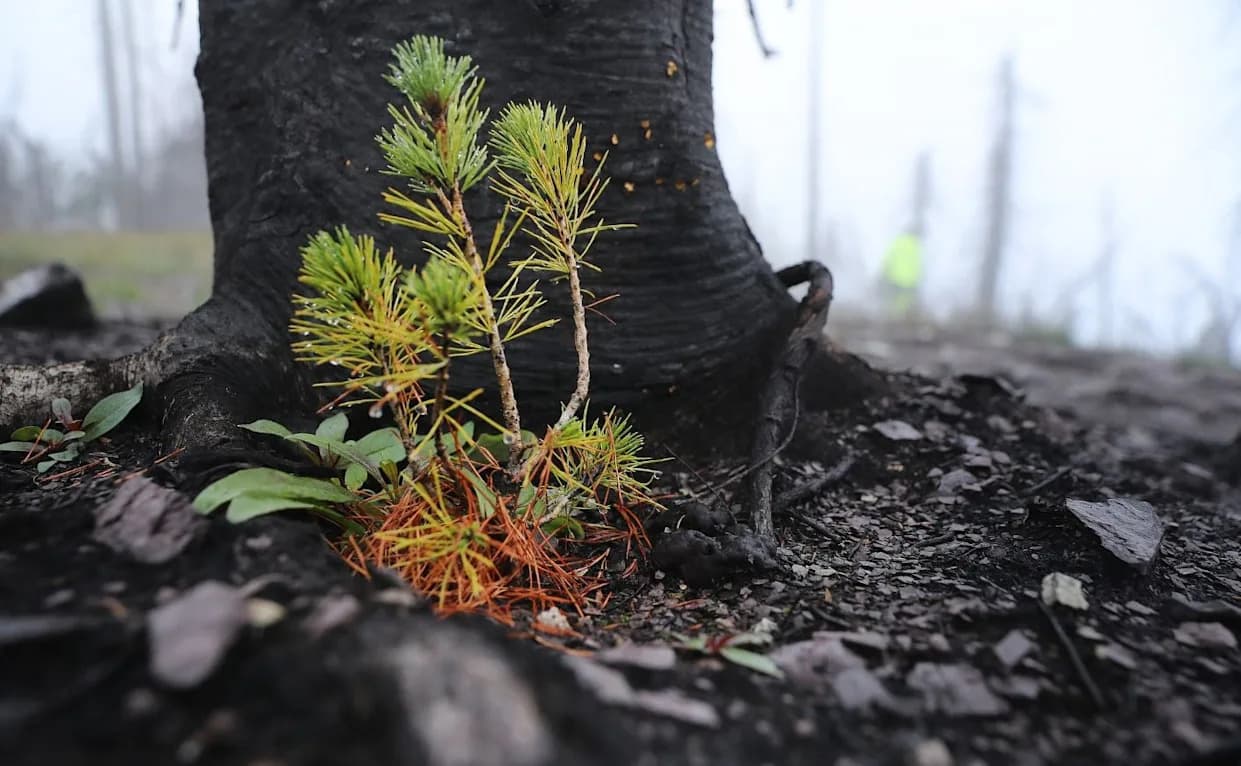
People’s instinctive reaction to visible death in nature is often sadness or alarm. A hillside blackened by wildfire or a bleached coral reef can feel like an ecological tragedy. Yet much of that dead material is recycled and plays a powerful role in shaping how ecosystems recover.
What Is Ecological Memory?
Ecologists call the legacy of past organisms and events an ecological memory — the physical and biological remnants that influence how ecosystems look and function after disturbance. Like human memories, traumatic events often leave the strongest legacies: fires, storms, heat waves and pest outbreaks can kill large numbers of organisms and leave durable remains on the landscape.
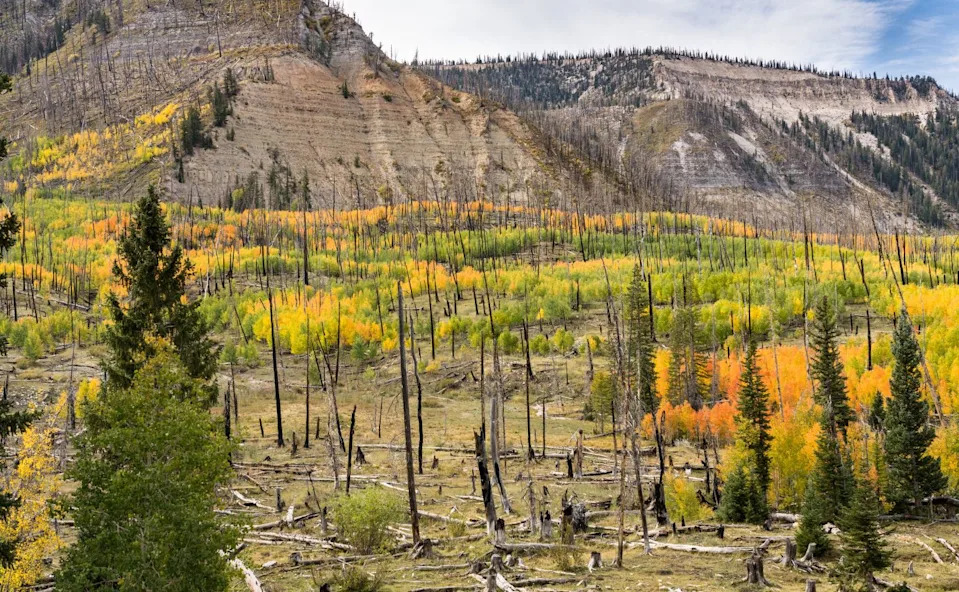
Aspen trees in fall color growing in a burn scar from a forest fire in the Wasatch Mountains near Manti, Utah. (Getty Images)
The Study
In a cross-system study published in Science Advances, researchers working with the U.S. National Science Foundation’s Long-Term Ecological Research (LTER) network examined how the remains of foundation species affect recovery. Foundation species — such as trees, grasses, oysters and corals — build habitat for whole communities. Because they are abundant when alive, their dead material often persists at scale and continues to shape ecosystem trajectories.
Key Findings
The team studied 10 ecosystem types — coral reefs, mangrove forests, salt marshes, kelp forests, oyster reefs, tropical rainforests, temperate rainforests, hemlock stands, tallgrass prairies and boreal forests — spanning the tropics to near the Arctic Circle. In nine of the ten systems, the dead remains of foundation species significantly affected the abundance of living foundation species; kelp forests were the only exception.
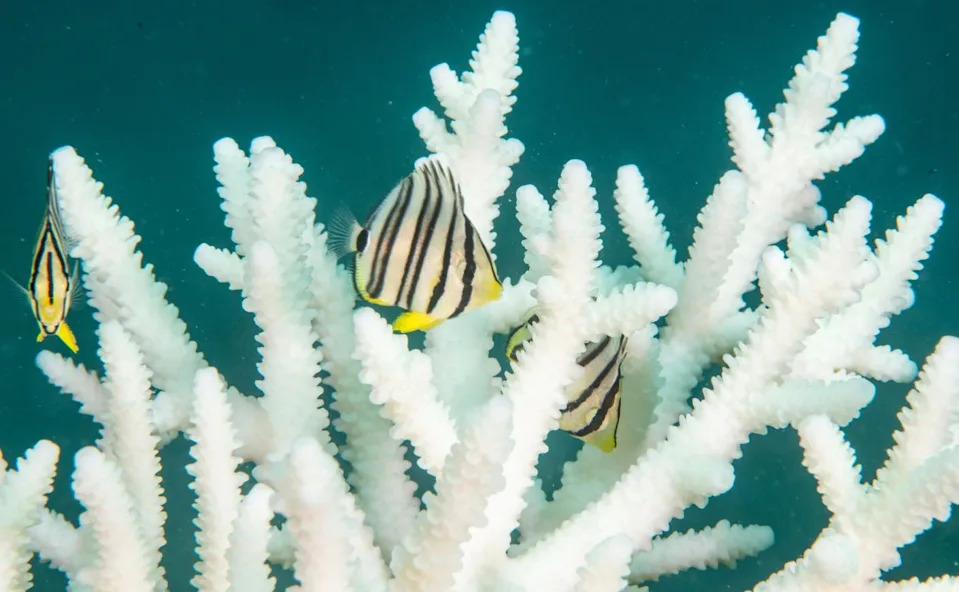
Butterflyfish take shelter among the branches of a bleached coral. (Getty Images)
About half the time, dead material impeded recovery. For example:
- Tropical montane rainforest (Puerto Rico): Hurricane-generated debris blankets the forest floor, blocking light and reducing seedling recruitment, which slows canopy recovery.
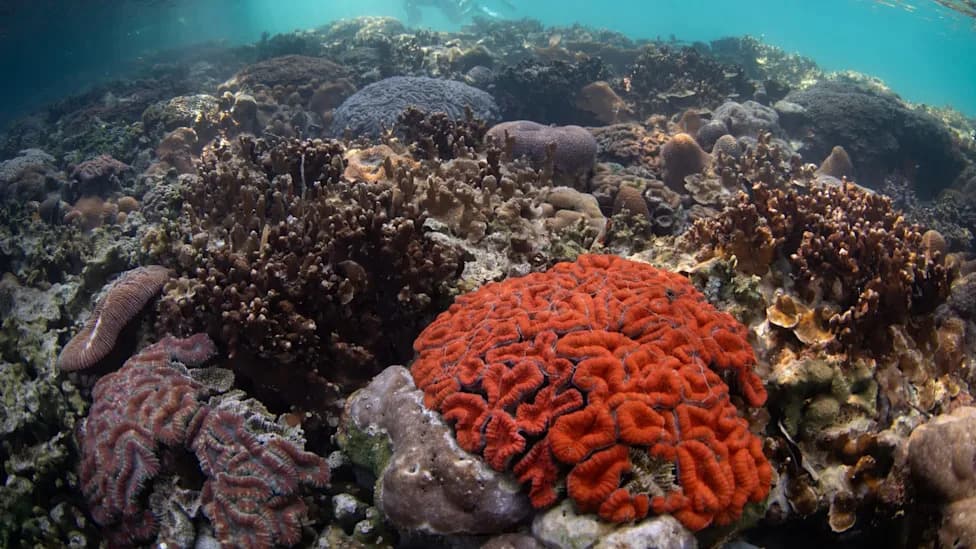
- Moorea coral reefs (South Pacific): Heat-driven coral bleaching leaves standing skeletons whose crevices provide niches for seaweeds. Seaweeds then outcompete coral for space, preventing coral reestablishment.
In other cases, dead organisms facilitated recovery:
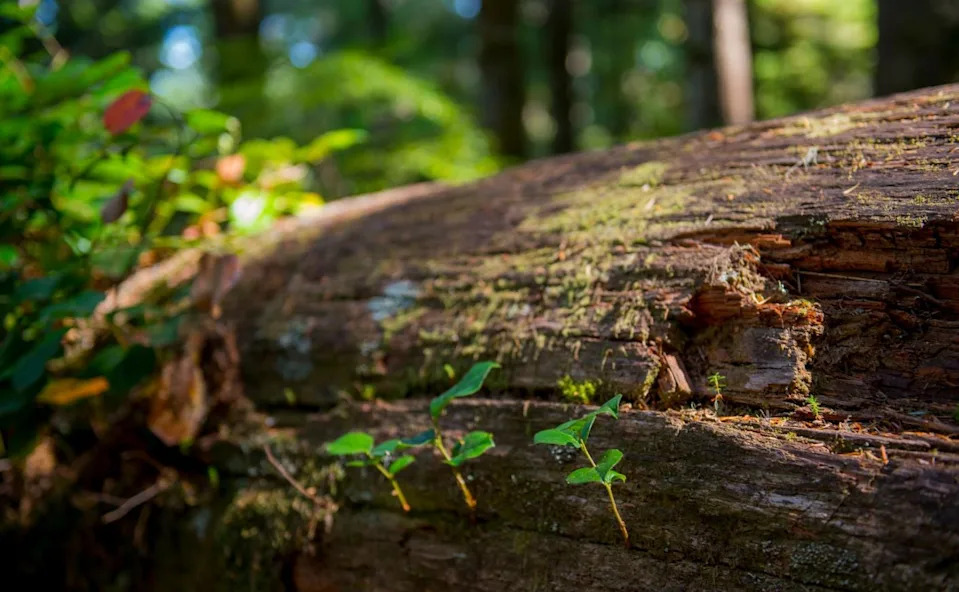
Plants growing out of a nursing tree in the old growth forest in the Sol Duc Valley, Olympic Peninsula in the Olympic National Park in Washington. (Getty Images)
- Florida Everglades mangroves: Storm-driven leaf litter delivered nutrient pulses to root tangles, boosting new root production and accelerating recovery.
- New England eastern hemlock stands: Standing dead trees left by the woolly adelgid sometimes moderate microclimate conditions and help young saplings establish.
Practical Management Lessons
Understanding when dead material helps or hinders recovery gives managers tools to guide resilient outcomes. Examples of interventions include:
- Felling certain standing dead trees to create nurse logs that slowly release nutrients and shelter seedlings.
- Using prescribed burning to remove dense litter that would otherwise suppress grass regeneration.
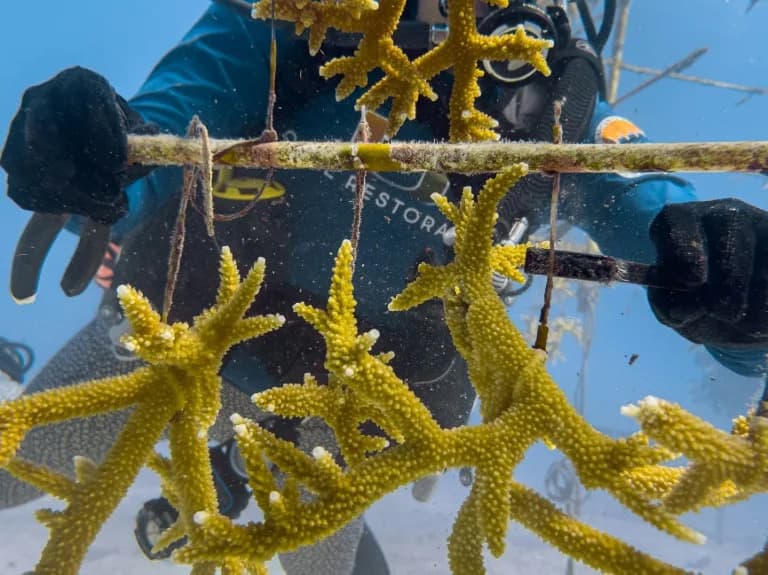
- Depositing cleaned oyster shells on mud flats and stabilizing or removing coral rubble to create firm substrate for recruits.
As climate change increases the frequency and intensity of extreme events, these afterlives of foundation species will play a larger role in shaping recovery trajectories. Recognizing the dual nature of death — both as an obstacle and as a resource — can help people design targeted interventions that promote ecosystem resilience.
Conclusion
When you hike a forest or snorkel a reef, life is visible and compelling. But death is present too, and its remnants matter. Learning to read ecological memory and to use the remains wisely will improve our ability to help nature — and ourselves — thrive in a changing world.
Authors: Kai Kopecky, community ecologist, University of Colorado Boulder; Dr. John Kominoski, professor, Institute of Environment & Department of Biological Sciences, Florida International University.
This article is based on research published in Science Advances and data from the NSF Long-Term Ecological Research network.
Help us improve.