Two years after the Ashland Mill Dam was removed in 2024, more than 750 alewife floater mussels were reintroduced upstream in the South Anna River. The mussels had become locally "functionally extinct" after migratory fish like herring were blocked by the dam, preventing them from transporting mussel larvae. The project — led by the Chesapeake Bay Foundation with state agencies, tribal partners, and a $199,700 federal grant via Chesapeake WILD — highlights how dam removal can quickly restore critical ecosystem functions, including natural water filtration and food-web connections.
After 200-Year Barrier Falls, 750 ‘Functionally Extinct’ Mussels Return to Virginia’s South Anna River
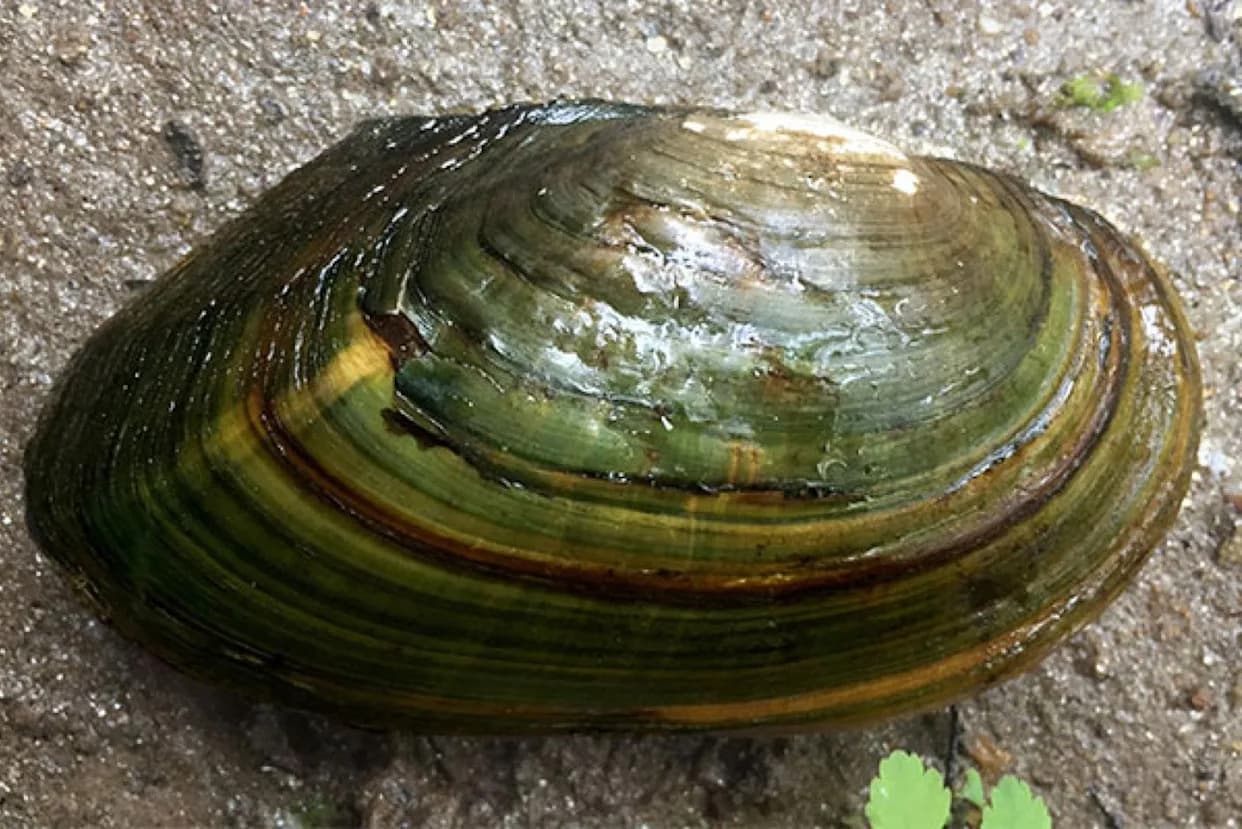
Photo Credit: Michael Perkins
More than 750 freshwater mussels that had been considered "functionally extinct" in their native stretch of Virginia’s South Anna River were reintroduced upstream two years after removal of the Ashland Mill Dam.
The Ashland Mill Dam, which had blocked fish passage through this reach of the river for roughly 200 years, was purchased and removed by Davey Mitigation in 2024 as part of a Clean Water Act mitigation-credit effort. With the barrier gone, migratory fish such as herring have begun reaching river sections they had not accessed in generations.
On Thursday, biologists and volunteers placed more than 750 alewife floater mussels back into the river as part of a coordinated restoration project. These mussels depend on certain fish species — especially herring — to carry their larvae (glochidia). When those fish were blocked by the dam, the mussels became locally "functionally extinct."
The reintroduction was led by the Chesapeake Bay Foundation in partnership with Virginia’s Department of Wildlife Resources and Department of Conservation and Recreation, and with active involvement from the Pamunkey and Mattaponi Indian Tribes. The project was supported by a $199,700 federal grant administered through Chesapeake WILD.
Why This Matters
Alewife floaters are natural water filters: each mussel can process up to about 15 gallons of water per day, removing sediment and helping to reduce pollutants. Restoring mussel populations improves water clarity and quality, benefits fish and other aquatic life, and strengthens the resilience of the whole river ecosystem.
Removing the dam did more than restore a stretch of river — it reopened migration routes, helped rebuild food webs, and accelerated ecological recovery that could otherwise have taken decades or longer.
The mussel reintroduction provides an encouraging example of how targeted restoration and barrier removal can produce rapid, measurable ecological gains when conservation groups, state agencies, tribes, and private partners coordinate funding and expertise.
Help us improve.