The 2019 beaver translocation program led by Emma Doden and Utah State University helped restore portions of the Price River by encouraging beaver dam-building, which increased water retention, improved fish habitat and boosted recreational use in Helper. While not every transplanted beaver survived, enough remained to measurably improve flows and ecosystem health six years later. Federal cleanup projects and stricter grazing rules also contributed, and similar reintroduction and artificial-dam efforts are underway statewide (KUER reported a ~230% increase in riparian habitat on a restored San Rafael River reach).
Beavers to the Rescue: How Translocated Beavers Helped Revive Utah’s Price River After Six Years
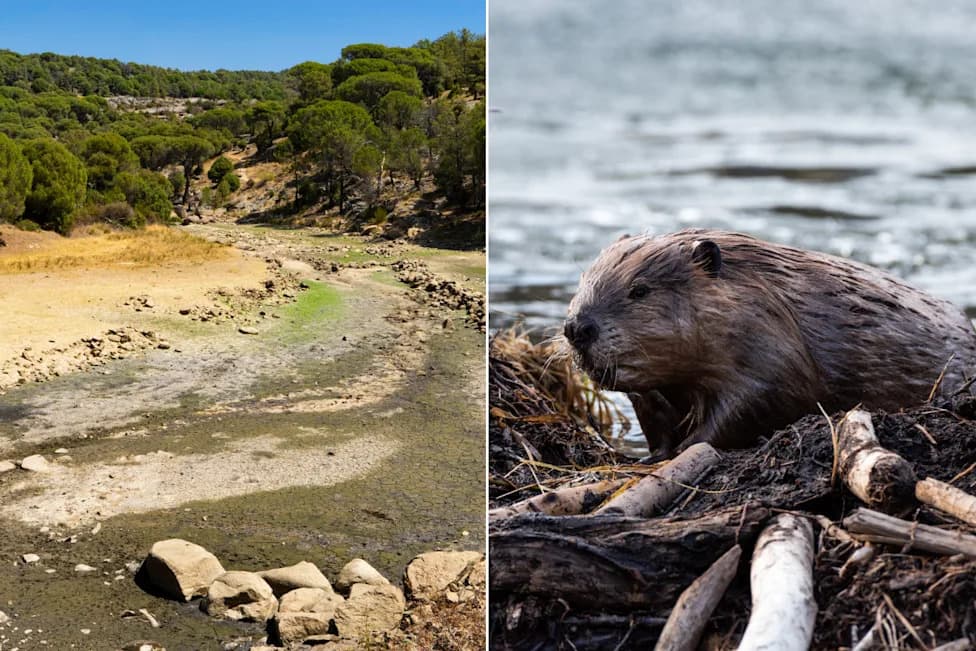
Can outsider beavers save this dried up river?
Rivers in arid landscapes depend on a fragile balance of hydrology, vegetation and seasonal flows. In recent years, drought, intensive agriculture and pollution have pushed tributaries of the Colorado River Basin—including streams in Utah and Colorado—toward ecological collapse. When channels run dry, fish and other aquatic life die, and wildfire risk increases.
An Unconventional Restoration Strategy
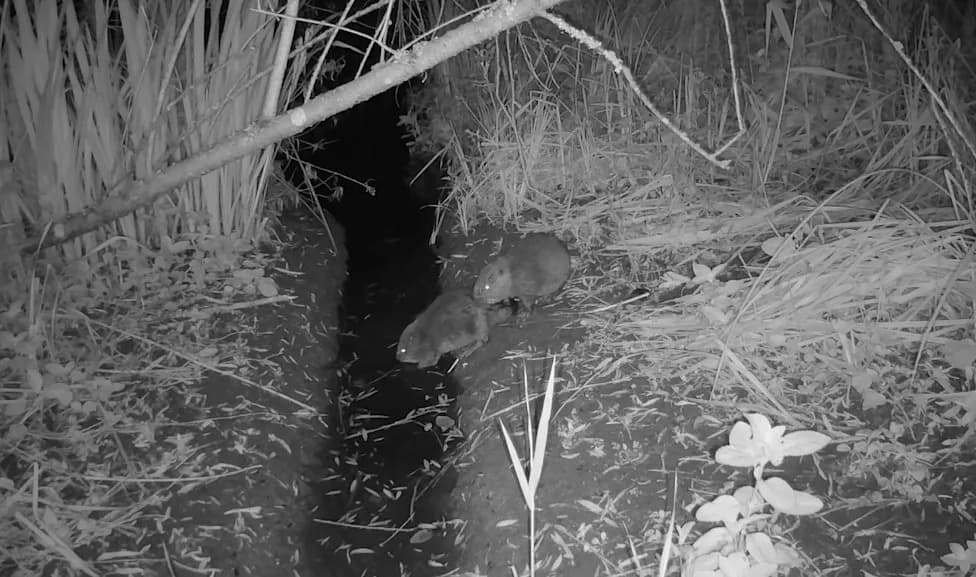
In 2019, master's student Emma Doden and researchers at Utah State University launched a beaver translocation program designed to restore wetland habitat on the Price River. The team captured beavers that had been removed from other locations because they were considered nuisances, threatened by development, or at risk themselves. After brief quarantine and health screening, many of those animals were released into targeted reaches of the river.
Why Beavers?
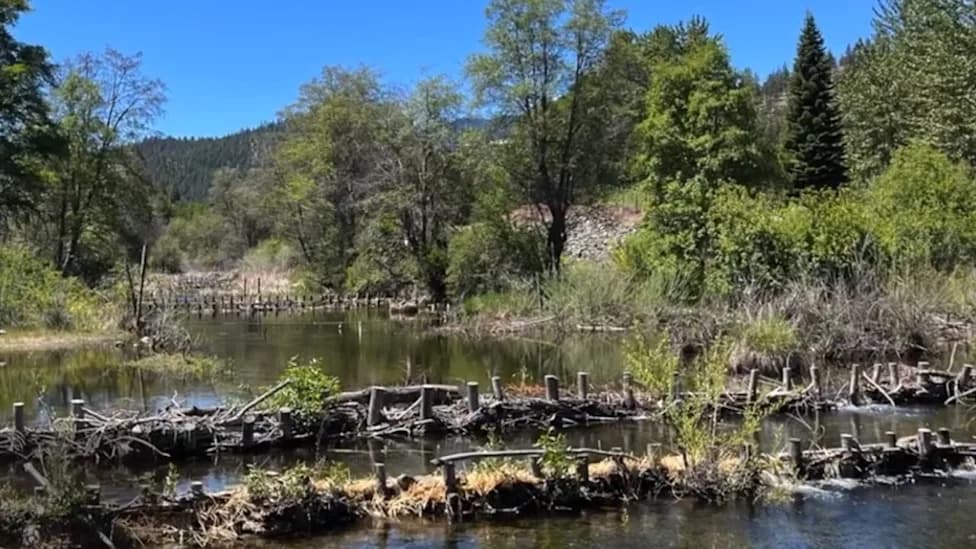
Beaver engineering slows and spreads water. Dams create ponds and wetlands that store water, recharge groundwater, improve water quality and provide refuge for fish and wildlife during dry periods. In many systems, the presence of beavers increases nutrient retention, supports richer aquatic communities and helps moderate wildfire risk by maintaining moist riparian corridors.
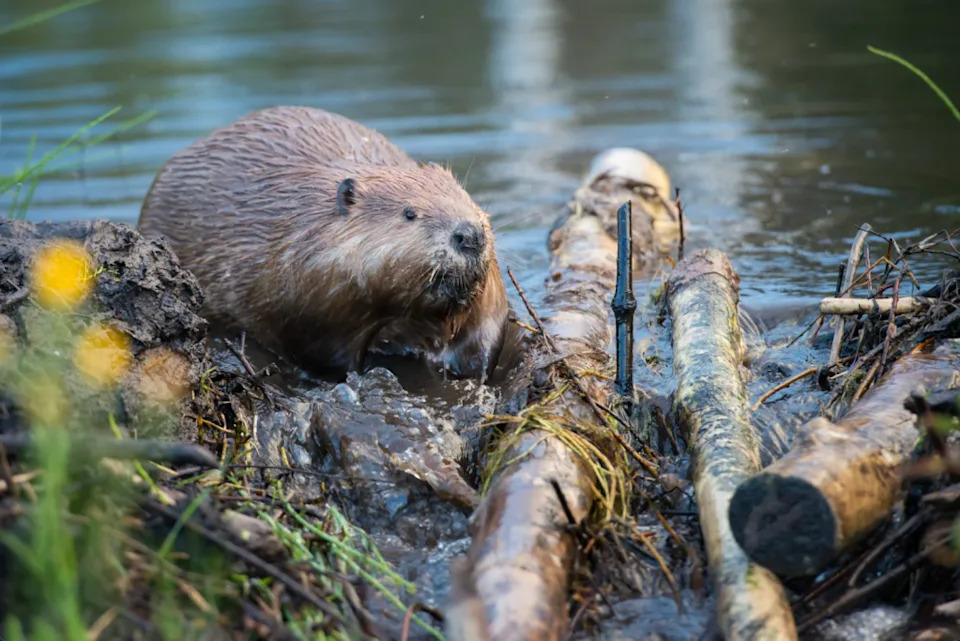
A beaver in a river building a dam. Photo credit:Canva
Results After Six Years
Not every transplanted beaver survived or remained in place—some failed to adapt, were taken by predators, or dispersed—but enough stayed and built dams that the river’s hydrology began to change. By 2025, a column in The Salt Lake Tribune reported that stretches of the Price River were the healthiest they’d been in years: higher base flows, recovering fish populations and renewed recreational use that helped support the local economy in Helper.
“On warm days the revitalized Price River now attracts locals and visitors for kayaking, tubing and fishing,” the column noted, describing how recreation returned to a stretch that a decade earlier had seemed unlikely to recover.
Not a Silver Bullet—But Powerful
Researchers emphasize that beavers were not the only factor in the recovery. Federal investments removed debris and failing infrastructure, and tighter grazing regulations helped restore riparian vegetation. Still, experts say beaver dam-building accelerated recovery in ways that are difficult to replicate with human engineering alone.
Scaling Up Restoration
Similar projects are underway across Utah: managers are reintroducing beavers or installing artificial beaver dams (aka “beaver dam analogs”) to kick-start habitat restoration and hope the animals will maintain and expand improvements. KUER reported that on a stretch of the San Rafael River where beavers recolonized after a natural flood, riparian habitat increased by roughly 230% and flow patterns became substantially more diverse.
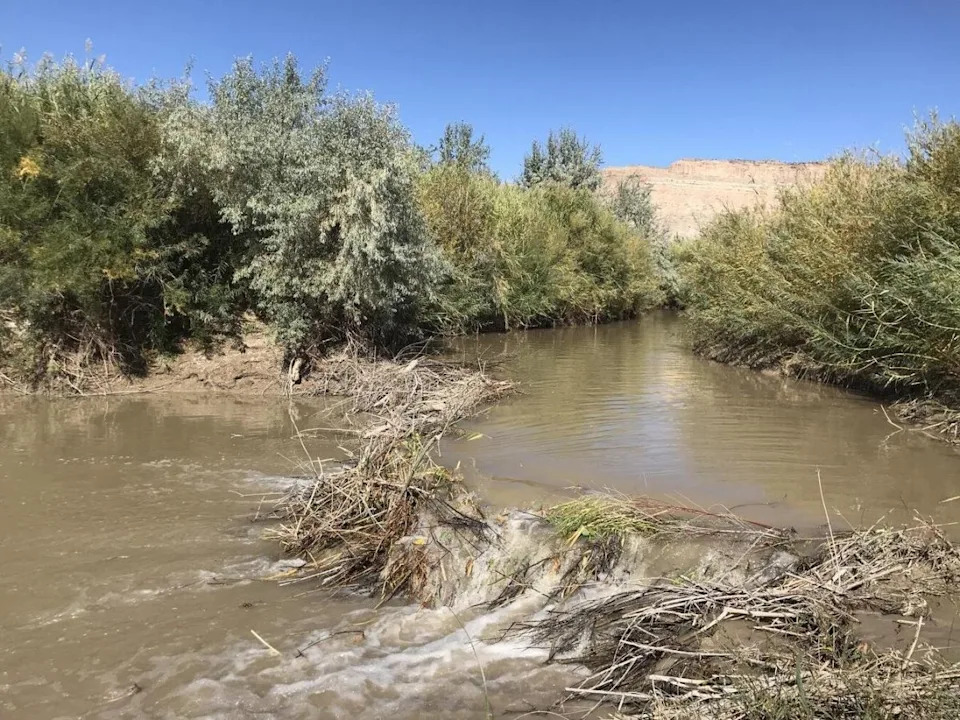
An actual beaver dam on the now-thriving Price River. Photo credit:Public Domain
From Pest to Partner
Beavers were nearly driven to extinction by the fur trade and later persecuted as pests. Conservation efforts and changing attitudes have helped their numbers rebound, and land managers increasingly recognize these rodents as keystone engineers whose dam-building can restore streams and wetlands in arid regions.
Whether by design or serendipity, the Price River project shows how targeted wildlife translocation, combined with infrastructure work and policy changes, can revive struggling waterways—and how an animal once maligned as a nuisance can become an ecological ally.
It’s about dam time.
Help us improve.