The Anacostia River pilot at Bladensburg Waterfront Park tests Green Mechanics' Algal Turf Scrubber, a device that encourages controlled algae growth to capture nutrients, chemicals and sediment. As the algae grow they release dissolved oxygen, helping prevent oxygen-depleted 'dead zones.' The pilot complements runoff reduction and wastewater upgrades and could reduce cleanup costs and improve recreation and habitat if scaled.
Maryland Park Tests Algae-Based Scrubber To Trap Pollution, Boost River Oxygen
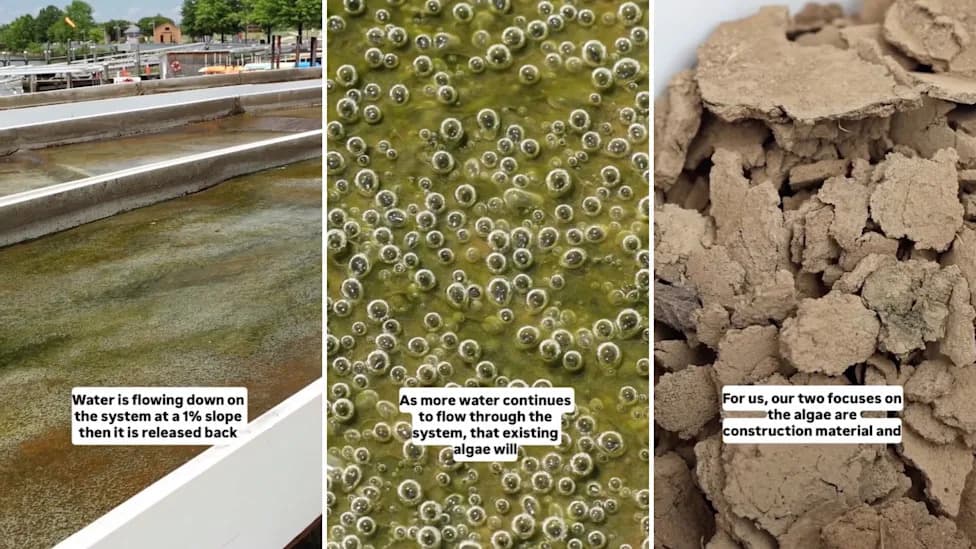
Photo Credit: Instagram
A pilot Algal Turf Scrubber from Green Mechanics is operating on the Anacostia River at Bladensburg Waterfront Park in Maryland, intentionally encouraging algae to grow on engineered surfaces so it can capture nutrients, chemicals and sediment before those pollutants spread downstream.
How the System Works
The device promotes fast-growing algae on a controlled surface where the plants absorb excess nutrients and trap suspended sediment. As the algae grow, they also release dissolved oxygen into the water, improving conditions for fish and other aquatic life. Periodically, the algal biomass is harvested, removing the locked-up nutrients from the river system.
Why This Matters
“Although algae is naturally occurring, an overabundance can lead to harmful algal blooms that suck oxygen out of the water, causing suffocating 'dead zones,'” the Chesapeake Bay Program wrote when highlighting the technology.
Harmful algal blooms are commonly driven by excess nutrients from fertilizer runoff, wastewater and other sources. When blooms grow too large, they deplete oxygen and create conditions that can be devastating for fish, wildlife and recreational uses such as fishing and paddling. By capturing nutrients earlier in the watershed, the scrubber helps reduce the chance that those blooms will form.
Bigger Context: Complementary Solutions
The Anacostia pilot is part of a wider effort to limit pollution before it becomes a larger ecological problem. Such ecological-engineering approaches are intended to complement established strategies like reducing runoff, restoring wetlands and upgrading wastewater systems.
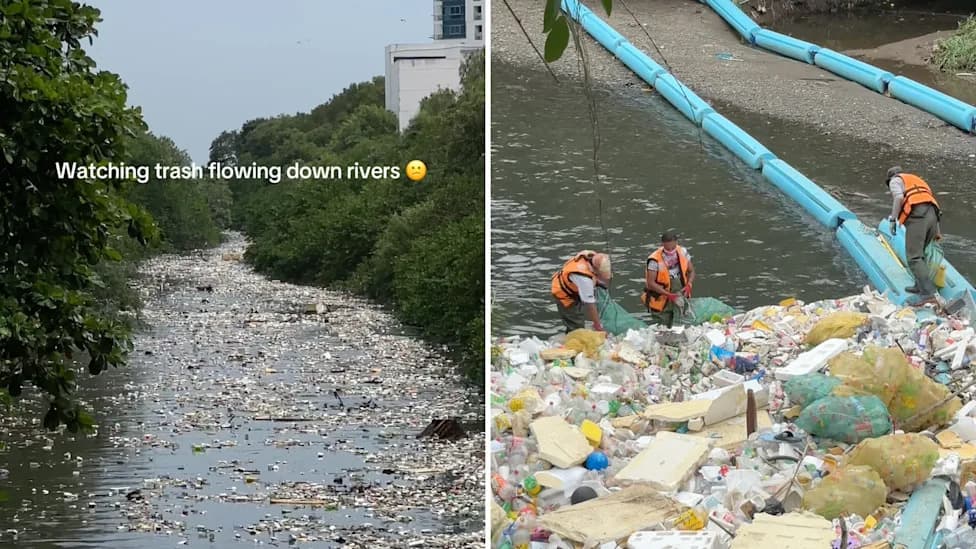
Related efforts around the world include state investments in Florida to combat dangerous algae outbreaks, scientific advances using algae chemistry for cleaner energy, The Ocean Cleanup deploying an interceptor in a polluted river in Thailand, volunteer-built river barriers that trap floating trash, and startups developing microfiber filters to curb plastic pollution at the household level.
Outlook
By visibly demonstrating how algae can be used as part of the cleanup process, the pilot offers a practical tool communities can add to other restoration measures. If implemented at scale and paired with upstream pollution reductions, such devices could help improve water quality, support wildlife and reduce long-term restoration costs.
Help us improve.