Michigan and tribal biologists are launching an emergency "genetic rescue" this fall to collect adult lake whitefish from Lake Michigan and breed them in captivity after invasive zebra and quagga mussels decimated juvenile survival. Initial seed funding includes $350,000 from the state and nearly $900,000 from the Great Lakes Fishery Trust, but that covers only a small portion of the 18 imperiled populations. Long-term recovery will require much larger, sustained investment—and federal legislation proposing $500 million for mussel research remains stalled in Congress.
Michigan Launches Emergency 'Genetic Rescue' to Save Great Lakes Whitefish
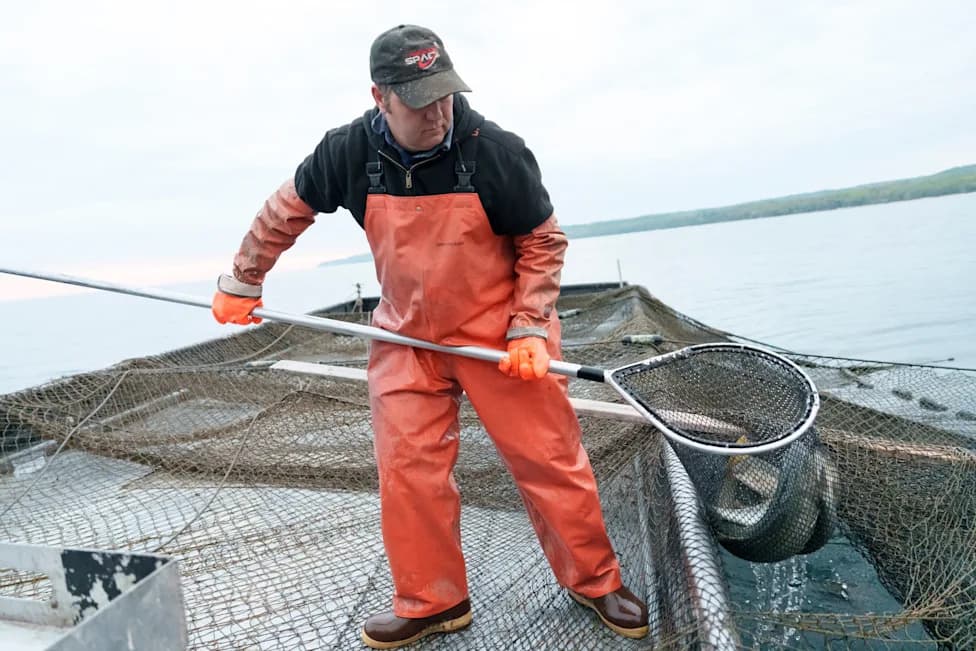
Joel Petersen carries a net of whitefish aboard a boat near Leland, Mich., 2025. (Josh Boland/Bridge Michigan via AP)
Michigan wildlife and tribal biologists are racing this fall to collect adult lake whitefish from Lake Michigan and breed them in captivity in an effort officials call a "genetic rescue." The rapid plan responds to catastrophic declines in juvenile survival after invasive zebra and quagga mussels fundamentally altered Great Lakes food webs.
Why The Rush?
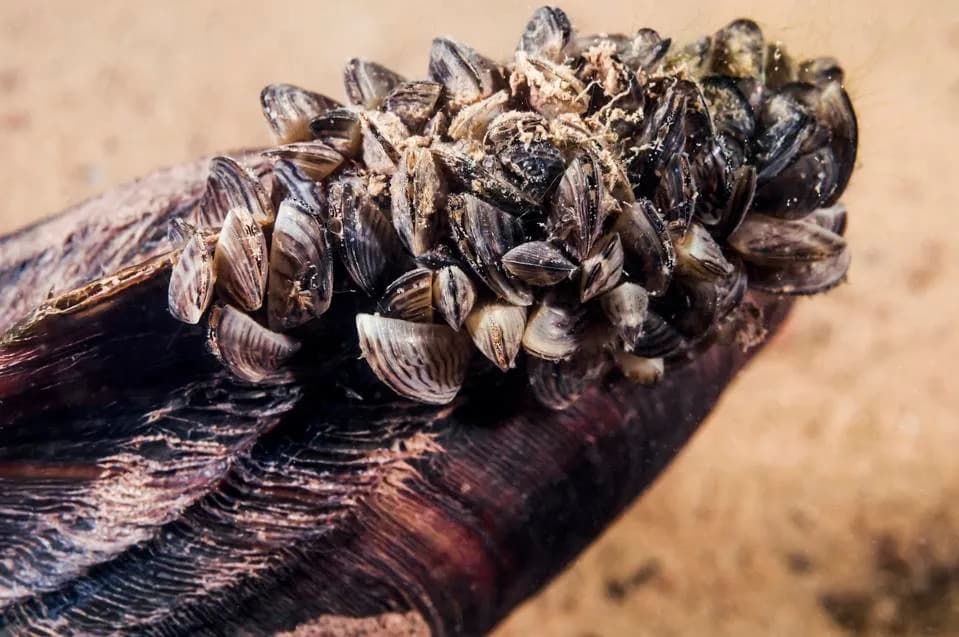
The mussels, introduced from Europe, filter vast amounts of plankton from surface waters. That removes the primary food source for newly hatched whitefish and leaves the water so clear that fry risk lethal sun exposure. In many areas of Lakes Michigan and Huron, almost no hatchlings have survived to adulthood for roughly two decades.
What Officials Will Do
State and tribal teams from Naubinway to Saugatuck will collect spawning adults from multiple distinct populations this fall. Biologists plan to fertilize and incubate eggs at Wolf Lake State Fish Hatchery and then transfer juveniles to hatcheries across Michigan for longer-term care. Ideally, those fish would remain in human-managed refuges for years or even decades until mussel impacts lessen and wild habitat can support natural recruitment again.
"It's really about saving those genetic stocks right now," said Doug Craven, natural resources director for the Little Traverse Bay Band of Odawa Indians. "If we don't do it this year, there may not be enough wild fish in those stocks."
Funding And Scale
The initial pilot is funded with $350,000 from Michigan's recently passed state budget and nearly $900,000 from the Great Lakes Fishery Trust. That money will fund collection efforts, hatchery space, feed and short-term care, but officials stress it covers only a fraction of the need: there are 18 distinct whitefish populations in Lakes Michigan and Huron, and most are currently imperiled.
Dan Lord, manager at the Great Lakes Fishery Trust, said organizers hope a successful pilot will attract larger partners—neighboring states, federal agencies and Canadian authorities—to scale up the effort.
Broader Context And Challenges
Commercial whitefish landings have fallen sharply, from 6.9 million pounds in 2009 to under 2 million pounds last year, and the remaining adults are aging. Scientists have not found an effective, scalable control for zebra and quagga mussels, and long-term recovery will require substantial, sustained investment. A recent Bridge Michigan analysis found mussel research underfunded, with some researchers cobbling gear from scrap materials.
In response, U.S. Reps. Debbie Dingell and Tim Walberg of Michigan introduced legislation proposing $500 million over 10 years for mussel control research, but the bill has not advanced in Congress.
What's Next
State, federal, tribal and nonprofit scientists are developing a menu of refuge and recovery options—expanded hatchery programs, inland ponds or lakes used as refuges, and new attempts to encourage river spawning. Officials emphasize that protecting genetic diversity now will give managers more options for rebuilding wild populations if and when mussel impacts can be controlled.
"Whitefish are the canary in the coal mine," Craven said. "They're not the only species affected by quagga mussels, so addressing this is crucial for entire Great Lakes ecosystems and fisheries."
Help us improve.