France announced three new strict marine protection zones on World Oceans Day, bringing strictly protected waters to 14.68%. The sites include Guadeloupe coral reefs, the Bay of Audierne (Finistère) to aid the Kentish plover, and a deep-sea sector of the French Southern and Antarctic Lands. The designations build on a December label for 63 strong protection sites and are paired with a 2026–2030 plan to cut plastic waste. Officials highlighted growing international backing for the High Seas Treaty ahead of the UN Ocean COP in January 2027.
France Expands Strict Marine Protections to 14.68% With Three New Zones
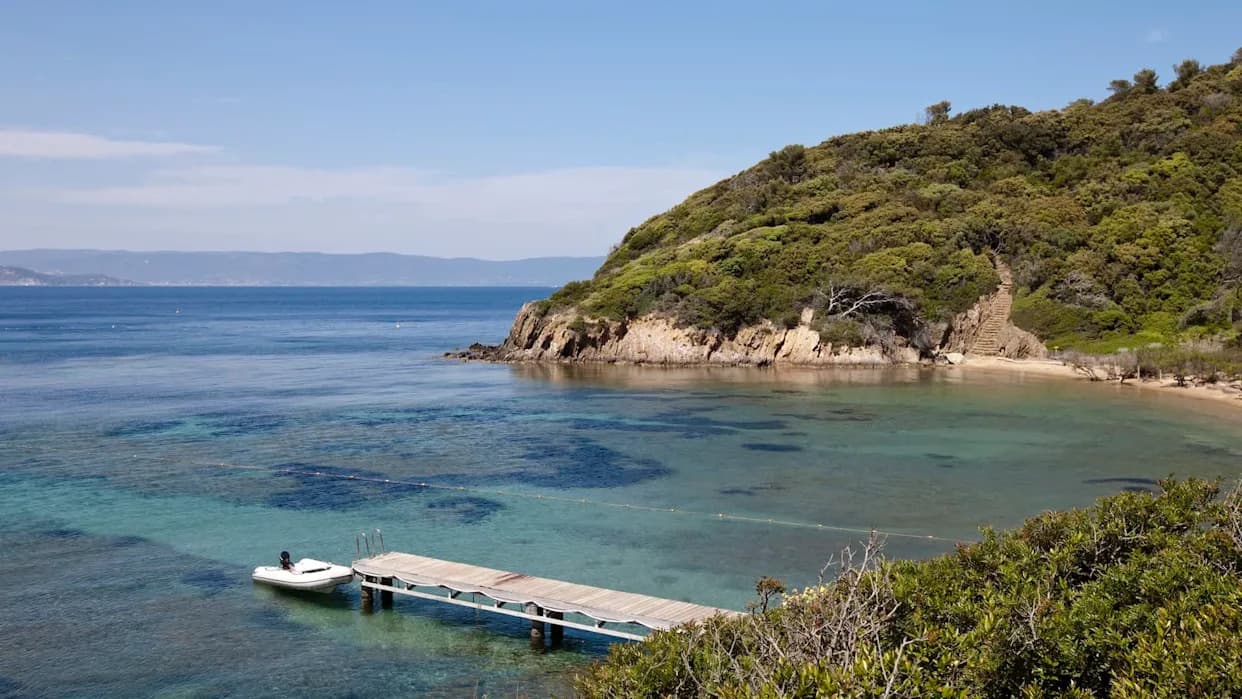
Photo Credit: iStock
France announced three new strict marine protection zones on World Oceans Day, raising the share of its strictly protected waters to 14.68%. The move targets diverse environments — from shallow coral reefs to deep-sea floors — and is intended to deliver environmental and socio-economic benefits for coastal communities.
What Was Designated
According to Radio France Internationale, the newly protected areas include:
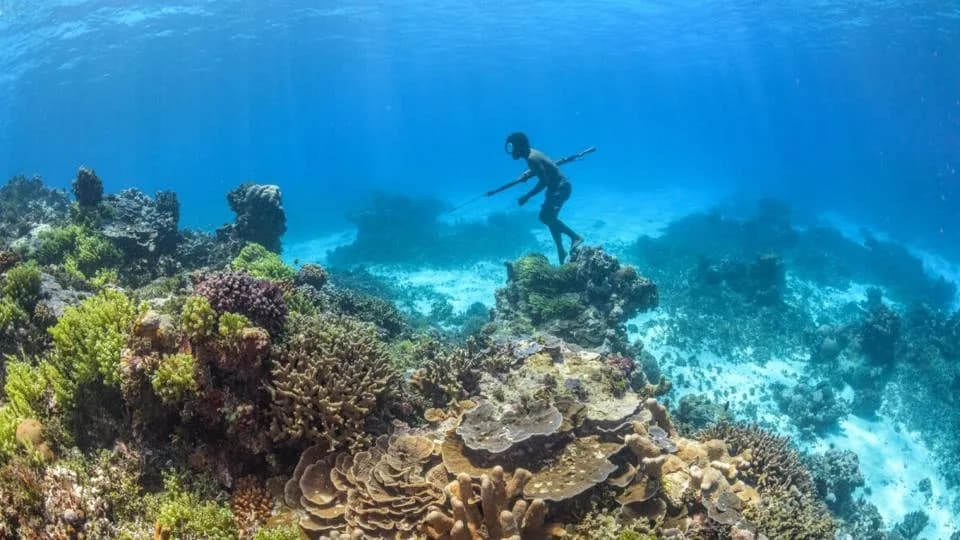
- Coral reef habitats around Guadeloupe that shelter sea turtles;
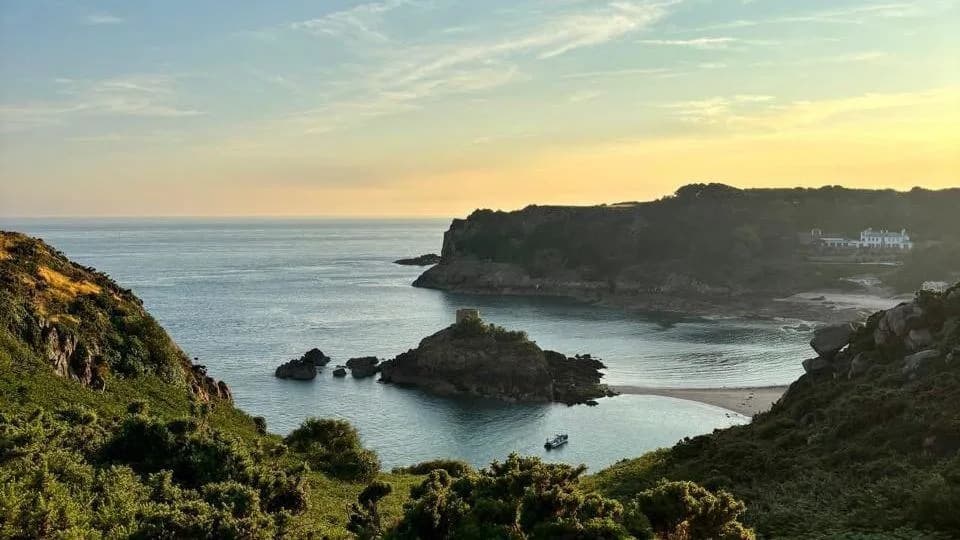
- The Bay of Audierne off Finistère, where protections are aimed at supporting the Kentish plover;
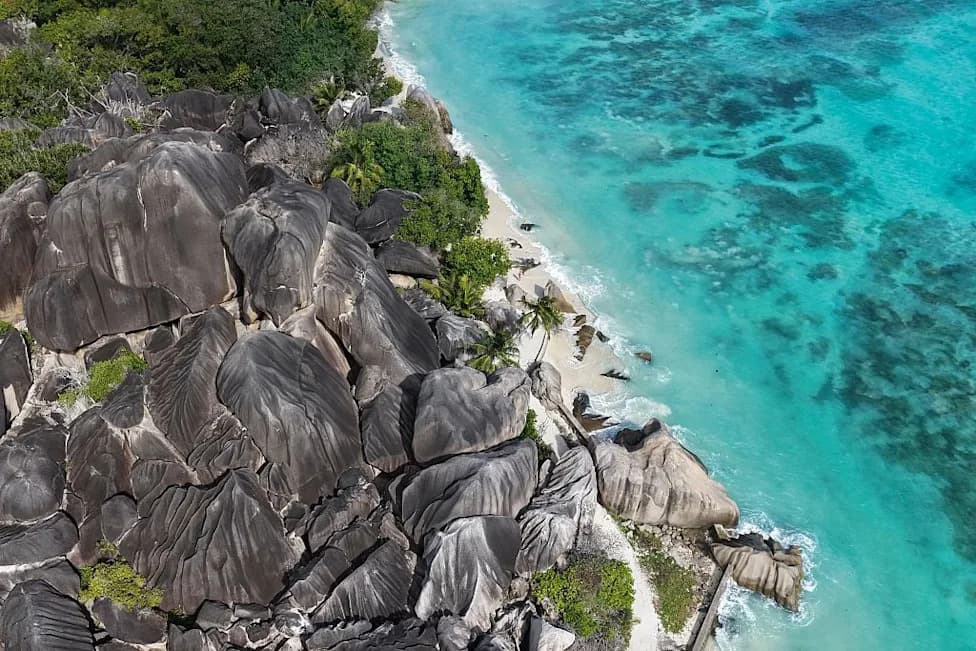
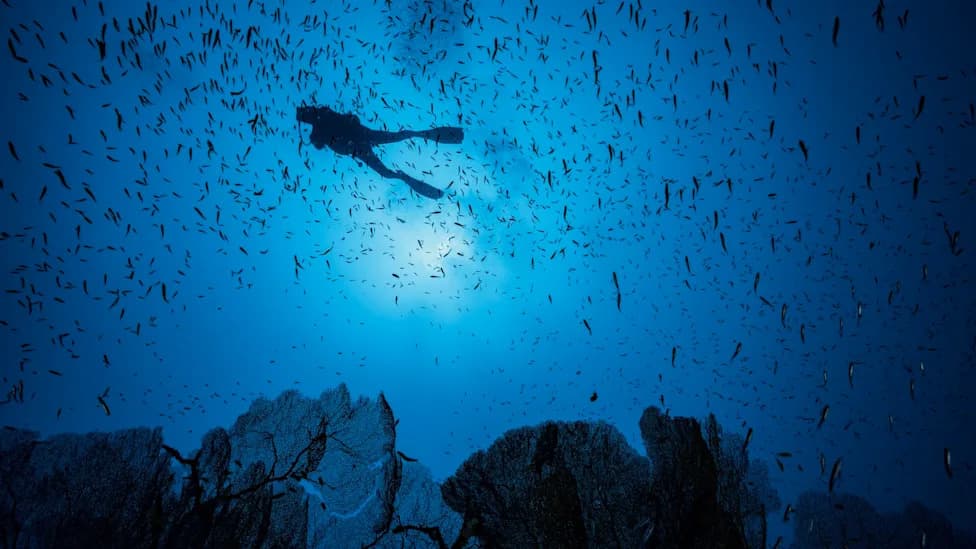
- A sector of the French Southern and Antarctic Lands whose seabed drops below 2,500 metres.
Scope of Protections
Zones designated for strict protection ban or heavily restrict activities such as commercial fishing, resource extraction and many forms of tourism to allow ecosystems to recover from overuse and pollution.
Why It Matters
Strict protection helps fragile ecosystems rebound, which produces tangible benefits for people: healthier coral reefs can support fisheries and tourism while buffering coastlines from storm damage, and conserving seabirds and sea turtles strengthens the wider marine food web that coastal economies rely on. Those ecological gains can help preserve local jobs, food sources and shoreline resilience.
National And International Context
At the Neptune Forum in Paris — billed as the "Davos of ocean exploration" — Monique Barbut, France’s minister for ecological transition, said the country is approaching its national target. "We are moving much closer to the objective we set for ourselves at the UNOC (the United Nations Ocean Conference in June 2025) of reaching 14.8% by the end of this year," she said.
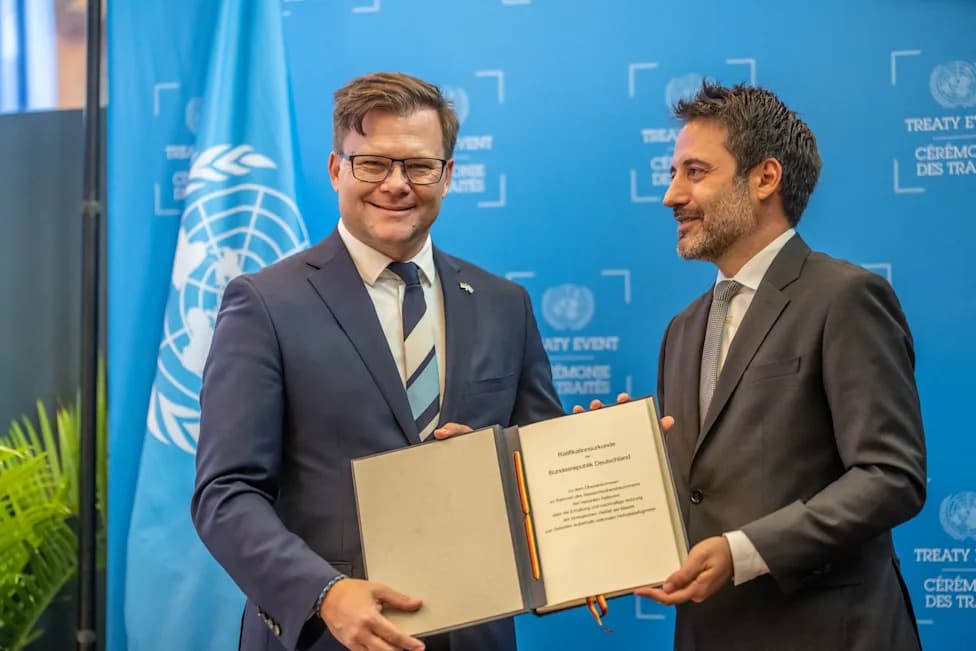
Olivier Poivre d'Arvor, France’s ambassador for oceans and polar affairs, noted growing international support for the High Seas Treaty and said officials hope to bring more than 120 countries to the first UN Ocean COP in New York on 11 January 2027.
These designations build on a December rollout of a "strong marine protection zones" label covering 63 sites, including the marine core of Port-Cros National Park and a reserve near the Île de Ré.
Complementary Actions
France paired the new protections with a 2026–2030 action plan to tackle plastic waste. The Ministry of Ecological Transition emphasized the urgency: nearly 12 million tonnes of plastic enter the oceans each year, making plastic-waste reduction a priority for safeguarding marine ecosystems from inland waterways to coastal zones.
Bottom Line
By expanding strict protection and linking it to anti-plastic measures, France aims to boost marine recovery, protect coastal livelihoods and contribute to global ocean governance ahead of key UN meetings.
Help us improve.