Sara Kasperowicz, born with Neurofibromatosis Type 1 (NF1), noticed a rapidly changing growth on her left wrist in 2022 that was repeatedly misdiagnosed as a ganglion cyst. By March, tests confirmed the mass was cancerous and fused to a tendon; radiation failed to shrink it and surgery is scheduled for July. She estimates she has 28 tumours overall, is a single mother on unpaid leave, and hopes her experience raises awareness about the diagnostic and treatment challenges of NF1.
She Lived With 28 Tumours — A Growing Wrist Mass Was Finally Diagnosed As Cancer
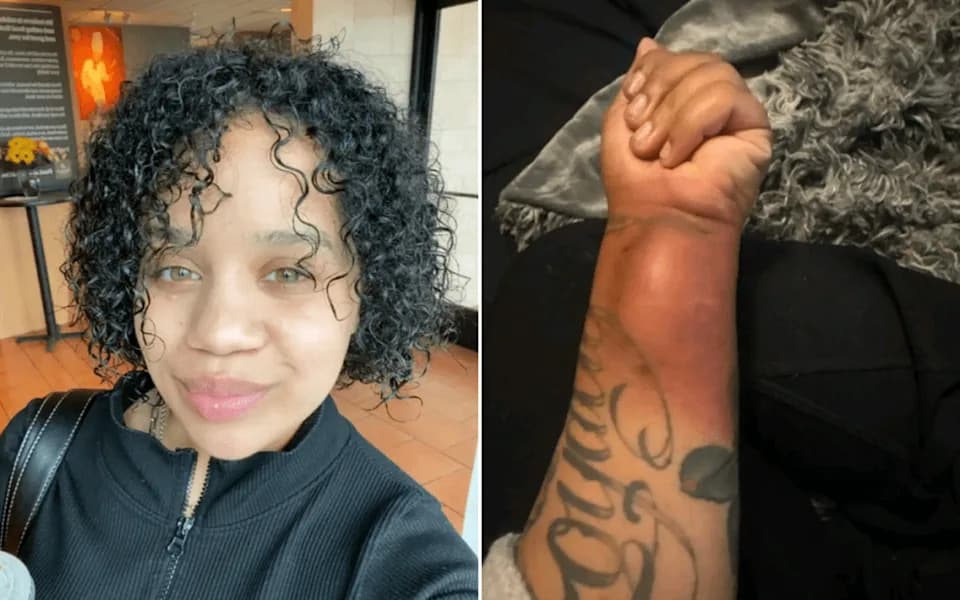
Sara Kasperowicz
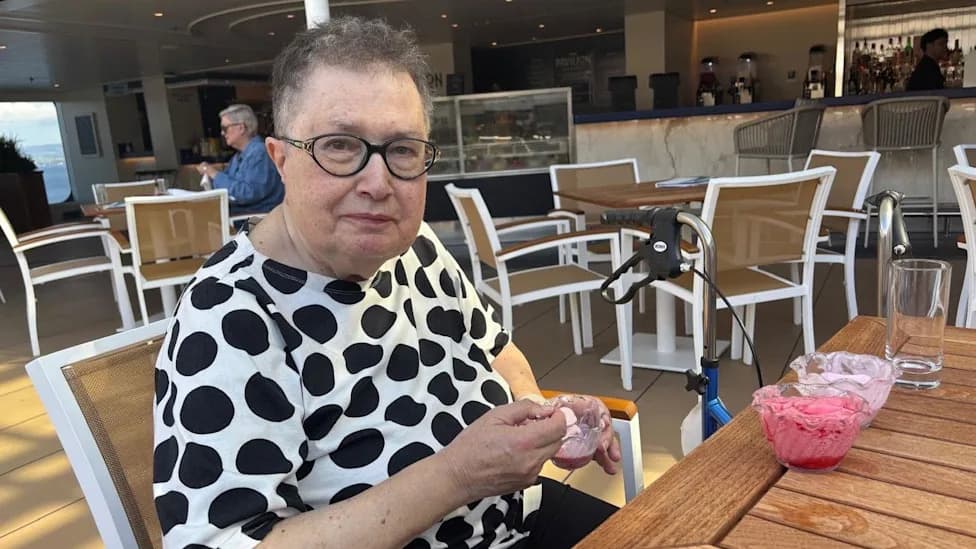
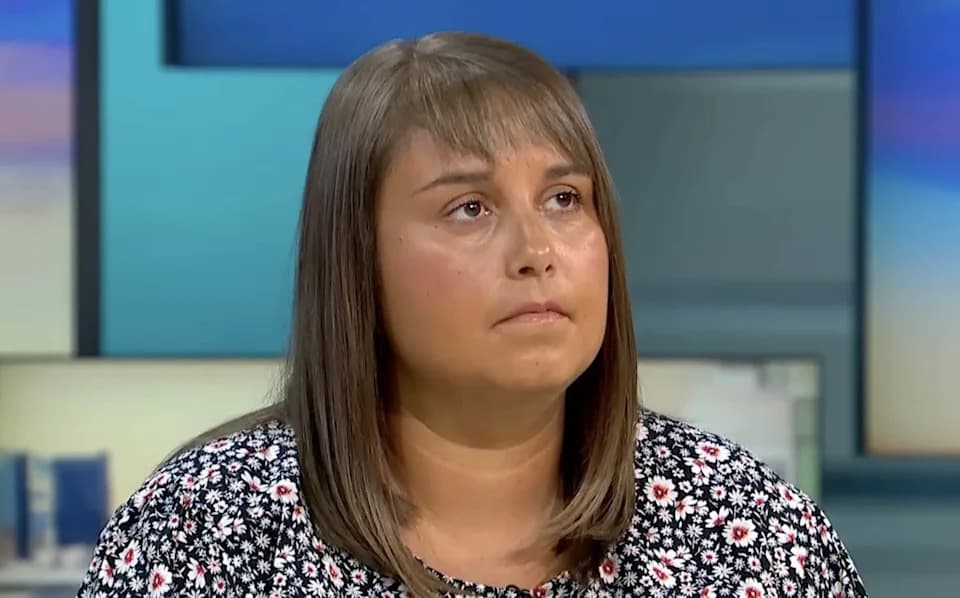
Sara Kasperowicz of Saint Joseph, Missouri, has lived her whole life with multiple tumours after being born with Neurofibromatosis Type 1 (NF1), a genetic condition that most often causes benign nerve tumours and changes in skin pigmentation.
NF1 symptoms commonly appear in childhood and can include light brown "café‑au‑lait" spots, freckling in the armpits or groin, and soft lumps on or under the skin called neurofibromas. The condition can also cause learning difficulties, bone abnormalities or vision problems. NF1 affects roughly 1 in 2,500 to 3,000 people — about 0.03–0.04% of the U.S. population.
From Pregnancy Concern to Cancer Diagnosis
In 2022, while pregnant, Kasperowicz noticed a new lump on her left wrist that felt different from her usual growths. "It started off small, probably the size of a marble," she told Newsweek. Over time the mass grew and became more painful.
Despite repeated visits to doctors, urgent care clinics and emergency departments, the growth was repeatedly diagnosed as a ganglion cyst — a common, non‑cancerous, fluid‑filled lump that often appears near a joint or tendon in the wrist or hand. It was not until January of this year that clinicians began a more thorough investigation, and by March she received the confirmation she had feared: the wrist tumour was malignant and fused to a tendon.
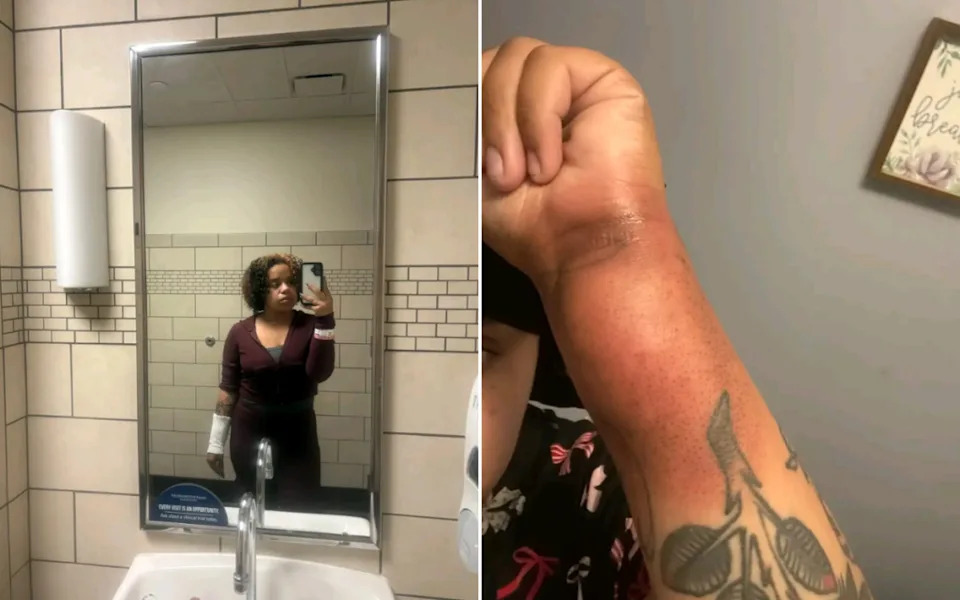
Sara Kasperowicz’s arm.
Treatment Challenges
Because the cancerous mass was attached to a tendon, her care team first attempted radiation in hopes of shrinking the tumour and preserving wrist function. "The tumour did not shrink, and the cancer was not affected by the treatment," Kasperowicz said, adding that the mass softened slightly in the centre but otherwise remained unchanged.
She is scheduled for surgery in July. Kasperowicz estimates she has 28 tumours across her body; the wrist lesion is the only one confirmed malignant so far. NF1 complicates treatment: targeting one tumour can, in some cases, irritate or change the behaviour of other tumours, and clinicians must weigh the risk that radiation or surgery could prompt growth or malignant change elsewhere.
"Treating one specific tumour can have a cause-and-effect reaction," she explained. "Radiation treatment like I had runs the risk of irritating other tumours in my body, causing them to grow or become cancerous. Having surgery on my wrist in July could potentially irritate the other tumours as well."
Life, Family and Advocacy
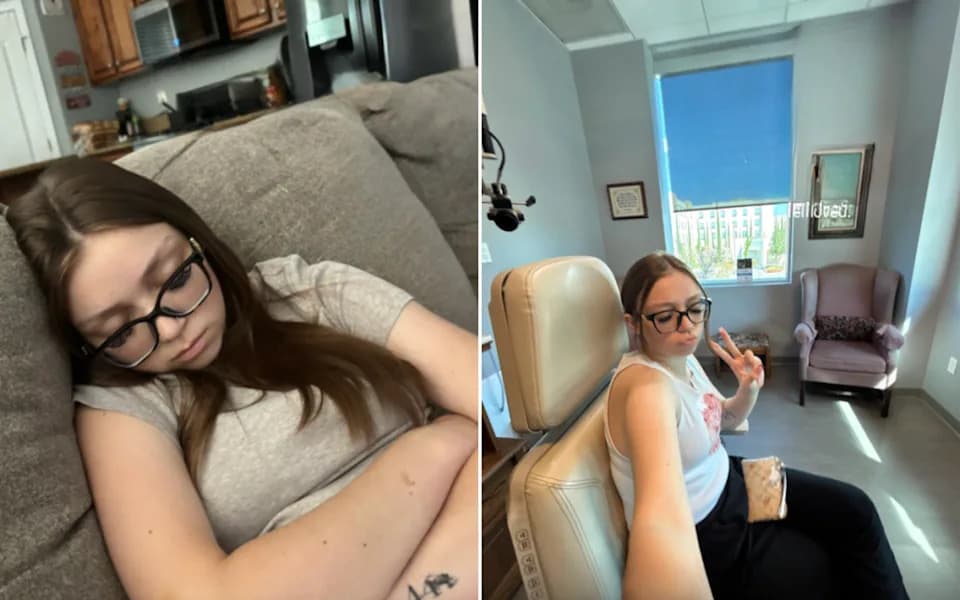
Kasperowicz says she feels very tired, is in significant pain and faces an uncertain future. She is a single mother currently on unpaid leave from work while she prepares for treatment. Despite the difficulty ahead, she hopes to regain function in her fingers after surgery and is determined to raise awareness of NF1.
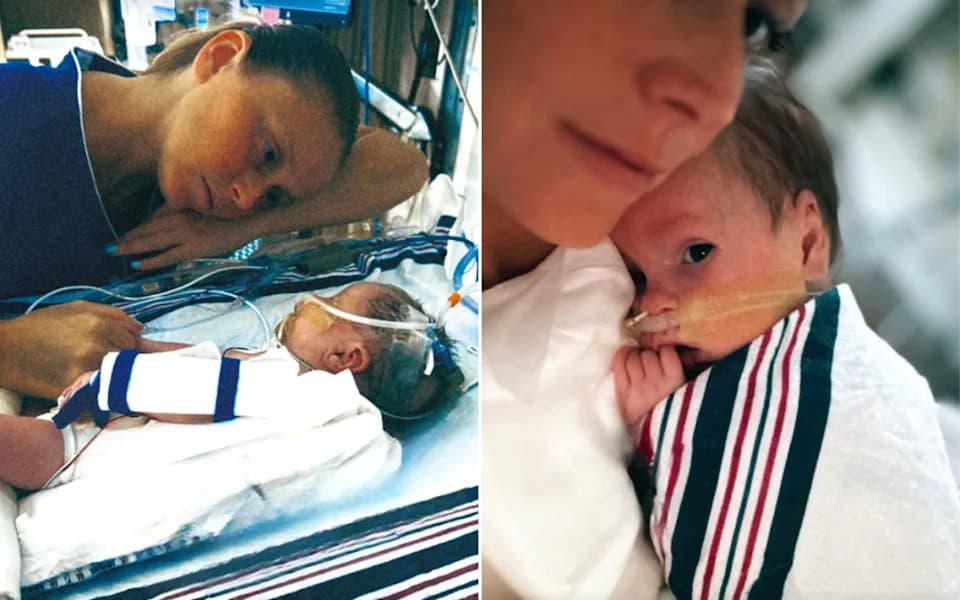
"I have two daughters, and one of them has the same genetic disorder I do," she said. Kasperowicz hopes that sharing her story will improve recognition of NF1 among patients and clinicians and lead to better care and research for this complex condition.
Note: NF1 is associated with an increased risk of some tumours becoming malignant (for example malignant peripheral nerve sheath tumours), so prompt evaluation of changing lesions is important. Patients with NF1 should maintain regular follow-up with clinicians experienced in the disorder.
Help us improve.