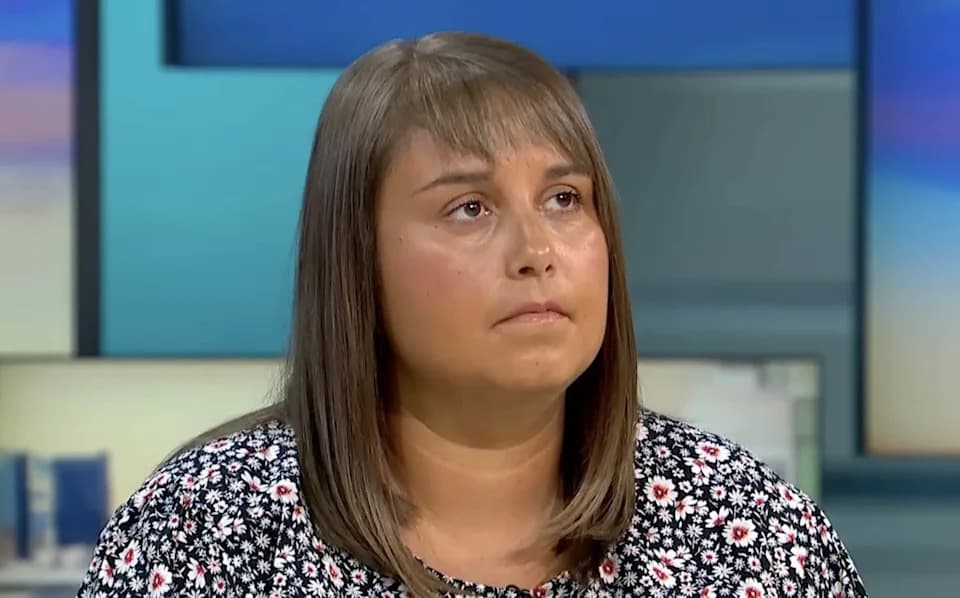
Maryam Moshiri, a senior BBC presenter, has disclosed a diagnosis of polycythaemia vera, a rare but treatable blood cancer, first identified in November 2024. She described undergoing multiple venesection sessions and immunotherapy and experiencing severe fatigue, hair loss and intense itching. Despite these challenges, Moshiri has continued to present and travel for work and is speaking out to raise awareness about the condition and its risks.
BBC Presenter Maryam Moshiri Reveals Treatable Blood Cancer Diagnosis, Urges Awareness
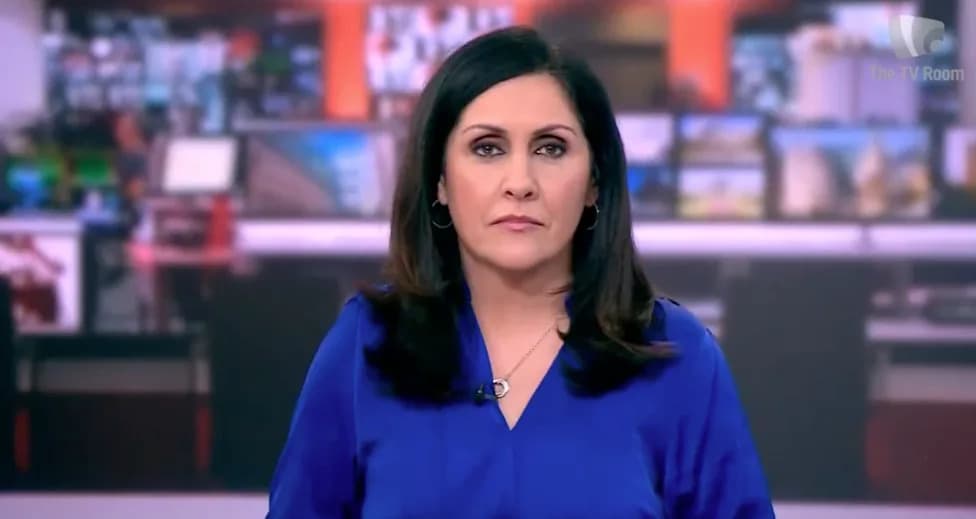
BBC News Presenter Maryam Moshiri Reveals She Has Incurable Blood Cancer
Maryam Moshiri, one of the BBC's most experienced news presenters, has revealed she is living with polycythaemia vera (PV), a rare but treatable form of blood cancer. She told BBC News and The Times she was diagnosed in November 2024 and has spent the past two years managing the condition.
What Is Polycythaemia Vera?
Polycythaemia vera is a blood disorder that causes the body to produce too many red blood cells, which can thicken the blood and increase the risk of blood clots. These clots can lead to serious complications, including strokes, heart attacks and deep vein thrombosis (DVT). While PV is considered long-term, it is often manageable with appropriate treatment and monitoring.
Treatment And Symptoms
Moshiri described undergoing repeated venesection (therapeutic bloodletting) — calling some sessions "debilitating" — and receiving immunotherapy as part of her care. She said:
"In about a space of five months, I had venesection seven or eight times. So you can imagine my iron levels hit the floor and I felt even more exhausted."
She reported severe fatigue, hair loss and intense itching. Explaining the exhaustion she said it felt "like someone has removed your battery completely," and that sleep made little difference.
Continuing To Work And Raising Awareness
Despite treatment and symptoms, Moshiri has continued to present BBC News and travel for work, including a period in Qatar during regional tensions. She said she felt it was important to speak publicly about her diagnosis to raise awareness and help others recognise possible symptoms.
Reflecting on uncertainty she added: "Even though I feel the best I have in two years, I don't know how I'm going to be in six months, one year, two years." She emphasised the need for ongoing vigilance and risk mitigation for people with PV.
Key Takeaway
While polycythaemia vera carries ongoing health risks, early diagnosis, regular monitoring and treatments such as venesection and immunotherapy can help patients manage the condition and continue with their lives.
Help us improve.