Becky Jones was wrongly diagnosed with a terminal brain tumour at 21 and spent more than 11 years on chemotherapy before independent experts found she had an inflammatory condition treatable with steroids. She is among 40+ patients suing University Hospitals Coventry and Warwickshire NHS Trust over allegedly prolonged temozolomide (TMZ) treatment linked to a retired consultant. A preliminary Royal College of Physicians review found extended TMZ courses were often given with "little or no evidence of benefit" and identified serious oversight failures. The trust has commissioned a full RCP review and says it is strengthening governance and support for staff and patients.
Woman Given 11 Years of Chemotherapy After Misdiagnosis — Trust Under Review
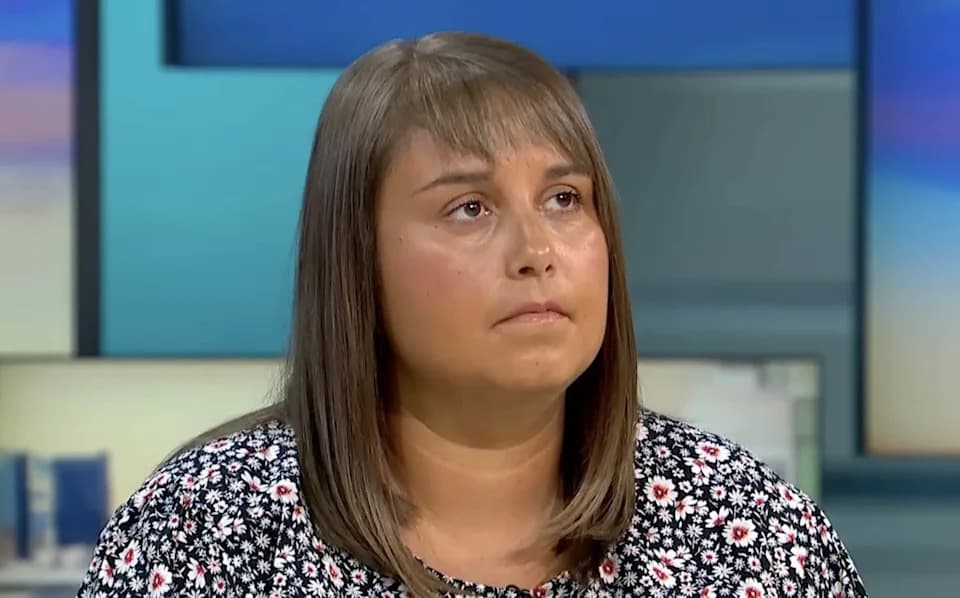
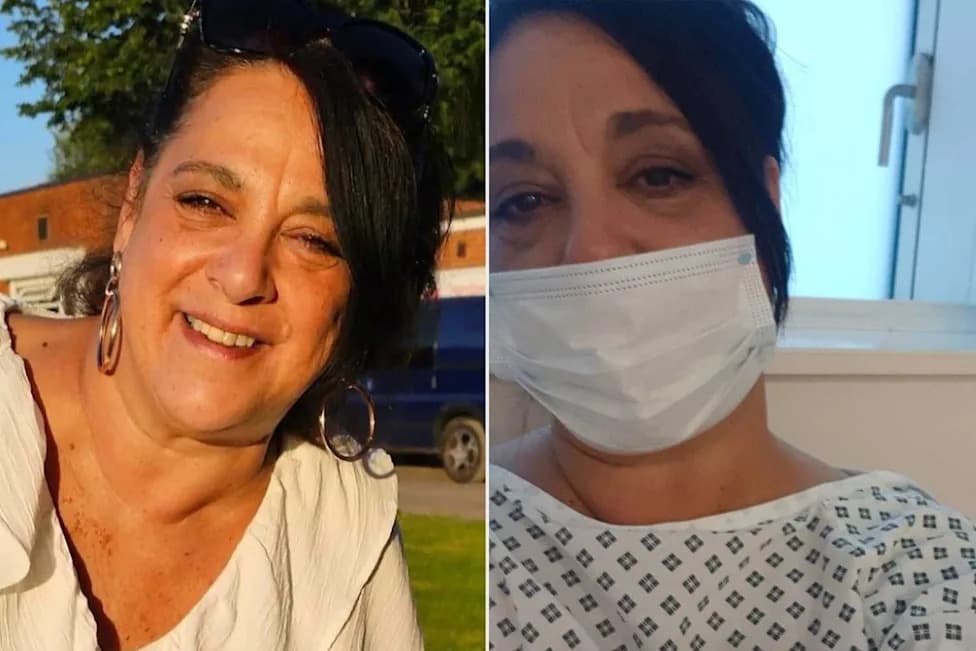
Becky Jones said the misdiagnosis had 'ruined' her life
Becky Jones was 21 when she was told she had a terminal brain tumour and given only months to live. Over the next 11 years she underwent repeated courses of chemotherapy, missing family events, abandoning her career and enduring severe side effects — before independent experts concluded in 2025 that she never had cancer.
What Happened
Ms Jones, now 34, was diagnosed in 2012 with a grade four glioblastoma after suffering severe migraines. She was prescribed the oral chemotherapy drug temozolomide (TMZ) and says she was repeatedly told that without the treatment she would die. In May 2025 an independent review of her records found she had tumefactive demyelination, an inflammatory brain condition that is potentially treatable with steroids rather than long-term chemotherapy.
Allegations and Wider Concerns
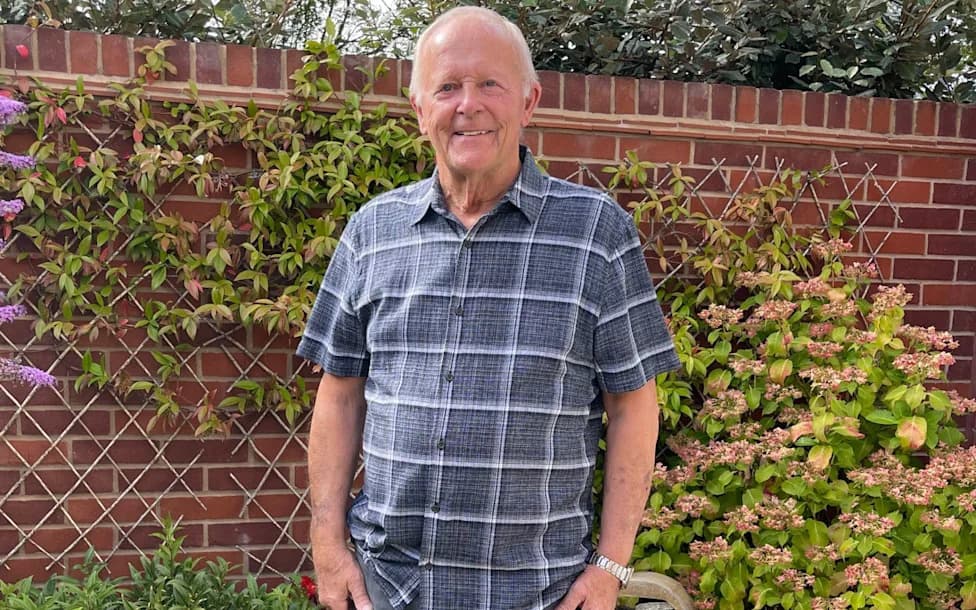
Ms Jones is one of more than 40 patients taking legal action against University Hospitals Coventry and Warwickshire (UHCW) NHS Trust over allegedly prolonged or unnecessary TMZ treatment linked to retired neuro-oncology consultant Prof Ian Brown. She alleges Prof Brown told her she would need TMZ for the rest of her life, despite clinical guidance that typically recommends six cycles over six months for adjuvant TMZ in high-grade brain tumours.
"I never had a brain tumour. I was misdiagnosed and I've gone through all this treatment for the main part of my adult life, for no reason," Ms Jones told the BBC.
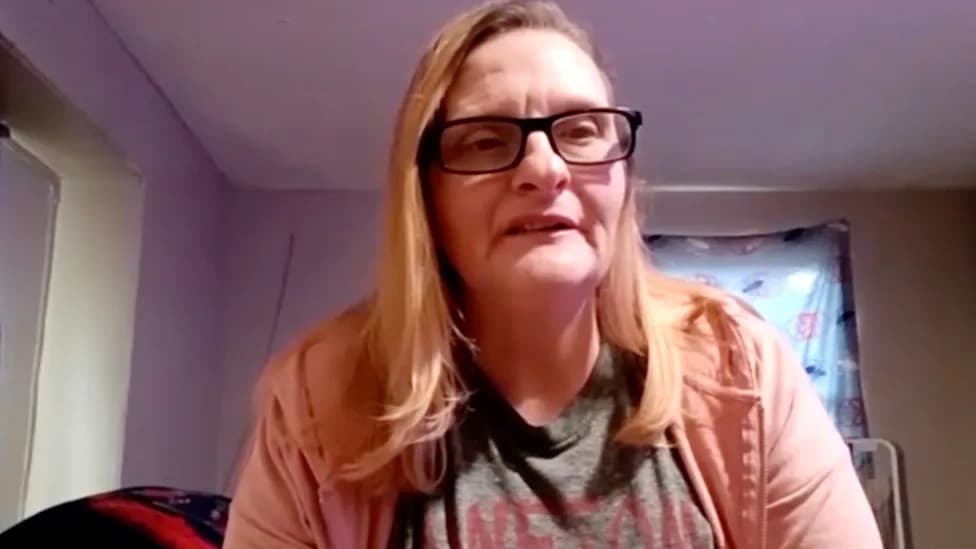
Other former patients have reported serious harms they attribute to extended TMZ use: one believes long-term treatment affected her fertility, and another alleges prolonged exposure contributed to a later diagnosis of leukaemia.

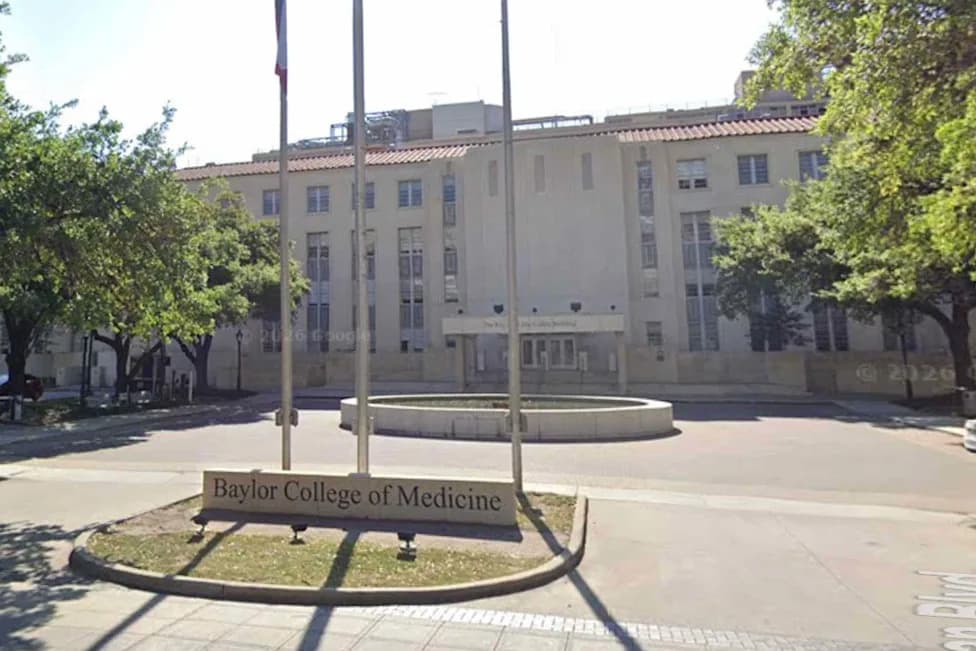
A review of the cases at University Hospital Coventry found patients were given prolonged courses of chemotherapy with 'little or no evidence of benefit' - PA/Alamy
Royal College of Physicians Review
Preliminary findings from a Royal College of Physicians (RCP) review — commissioned by the trust — found that extended courses of TMZ were often prescribed with "little or no evidence of benefit." The RCP reported staff failings that it said amounted to a "betrayal of patient trust," noting concerns about oncology pharmacy practices that allowed continuous supply of oral chemotherapy for 10–15 years in some cases. In the preliminary sample, 15 of 20 cases were judged "unsatisfactory overall."
Trust Response
A UHCW spokesperson said the trust has commissioned the RCP review and will publish it in the autumn. The trust says it has already taken actions based on initial feedback, reviewed all patients receiving TMZ at the time of the consultant's retirement, put care plans in place, and launched an independent review of its speak-up procedures to strengthen oversight and patient safety.
Ms Jones and her legal team say she was given no clear clinical explanation when her chemotherapy was stopped in 2024 other than Prof Brown's retirement. After instructing independent neurosurgeons and radiologists to review her scans, she was informed in May 2025 that her condition had been inflammatory rather than malignant.
Impact
Ms Jones describes years of "horrendous" side effects: constant nausea, stomach pain, relentless fatigue and recurrent infection risk that forced her to withdraw from social life, stop working as a CCTV operator and lose driving privileges. She says the misdiagnosis and prolonged treatment have had devastating personal consequences.
The trust encourages any patients with concerns about their care to contact its patient relations service. The RCP review and any further actions by the trust are awaited.
Help us improve.