Reese Willard, 40, experienced weeks of fatigue, night sweats and small red skin spots before widespread bruising led to emergency tests. A complete blood count showed platelets at 5,000/µL and peripheral testing found 87% myeloblasts; a bone marrow biopsy confirmed acute myeloid leukemia (AML). After intensive chemotherapy, septic shock and a 30-day hospitalization, Reese achieved deep remission and is recovering at home. His wife, Sarah, has been documenting their journey to raise awareness about early detection and support.
Sudden Bruises Led to Life-Threatening Diagnosis: A 40-Year-Old Dad's AML Story
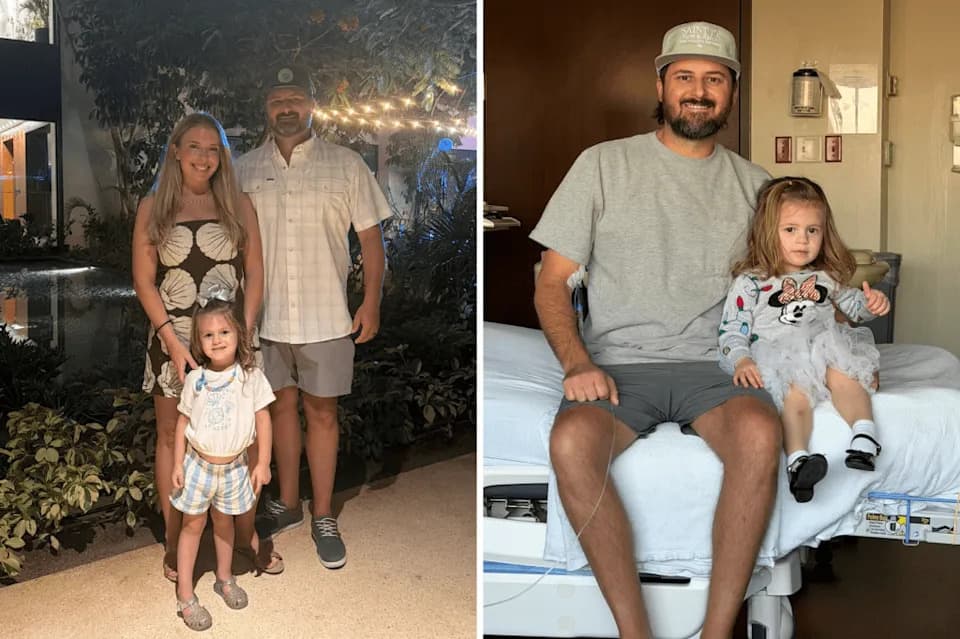
From left: Sarah and Reese Willard with their daughter, and Reese Willard with his daughter in hospital.
Reese Willard, a 40-year-old father from Dallas, Texas, thought persistent fatigue and a few small red dots on his skin were minor annoyances — until widespread bruising prompted emergency tests that revealed a far more serious problem.
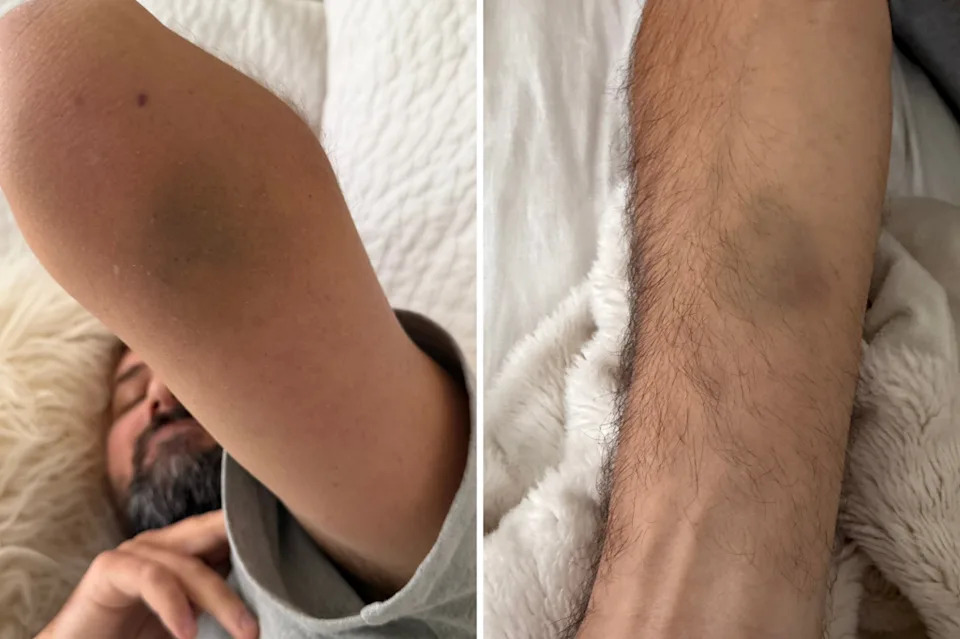
The bruises on Reese Willard's arms.
Symptoms and Early Warning Signs
For several weeks Reese struggled with unrelenting fatigue that sleep didn’t fix. He also developed night sweats, unexplained weight loss and a scatter of tiny red spots (petechiae) on his skin. When his wife, Sarah, pressed a glass to a patch of the red dots and photographed the result, they consulted ChatGPT, which suggested the marks resembled petechiae caused by broken capillaries. The couple monitored the symptoms, but six weeks later Reese returned from a 27-mile hike with unusually large, fist-sized bruises across his legs, arms and torso.
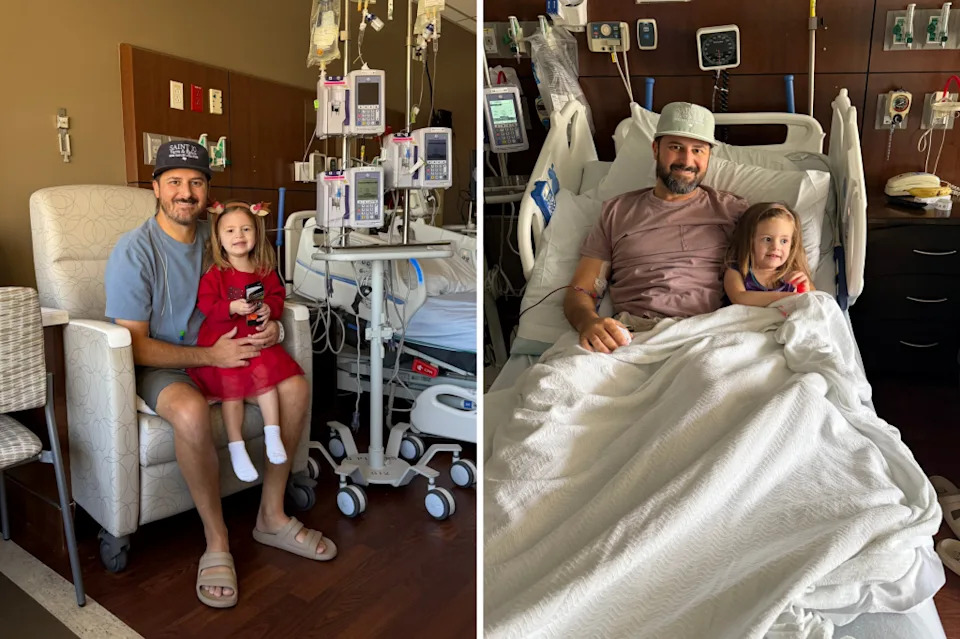
From left: Reese Willard with his daughter in hospital.
Rapid Evaluation and Diagnosis
Following urgent evaluation in the emergency department, a complete blood count flagged a critical abnormality: Reese’s platelet count was only 5,000 per microliter, placing him at immediate risk of catastrophic bleeding. He was admitted for further testing and stabilization. The next morning an oncologist reported that 87% of his white blood cells were myeloblasts—a finding strongly suggestive of acute myeloid leukemia (AML). A bone marrow biopsy confirmed the diagnosis.
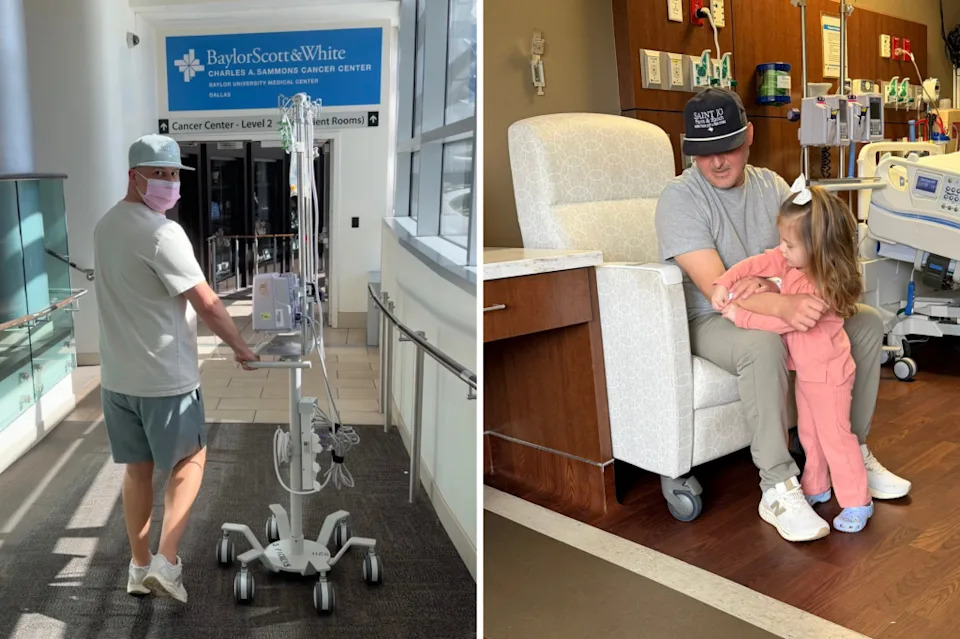
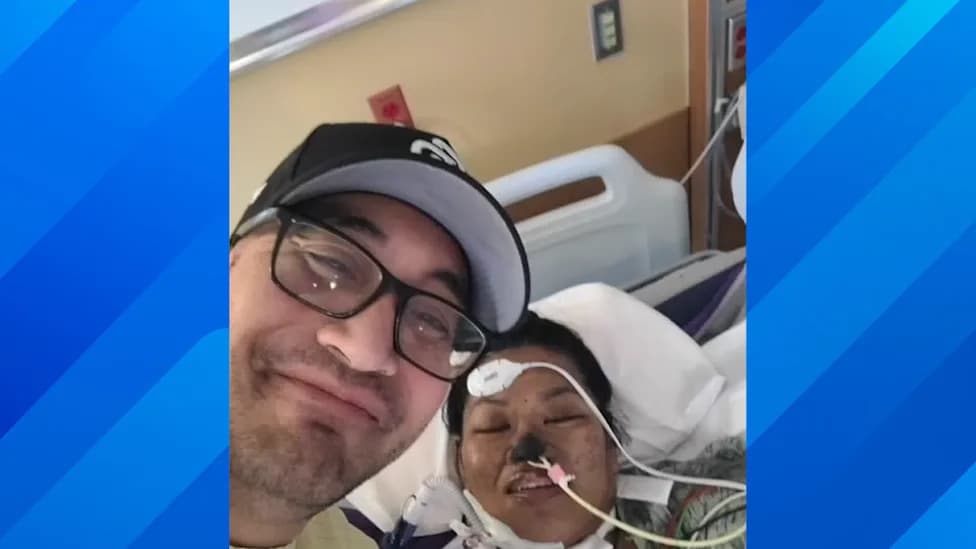
From left: Reese Willard during chemotherapy, and with his daughter in hospital.
Treatment, Complications, and Recovery
Reese was transferred to Baylor University Medical Center for evaluation and to begin intensive chemotherapy. The treatment dramatically suppressed his blood counts and he experienced serious complications, including septic shock. After a difficult inpatient course and aggressive supportive care, Reese achieved deep remission. He spent 30 days in the hospital before returning home, and his blood counts and symptoms have been steadily improving.
Family, Awareness and Takeaways
Sarah documented the couple’s journey on social media (@windwill22 on TikTok) to raise awareness about AML and the importance of timely medical evaluation. Reese reflected on the experience: he urges others to pay attention to persistent or unusual symptoms and to rely on loved ones during crises. "For anyone facing this diagnosis, focus on your mental state," he told Newsweek. "Try not to dwell on the 'why me?' thoughts because each day will be a different battle that needs your undivided attention."
Key medical facts: Platelets 5,000/µL; 87% myeloblasts on peripheral smear; bone marrow biopsy confirmed acute myeloid leukemia; intensive chemotherapy, septic shock, 30-day hospitalization; currently in deep remission.
This case illustrates how subtle symptoms—fatigue, night sweats, minor skin changes—can precede rapidly progressive blood cancers. Timely testing and immediate intervention likely prevented far worse outcomes for Reese.
Help us improve.