Despite normal prenatal testing, Brooke Buckley sensed something was wrong during her pregnancy. At birth, her son Palmer was floppy and unable to breathe or swallow; he was later diagnosed with a rare ACTA1 gene mutation that causes severe skeletal muscle weakness. He spent 120 days in neonatal and pediatric intensive care and, at two years old, has made unexpected gains. Buckley credits faith, family support and perseverance for the family's resilience.
Prenatal Tests Said Baby Was Healthy — At Birth a Rare ACTA1 Mutation Was Found
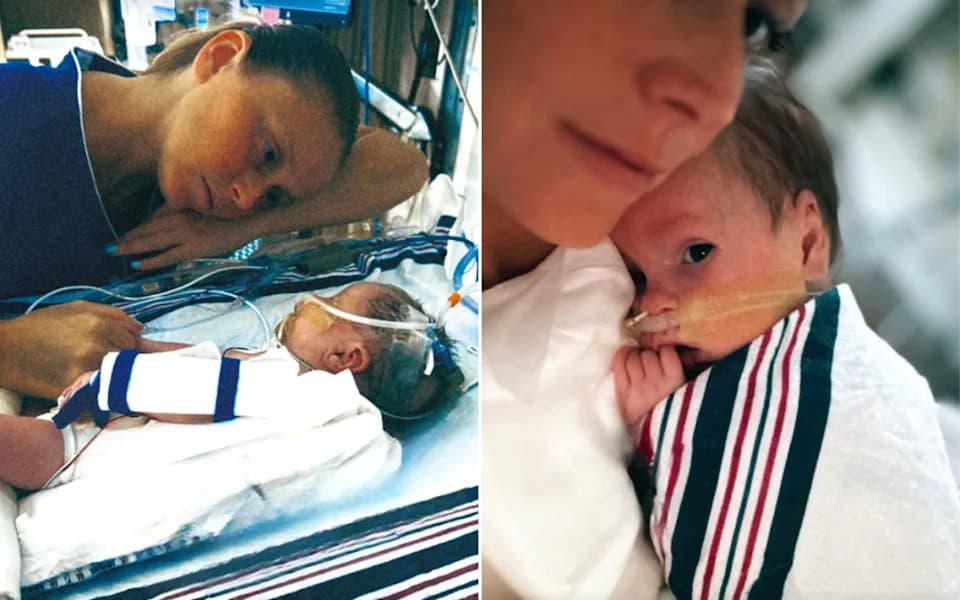
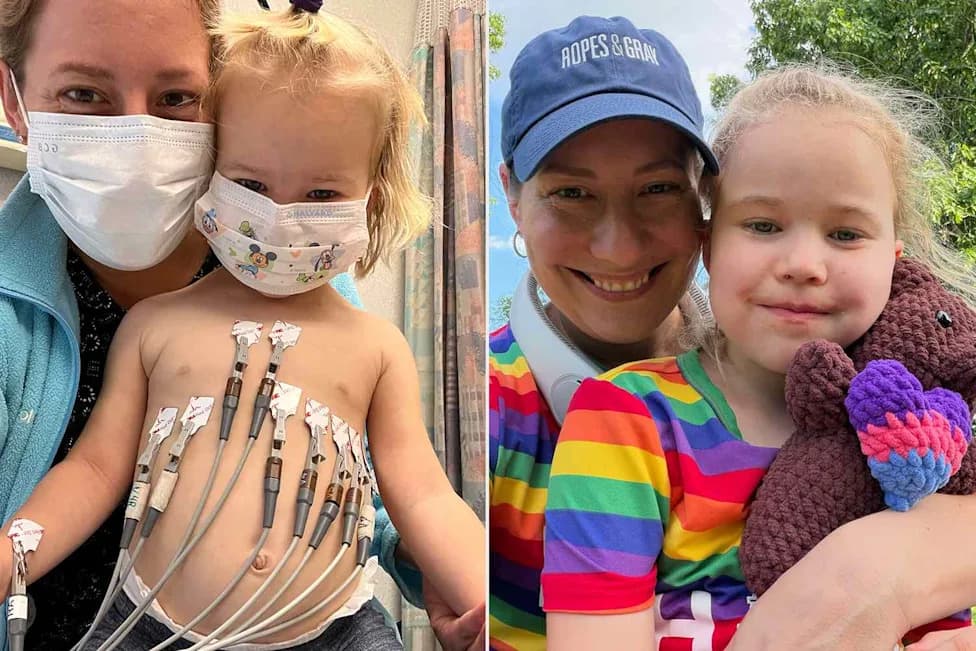
Brooke Buckley and Palmer.
Looking back, Brooke Buckley says her pregnancy with her youngest son, Palmer, always felt different. Although routine prenatal tests and screenings came back normal, Buckley relied on experience from a previous healthy pregnancy and sensed that fetal movement and growth were not typical.
Clinicians attributed her concerns to an anterior placenta and excess amniotic fluid, and non-invasive prenatal testing showed no abnormalities. Still, Buckley felt uneasy. "By my third trimester I had a gut feeling that something was off," she said.
Warning Signs Before Birth
At Palmer's 20-week anatomy scan he measured small for gestational age. Examiners had difficulty visualizing him swallowing, and his heart rate dropped several times during the appointment. Despite these signs, Buckley says she was repeatedly reassured that Palmer was a "healthy baby" and that no additional monitoring was needed.
Delivery And Immediate Crisis
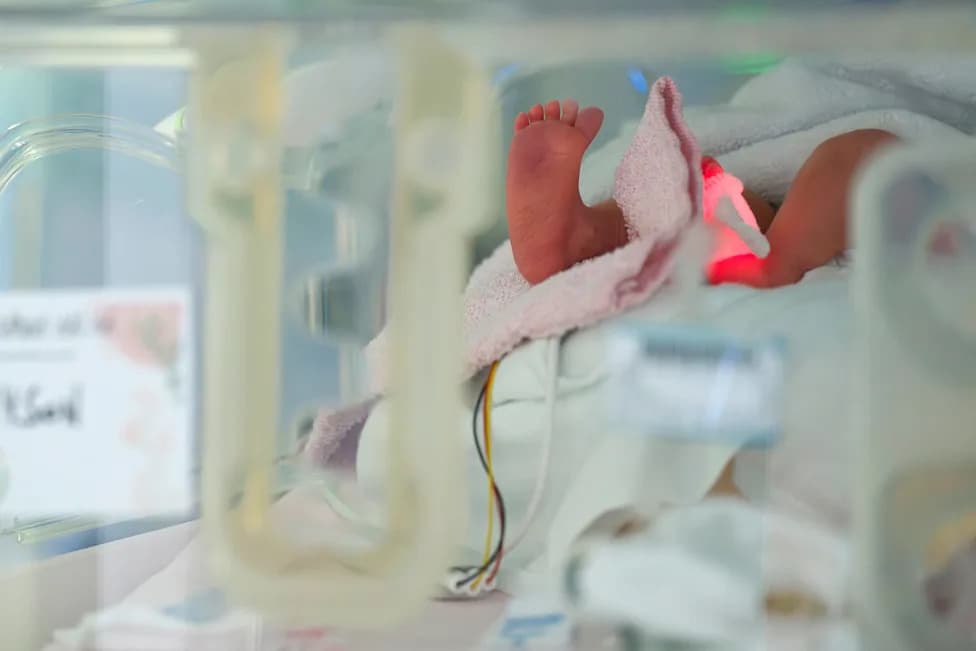
After a planned C-section, Buckley expected to meet her newborn. Instead, she watched medical staff rush to Palmer, whose umbilical cord was wrapped several times around his neck. More concerning, he was floppy and not breathing or swallowing on his own. "They didn't know why, but they immediately got to work trying to help him," Buckley recalled.
"I never got to see or hold him after he was born. The only way I saw his face was through the pictures my husband had taken."
Diagnosis: A Rare ACTA1 Mutation
In the days that followed, Palmer's care team identified a rare mutation in the ACTA1 gene. ACTA1 encodes proteins essential for normal skeletal muscle function; pathogenic variants are exceptionally rare, with only a few hundred reported worldwide (Human Mutation, 2024).

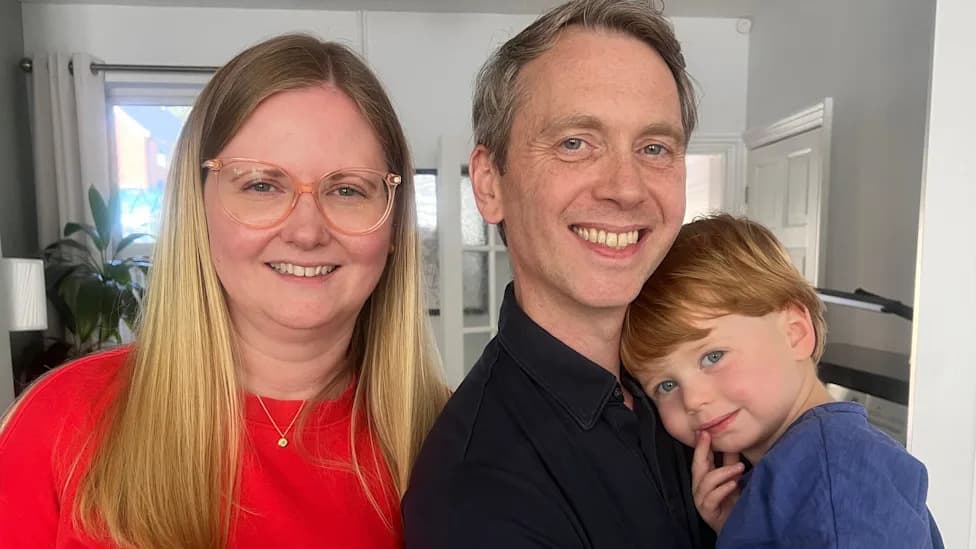
Brooke Buckley, Palmer and the rest of the family.
Palmer's particular mutation causes profound muscle weakness affecting movement, breathing and swallowing. He required prolonged life support: mechanical ventilation, a tracheostomy to secure his airway, and a feeding tube for nutrition. Importantly, ACTA1 mutations affect skeletal muscle but do not impair cognition — Palmer can learn, interact and respond to those around him.
Geneticists told the family that Palmer’s variant occurred early in the gene sequence, explaining the severity observed at birth. His exact mutation has been documented only a handful of times.
Recovery, Resilience And Family Support
Early medical opinions warned Palmer would likely never gain meaningful movement beyond infancy. Yet at two years old he has continued to make gains in strength and mobility. He spent his first 120 days in hospital, including extended stays in the NICU and PICU, while his parents learned to care for a medically complex child at home.
Supported by family, friends and their Christian faith, the Buckleys rejected suggestions to withdraw life support. Brooke describes drawing strength from faith and the daily choice to move forward: "I was strong because I had no other choice but to keep putting one foot in front of the other."
Two years later, Buckley emphasizes the joy, hope and close family bond that emerged from a terrifying start. Although there is currently no cure or gene therapy for Palmer's specific condition, his mother remains optimistic about his future and urges other parents to focus on the child before them and take each step as it comes.
"You don't have to figure out your child's entire future today. Love the baby in front of you, take the next step, and let tomorrow come when it comes."
Help us improve.