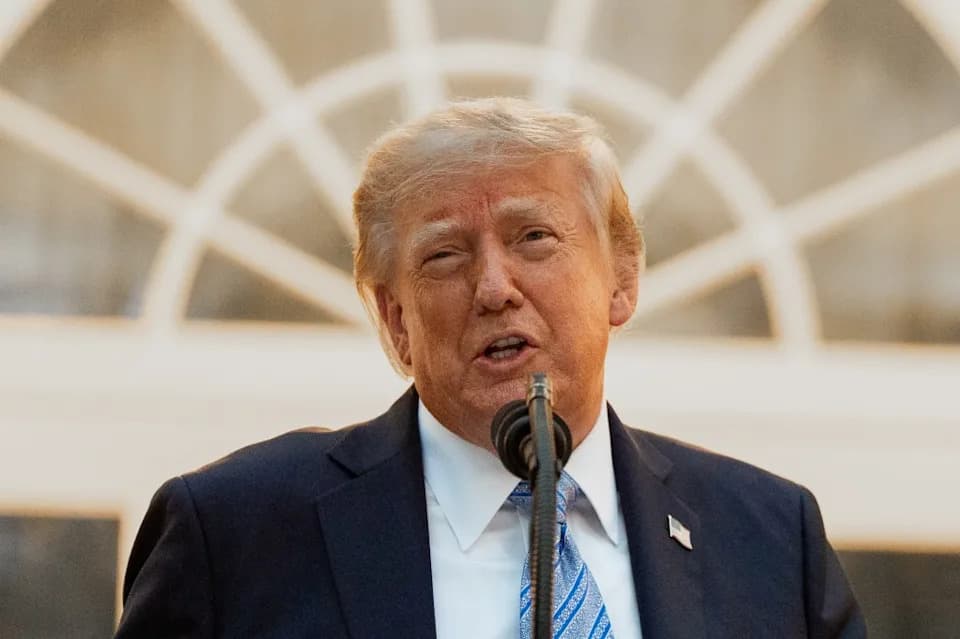
President Trump signed a proclamation rolling back protections for three Pacific marine monuments, restoring commercial fishing access to about 500,000 square miles. Before taking questions, he paused to challenge attendees over whether industry workers should be called "fishermen," "fisherwomen," "fishers" or "fisher people," an exchange that he framed as a critique of political correctness. The administration said the prior Obama-Biden-era designations harmed U.S. fishing communities; the move follows a related rollback last April affecting 400,000 square miles.
Trump Signs Proclamation Restoring Fishing Access, Sparks Debate Over 'Fishermen' Terminology
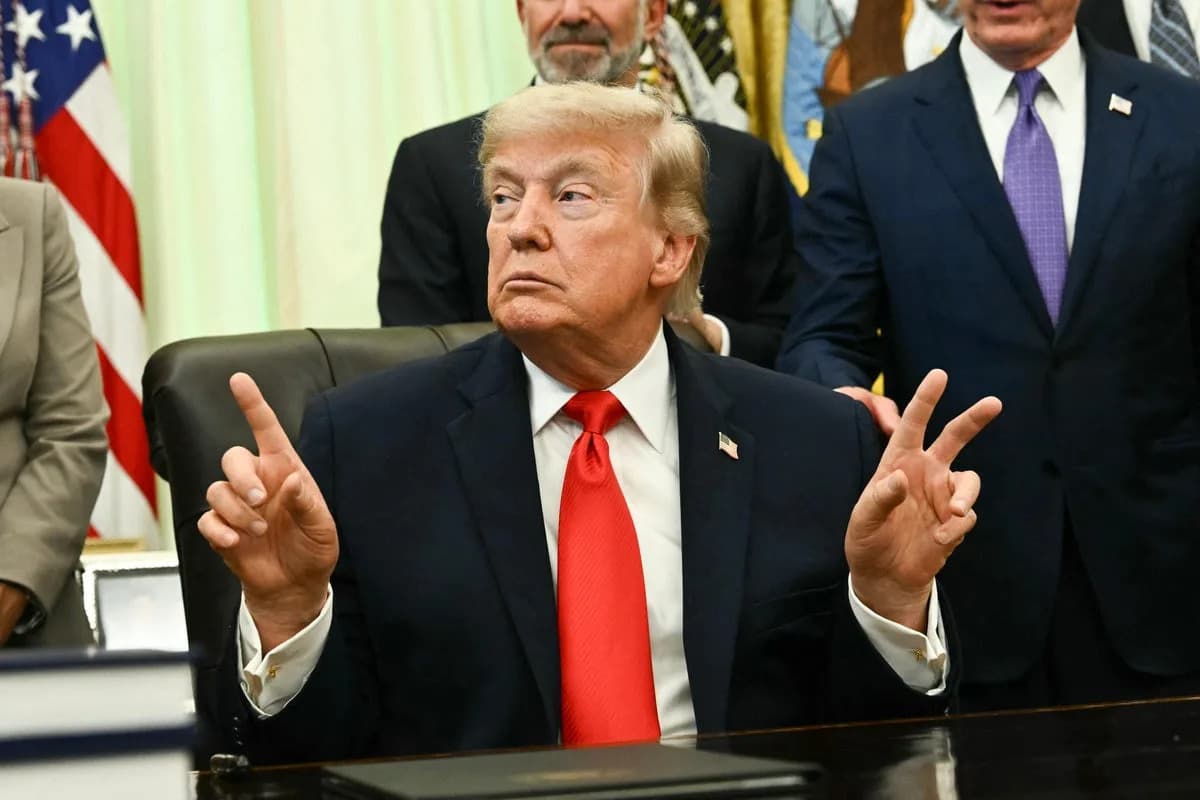
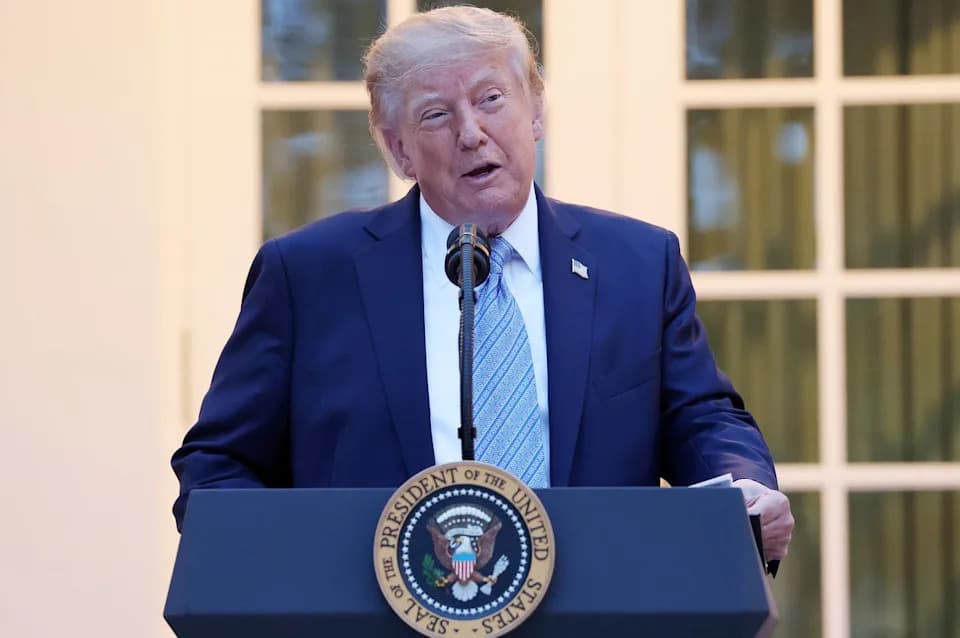
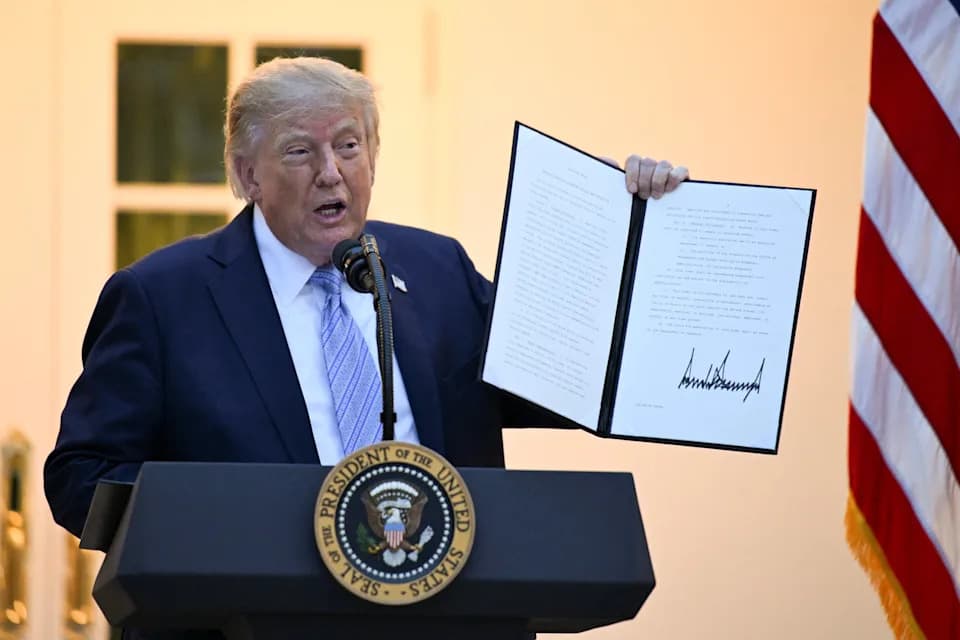
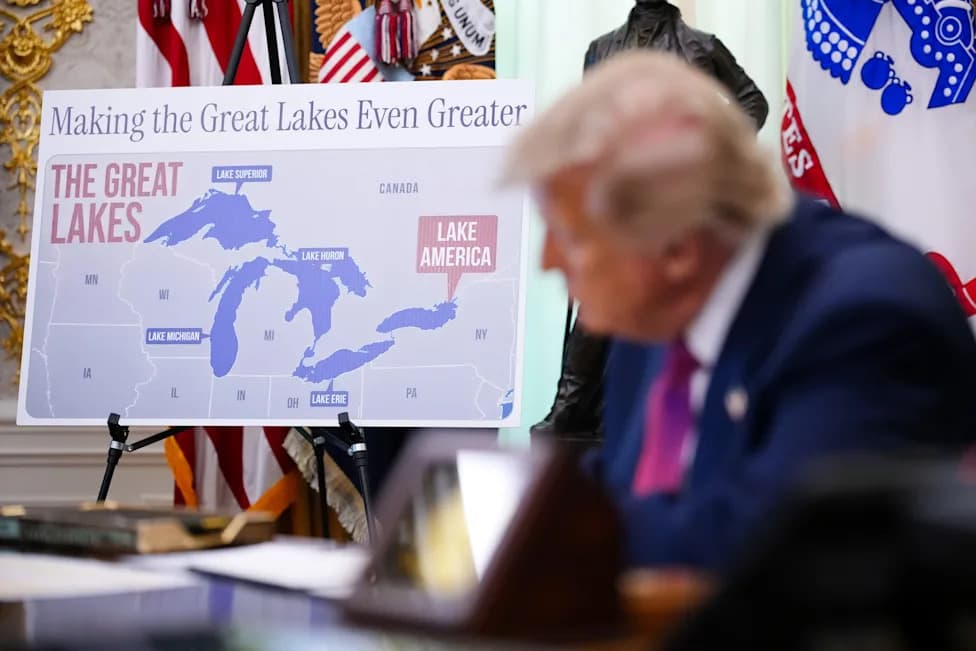
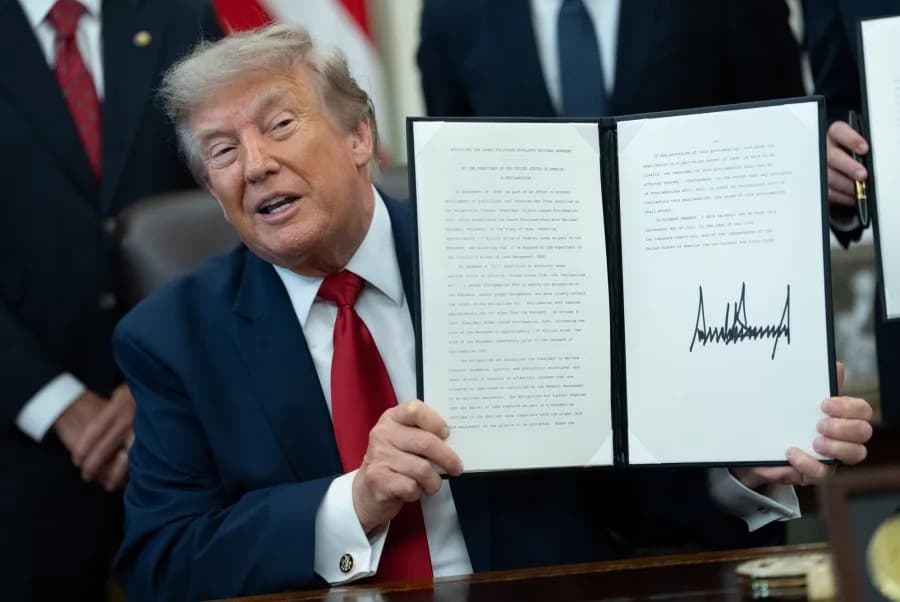
President Donald Trump speaks before signing a proclamation in the Oval Office (AFP/Getty)
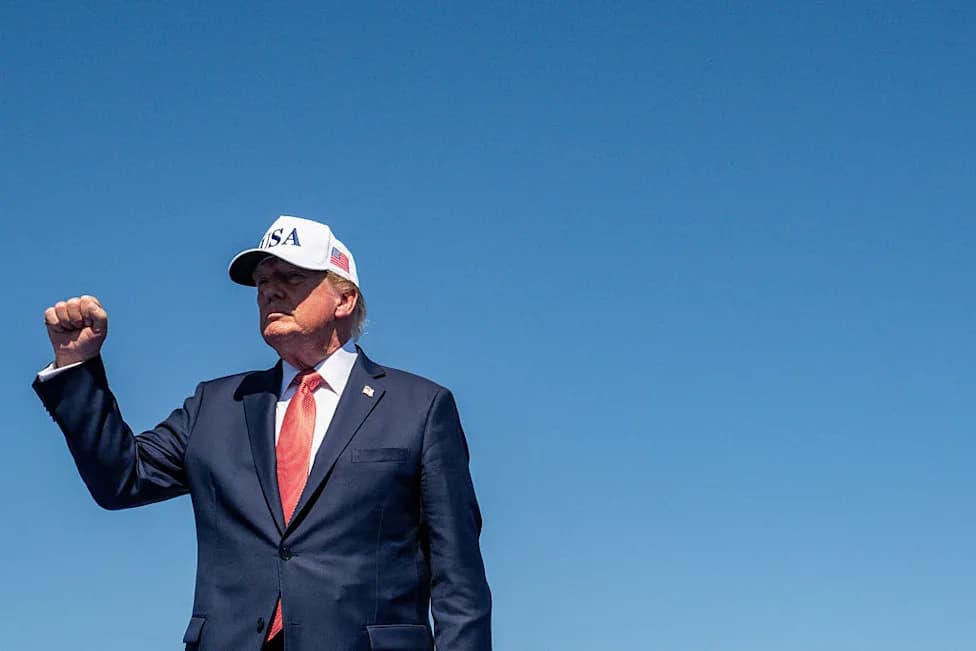
President Donald Trump unexpectedly summoned reporters to the Oval Office to sign a proclamation that rolls back long-standing environmental protections and restores commercial fishing access to large areas of the Pacific Ocean. Before taking questions, he paused to challenge attendees on what to call people who work in the fishing industry — a brief exchange that shifted into a wider critique of what he called "political correctness" and an attack on the prior administration.
Exchange Over Terminology
As Trump prepared to discuss the policy change, he asked, "So, tell me, how do they define that? Because in most industries, like you have policemen, policemen, you call them fishermen and fisherwomen. I haven't heard of that one before — how are the women? Do they want to be designated as fisherwomen? Does anybody want to answer that question?"
A representative of the fishing industry standing behind him replied that either term could be used, or the gender-neutral term "fisher" for those who prefer it. Trump then asked whether the phrase "fisher people" would be acceptable and dismissed the discussion as "crazy." Another attendee cited what he said were Google search results indicating many women in the trade prefer "fisherman," saying they "feel like they're strong individuals, and they can do the work of a man."
The Proclamation And Its Scope
The proclamation restores commercial fishing access to roughly 500,000 square miles of the Pacific by rolling back protections for three areas that had been designated national marine monuments: the Papahānaumokuākea Marine National Monument near Hawaii; the Islands Unit of the Mariana Trench Marine National Monument; and the Rose Atoll Marine National Monument in American Samoa. The administration framed the change as relief for fishing communities and commercial interests that it says were harmed by previous restrictions.
Administration's Criticism Of Previous Policies
Trump criticized the Obama-Biden administration and "radical environmentalists" for what he described as unnecessarily restricting access for U.S. fishermen and coastal communities. He said those decisions "closed off vast resources" and "destroyed livelihoods," and repeated complaints that foreign fleets — he named Canada and Japan — were allowed to fish in areas where American fishermen were not. During the remarks he invoked his predecessors by name, saying, "That was put in by Barack Hussein Obama... and Sleepy Joe Biden, and it's a shame."
The White House action follows a similar proclamation last April that restored access to about 400,000 square miles that had been covered by the Pacific Remote Islands Marine National Monument.
What To Watch Next
Observers should expect legal and environmental reviews and potential challenges from conservation groups. The rollbacks affect areas that have been the focus of scientific study and preservation efforts, and changes to monument protections frequently lead to litigation and diplomatic questions about fishing practices in international and adjacent waters.
Facts Covered: the signing event, the back-and-forth over industry terminology, the restoration of access to approximately 500,000 square miles, the specific monuments affected, and the administration's framing of the move as relief for U.S. fishing interests.
Help us improve.