America’s national parks and public lands are central to the nation’s identity and deserve bipartisan stewardship. In the first two years of President Trump’s second term, staffing cuts, proposed land transfers, and rollbacks of environmental protections have put the administration at odds with broad public opinion. The Great American Outdoors Act showed that bipartisan investment is possible; the author urges renewed commitment to maintenance, clean air and water, and protections that balance conservation with economic needs.
Why National Parks Should Unite — Not Divide — America
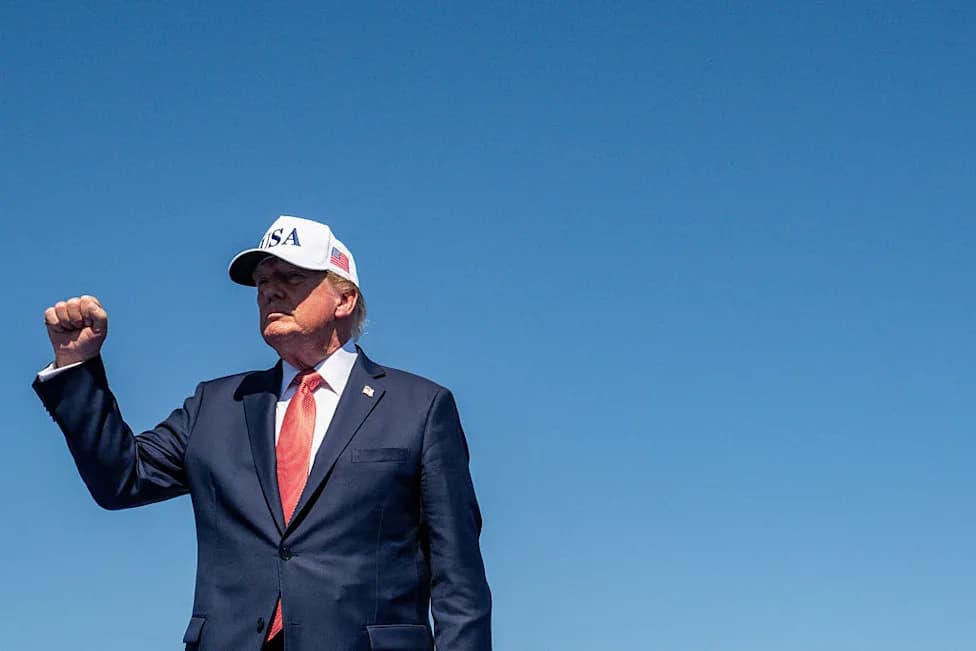
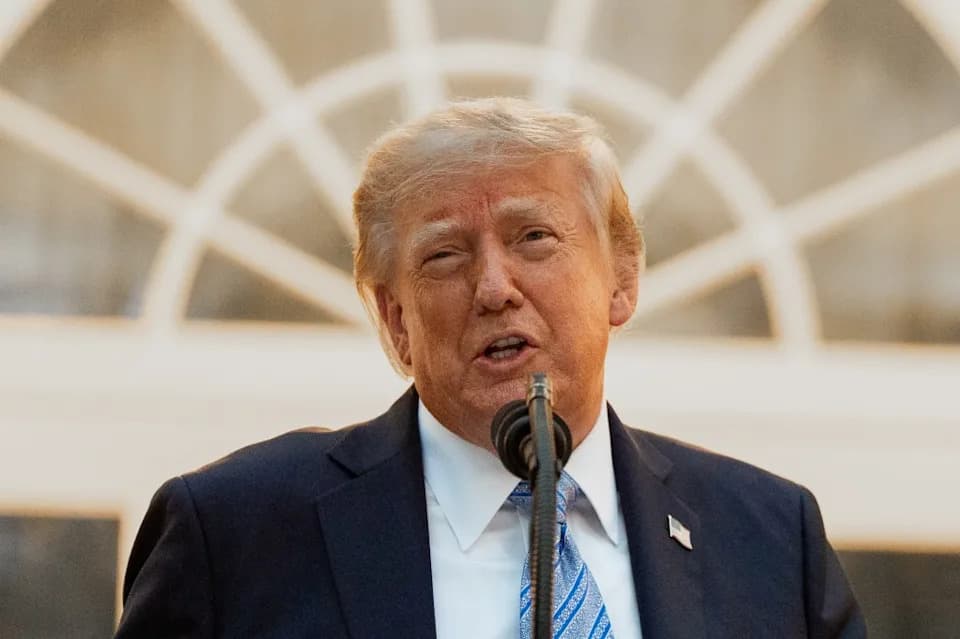
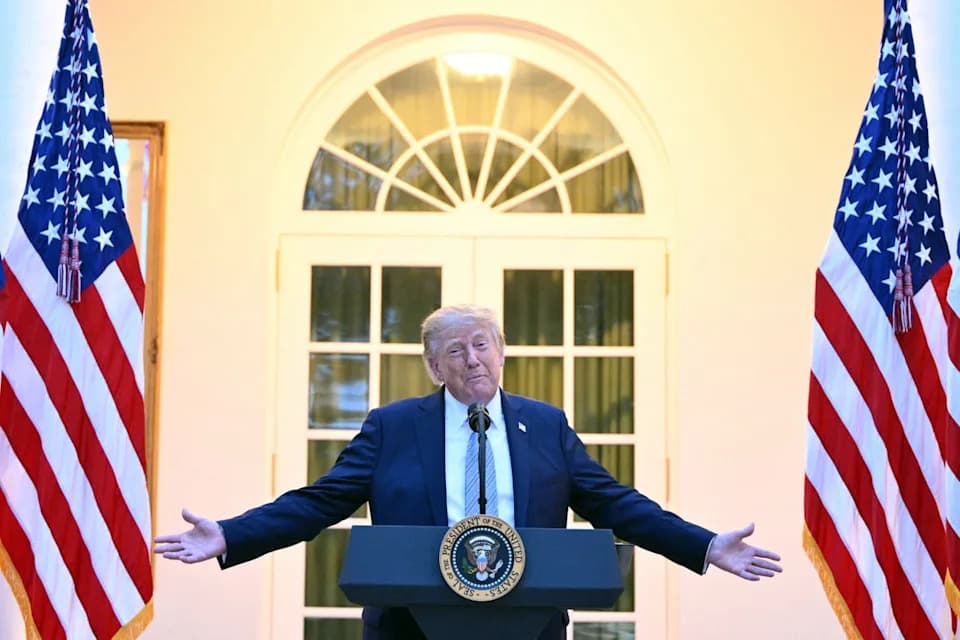
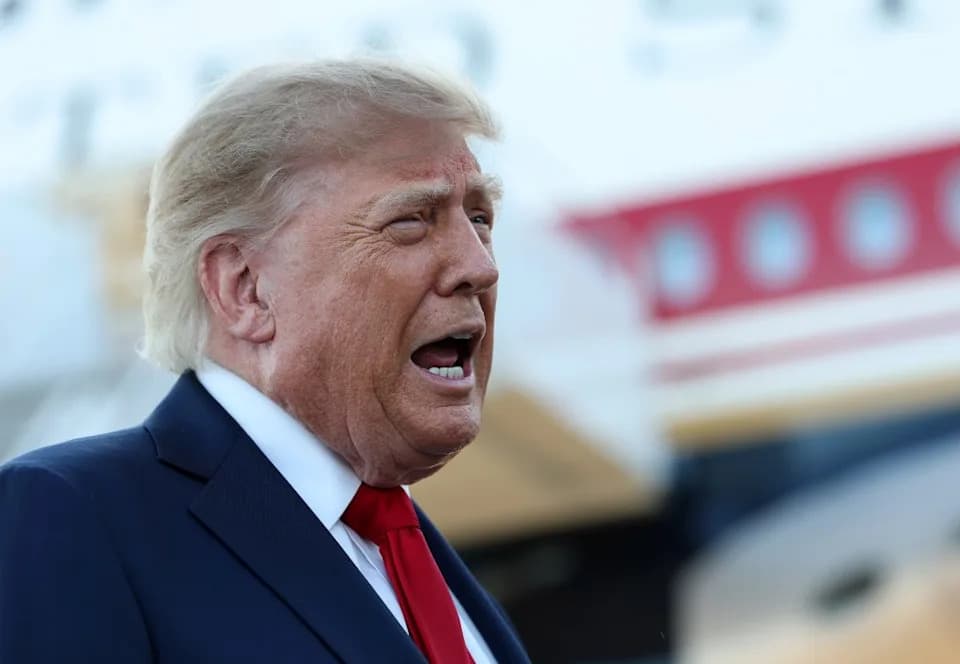
President Donald Trump on the Ellipse of the White House on Sept. 8, 2026. —Annabelle Gordon—CNP/Bloomberg via Getty Images
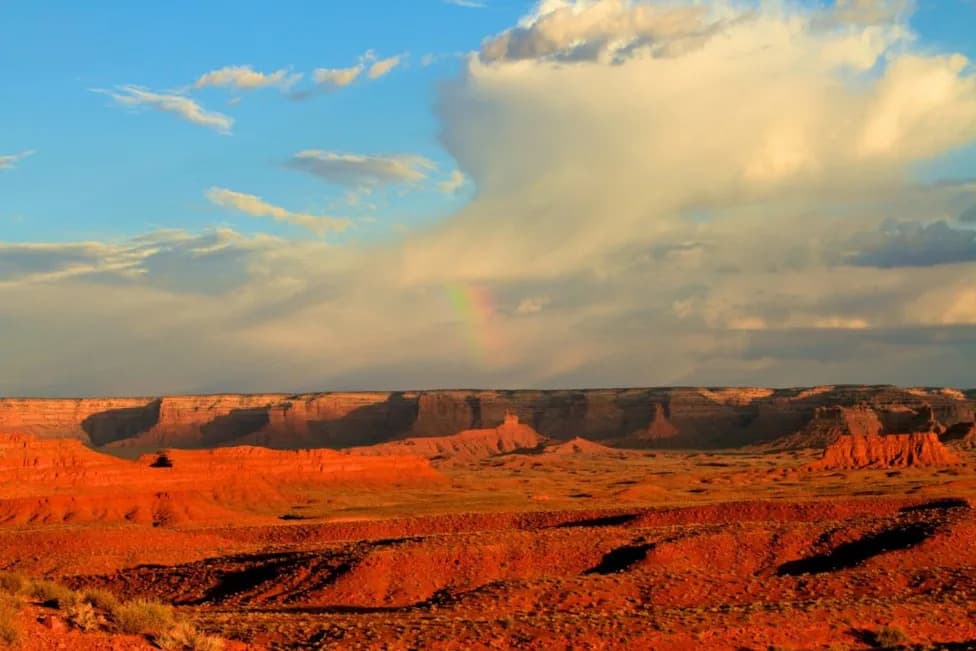
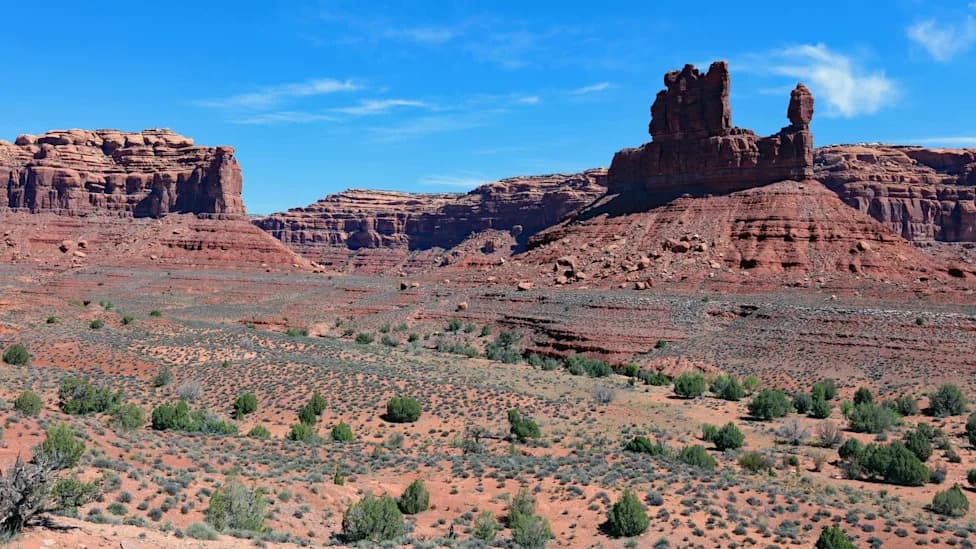
The most distinctly American stance a leader can take is to protect our finest ideas. Our national parks and broader natural environment are woven into the nation’s heritage and identity, and they represent one of our greatest enduring strengths.
From President Theodore Roosevelt’s bold expansion of public-land protections to President Richard Nixon’s signing of the Clean Air Act, some of our best days came when conservation was a bipartisan priority led by leaders from both parties.
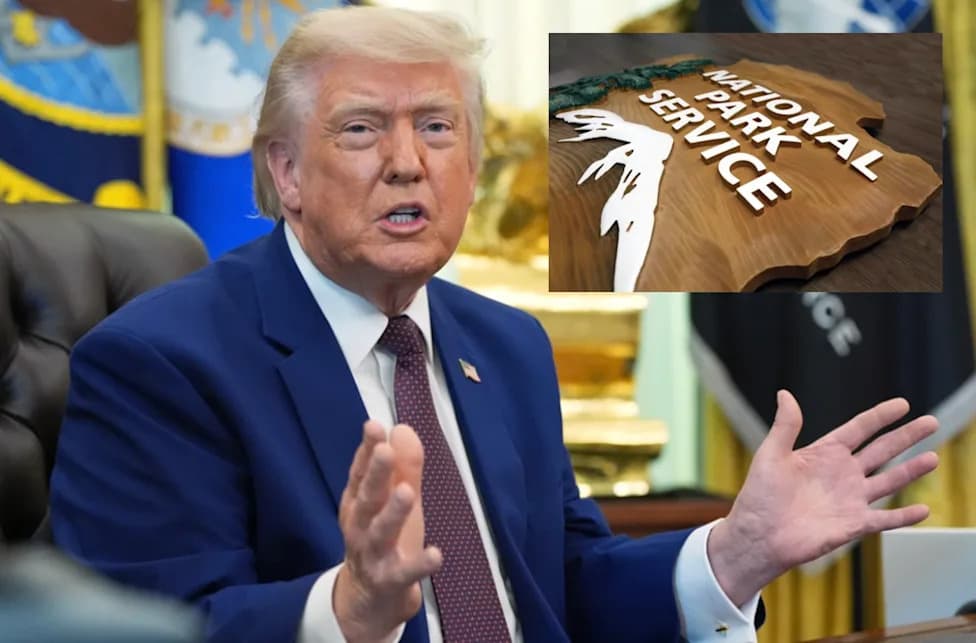
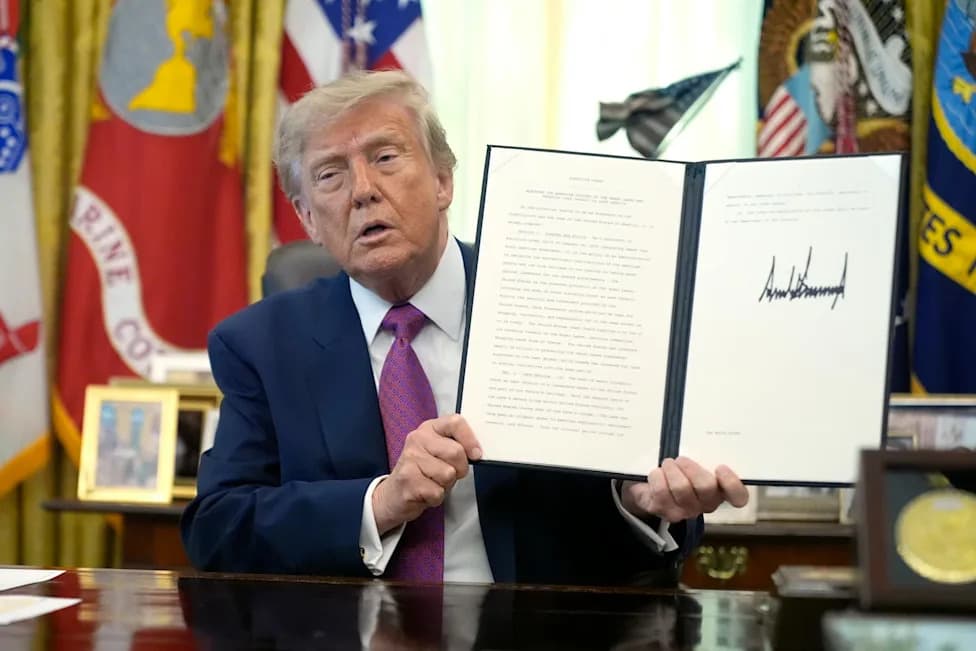
Nearly two years into President Donald Trump’s second term, the administration’s record on the environment, national parks, and public lands is falling short of that bipartisan tradition. Where early talks produced a potentially constructive idea — an executive order titled 'Make America Beautiful Again' aimed at historic investment in public lands, forests, water, and outdoor recreation — subsequent policy choices have often moved in the opposite direction.
What Has Changed
The administration has made decisions that, taken together, signal a weaker federal commitment to conservation. Those actions include substantial reductions in national park staffing (moves opposed by about 86% of Americans), proposals to transfer or sell public lands (a change opposed by nearly 90% of Western voters), and rollbacks of protections like those in the Endangered Species Act (opposed by roughly 85% of Americans). There have also been policy changes that reduce protections for clean water, clean air, national forests, and related resources.
Fact: Nearly a third of U.S. land is federally owned and managed — which makes responsible stewardship a national obligation, not a partisan one.
Why This Matters
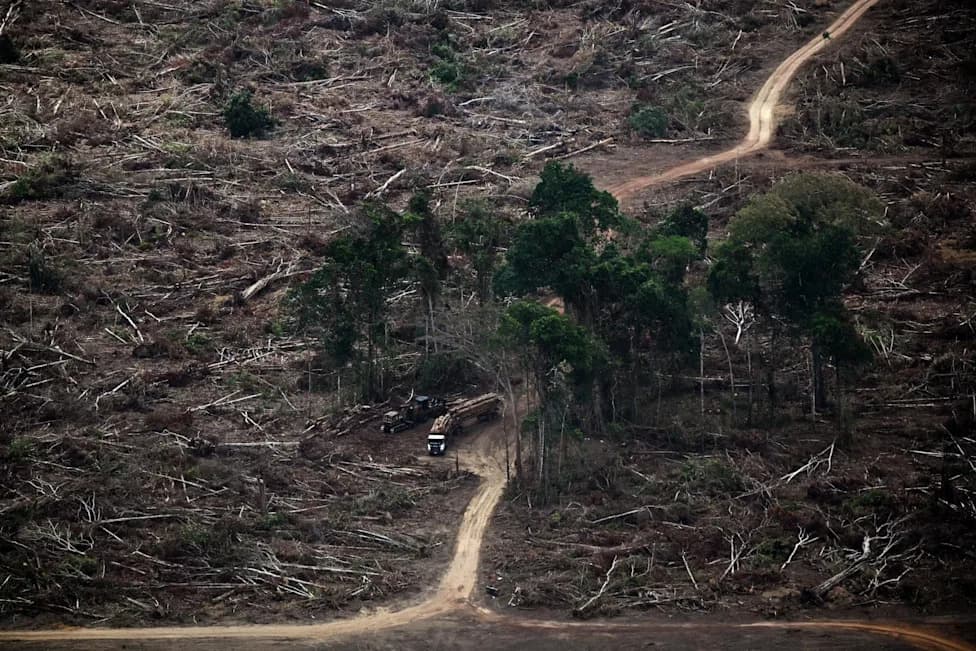
Public lands support recreation, tourism, local economies, wildlife habitat, water supplies, and cultural heritage. They also help sustain mental and physical health for millions of Americans. Today, indicators such as air and water quality, soil health, and invasive-species control show worrying trends. Management cuts and chronic underfunding compound decades of deferred maintenance and missed conservation opportunities.
It is possible — and historically common — to balance economic priorities with strong environmental stewardship. Smart, limited government can improve efficiency without sacrificing the public assets that bind communities together. Policies that prioritize short-term gains or favor narrow interests risk eroding both natural capital and public trust.
Politics, Public Opinion, and a Way Forward
There are people across the administration who care about conservation, but their voices can be overshadowed by partisan calculus. That is a missed opportunity: conservation is one of the few issues that consistently wins broad public support across party lines. The Great American Outdoors Act — a landmark, bipartisan investment in parks and public lands — demonstrates what lawmakers can achieve when they prioritize stewardship over politics.
The president still has an opportunity to build on that bipartisan model: invest in maintenance and restoration, protect clean water and air, strengthen endangered species protections where they are warranted, and empower local communities to benefit from well-managed lands. Such choices would align with public sentiment and deliver tangible economic and social benefits.
Conclusion
History will judge leaders who allow treasured public places to decline. The choices made today will shape how future generations experience America’s landscapes. Protecting parks and public lands should not be a partisan contest — it should be a shared responsibility that honors our national character and our common future.
Help us improve.