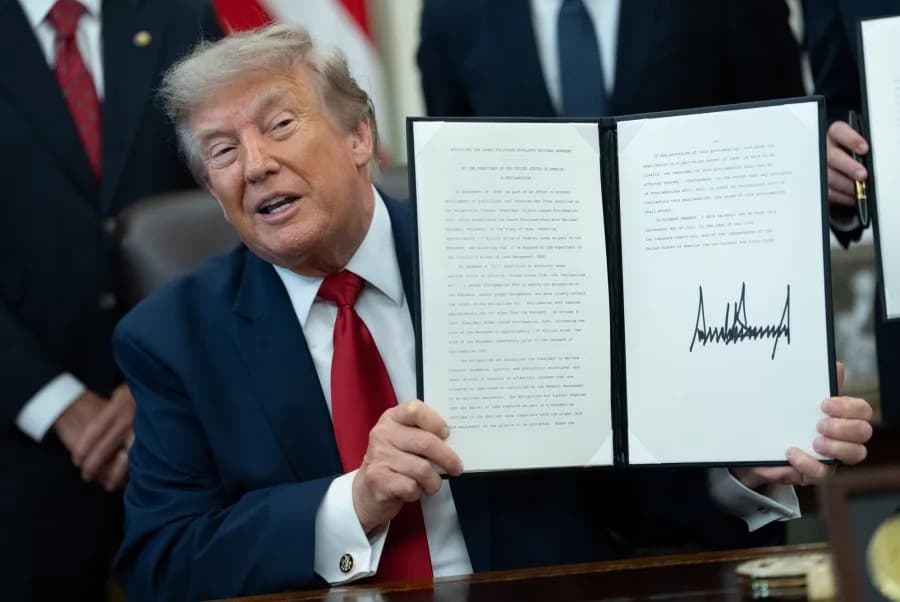
President Donald Trump signed a July 13 proclamation that reduced Grand Staircase‑Escalante National Monument to less than 10% of its former size, opening about 900,000 acres to mining. Paleontologists strongly dispute the administration’s description of the area’s dinosaur fossils as "common," saying the region contains globally significant Late Cretaceous specimens. Researchers warn the change could weaken research funding, museum investment and protections—raising the risk of theft and illegal fossil trade. Local officials say museum planning and seed‑funding efforts are continuing despite the boundary cuts.
Trump Cuts Grand Staircase Monument by ~90%, Scientists Warn It Threatens Utah’s Rare Dinosaur Record
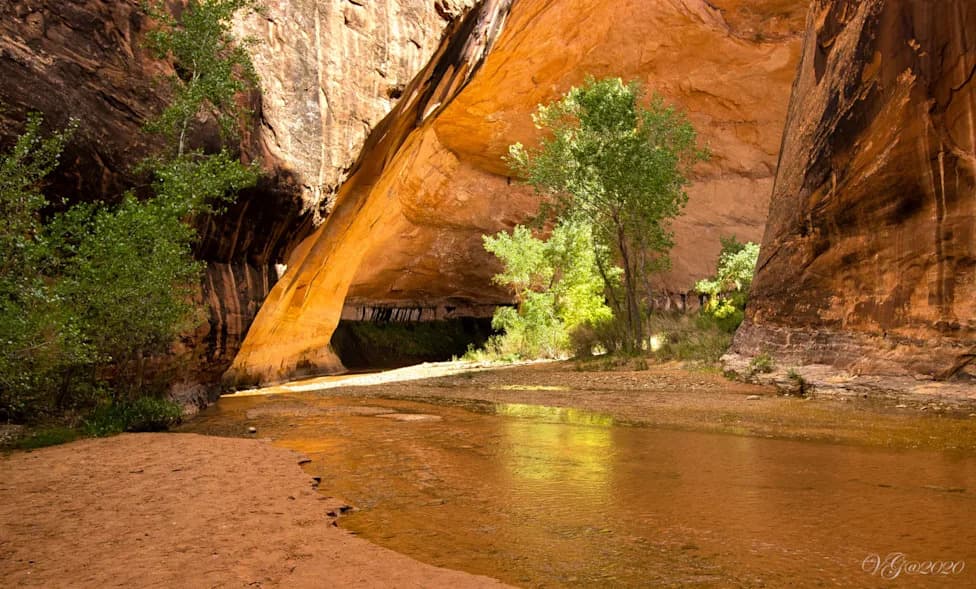
Photo Credit: iStock
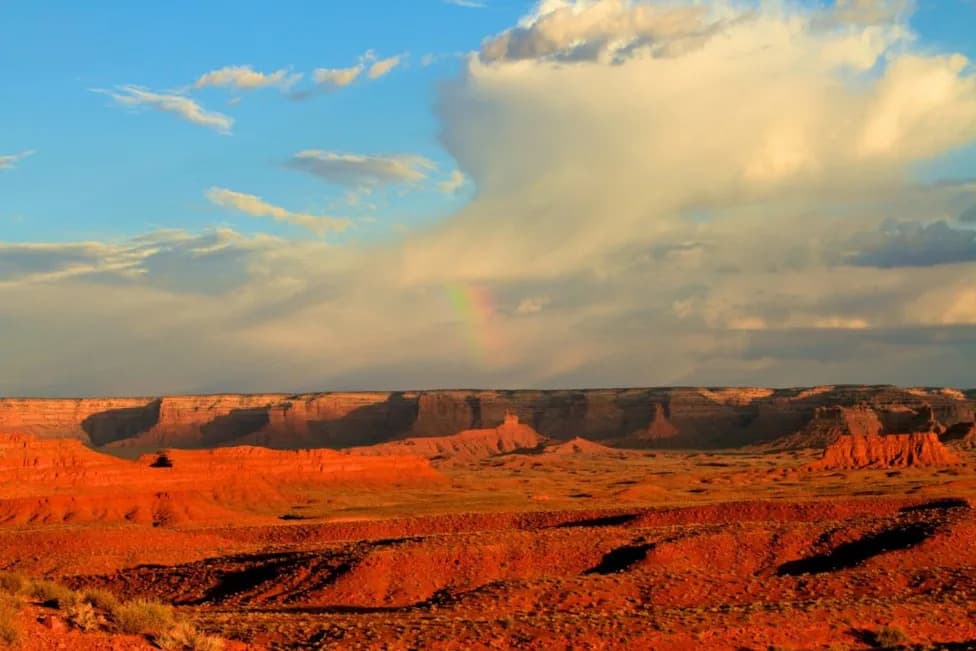
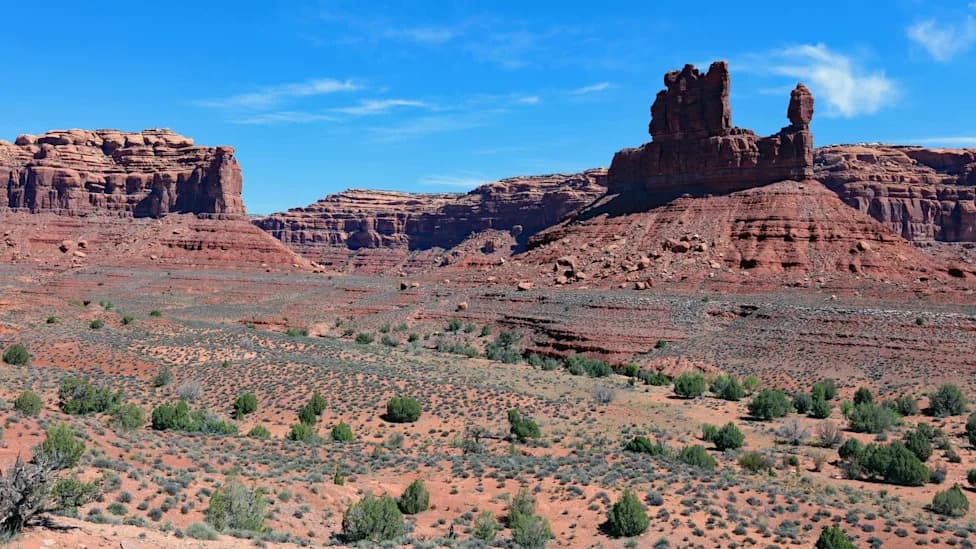
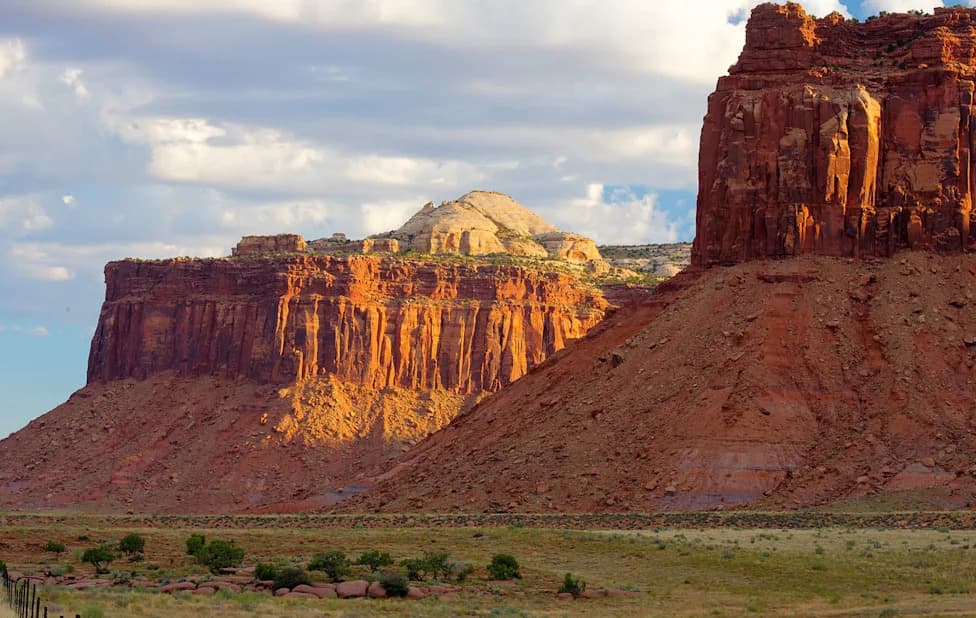
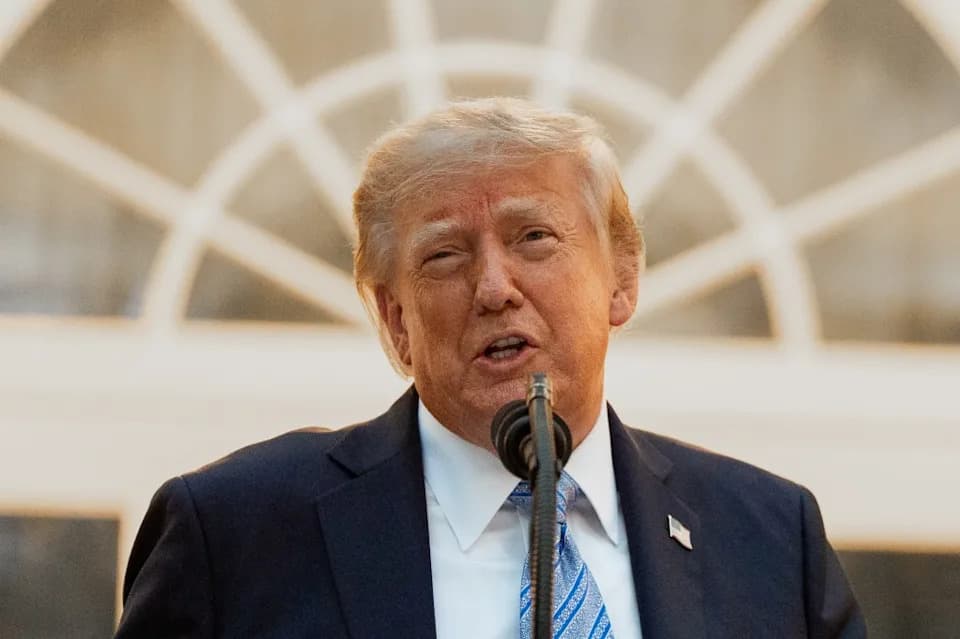
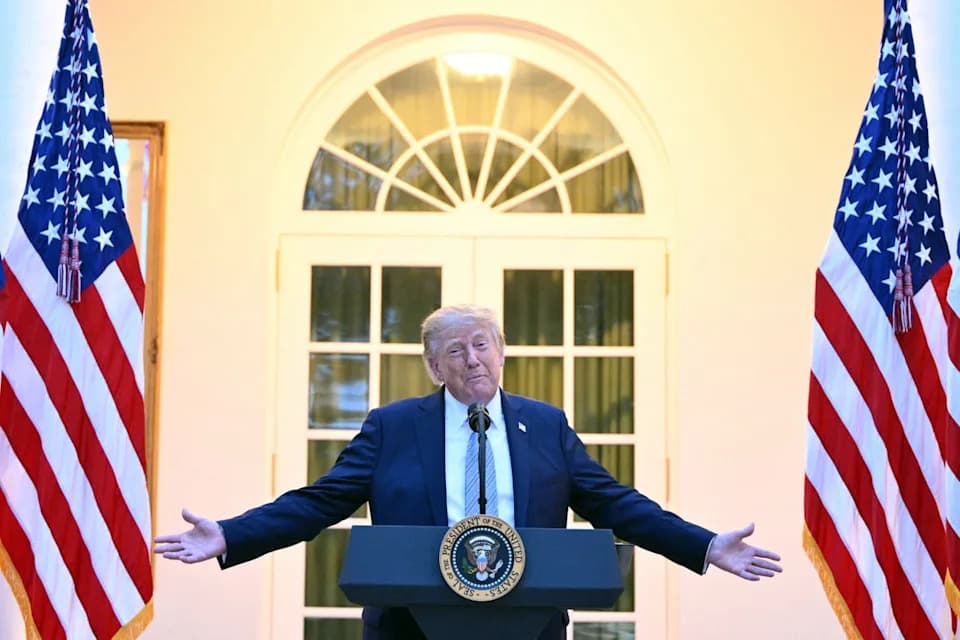
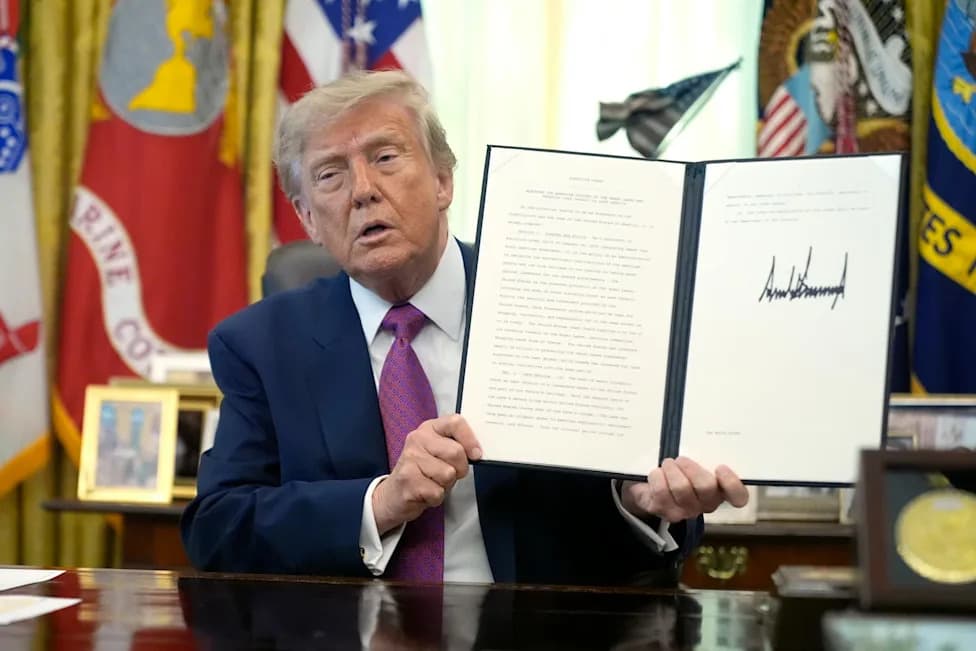
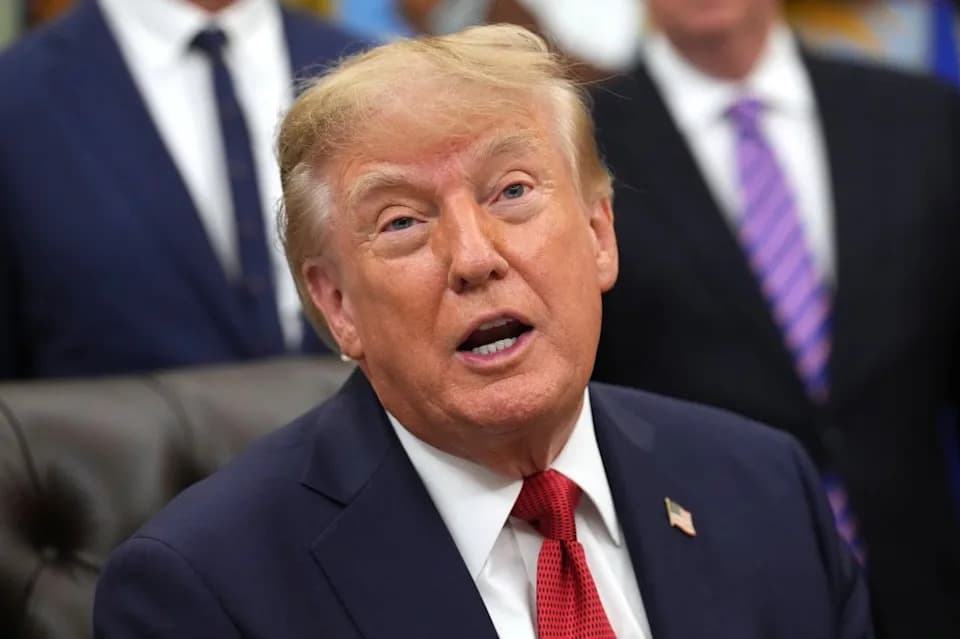
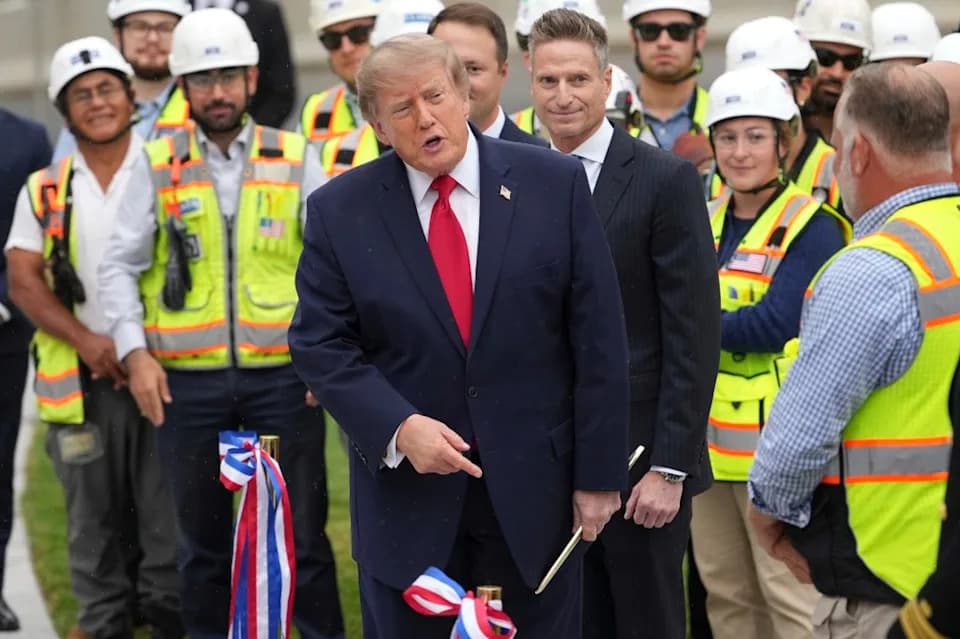
On July 13, President Donald Trump issued a proclamation that reduced the size of Grand Staircase‑Escalante National Monument to under 10% of its original footprint, opening roughly 900,000 acres to mining and other development. The change immediately raised alarms among paleontologists and local officials who say the region contains one of the world’s richest Late Cretaceous fossil records.
What Happened
The proclamation removed federal monument protections from most of the landscape that scientists have studied since the monument’s creation in 1996. Field crews have long faced extreme logistical challenges in the area: in one recent extraction, a Chinook helicopter was called in after a Black Hawk failed to lift a nearly 5,000‑pound block of rock containing a 75 million‑year‑old dinosaur fossil.
Why Paleontologists Are Alarmed
Researchers dispute the administration’s characterization of the region’s fossils as "common" and "not unique." Paleontologists say Grand Staircase‑Escalante preserves species and fossil assemblages found nowhere else, providing an unusually complete window into Late Cretaceous ecosystems.
"Nearly all of the dinosaurs and other fossils preserved in the region have been found nowhere else," — Joe Sertich, paleontologist who has worked in Utah for more than a decade.
Former BLM monument paleontologist Alan Titus called the administration’s description "an absolute distortion of reality," and State Paleontologist James Kirkland warned that the decision undermines both scientific opportunity and local economic plans tied to fossil tourism and museum development.
Risks to Research, Museums and Fossil Security
- Funding and partnerships: Scientists say monument status helped attract grants, museum projects and university collaborations; losing that visibility could make funding and long‑term investment harder to secure.
- Infrastructure and jobs: Ongoing research and curation projects have the potential to support steady local employment and tourism; boundary changes could slow or divert those benefits.
- Theft and illegal trade: While federal law still protects vertebrate fossils on Bureau of Land Management (BLM) land, researchers warn that reduced monument oversight could increase incentives for illegal excavation and trafficking.
BLM Says Protections Continue
The Bureau of Land Management has stated it retains a legal duty to protect paleontological resources and that partnerships with museums and universities will continue. The agency also said efforts to expand research and curation capacity in Utah will go on despite boundary changes.
Local Reaction and Next Steps
Some local officials see opportunity amid the changes: Garfield County leaders report feasibility studies and seed funding efforts for a regional museum are underway and argue the fossil record can draw visitors with or without monument branding. Scientists, however, urge a different path: sustained funding for fieldwork, protection of large intact landscapes before fossils are exposed, and treating public lands as shared community assets rather than primarily extraction zones.
Broader Context
The dispute over Grand Staircase‑Escalante is part of a wider debate about public‑land management and conservation. Similar tensions have arisen over oil and gas development in Alaska’s National Petroleum Reserve and over lapses in protection of sites in the U.K., underscoring how land‑use decisions affect science, communities and ecosystems.
Bottom line: Paleontologists and many local leaders fear that shrinking the monument will hinder scientific discovery, museum development and protections against illegal fossil removal, while proponents of the change emphasize increased access to mineral and energy resources.
Help us improve.