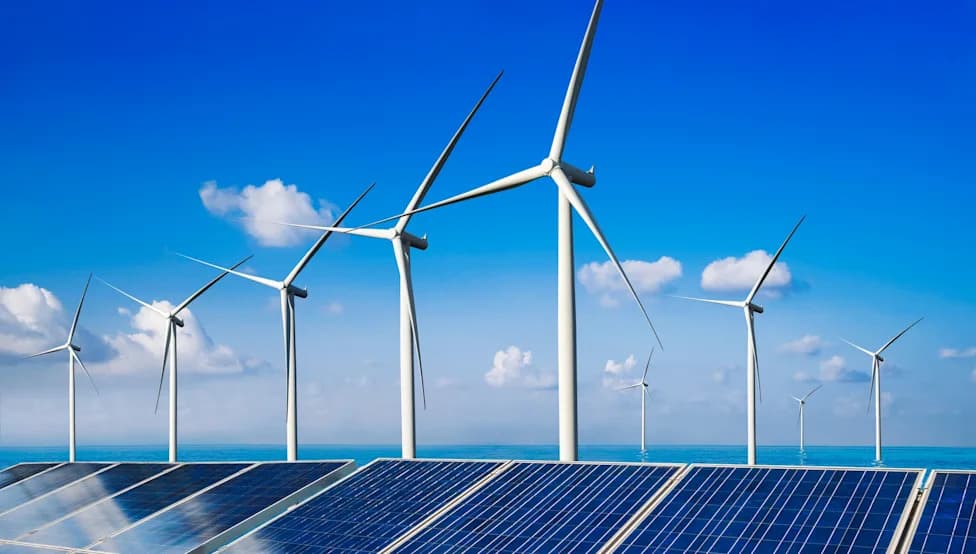
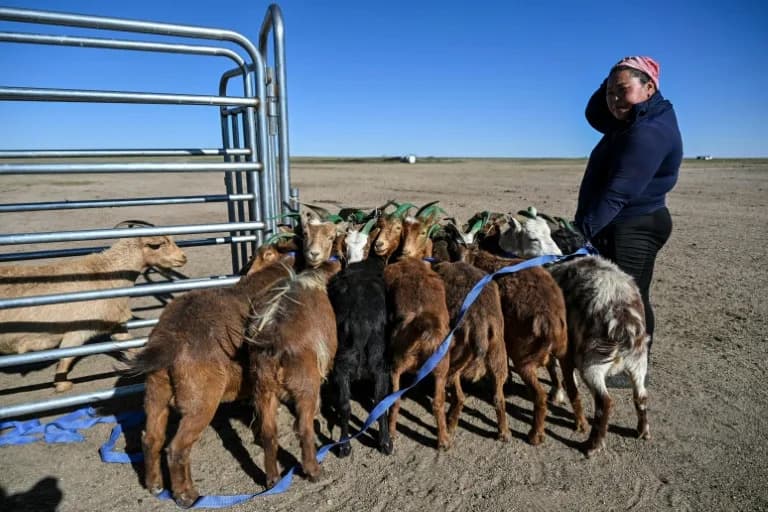
The Tibetan Plateau’s high-altitude grasslands have become sites for large-scale solar and wind projects, bringing both investment and disruption to nomadic communities. Residents report altered landscapes, opaque leasing practices, and cultural conflicts—such as transmission poles placed near sacred labtse shrines—along with ecological effects like disturbed topsoil, reduced plant diversity and winter hazards for newborn lambs. Many worry about the uncertain fate of 25-year leases, expiring grassland use certificates in 2050, and the disposal of panels at end-of-life.
How Solar and Wind Farms on the Tibetan Plateau Are Reshaping Nomadic Life
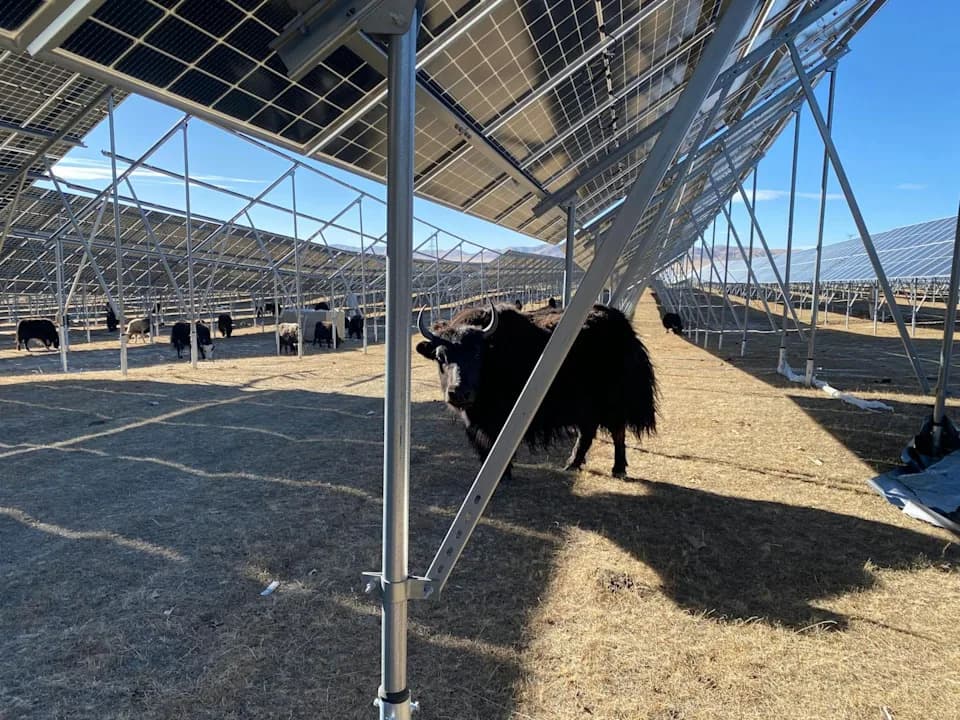
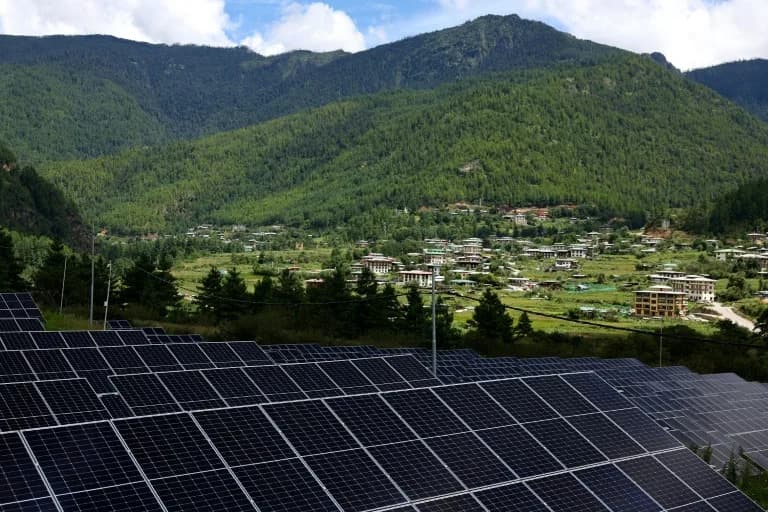
Yaks graze underneath the panels of a solar farm. Sanggay Tashi,CC BY-ND
China has built some of the world’s largest solar installations on the Tibetan Plateau — a high-altitude region where nomadic herders have grazed yaks and sheep for generations. While the plateau’s elevation and open landscapes make it attractive for renewable power, large-scale solar and wind projects are transforming landscapes, livelihoods and spiritual practices in pastoral communities.
Background
Beginning around 2017 and accelerating in recent years, regional subsidiaries of energy companies such as PowerChina constructed three utility-scale solar plants (totaling roughly 1 gigawatt of capacity) and about a dozen wind turbines on grazing lands near a nomadic community located roughly 100 miles (161 km) southeast of Xining, Qinghai’s capital. This echoes earlier waves of energy development in Tibetan regions, including hydropower since the mid-1990s.
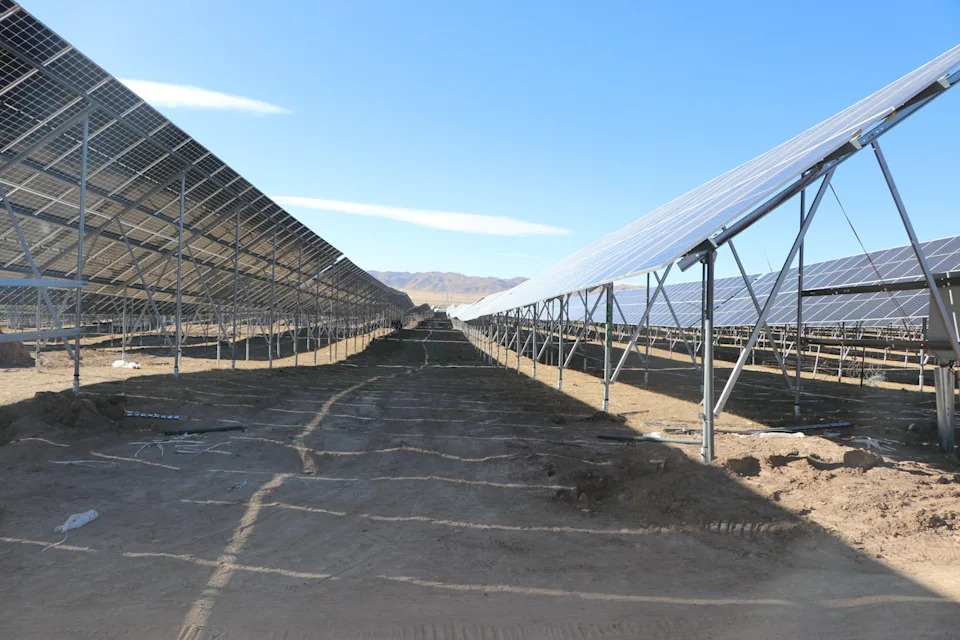
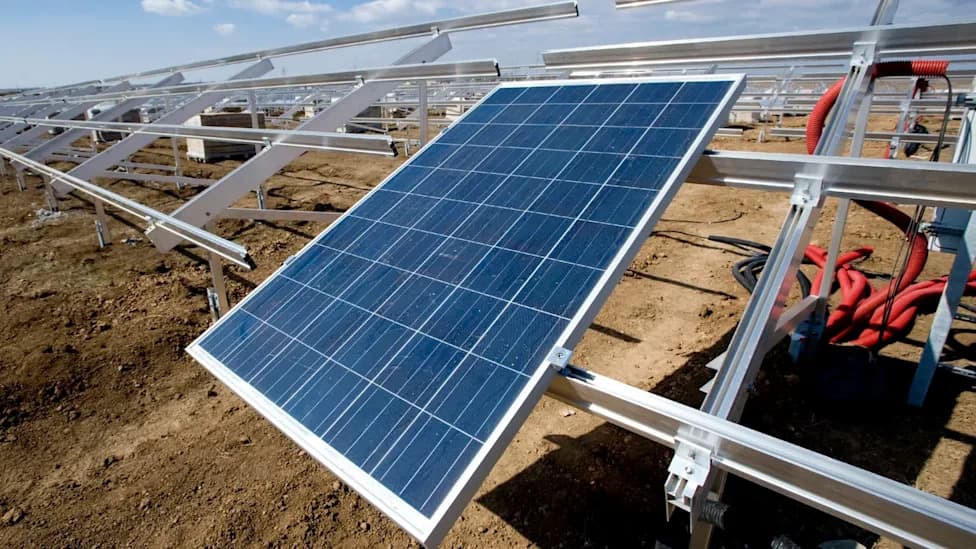
The topsoil and grasses are disturbed by the construction of the posts and digging for underground cables. Sanggay Tashi,CC BY-ND
Landscape and Daily Life
What were once open alpine meadows — pangtang in Tibetan, where herders could move freely and see distant horizons — are now covered by dense rows of panels. “It is easy to get lost in this jungle of solar panels,” Tsering, a local observer, told me during a windy winter day in 2023. For herders like Dolma, who still tends yaks beneath the arrays, the change is visceral: “I am used to herding on open grassland. So, herding under these glass panels feels like something is wrapping around my head. It feels very depressing.”
Land Rights, Leasing, and Payments
Land in China is government- or collectively owned; private ownership is not permitted. Since the 2000s, families in some nomadic areas of Qinghai received 50-year grassland use certificates that grant fixed-term land-use rights, most of which expire in 2050. In many cases, certificate holders have leased parcels to energy companies under contracts that typically run about 25 years — roughly matching the remaining term on those certificates.
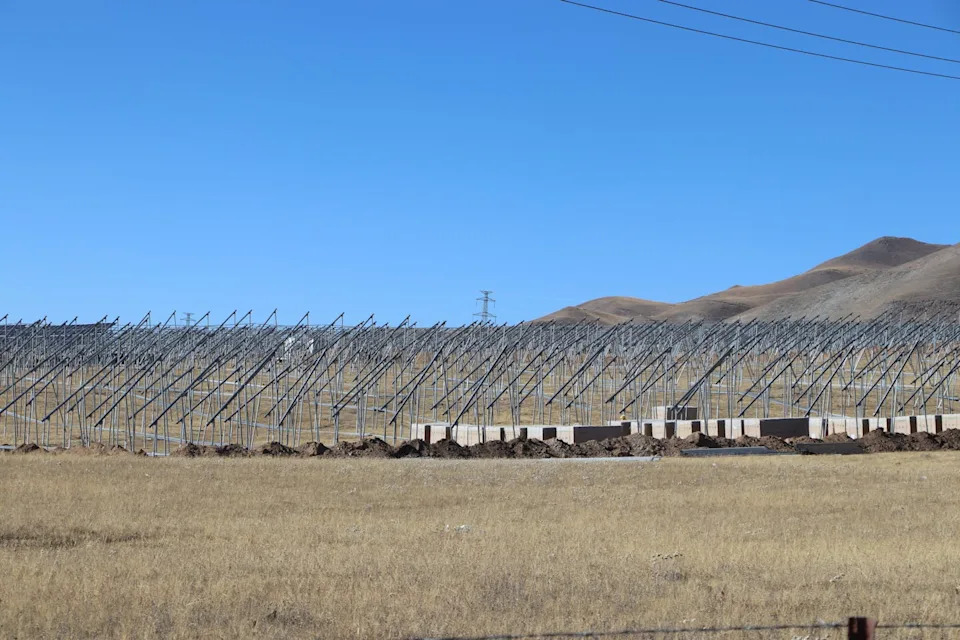
A solar farm under construction in eastern Tibet. Sanggay Tashi,CC BY-ND
Residents reported that companies offered 3,000–4,000 yuan (about US$440–$587) per mu (≈0.16 acres). That has translated into one-off household payments that vary widely depending on acreage — reported roughly between 40,000 and 1,000,000 yuan (about US$6,000–$147,000), according to locals.
Leasing processes are often complex and opaque. Several families said they signed contracts without fully understanding the legal language, which was written in Chinese and sometimes orally translated into Tibetan. Negotiations commonly occurred between company representatives, a few household leaders, and local officials, leaving many residents uninformed about terms and long-term implications.
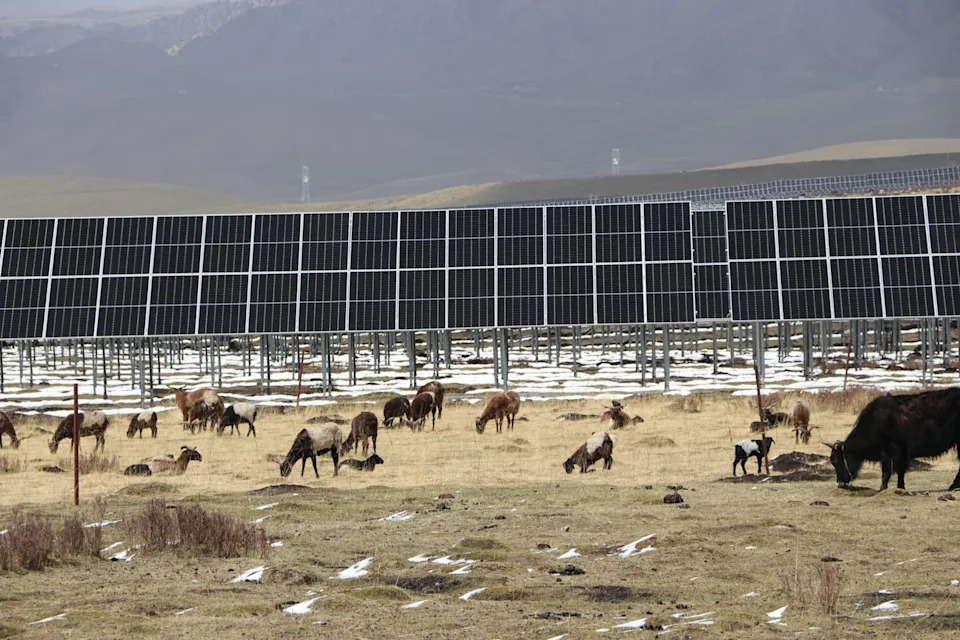
Livestock graze near solar panels in eastern Tibet. Sanggay Tashi,CC BY-ND
Cultural and Spiritual Conflicts
Local Tibetan cosmology treats pastureland as communal and inhabited by many beings — deities, animals, insects and invisible presences. Planners and developers frequently frame land as individual, monetizable assets, a mismatch that produces cultural conflict. In one notable incident, transmission poles were sited very near a labtse, a sacred shrine for a mountain deity. Developers initially proposed covering the cost of relocating the shrine — a solution that residents rejected as culturally unacceptable. Ultimately the poles were moved a short distance after negotiations.
Ecological and Livestock Impacts
Construction disturbed topsoil and destroyed diverse native grasses. Restoration seeding often relied on one or two species sourced from outside the immediate area, leaving herders uncertain whether replanted vegetation matched the original ecosystem. Under panels, snow melts more slowly in winter, and locals reported newborn lambs freezing; foxes can hide under arrays and prey on young animals. Wind turbines and the structures of solar farms also produce noise and wind-driven sounds that can unsettle livestock and residents.
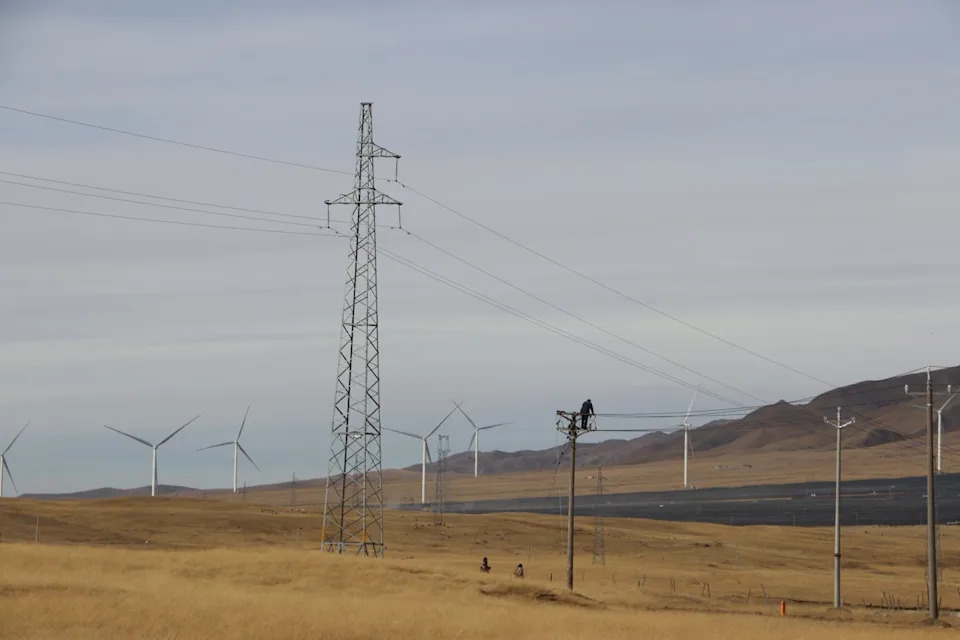
Workers set up power transmission lines. Sanggay Tashi,CC BY-ND
Uncertain Futures
Solar panels typically have a useful life of around 25 years, similar to current lease terms. Many residents worry about whether leases will be renewed, how land rights will be handled when grassland use certificates expire (most in 2050), and how decommissioning and panel waste will be managed. These uncertainties compound concerns about long-term cultural, ecological and economic impacts.
Conclusion
The case on this part of the Tibetan Plateau illustrates how ambitious clean-energy goals can clash with local land uses, spiritual practices and the livelihoods of Indigenous pastoralists. Listening to residents’ experiences helps reveal the social and ecological trade-offs of siting renewable energy projects in Indigenous territories and points to the need for more transparent, culturally informed planning and long-term environmental safeguards.
Author: Sanggay Tashi, University of Colorado Boulder. This reporting draws on ethnographic fieldwork and conversations with more than 20 community members. Funding acknowledgments include grants from University of Colorado Boulder and other research foundations.
Help us improve.