Mongolian herders are adopting technology to protect livestock as climate change intensifies drought, dust storms and deadly cold snaps. The Hunu app pairs a solar GPS tracker with AI weather alerts and maps for snow depth, soil moisture and wind direction to guide nomadic moves. Launched after the catastrophic 2024 dzud that killed over eight million animals, Hunu aims to expand regionally while Mongolia grapples with nearly 82% of its land affected by desertification.
Mongolian Herders Turn to Solar GPS and AI Alerts as Climate Crisis Shrinks the Steppe
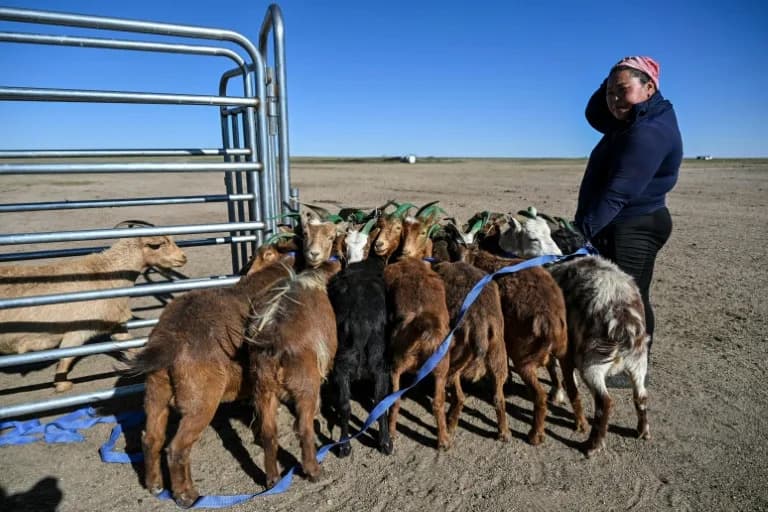
In this photo taken on August 25, 2026 sheep herder Ganchimeg stands with goats she rounded up in Bayantal, Mongolia's Govisumber province (Hector RETAMAL)
This summer, Mongolian herder Ganchimeg feared she might lose her entire flock when sheep wandered toward a salty lake because nearby vegetation was sparse. Thanks to a mobile app, her husband reached the animals in time and prevented disaster.
"If they drank or stepped into it, the whole flock would be destroyed,"Ganchimeg told AFP outside her traditional ger on the wide Gobi horizon. "If we hadn't used that GPS tracker, we might have lost our entire flock."
Tech Meets Tradition
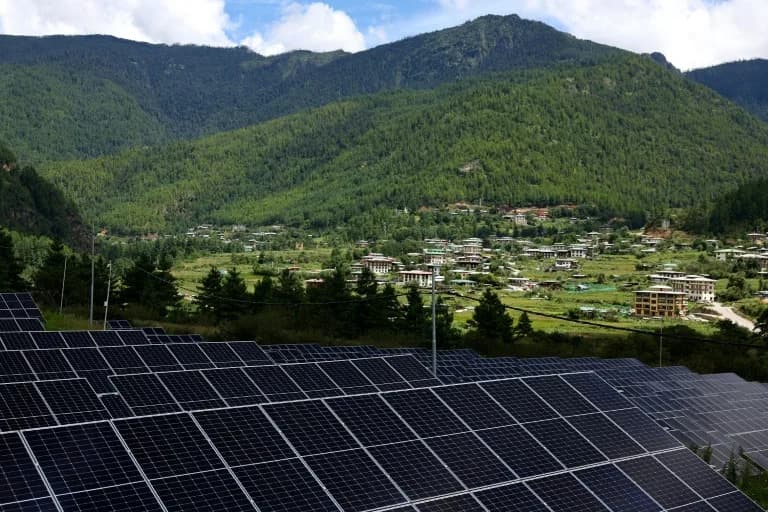
The Hunu app, founded by 26-year-old Bilgudei Gankhulug, pairs a solar-charged GPS device attached to one animal per group with an AI-powered weather and mapping service. Because Mongolian herds typically travel together across vast rangelands, tracking a single animal can alert herders to danger for the entire group.
The app provides timely updates on dust storms, blizzards and extreme weather, and aggregates maps for snow depth, wind direction, soil moisture and drought risk — information that helps nomadic families decide where to move next.
Origins and Ambition
Bilgudei developed Hunu after the devastating 2024 dzud that killed more than eight million livestock and wiped out many herders’ livelihoods. Meaning "strong nomad," Hunu aims to combine traditional pastoral knowledge with modern science and technology. Bilgudei told AFP he plans to expand the service across Central Asia and has already spoken with pastoralists from Tanzania and Uruguay who showed interest at COP17.
Scale of the Crisis
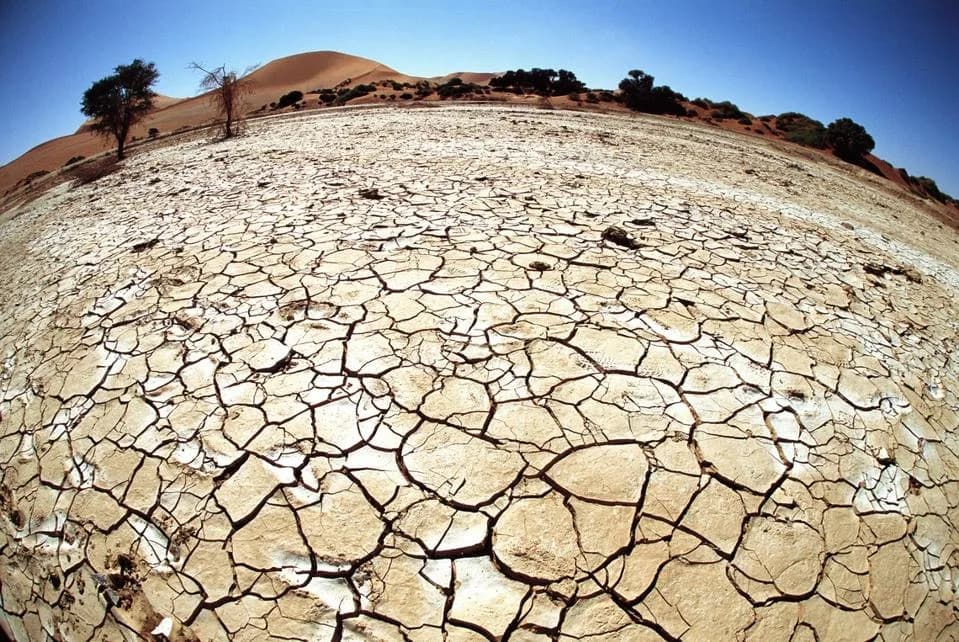
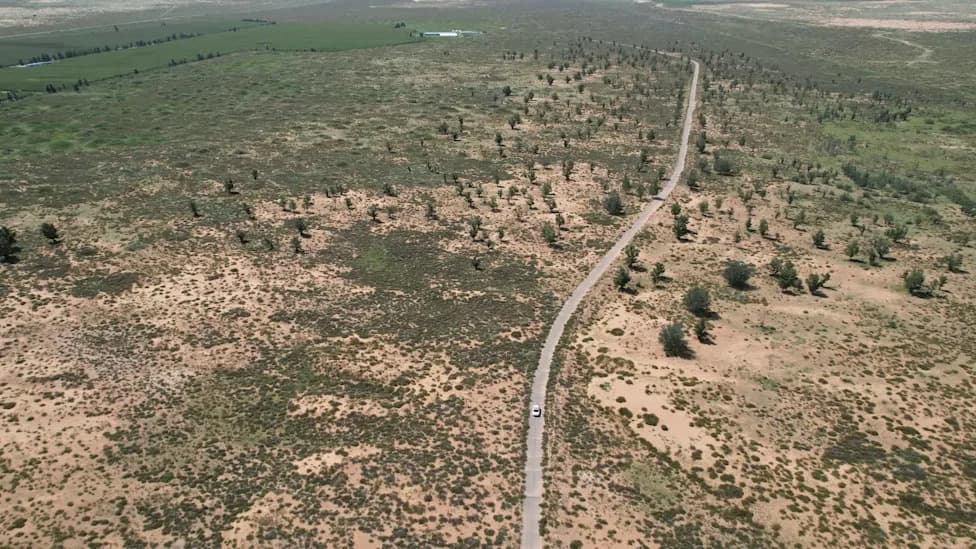
Mongolia is particularly exposed to human-driven climate change: about 80% of the country is rangeland, nearly 82% of the territory is affected by desertification or land degradation, and roughly one in four Mongolians are nomadic herders. Authorities and conservationists warn that climate extremes, together with rampant overgrazing and expanding mining activity, are accelerating land degradation and threatening wildlife including snow leopards and saiga antelope.
Dundgovi Province — where livestock account for three-fifths of the local economy — has experienced continuous population decline as families abandon the steppe for towns and cities. Officials warn the region’s dust storms can move south and affect China, Korea, Japan and even reach the United States, making the problem transboundary.
Voices From the Steppe
Some herders are cautious about international forums. "I often question whether the true voice of our herders is actually reaching decision-makers or not," said 49-year-old herder Bolormaa Erdenee, who tends about 400 animals and has seen mining trucks raise dust across traditional grazing lands. Several nomadic households nearby have already relocated nearly 200 kilometres searching for better pasture.
Hunu’s founder emphasizes that seasonal migration and other traditional practices remain critical environmental protections and that combining those traditions with technology offers the best chance to protect livelihoods and fragile ecosystems.
Context: Mongolia hosted COP17 talks focused on a global desertification treaty and funding for land restoration; delegates noted a large financing shortfall to tackle drought resilience and land degradation.
Help us improve.