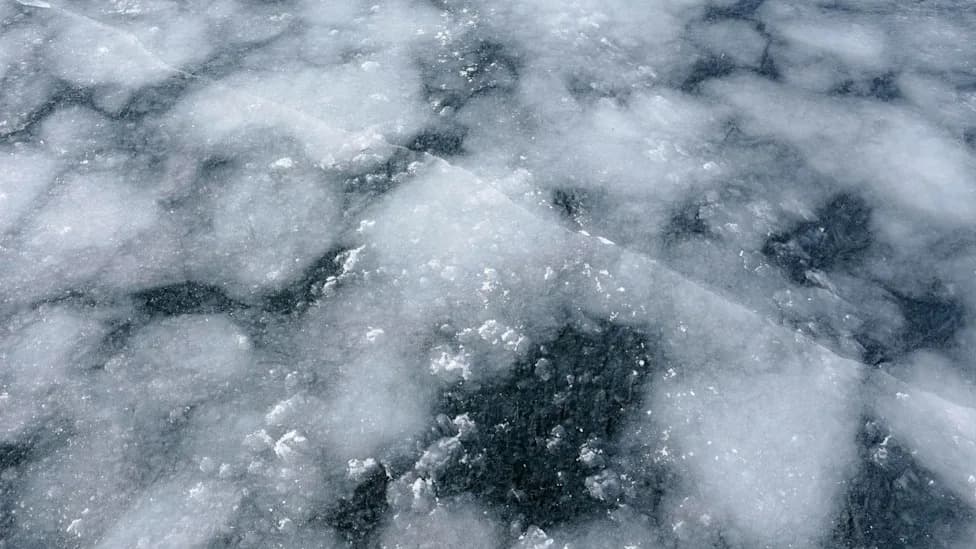
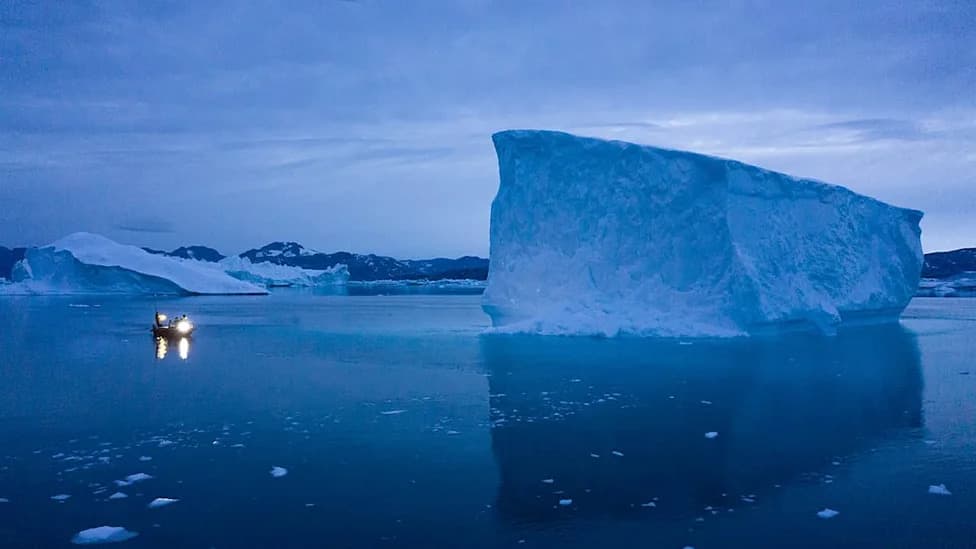
DTU-led research published in Nature finds Greenland now calves roughly four times more icebergs than 25 years ago, a trend tied to climate warming. In the Fram Strait, iceberg occurrences have quadrupled since 2000, and clusters of more than five bergs have increased by about 4.5% per decade. These icebergs carry rock and sediment hundreds of kilometres, reshaping deep-sea hard-bottom habitats, while opening Arctic routes raise collision risks for ships.
Greenland Now Calves Four Times More Icebergs — Study Warns of Deep-Sea Change and Shipping Risks
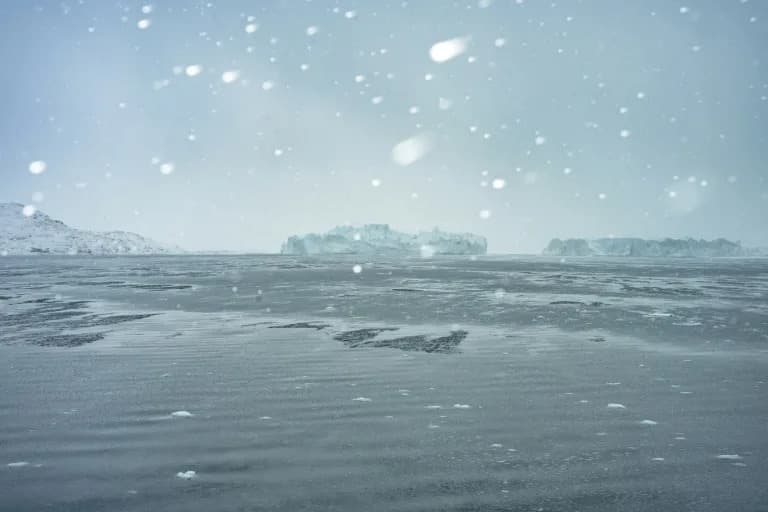
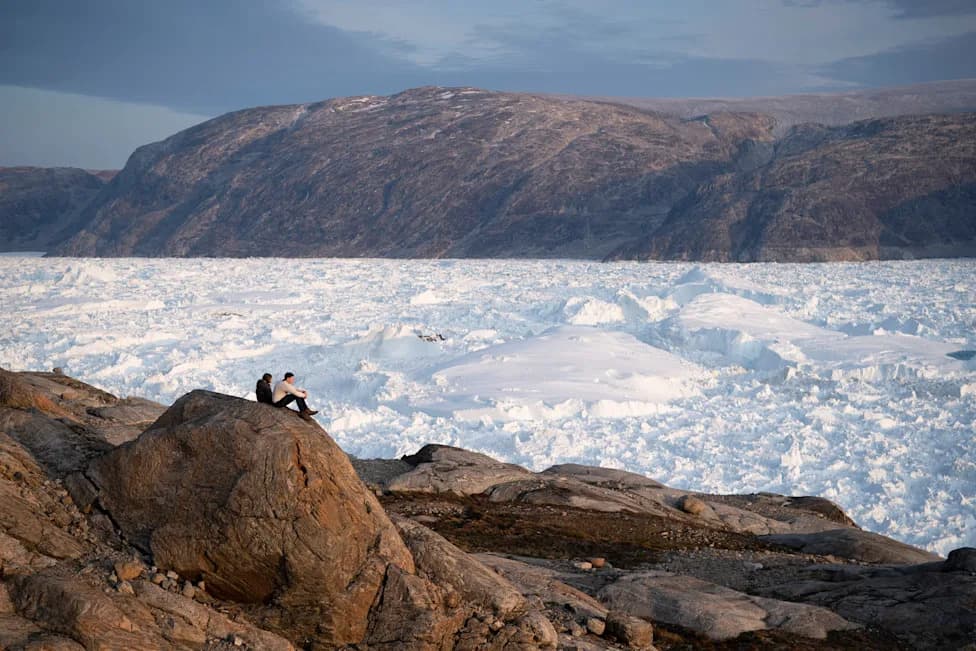
Researchers in Denmark said the phenomenon has increased since the turn of the century (Florent VERGNES)(Florent VERGNES/AFP/AFP)
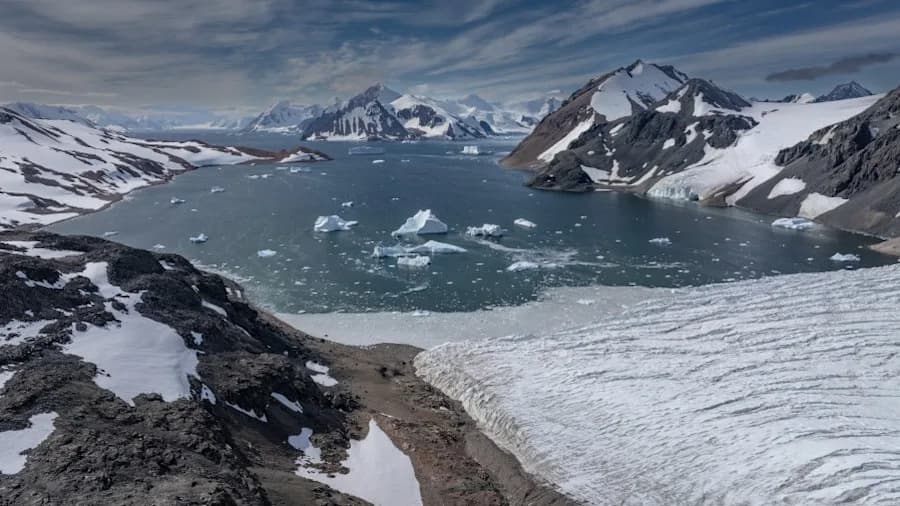
Researchers led by the Technical University of Denmark (DTU) report that Greenland's glaciers are now releasing roughly four times as many icebergs as they did 25 years ago, a rise the authors link directly to climate warming. The study, published in Nature, connects accelerated surface melt to increased iceberg traffic and consequential changes on the deep seafloor.
Key Findings
In the Fram Strait — the passage between northeast Greenland and Svalbard — the occurrence of icebergs has "quadrupled since the year 2000," the authors state. The team also found that the share of iceberg clusters (groups of more than five bergs) originating from Greenland and the Russian Arctic has grown by about 4.5% per decade since 2000.
Ecological and Navigational Impacts
Icebergs transport large quantities of rock and sediment hundreds of kilometres offshore. When they sink, their keels and the material they carry scour and seed the deep seafloor, creating and expanding hard‑bottom habitats that alter benthic ecosystems far from the glaciers.
“When the Greenland ice melts, sea levels rise. But we can also see that the changes affect the entire Arctic,” said Shfaqat Abbas Khan, a co-author, in a DTU release.
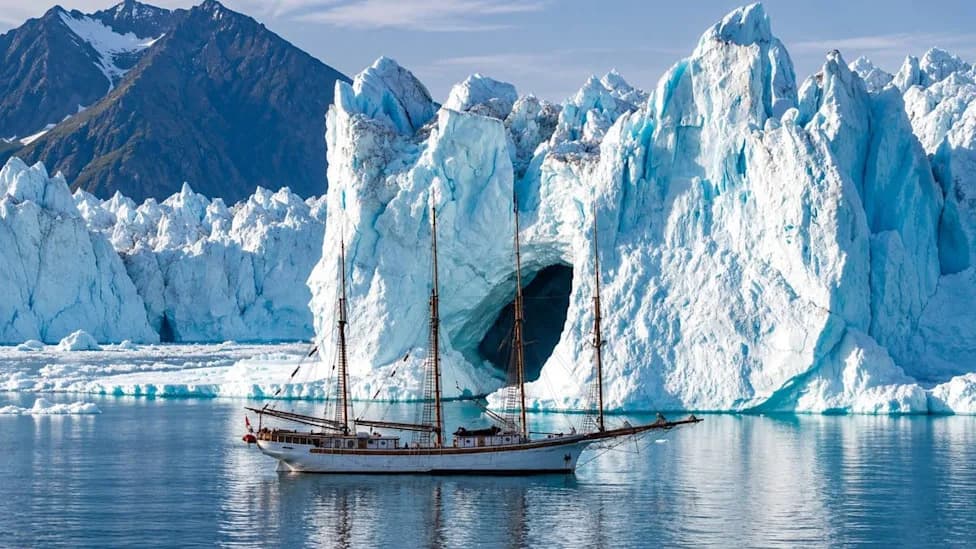
At the same time, longer ice-free seasons and emerging Arctic shipping routes increase the probability that vessels will encounter more and larger concentrations of icebergs, heightening risks to maritime traffic and requiring enhanced monitoring and route planning.
What This Means
The research highlights a chain of climate-driven processes: warming drives glacier retreat and increased calving, which raises iceberg numbers and redistributes sediments and habitats across the Arctic seabed. The combined ecological and commercial implications call for improved iceberg tracking, stronger navigational warnings, and consideration of deep-sea impacts in Arctic management and conservation plans.
Study: Technical University of Denmark (DTU), published in Nature. Reporting contributions: cbw/jll/phz.
Help us improve.