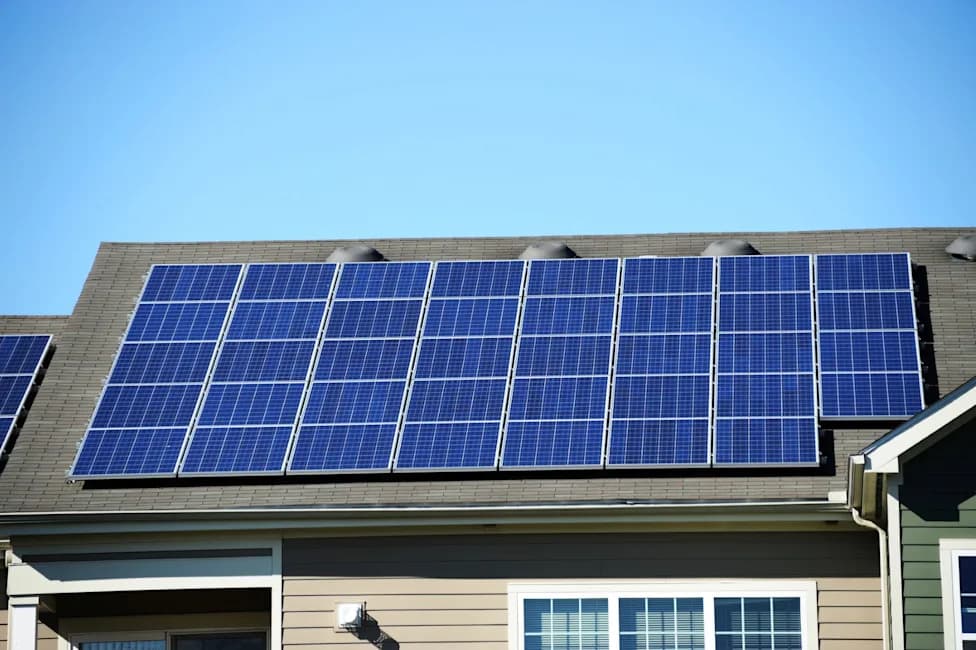
Solar generated 12.8% of U.S. electricity in May, surpassing coal at 12.2% for the first time on record, highlighting a rapid shift in the power mix. Five years ago solar delivered less than half of its current share while coal supplied about 20%. The milestone comes amid political actions that favor coal, including a $700 million federal funding package and rollbacks to parts of the 2022 Inflation Reduction Act. Despite short-term policy support for coal, analysts say market trends and continued solar deployment point to further growth in renewables.
Solar Overtakes Coal in U.S. Power Mix for the First Time — 12.8% vs. 12.2% in May
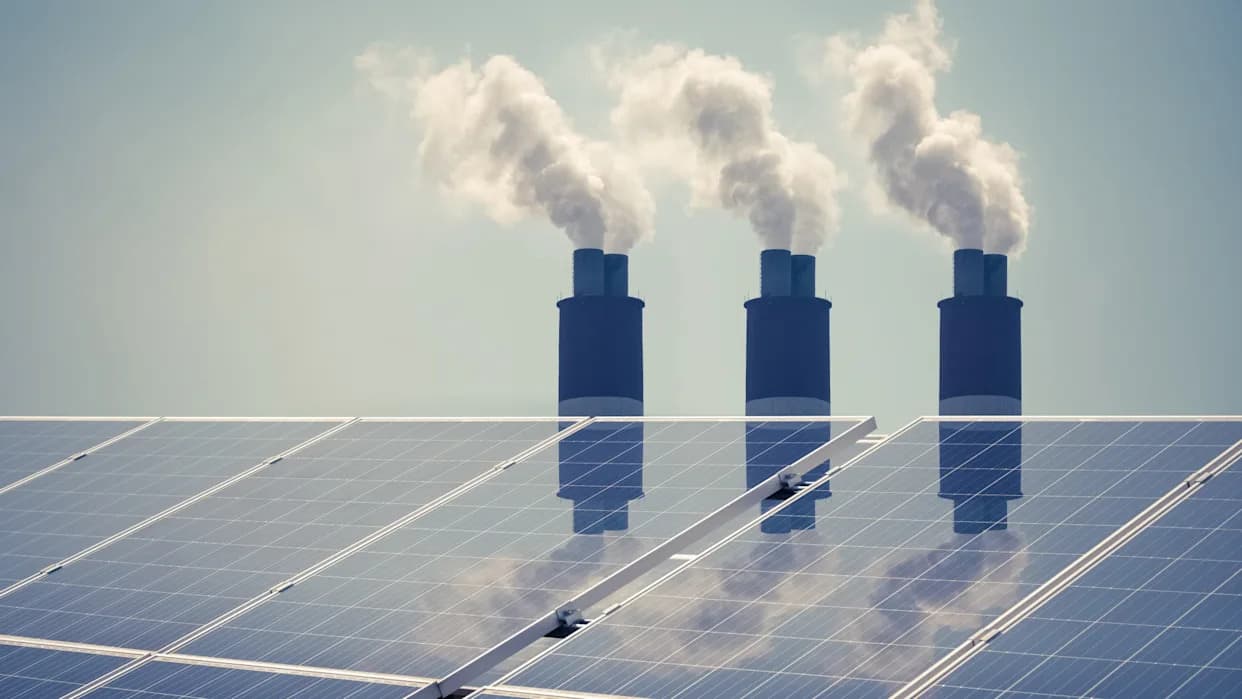
For the first time on record, solar energy delivered a larger share of U.S. electricity than coal: 12.8% of the nation's generation in May versus 12.2% for coal, according to an Ember analysis of government data. The milestone underscores how rapidly renewables have scaled up across the country.
What Happened
Natural gas and nuclear still supply the largest portions of U.S. electricity, but solar's growth has been striking. Five years ago solar produced less than half of its current share, while coal provided roughly 20% of generation. That shift reflects a multi-year decline in coal and sustained investment in solar capacity.
'Overtaking coal for the first month on record shows just how far solar has come, from a niche contributor to the third-largest and fastest-growing source of power in the U.S. electricity system,' said Nicolas Fulghum, senior data analyst at Ember.
Political And Market Context
The milestone arrived amid political moves that favor coal. Last summer, Congress passed the 'One Big Beautiful Bill Act,' which rolled back significant provisions of the 2022 Inflation Reduction Act. The administration also announced $700 million in federal funding aimed at supporting the coal industry, including money that could help finance what would be the first new U.S. coal-fired plants in 13 years.
President Donald Trump described the funding as a way to reduce energy costs, calling it action to 'bring down the price of energy and the cost of living for all Americans with the power of clean, beautiful coal' and echoing the slogan 'dig, baby, dig.'
Ember noted that coal generation in May rose slightly from April — when coal hit an all-time low — and that coal's share could climb during summer peak demand. Nonetheless, the longer-term trend over several years points downward for coal, suggesting structural challenges for the industry.
'Spending $700 million to bail out the coal industry is like throwing a lifeline to a ship that has already sunk,' said Lena Moffitt, executive director of Evergreen Action. Rich Nolan, president and CEO of the National Mining Association, countered that coal can help shield consumers from volatile energy prices and supply disruptions.
Outlook For Solar
The Solar Energy Industry Association reported that installations declined in 2025 compared with 2024, but solar still accounted for more than half of newly installed electricity capacity last year. Analysts and advocates expect solar deployment to continue growing as costs fall, policies and markets support expansion across states, and more projects come online.
'We're going to just keep seeing more and more renewables brought onto the grid. That's good for people's wallets, it's good for their health, it's good for the planet,' said Patrick Drupp, director of climate policy at the Sierra Club.
Bottom line: May's figures mark a symbolic turning point: solar has overtaken coal for the first month on record. Seasonal demand or short-term policy choices may cause fluctuations, but market trends and continued solar investment point to a growing renewables share in the U.S. power mix.
Originally published by Grist on Jun 10, 2026.
Help us improve.