Key takeaway: Rapid solar deployment in India has prevented coal output from rising over the past two years, even as electricity demand grew by about 7%. CREA analysis shows coal production is no higher than two years ago and power-sector emissions have stayed roughly flat since 2024. India's solar capacity is expanding around 40% annually, though overall CO2 rose in early 2024 because of increased steel and cement production.
India’s Solar Surge Halts Coal Growth and Reshapes the Power Sector
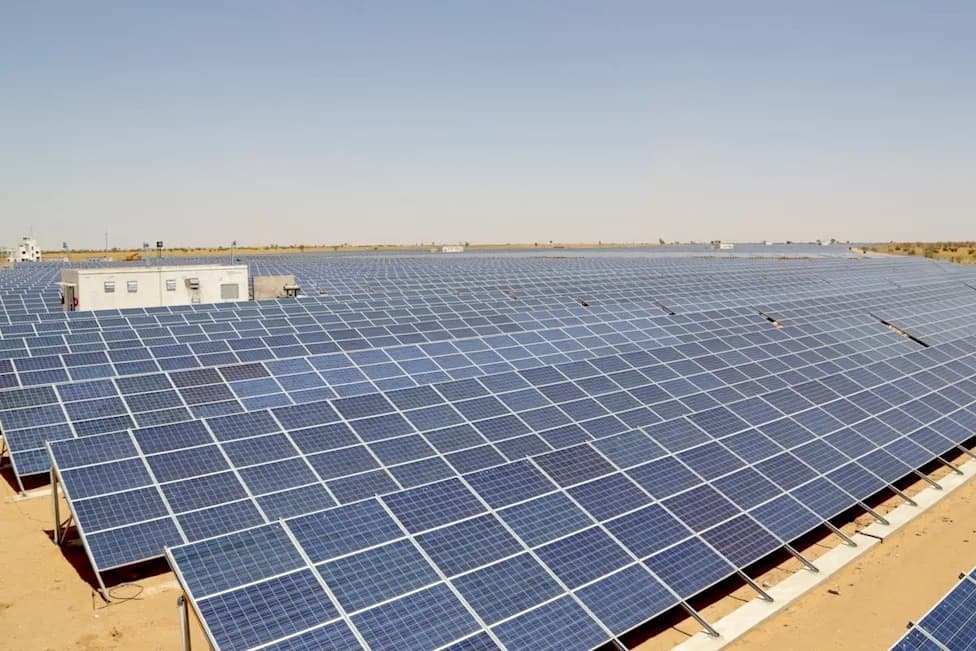
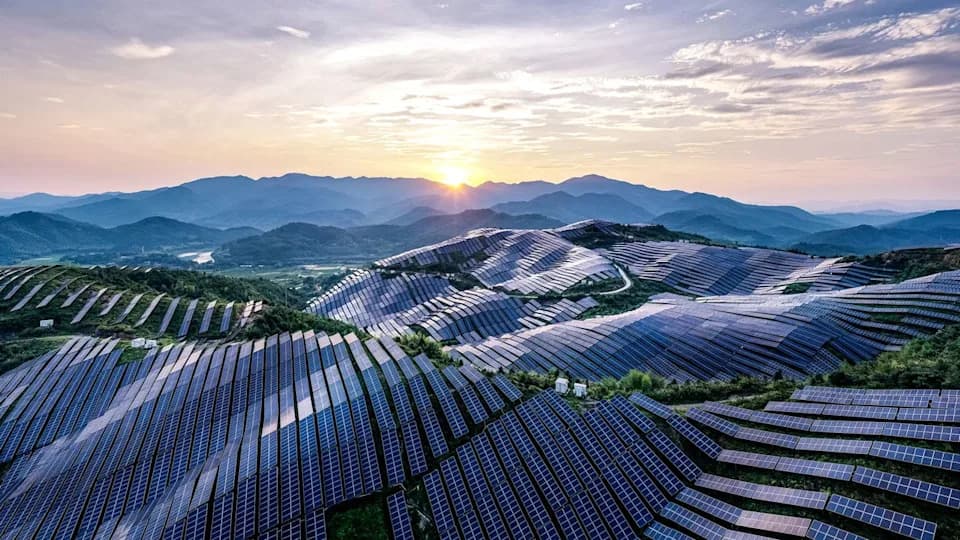
A solar plant in Rajasthan, India. Jitendra Parihar / Thomson Reuters Foundation
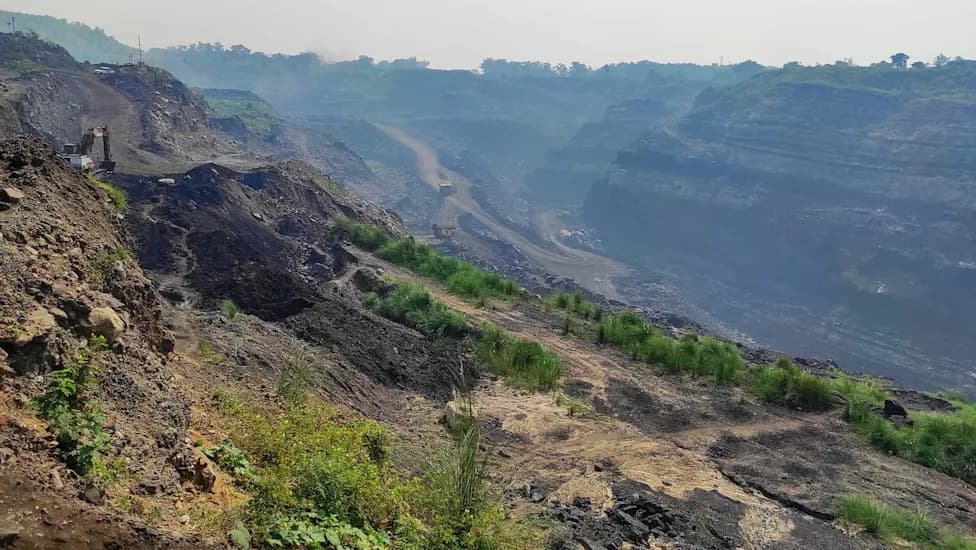
India, home to about 1.4 billion people, has relied on coal for decades to fuel its rapid economic growth. Over the past two years, however, the country has seen a dramatic shift: a large and fast expansion of renewable generation—especially solar—has stopped coal output from rising further.
Analysis and what it shows
Research from the Centre for Research on Energy and Clean Air (CREA) finds that coal production in India is no higher than it was two years ago, even as electricity demand has continued to climb. After decades of growth, coal appears to be hitting a structural limit in India’s power mix. As a result, power-sector emissions have remained roughly flat since 2024.
Solar Is Filling the Gap
Most of the new clean capacity is solar. In the last two years India added enough renewable capacity to power a country the size of Switzerland, enabling it to meet roughly a 7 percent rise in electricity demand without increasing coal generation. Solar capacity is now expanding at about 40 percent annually—an extraordinarily rapid pace compared with even a few years ago.
New Plants, Lower Utilization
Despite stagnating coal output, India continues to commission new coal-fired plants. That trend raises the cost of maintaining a larger fleet at a time when the average coal plant is operating for fewer hours. The result is higher fixed costs per unit of electricity produced and a risk of stranded assets if renewables and storage continue to scale.
Emissions Landscape
While power-sector emissions have flattened, India’s overall carbon dioxide emissions ticked up in the first half of this year. The increase was driven mainly by higher production of steel and cement—two energy-intensive sectors that still depend heavily on coal.
Why this matters
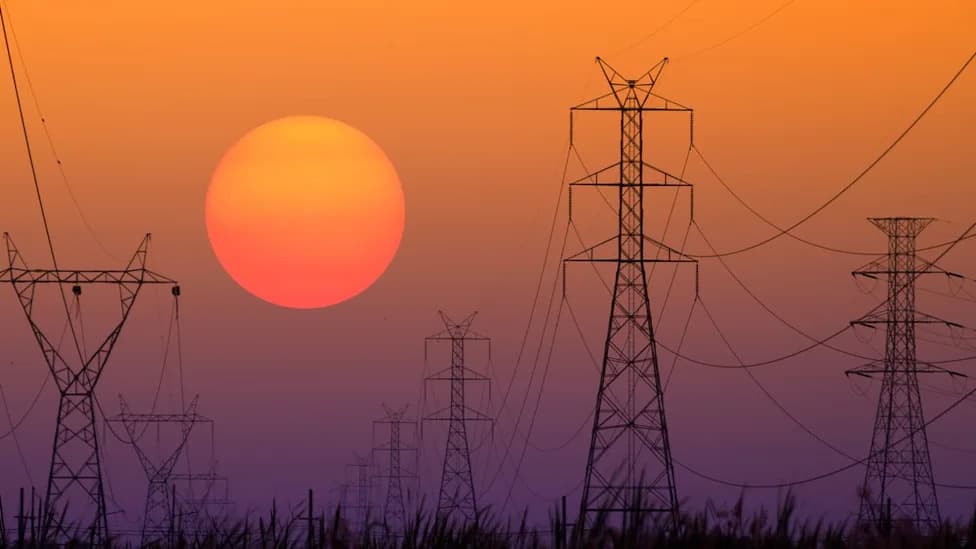
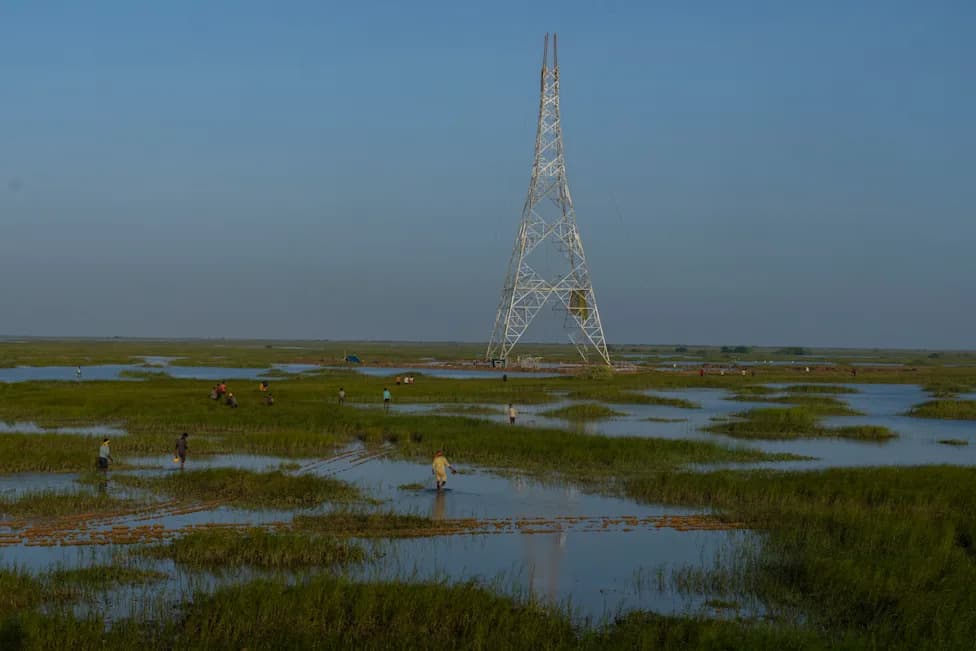
The combination of soaring solar deployment and a plateau in coal output suggests India could be on track to become one of the first major economies to industrialize with a large share of solar power. That transition has major implications for global decarbonization efforts, energy security, and how India plans future generation and grid investments.
Help us improve.