India’s coal-fired electricity generation in H1 2026 matched H1 2024 levels, ending over five decades of uninterrupted coal growth as renewables — led by 77 GW of new solar — supplied an extra 70 TWh and met a 63 TWh rise in demand. Power-sector emissions stayed near 2024 levels, but national carbon pollution rose 3.7% as industrial emissions (steel and cement) climbed 8% and now represent about 23% of total emissions. The country still has roughly 43 GW of coal capacity under construction, and experts warn that faster industrial electrification and more storage are needed to cut overall emissions.
India’s Coal Growth Pauses as Renewables Meet Rising Power Demand — But Emissions from Industry Climb
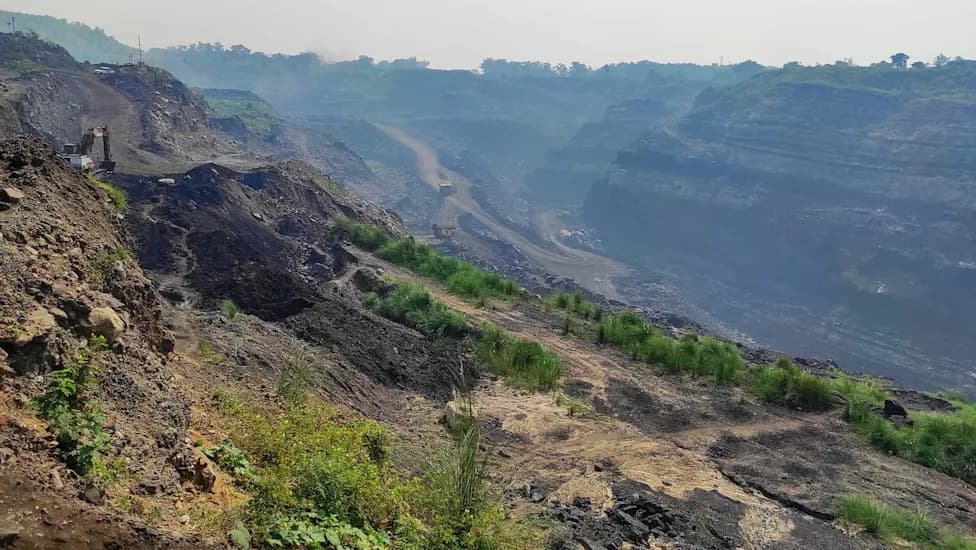
Photo Credit: iStock
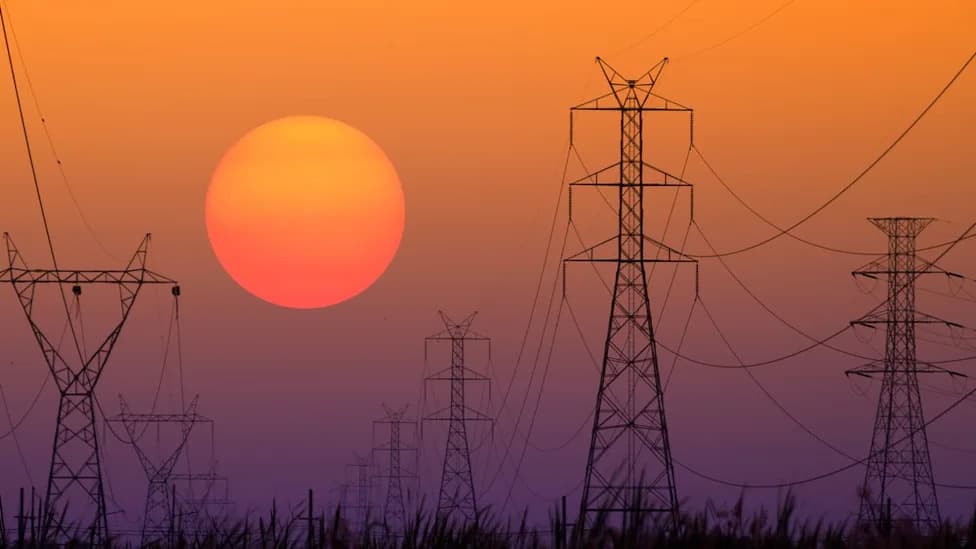
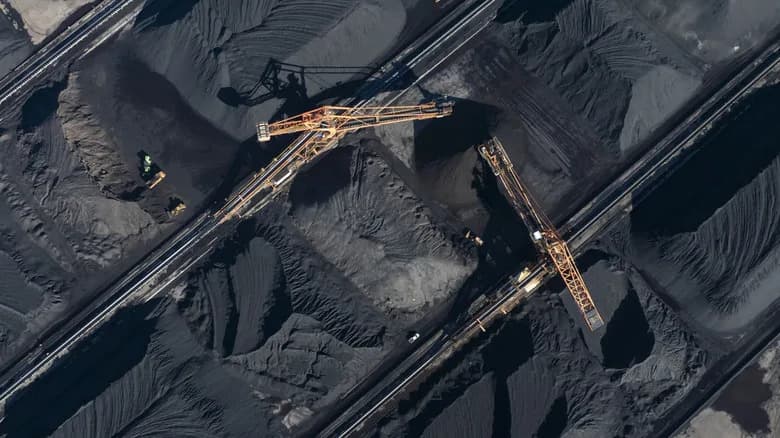
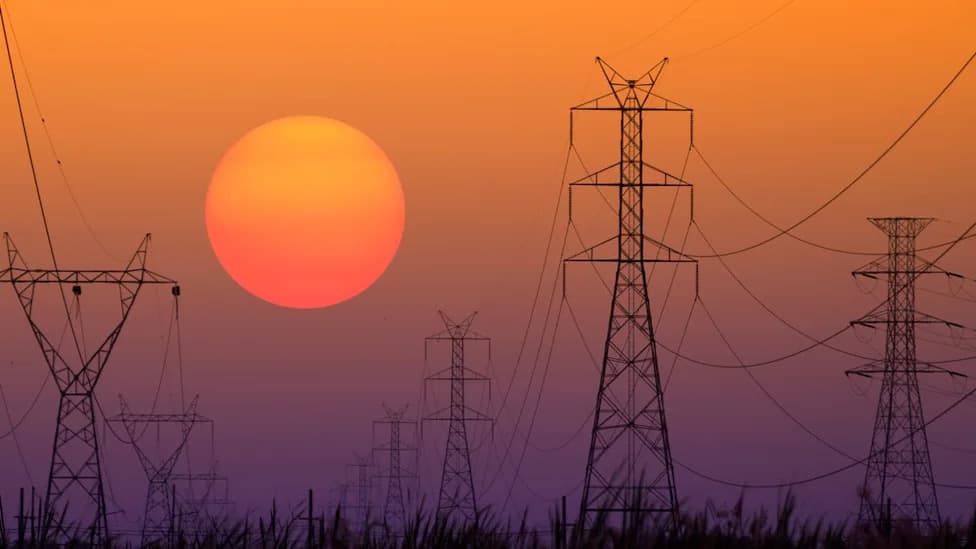
India’s power mix shifted noticeably in the first half of 2026: coal-fired electricity generation remained at roughly the same level as the first half of 2024, marking two consecutive years without coal growth for the first time in more than 50 years. That pause in coal expansion came even as overall electricity use rose and national carbon pollution increased.
Renewables Filled The Gap
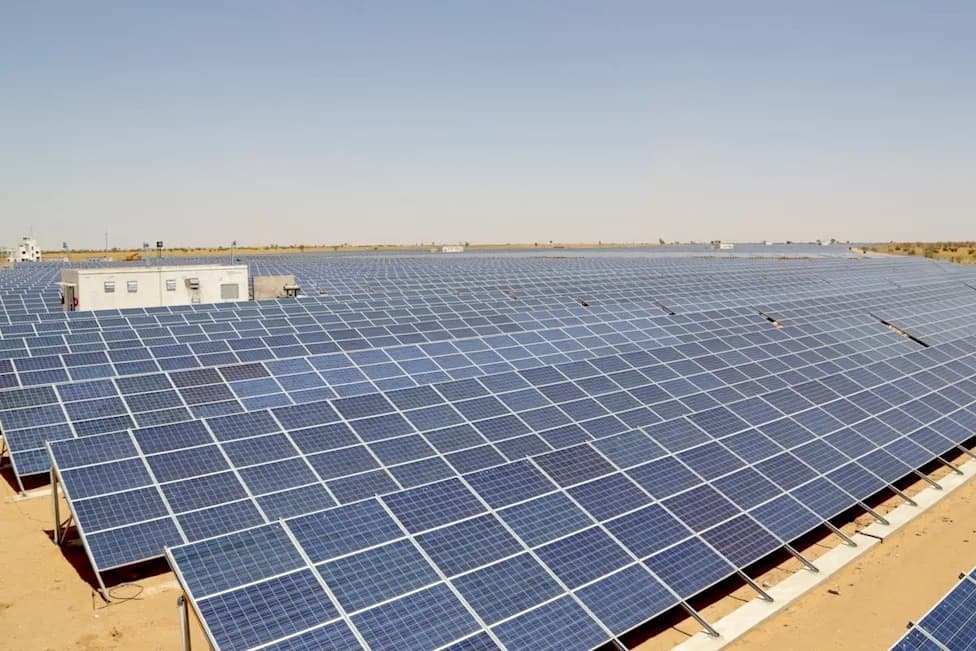
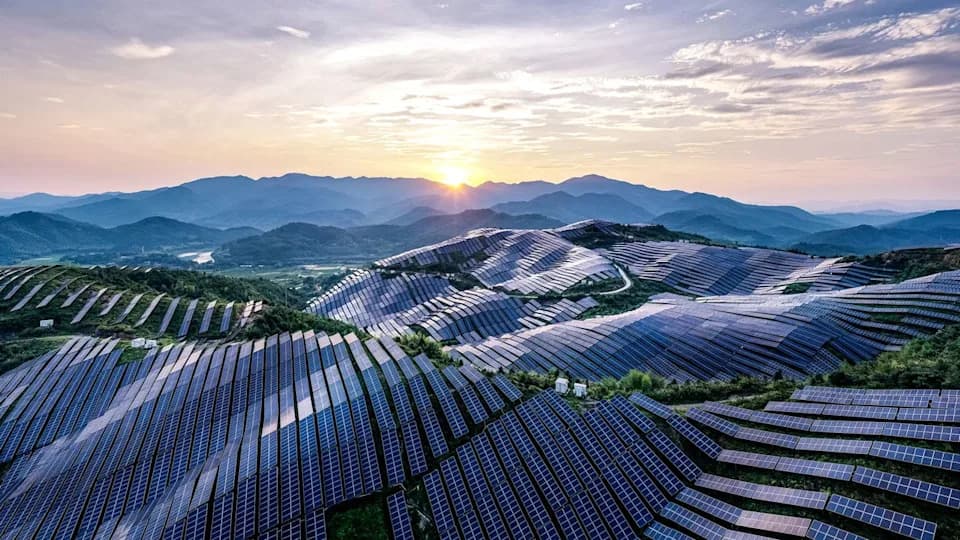
Carbon Brief’s six-month review found that clean energy — led by a rapid expansion of solar — supplied the full rise in electricity demand between H1 2024 and H1 2026. Over the two-year period India’s electricity consumption increased by about 63 terawatt-hours (TWh), while clean generation rose by roughly 70 TWh, keeping power-sector carbon emissions close to 2024 levels. Solar accounted for the bulk of that growth, with 77 gigawatts (GW) of new capacity added, roughly covering 60% of the demand increase. Wind, hydropower and nuclear also contributed to the additional clean supply.
Industrial Emissions Are Rising
While the power sector avoided rising emissions, industrial emissions moved in the opposite direction. Carbon Brief reported an 8% increase in carbon pollution from steel and cement in H1 2026 versus H1 2025; these two sectors now account for about 23% of India’s total carbon emissions. At the same time, emissions from oil and gas fell about 7%, partially offsetting some increases but not enough to lower overall national emissions.
Regional Differences And Imports
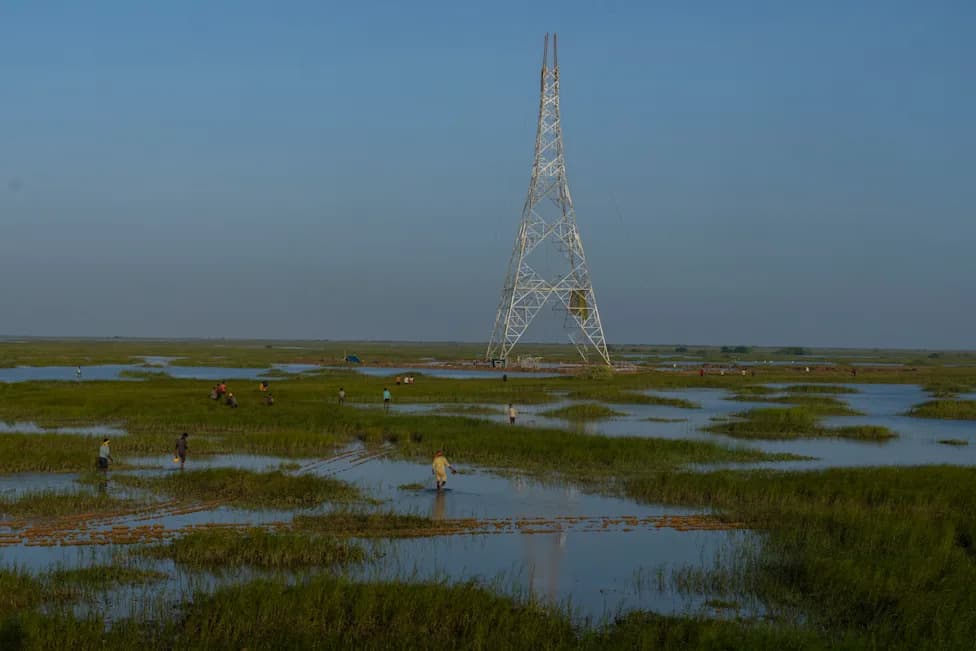
The transition has been uneven across states. Gujarat registered the largest decline in nonrenewable generation and the biggest rise in clean power, with Rajasthan and Tamil Nadu also posting significant gains. Carbon Brief noted that some states reduced fossil generation in part by importing electricity from other regions rather than exclusively by building new local clean capacity.
Storage, Planning And Transport Shifts
Storage deployments and system planning are advancing but still lag long-term needs. By May 2026 the government had issued tenders for roughly 272 gigawatt-hours (GWh) of storage (pumped hydro and batteries). The National Electricity Plan, by comparison, estimates storage needs at 82 GWh for 2026–27 and 411 GWh for 2031–32. Outside power, fuel use is shifting: India reached its 20% ethanol blending target in 2025–26, slowing petrol demand growth, and electric vehicle adoption is expanding. Delhi has introduced an EV policy targeting two- and three-wheelers, commercial vehicles and public charging infrastructure.
Coal Capacity Still Under Development
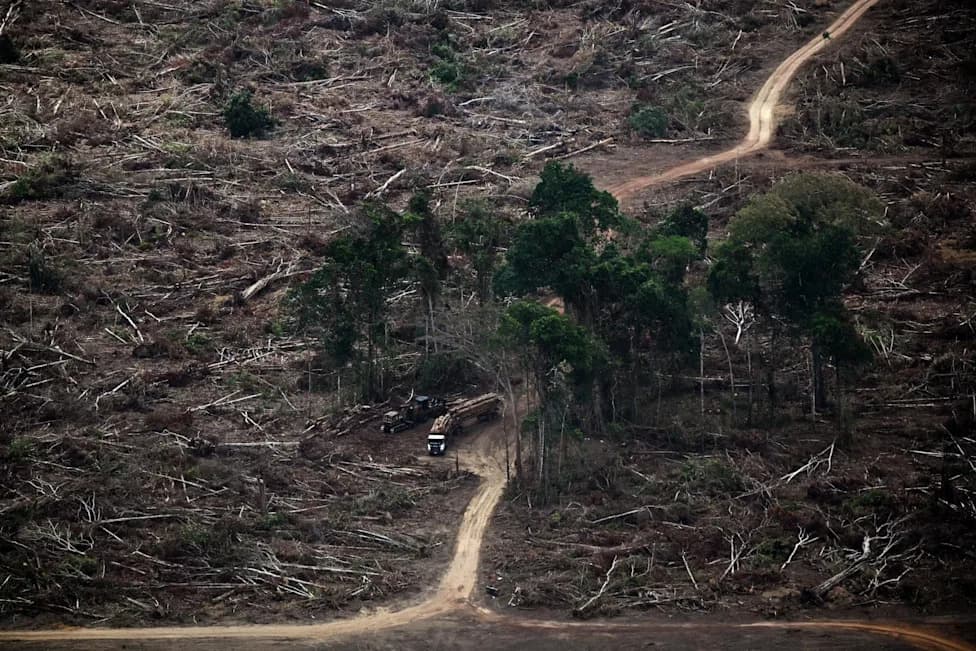
Despite the pause in coal generation growth, fossil-fuel projects remain in the pipeline. As of the end of June 2026, about 43 GW of coal-fired capacity was under construction, alongside plans for coal gasification, expanded domestic coking-coal production and new mines.
Carbon Brief’s caution: Clean electricity alone will not reduce India’s total emissions unless electrification of heavy industry — especially steel and cement — accelerates in parallel.
Conclusion
The recent pause in coal growth demonstrates that rapid renewable deployment — particularly solar — can meet rising power demand. However, to translate cleaner electricity into lower national emissions, policy and investment must focus on electrifying and decarbonising energy-intensive industries, scaling storage, and managing regional grid integration.
Help us improve.