RSPB Scotland has acquired Bass Rock and Craigleith Island from the Hamilton-Dalrymple family after about 320 years in private hands, aided by a £586,000 grant from the National Heritage Memorial Fund. The islands are internationally important seabird sites — Bass Rock supports roughly 100,000 gannets and Craigleith about 10,000 puffins. RSPB will partner with the Scottish Seabird Centre to monitor populations, implement conservation measures and build a virtual visitor experience to engage the public.
Historic Transfer: RSPB Scotland Buys Bass Rock and Craigleith to Protect Declining Seabirds
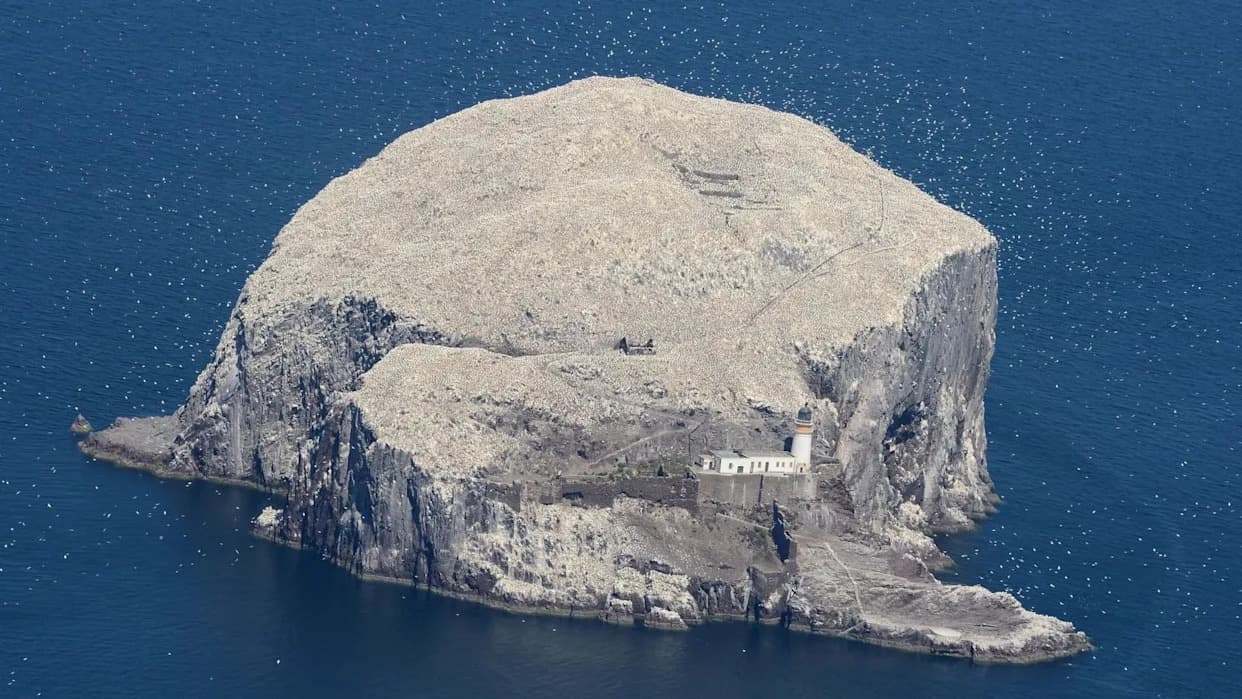
The giant rock is home to one of Europe's most important seabird colonies [David Cannon/R&A via Getty Images]
RSPB Scotland has purchased Bass Rock and nearby Craigleith Island from the Hamilton-Dalrymple family, ending roughly 320 years of private ownership and marking a major step for seabird conservation in the Firth of Forth.
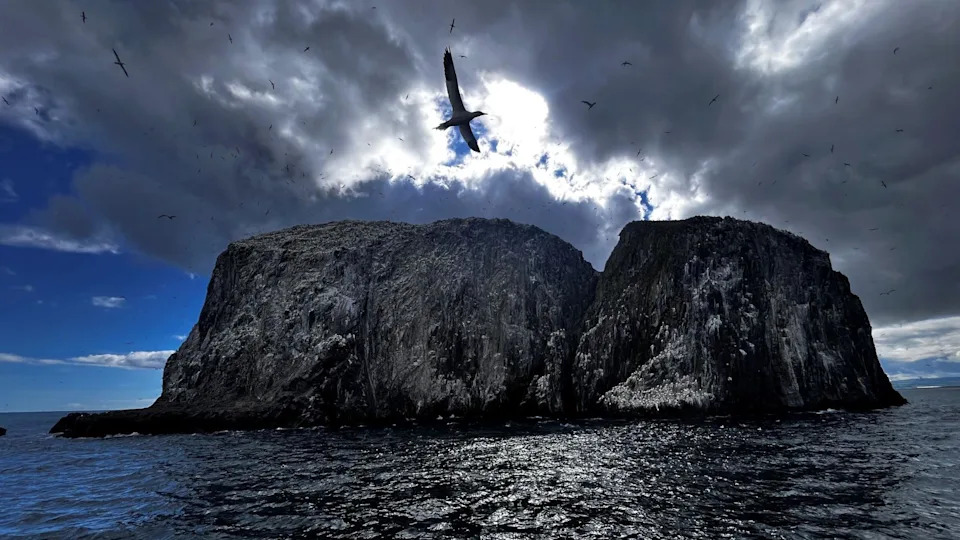
Northern gannets use the rock as a breeding colony during the summer months [BBC]
What Was Bought and Why It Matters
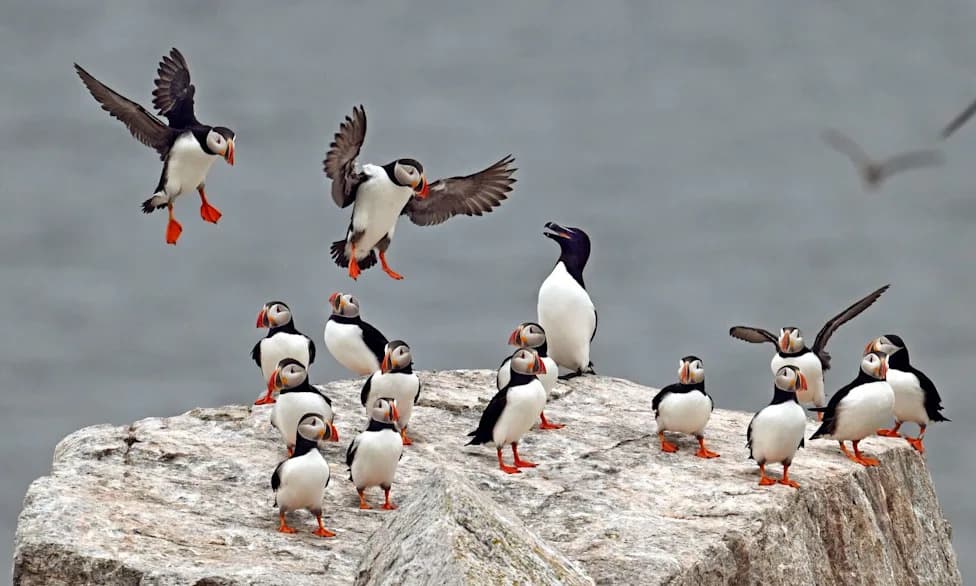
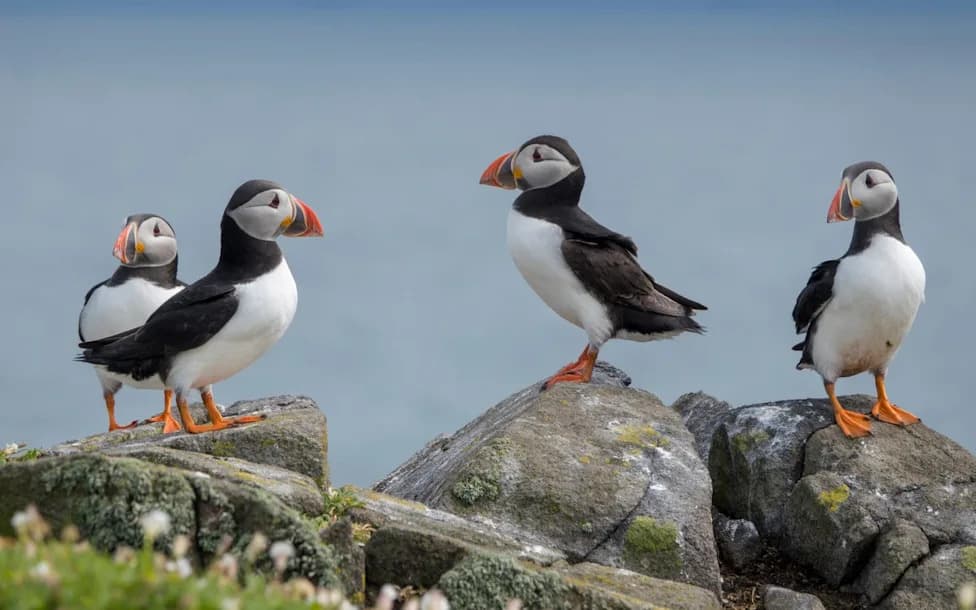
The acquisition — partly funded by a £586,000 grant from the National Heritage Memorial Fund — brings two internationally important seabird sites under the charity's stewardship. Bass Rock, a 350 ft (106 m) volcanic stack three miles off North Berwick, hosts about 100,000 northern gannets and has been a designated Site of Special Scientific Interest (SSSI) for nearly 75 years. Nearby Craigleith supports around 10,000 puffins.
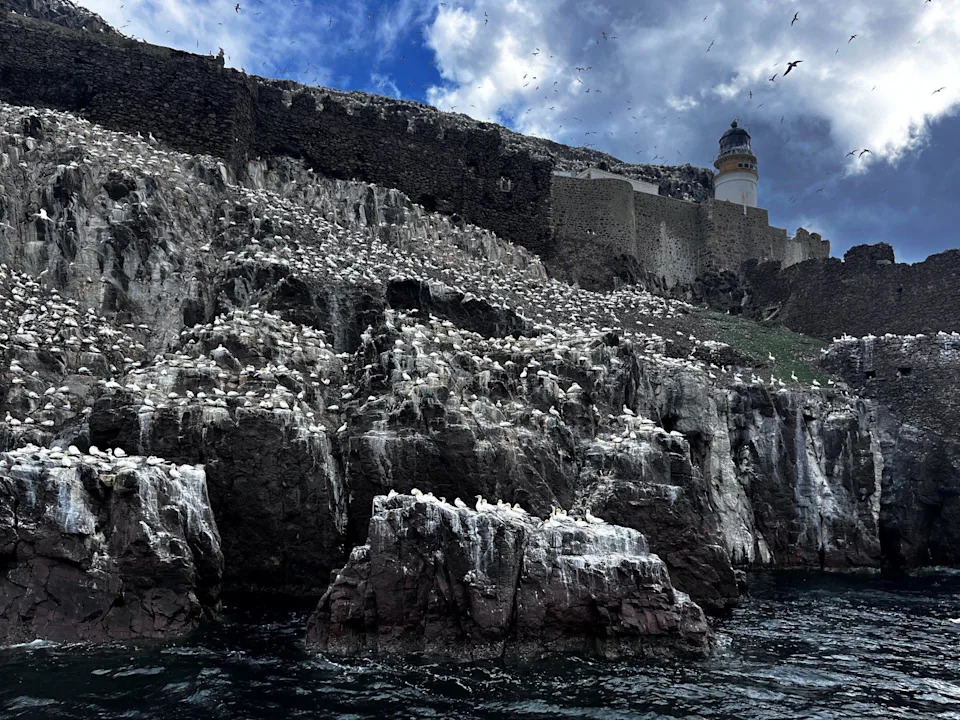
Gannet numbers have declined by about a third since a recent bird flu outbreak [BBC]
Conservation Context and Threats
RSPB Scotland said the move comes at a crucial time: more than 70% of seabird species are in decline. The charity identified the main threats as climate change, shortages of prey, invasive species and human activity, including pollution and disturbance. The gannet colony was particularly hard hit by bird flu in 2022–23; while numbers are recovering, the most recent survey shows the colony is only at about two-thirds of its peak of 150,000 birds.
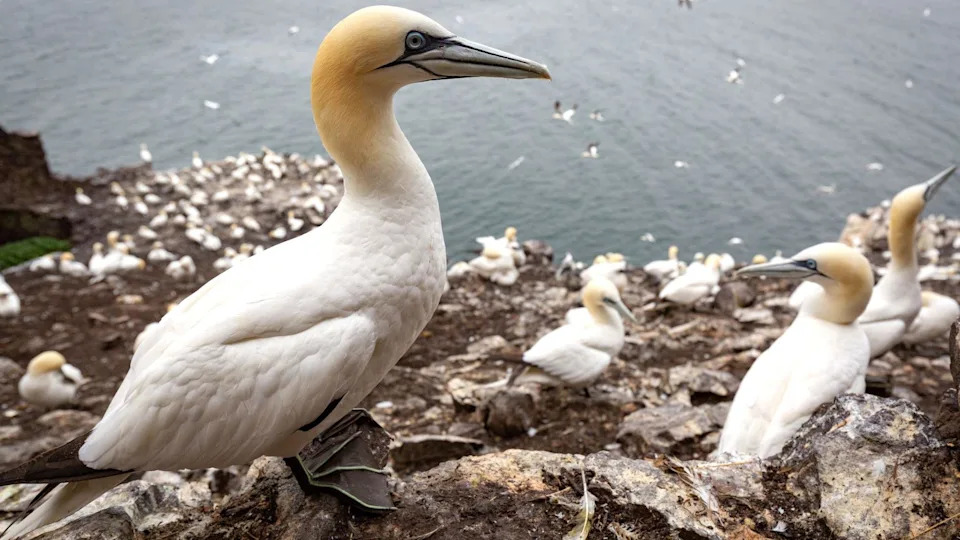
The northern gannet population has fallen to 100,000 since a bird flu outbreak [Tom White/Getty Images]
Plans for the Islands
RSPB Scotland will partner with the Scottish Seabird Centre in North Berwick to develop and deliver a conservation plan for both islands. Activities will include research and long-term monitoring to better understand population trends and pressures, targeted conservation measures to protect breeding birds, and public engagement initiatives.
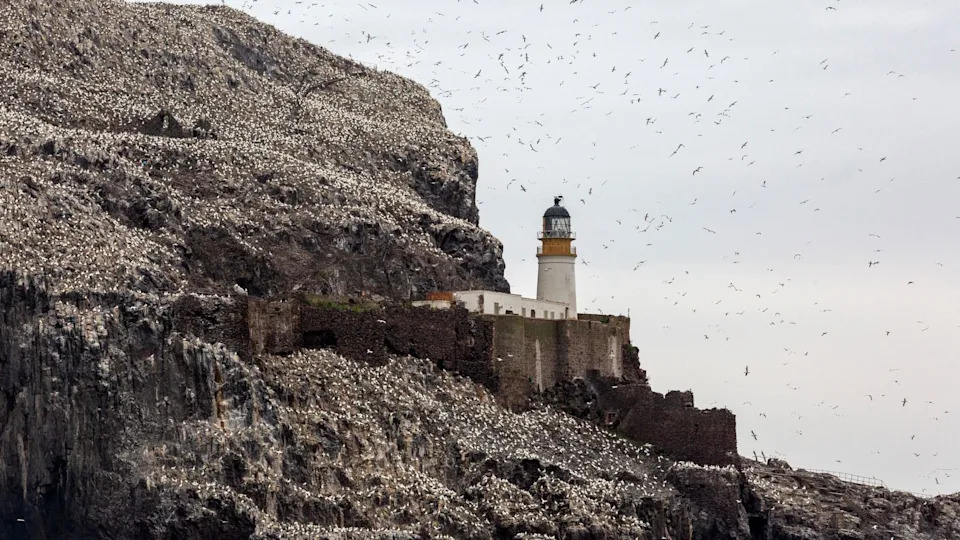
The Bass Rock lighthouse became operational in 1902 and was automated in 1988 [Tom White/Getty Images]
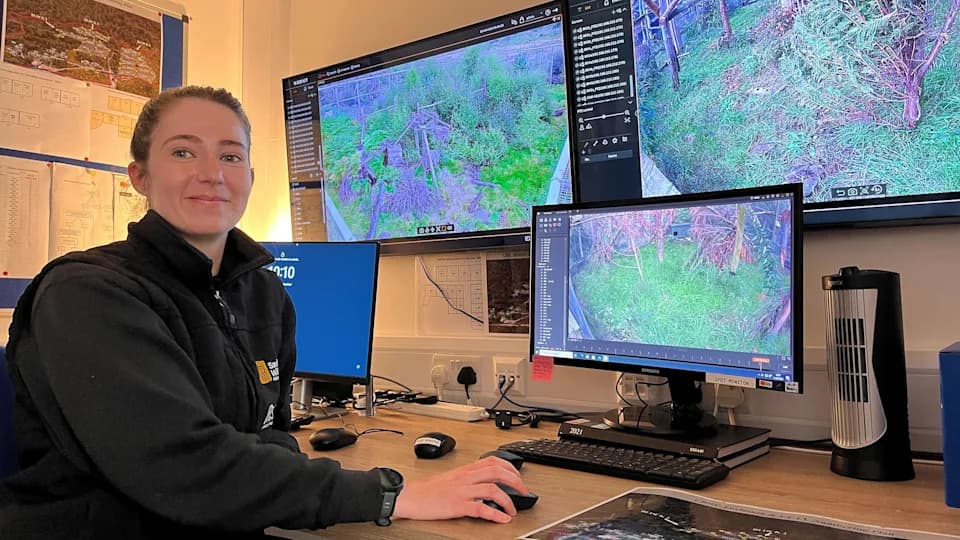
A new visitor attraction at the Scottish Seabird Centre will use live 360-degree cameras to give people a close, virtual view of puffins and gannets without disturbing the colonies.
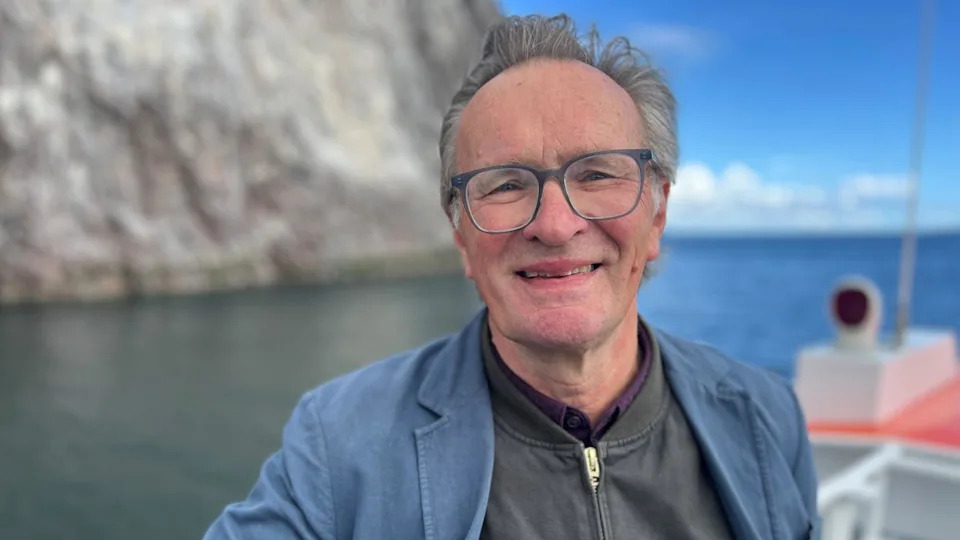
Sir Hew Dalrymple says the conservation charity is best placed to look after the Bass Rock [BBC]
“With the pressures facing Scotland's seabirds intensifying, we have a responsibility to act,” said Anne McCall, director of RSPB Scotland.
History, Habitat and Practical Details
Bass Rock was bought by Sir Hew Dalrymple in 1706 and has served over the centuries as a religious site and, at times, as a prison for political detainees. The island’s white appearance comes from the thick coating of guano that covers its surface; beneath that layer, the volcanic rock is dark grey and brown. The island is uninhabited apart from a lighthouse and the ruins of an ancient castle.
The full sale price has not been disclosed publicly, but BBC Scotland reports the transfer was made below market value. The current Dalrymple descendant said he was delighted to pass stewardship to RSPB Scotland, believing the charity is better placed to protect the islands and their bird colonies.
Broader Conservation and Development Issues
RSPB Scotland has been active in legal and planning debates over offshore wind developments in the Forth, arguing that potential impacts on rare wildlife must be fully assessed. The charity initially won a legal challenge to an offshore wind proposal for the outer Firth of Forth, though that decision was later overturned and the 54-turbine Neart na Gaoithe wind farm is now operational.
Bringing Bass Rock and Craigleith into conservation ownership gives RSPB Scotland and its partners a stronger platform to coordinate research, influence policy, and implement practical measures to help seabirds recover.
Help us improve.