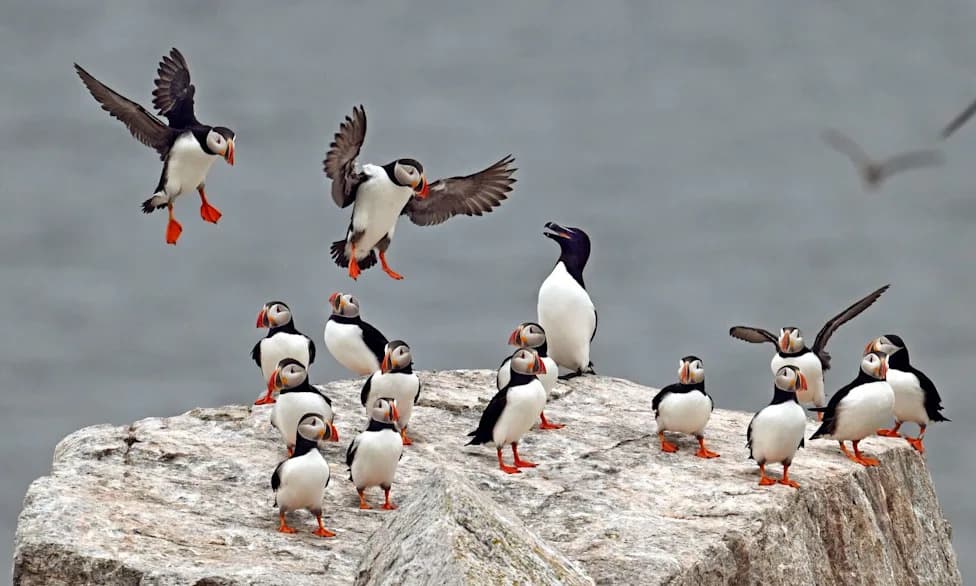
Surveys this summer estimated 36,500 occupied puffin burrows on the Isle of May — down from 52,000 in 2024 and 39,000 in 2017, a fall of about 30% over two years. Experts attribute the decline to marine heatwaves, intense storms, reduced prey availability (especially sand eels) and poor winter survival. Long-term monitoring by NatureScot and UKCEH and renewed conservation efforts are being urged as climate-driven extreme events become more frequent.
Puffin Numbers Plunge ~30% On Isle of May After Marine Heatwaves And Intense Storms
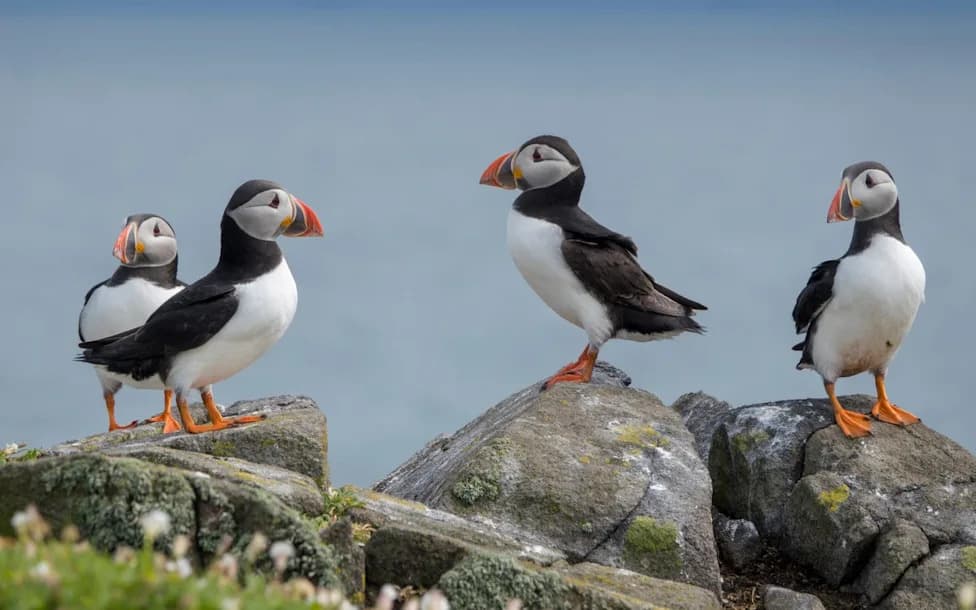
Puffins on the Isle of May in the Firth of Fourth, where there has been a 30pc drop in numbers - SALTIRE NEWS
Surveys this summer reveal a worrying drop in puffin numbers at one of the UK’s largest colonies. A count of occupied burrows on the Isle of May National Nature Reserve estimated 36,500 occupied burrows in the latest survey, down from 52,000 in 2024 and 39,000 in 2017 — roughly a 30% fall over two years.
Survey Findings And Causes
NatureScot and the UK Centre for Ecology & Hydrology (UKCEH) carried out the burrow count on the Isle of May in the Firth of Forth. Scientists say the decline appears linked to a mix of factors: recent marine heatwaves, a series of intense storms, reduced availability of key prey (notably sand eels), and poor winter survival.
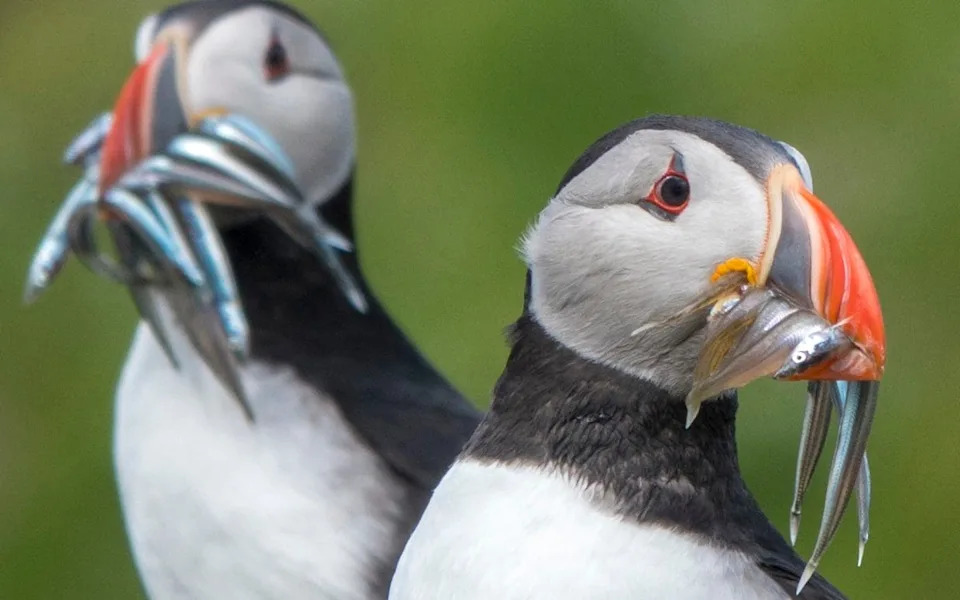
The fall in puffin population has been put down to food pressures and extreme weather - SALTIRE NEWS
“This decline is disappointing and concerning,” said David Steel, NatureScot's reserve manager for the Isle of May. He noted that puffin numbers fell in the 2000s, recovered in the 2010s, and are now in decline again.
UKCEH, which has monitored seabird colonies on the Isle of May for five decades, reports that storms have killed large numbers of birds in recent winters and that rising sea temperatures can push important prey species away from traditional feeding areas.
“We believe the puffin population has recently suffered from a series of extreme climate events, including marine heatwaves and intense storms affecting survival in three of the last five winters,” said Mark Newell, UKCEH field manager on the Isle of May.
About Puffins
Puffins spend up to eight months at sea, returning to land in early spring to breed. They generally mate for life and often use the same nesting burrow each year; the female typically lays a single egg that hatches into a chick, known as a puffling.
What This Means
Conservationists stress that long-term monitoring and targeted conservation work are essential to understand trends and respond effectively. With climate models projecting more frequent and severe extreme events, the pressures on puffins and other seabirds may intensify without action to protect key feeding grounds and reduce other human pressures on marine ecosystems.
Help us improve.