Invasive species are already changing U.S. ecosystems: nearly 15,000 reproducing non‑native records are logged in the national register. Driven by climate change, global trade and connected waterways, invaders such as golden mussels, Burmese pythons, Asian carp and the emerald ash borer are causing ecological and economic harm. Management is shifting from prevention toward containment, rapid response and adaptation as many populations become deeply established.
Invasive Species Are Reshaping U.S. Ecosystems in 2026 — Nearly 15,000 Non‑Native Records and Rising
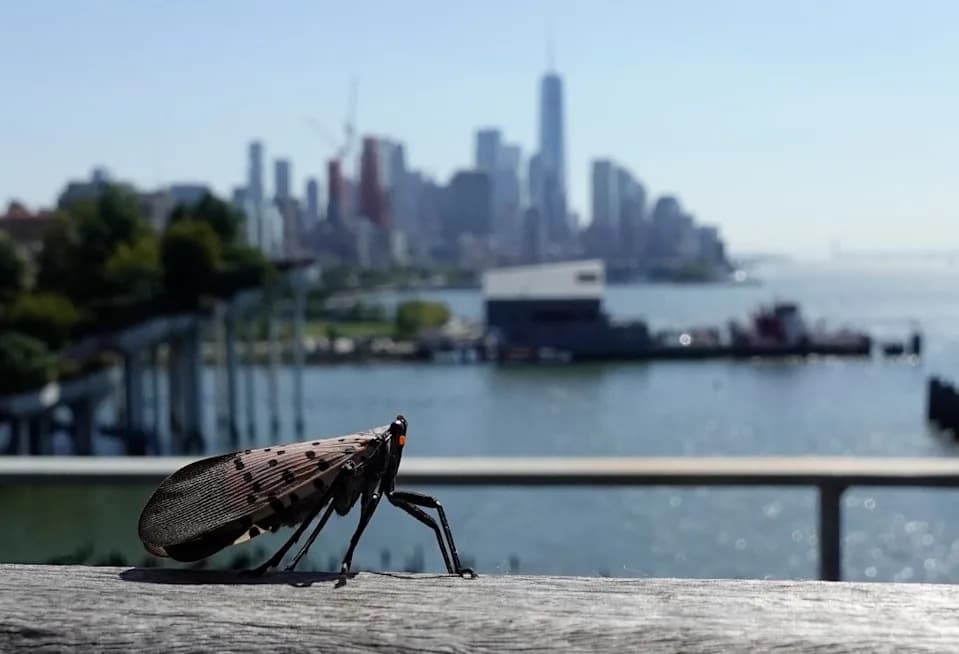
A spotted lanternfly walks across a table at Pier 57 in front of the skyline of lower Manhattan and One World Trade Center on September 18, 2025, in New York City.
Warnings about invasive species have grown more urgent: scientists say several can spread at “terrifying speed,” and many are already established across the United States. According to recent reporting and government data, nearly 15,000 records of reproducing non‑native organisms are catalogued in the U.S. Register of Introduced and Invasive Species.
The U.S. Geological Survey (USGS) and other agencies warn that these invaders can damage habitats, outcompete native plants and animals (including species already at risk), alter food webs and, in some cases, introduce disease. Climate change, global trade and increasingly connected waterways and transport networks are accelerating their spread.
How Invasives Arrive and How They're Tracked
Non‑native species are introduced through a variety of pathways: shipping containers and ballast water, the wildlife and exotic‑pet trades, imported plants and produce, and even extreme weather events that move organisms across regions. Federal and state scientists use field surveys, citizen reports and genomic analysis to detect and track invasions, and those data guide management actions.
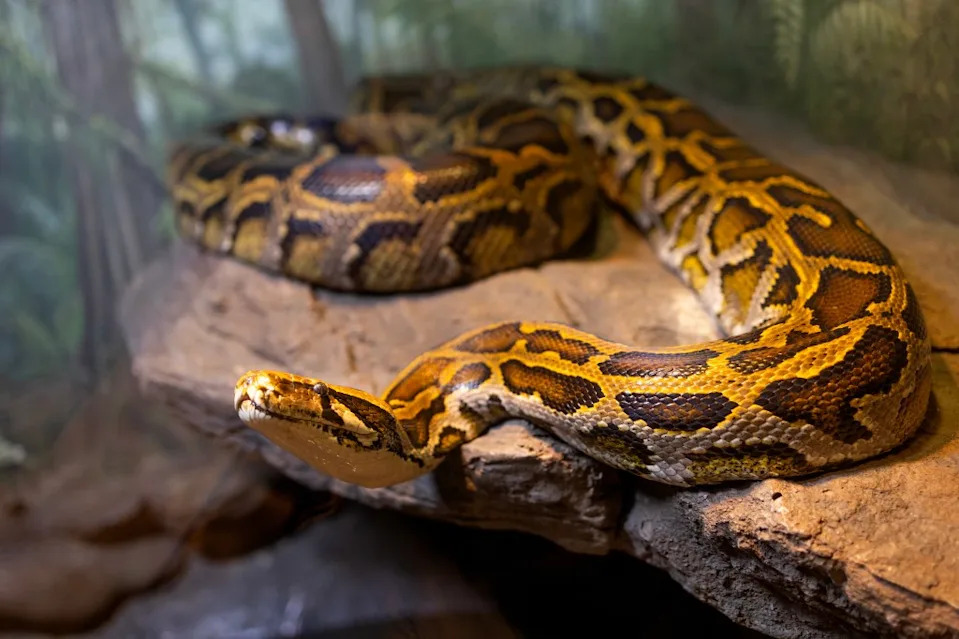
A Burmese python in its enclosure at the Bronx Zoo, February 21, 2024, in New York City.
Sara Kuebbing, research scientist at the Yale School of the Environment: 'Humans have been moving species around for a really long time… Many invasives now pose high risks to economies, ecosystems and human health.'
Management Tools
Authorities employ a shifting toolkit to slow spread and limit impacts: restrictions on transporting firewood, mandatory boat‑cleaning protocols, targeted eradication campaigns, and tighter controls on the movement of plants, fruits and vegetables. Despite these measures, experts say containment is increasingly difficult where species are already entrenched.
Notable Invaders and Where They Matter Most
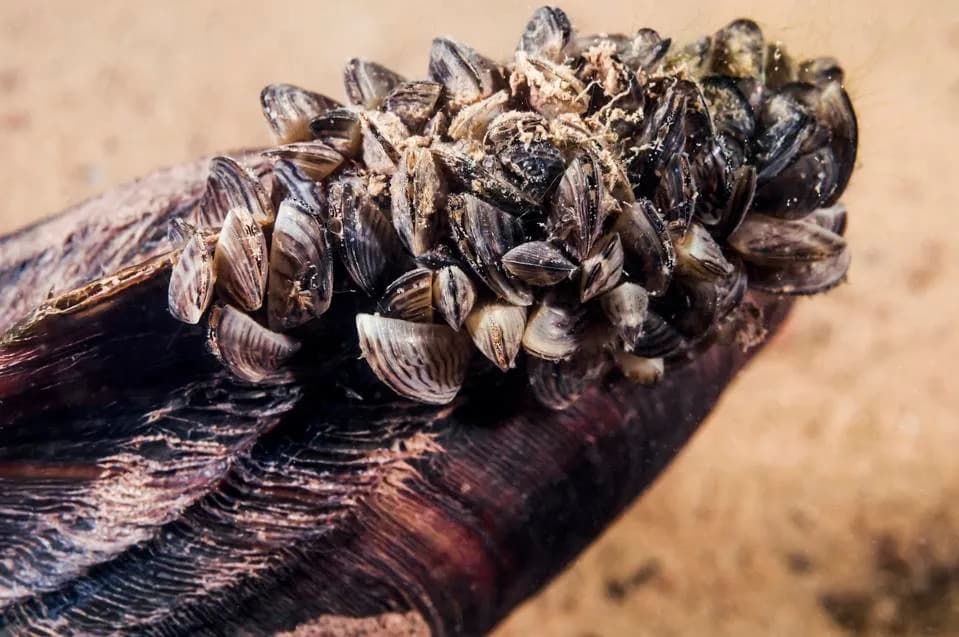
Golden Mussels (California and Connected Waterways)
First detected in California, golden mussels reproduce rapidly and attach to hard surfaces in dense colonies. Their spread through linked water systems threatens infrastructure and municipal water supplies.
Burmese Pythons (Florida Everglades)
Introduced largely via the exotic‑pet trade, Burmese pythons are now established predators in the Everglades, where they have disrupted local food chains and contributed to declines of native wildlife.
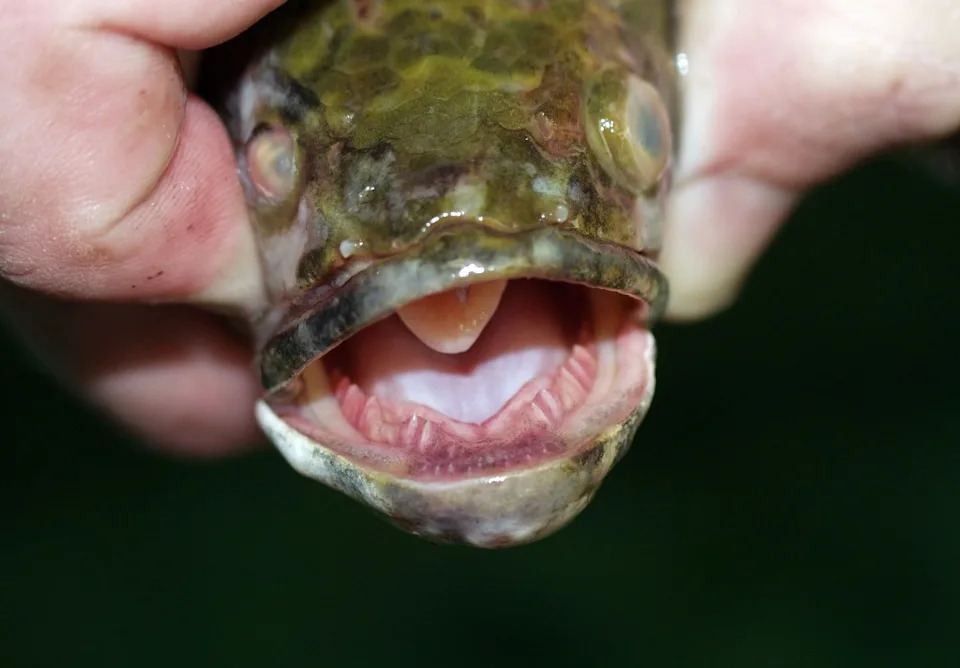
A northern snakehead fish.
Spotted Lanternfly (Mid‑Atlantic and Northeastern States)
Since first appearing in Pennsylvania, this sap‑feeding insect has expanded across multiple states and damages fruit trees, vines and hardwoods, posing a significant threat to agriculture and forestry.
Feral Swine (Southern and Other U.S. Regions)
Feral swine continue to expand their range, causing agricultural damage, soil disturbance and habitat degradation. They also carry viruses, bacteria and parasites that pose risks to humans, pets and livestock.
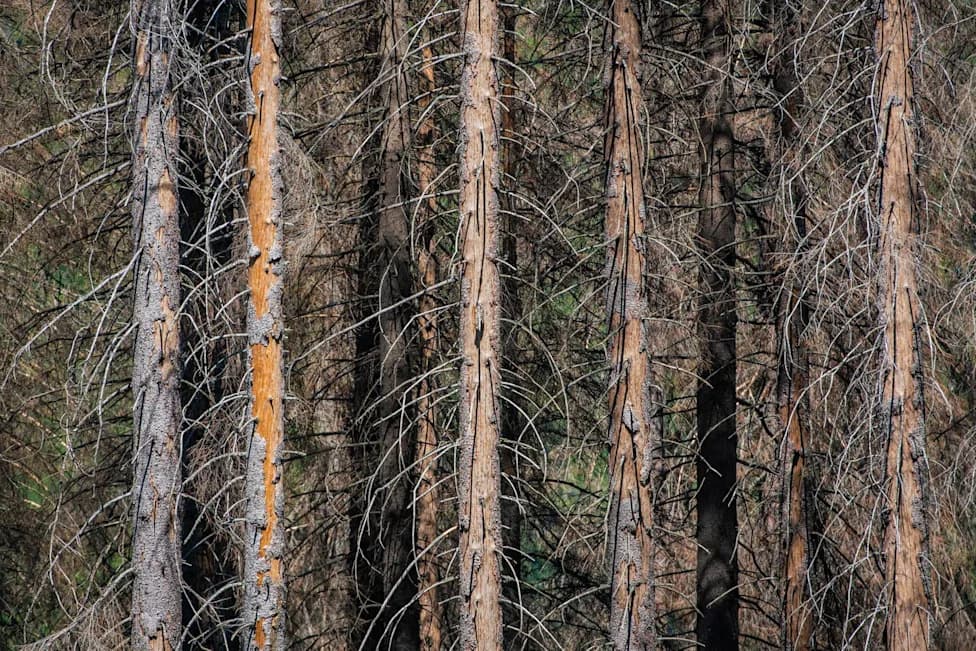
Emerald Ash Borer (Widespread Across North America)
The emerald ash borer is a wood‑boring beetle that has already killed tens of millions of ash trees in North America, with long‑term impacts on forests and urban tree cover.
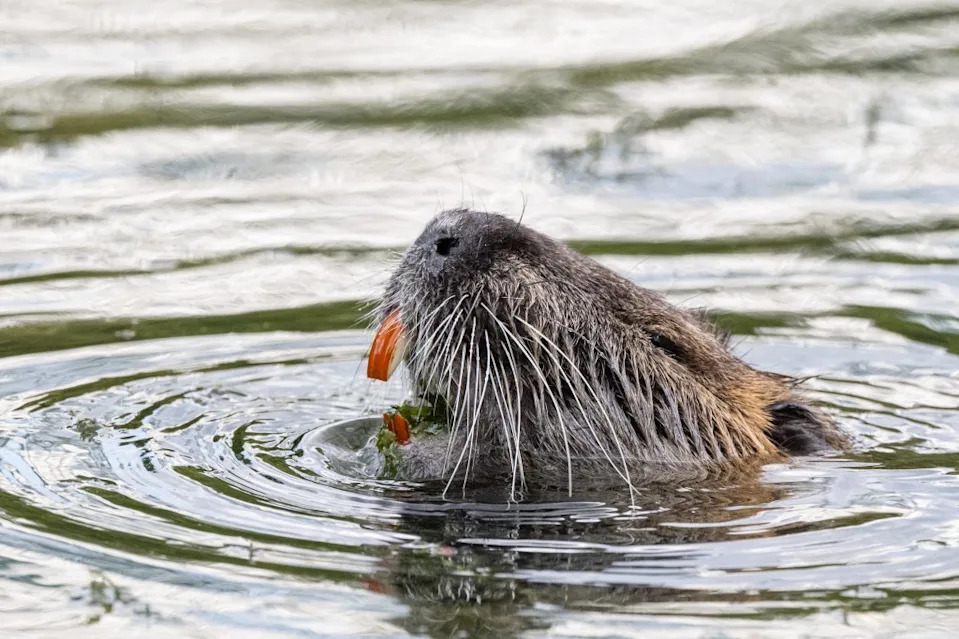
A nutria, a herbivorous semiaquatic rodent, at a lake of the Bois de Boulogne, western Paris, on July 30, 2025.
Asian Carp (Mississippi River System and Potential Great Lakes Threat)
Asian carp species reproduce rapidly and can dominate invaded waterways. Managers remain concerned about their potential movement toward the Great Lakes and the ecological and economic consequences.
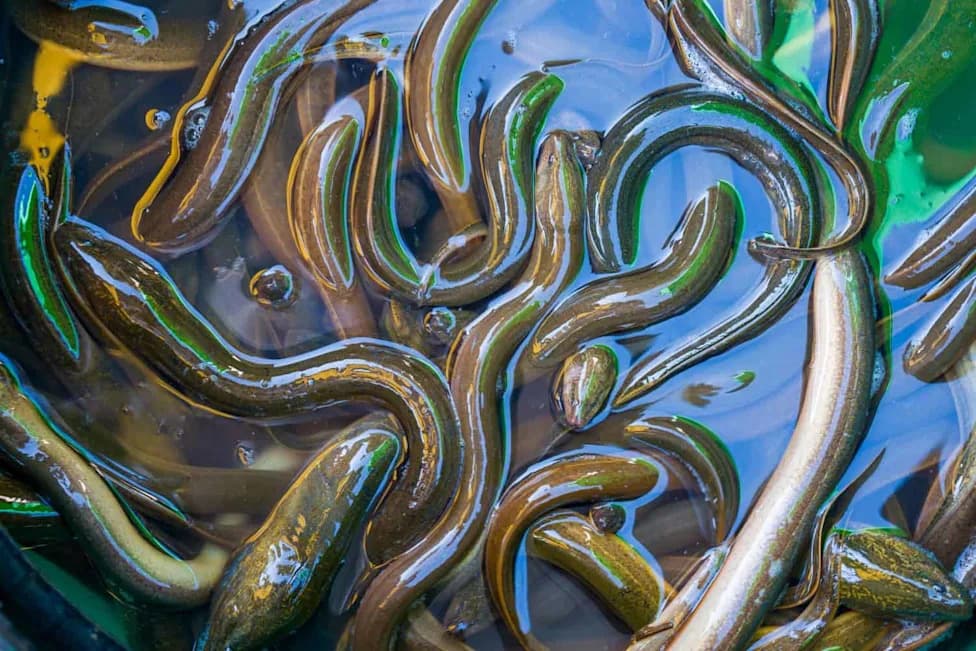
Northern Snakehead (Mid‑Atlantic Waterways)
This resilient, predatory fish continues to be reported in new inland waters, threatening native fish populations and local fisheries if left uncontrolled.
Nutria (Gulf Coast Wetlands)
These semi‑aquatic rodents feed on marsh vegetation that stabilizes soils, accelerating erosion and degrading coastal wetland habitats.
Giant African Land Snail (Florida)
This large snail damages crops and gardens and can carry parasites harmful to humans. It feeds on hundreds of plant species and is the subject of ongoing monitoring and eradication efforts.
Where We Go From Here
Taken together, these species illustrate an ecological shift: invasions are not isolated events but part of a broader pattern driven by climate change, global movement and interconnected ecosystems. For scientists and policymakers, the focus has moved from prevention alone to a mix of containment, rapid response and adaptation to minimize long‑term environmental, economic and health impacts.
Help us improve.