The U.S.-backed ARAM Express proposal would create an overland network of pipelines to bypass the Strait of Hormuz, through which about one-third of seaborne oil currently moves. Proponents say the corridors to the Red Sea, Mediterranean and Arabian Sea would reduce the global energy system's vulnerability to maritime disruption. Saudi Arabia and the UAE already have partial alternatives, but smaller Gulf states remain exposed and political hurdles—especially routes involving Israel—complicate implementation.
US-Backed 'ARAM Express' Pipeline Plan Aims To Reduce Global Reliance On Strait Of Hormuz
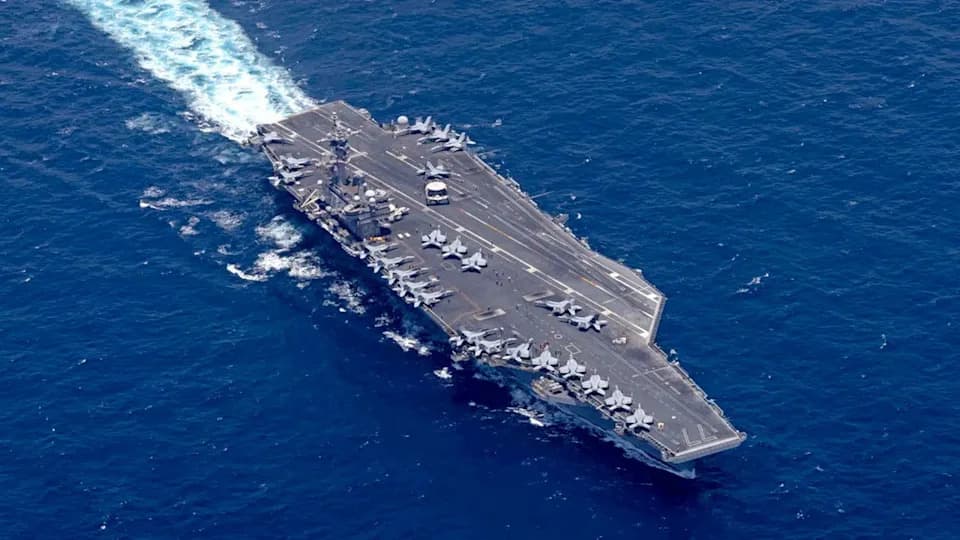
USS George H.W. Bush transits the Arabian Sea as U.S. forces enforce a naval blockade against Iran and support Project Freedom in the Strait of Hormuz, according to U.S. Central Command.(Fox News)
A U.S.-backed proposal called ARAM Express would build a multidirectional overland network of oil, gas and petrochemical pipelines to bypass the Strait of Hormuz and reduce the global energy system's exposure to a single maritime chokepoint. The concept, outlined in a policy memo and advanced by Richard Goldberg of the Foundation for Defense of Democracies (FDD), has gained fresh attention amid renewed Iranian threats to shipping and stepped-up U.S. naval efforts in the region.
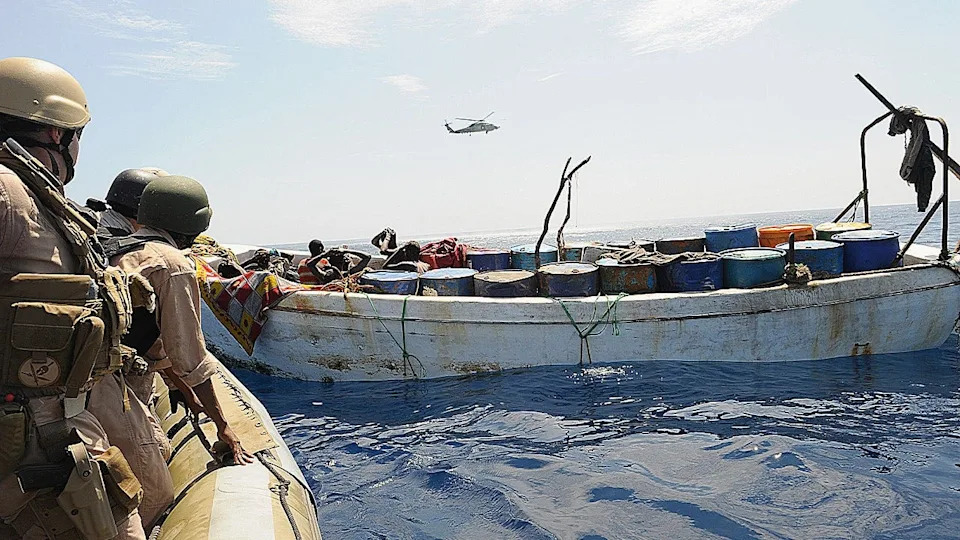
The surge in regional piracy risk is exacerbated by the volatility of the Strait of Hormuz as Iranian-backed threats persist in the Persian Gulf and global energy flows are shifting.
What ARAM Express Would Do
The plan envisions pipelines running westward to the Red Sea and Mediterranean and southward to the Arabian Sea, creating multiple export corridors and alternate routes for crude, gas and refined products. Proponents suggest European and Asian buyers could invest in the infrastructure in exchange for long-term supply contracts, improving resilience against sustained disruptions of maritime traffic through Hormuz.
The proposal would rely on broad international participation, with European and Asian buyers investing in infrastructure and securing long-term supply agreements.
Why the Strait of Hormuz Matters
The narrow waterway is a strategic chokepoint: roughly one-third of the world’s seaborne oil currently transits the strait. Recent Iranian threats to commercial shipping and U.S. security initiatives such as the administration's "Project Freedom" have underscored how a single disruption—actual or threatened—can rapidly ripple through global energy markets and supply chains.
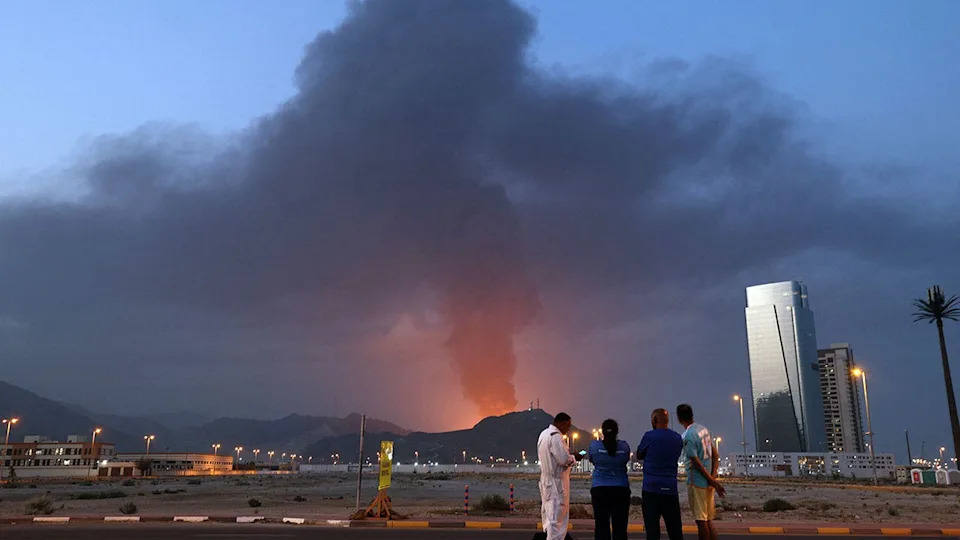
The plan envisions pipelines extending westward to the Red Sea and Mediterranean, as well as southern routes toward the Arabian Sea, creating multiple export pathways that would reduce reliance on the strait, through which roughly one-third of the world’s seaborne oil currently flows.
Existing Alternatives and Regional Moves
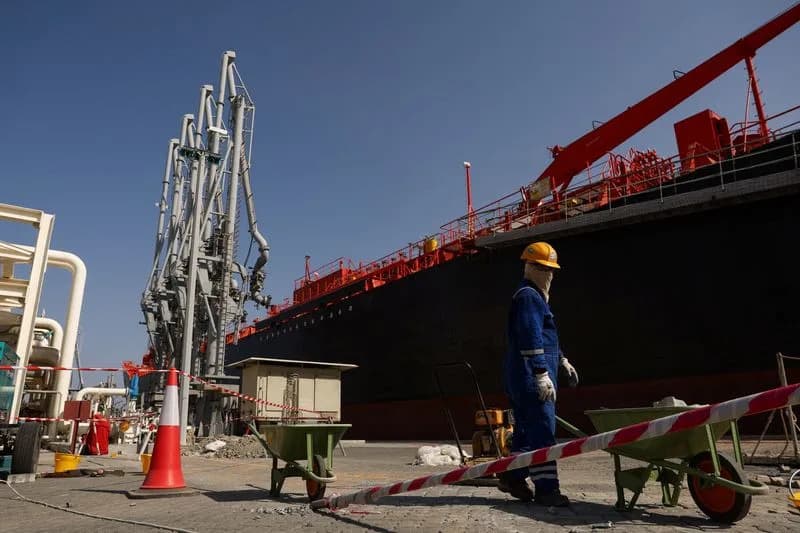
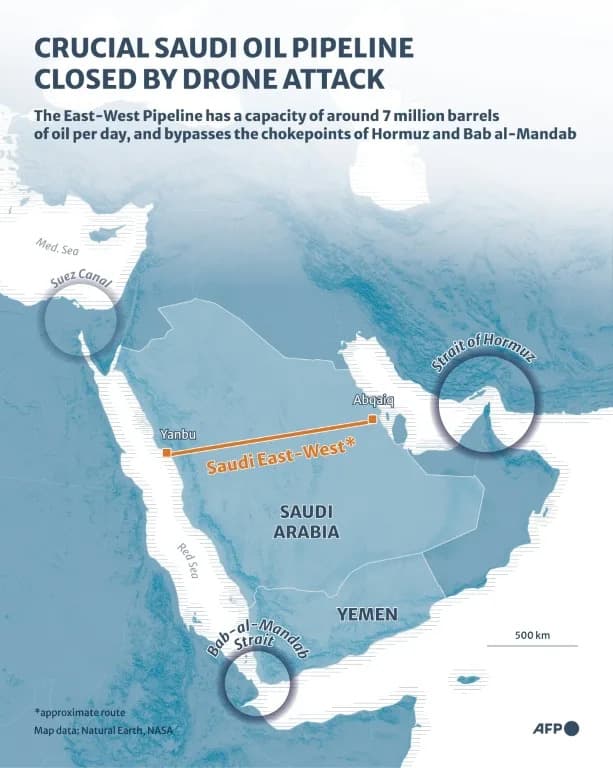
Some Gulf states have already invested in bypass capacity. Saudi Arabia’s East–West pipeline moves crude from eastern fields to the Red Sea port of Yanbu, allowing shipments to avoid Hormuz. The United Arab Emirates has increased export capacity through its pipeline to Fujairah on the Arabian Sea side. These routes give Saudi Arabia and the UAE greater resilience compared with smaller producers.
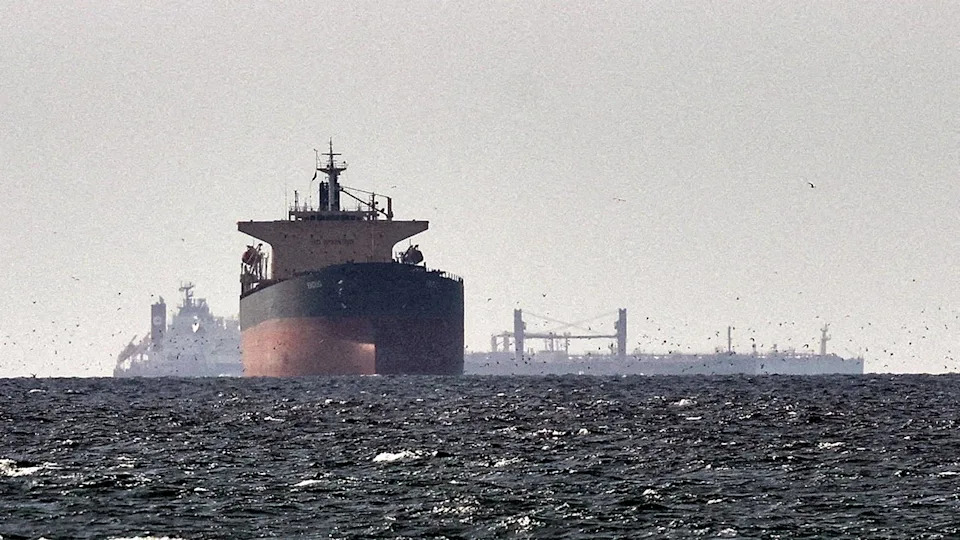
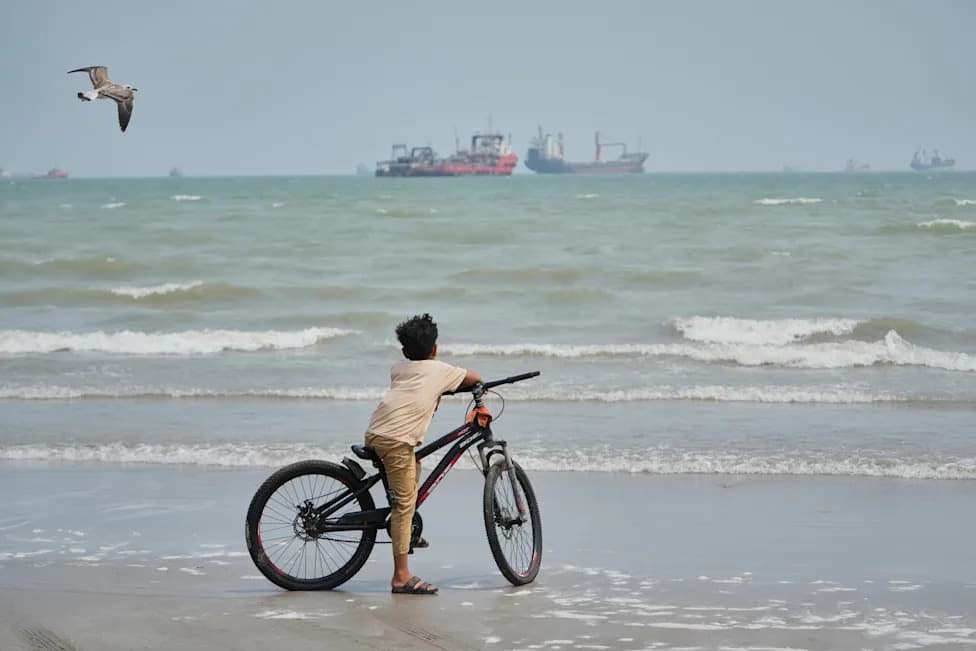
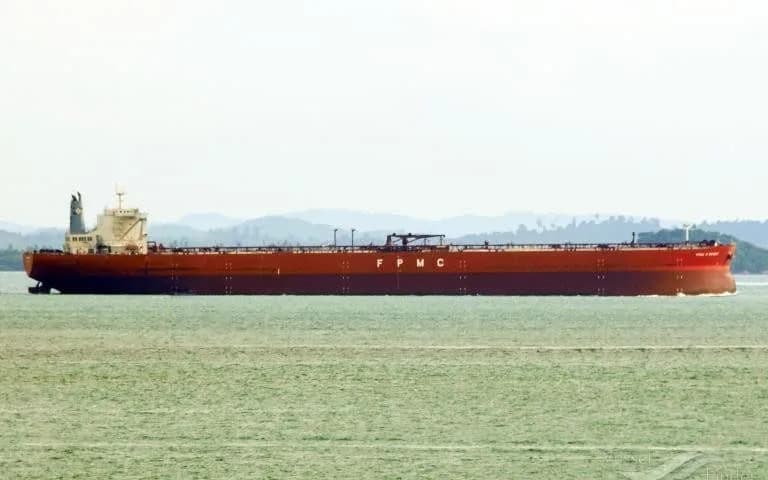
Cargo ships are anchored in the Gulf near the Strait of Hormuz as seen from northern Ras al-Khaimah, United Arab Emirates, March 11, 2026.
"European buyers are desperate for long-term supply resilience, and Asian customers are equally exposed," said Richard Goldberg. "Even China cannot tolerate the risk of a sustained disruption."
Political, Technical and Economic Challenges
Building a new transnational pipeline network would require broad political coordination, large capital commitments, land access agreements and long-term commercial contracts. Political sensitivities include potential routing near or involving Israel, which many regional actors regard as difficult under current circumstances. Exposure across Gulf states is uneven: countries such as Kuwait and Qatar have fewer overland alternatives and would remain more vulnerable to shipping disruptions.
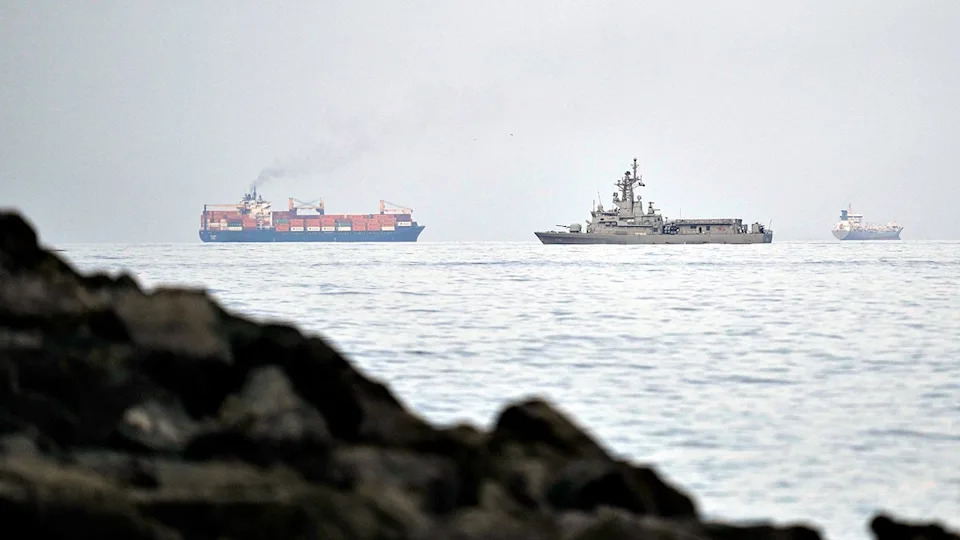
While the technical case for alternative routes is growing stronger, political constraints remain.
Strategic Shifts and Implications
Analysts see ARAM Express as part of a broader re-evaluation of Gulf energy architecture driven by geopolitics and competition over infrastructure influence. Yonatan Adiri and others argue the Gulf’s long-standing, Hormuz-centered model is fragmenting as individual states pursue independent routes and partnerships. The United Arab Emirates’ announced departure from OPEC (effective May 1, 2026) is cited in the article as a sign of this strategic recalibration.
For now, U.S. and allied priorities remain focused on stabilizing maritime traffic through Hormuz and deterring attacks on commercial shipping. But if political will and financing align, the ARAM Express proposal could mark a significant shift toward diversified routes and reduced dependence on a single chokepoint.
Fox News Digital reported on the memo and reached out to Saudi and Emirati officials for comment; neither responded before publication.
Help us improve.