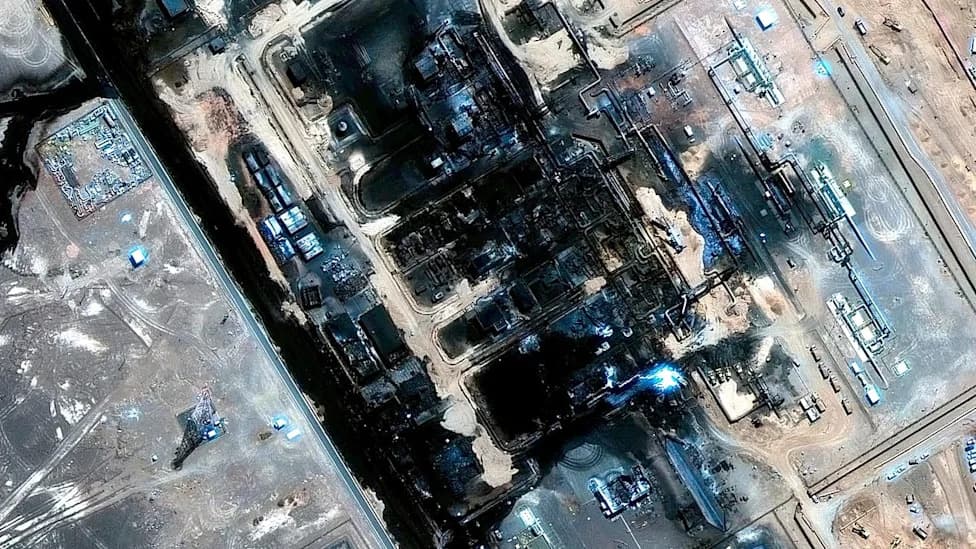
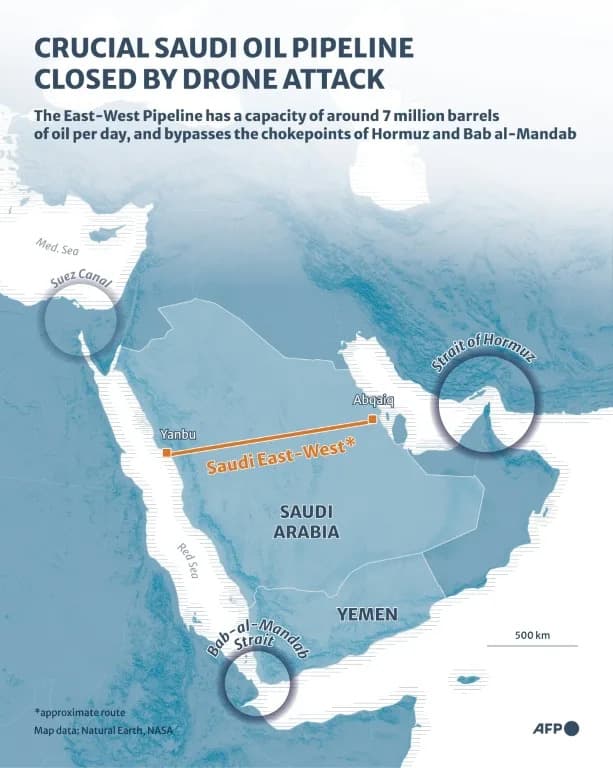
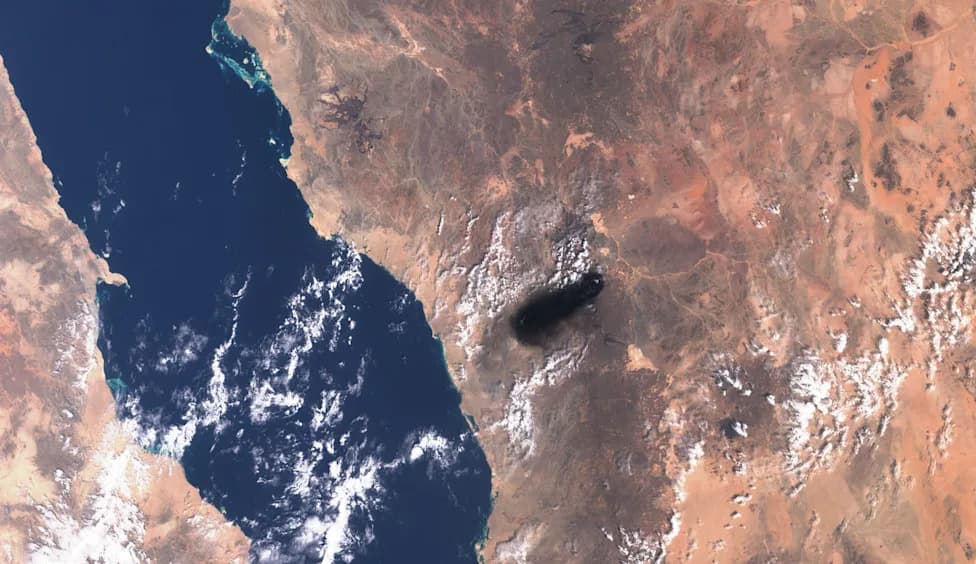
Saudi authorities halted operations on the East–West Pipeline after reported drone strikes on pumping stations, SPA said, with several people injured and security measures enacted. U.S. officials told CNN the drones were launched from Iraq and satellite imagery shows possible fires, though direct pipeline damage has not been confirmed. The more-than-1,200 km route — crucial for bypassing the Strait of Hormuz — has grown in importance amid heightened Israel–Iran tensions; Saudi crude output is roughly 10 million barrels per day.
Saudi Arabia Halts East–West Oil Pipeline After Reported Drone Strikes; Several Injured
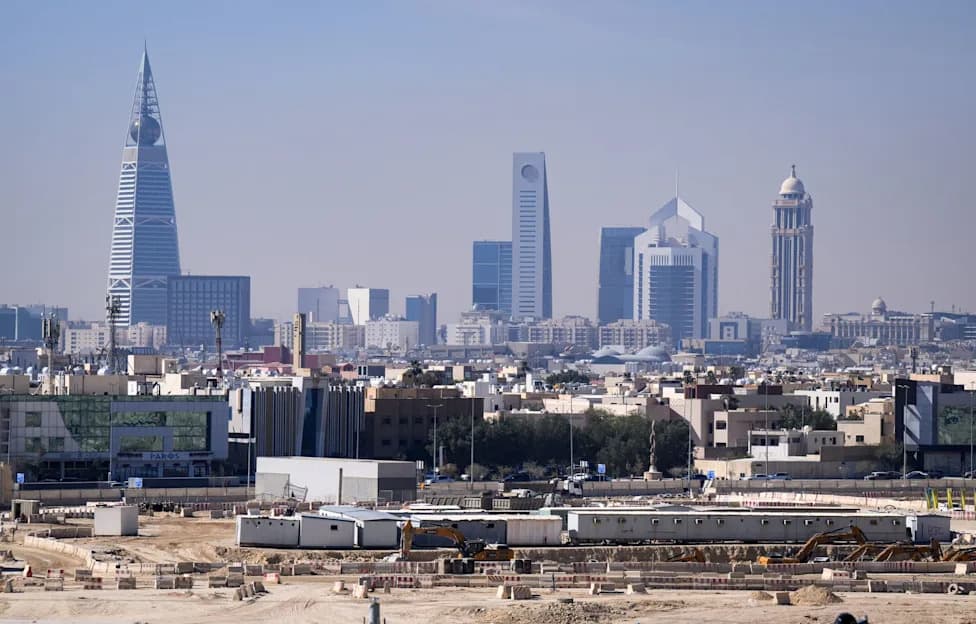
FILE PHOTO - A view of the King Salman Park construction site on the site of the former Riyadh airport. (is associated with: «Saudi Arabia shuts down vital East-West pipeline after attacks») Bernd von Jutrczenka/dpa
Saudi Arabia has suspended operations on its strategically vital East–West Pipeline after reported attacks on Thursday, the state news agency SPA said, citing a source in the Energy Ministry. Authorities said several people were wounded and that measures have been taken to secure the route.
What Happened
SPA reported the precautionary shutdown on Friday following the incident. Officials initially provided no details on the extent of any physical damage or on the identity of the attackers.
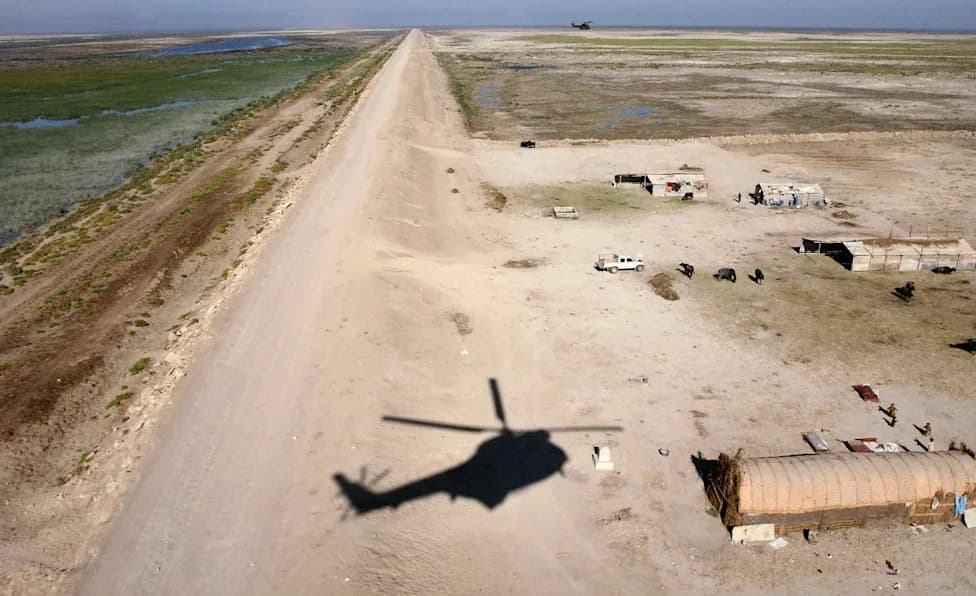
CNN, citing U.S. government sources, reported that pumping stations alongside the pipeline were struck by drones launched from Iraq. Satellite imagery reviewed by media outlets appears to show fires at some sites, although it remains unclear whether the pipeline itself sustained direct damage. U.S. Central Command (CENTCOM) declined to comment on the report.
Background and Significance
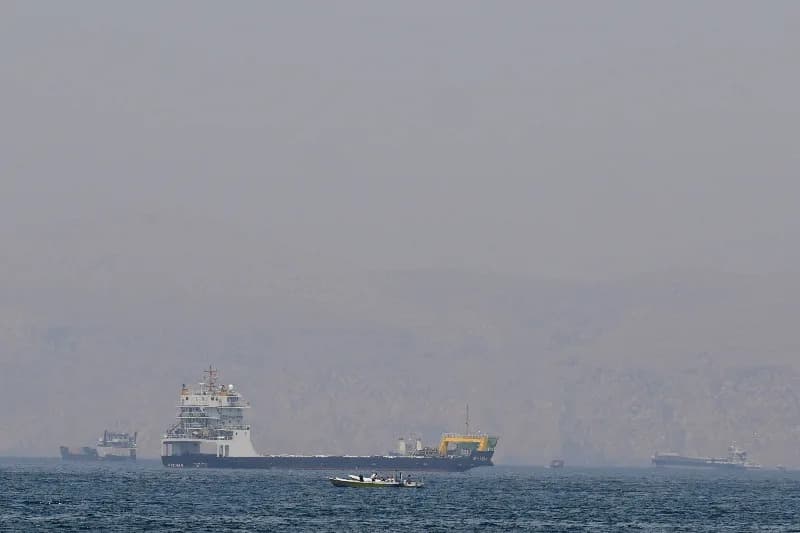
The East–West Pipeline stretches more than 1,200 kilometres across Saudi Arabia and links Gulf oilfields to Red Sea terminals, allowing shipments to bypass the Strait of Hormuz. The route has become particularly important amid heightened regional tensions between Israel and Iran and related security risks in the Gulf.
The line was reportedly targeted in late July by Iranian-aligned groups operating from Iraq. Saudi Arabia has increasingly used the pipeline to reroute crude that would otherwise be loaded onto tankers. With crude production near 10 million barrels per day, Saudi Arabia remains one of the world’s largest oil producers, so disruptions to its export logistics can have implications for global energy markets.
What Officials Say
SPA: "Necessary measures have been taken to secure the pipeline."
Further clarification from Saudi authorities, independent assessments of damage, and confirmation of responsibility for the attack were not available at the time of reporting.
Implications
- Short-term disruption could affect routing and timing of Saudi crude shipments.
- Incidents targeting energy infrastructure risk raising insurance and shipping costs and adding volatility to oil markets.
- Any escalation or repeated attacks could prompt increased security measures across regional energy routes.
Note: Reporting remains provisional; follow-up statements from Saudi authorities and independent satellite or on-the-ground verification may update the account.
Help us improve.