Air Force Secretary Frank Kendall announced the A-10 "Warthog" will remain in service through 2030, delaying a planned 2026 retirement to preserve combat power while aircraft production is ramped up. The A-10, which first flew in 1976, remains valued for close air support and has reportedly been used in operations related to Iran. Critics cite age, cost and maintenance challenges, while political and economic ties — notably in Arizona — have helped protect the fleet.
U.S. Air Force Extends A-10 'Warthog' Service Life To 2030 Amid Production Ramp-Up
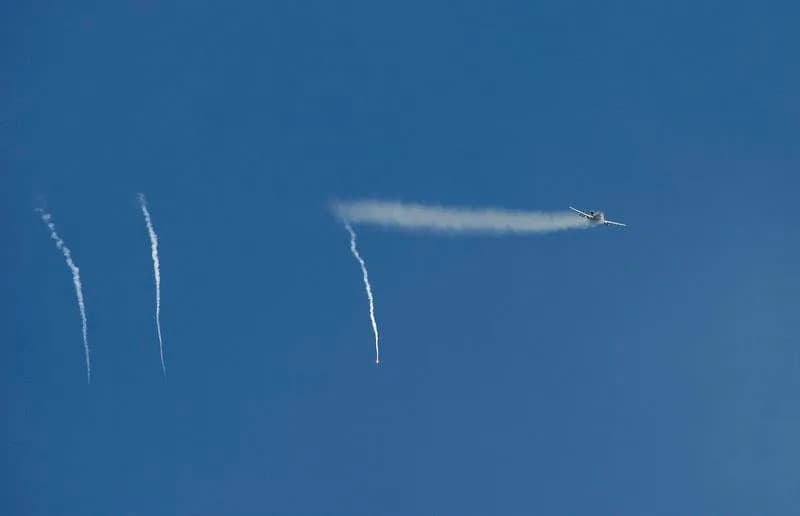
U.S. air force fighter plane A-10 "Warthog" fires shells towards insurgents, as seen from the Combat Outpost Cahill, a small U.S. military camp southeast of Baghdad, November 6, 2007. REUTERS/Erik de Castro/File Photo
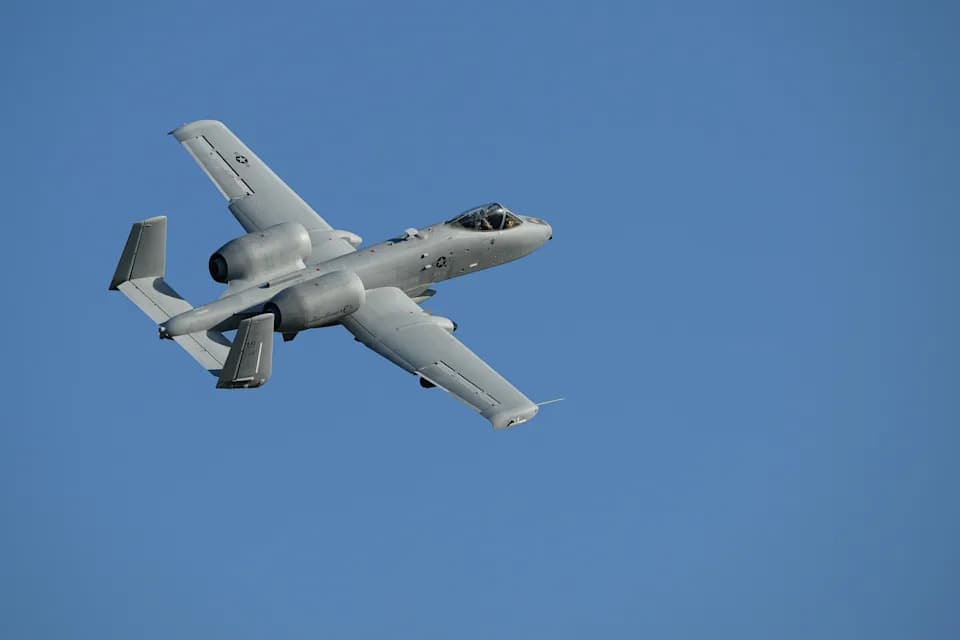
WASHINGTON — The U.S. Air Force will keep the A-10 Thunderbolt II, commonly known as the "Warthog," in service through 2030, postponing a previously planned 2026 retirement. The extension is intended to preserve close air support capability while the Defense Industrial Base increases combat aircraft production.
Air Force Secretary Frank Kendall announced the decision on social media, saying the move "preserves combat power as the Defense Industrial Base works to increase combat aircraft production." The announcement signals a temporary resolution in the long-running debate over the plane's future.
Why the A-10 Survives (For Now)
First flown in 1976, the A-10 has repeatedly faced Pentagon retirement proposals for more than two decades. Supporters emphasize its effectiveness in close air support missions and its survivability on the battlefield. U.S. Central Command has reported using A-10s in operations related to tensions with Iran, including actions in the Strait of Hormuz attributed to the aircraft's powerful nose-mounted cannon.
Opponents within the Air Force argue the A-10 is aging, relatively slow and costly to maintain, and that retiring the fleet would free funding for modernization priorities such as hypersonic weapons and next-generation platforms. Air Force leaders have also warned that keeping the entire A-10 fleet can strain the pool of mechanics and parts needed to support newer aircraft.
Politics, Economics And Local Stakes
Politics has played a major role in the plane's longevity. The largest concentration of A-10s is based at Davis-Monthan Air Force Base in Tucson, Arizona — a significant local employer — and lawmakers from the state have actively protected the fleet. In 2021, Senator Mark Kelly successfully inserted language in defense legislation blocking retirements of dozens of A-10s, arguing that retirements should not proceed without a capable replacement for the close air support mission.
For now, Air Force leaders have prioritized maintaining combat capacity while the defense industrial base scales up production of newer aircraft. The 2030 extension buys time to address capability gaps and industrial constraints, but debate over the Warthog's long-term future is likely to continue.
Reporting by Mike Stone in Washington; editing by Chris Sanders.
Help us improve.