The USAF announced major progress in summer 2026 on a comprehensive B‑52 modernization to extend the bomber's service life past 100 years. Key changes include replacing Pratt & Whitney engines with Rolls‑Royce F130 units adapted to a twin‑in‑pod layout and swapping the legacy APQ‑166 analog radar for an APQ‑188 AESA. Engine installations are expected to begin in 2028; the upgraded variant will be designated B‑52J and the programme could cost up to $20.2 billion.
B-52 Reborn: USAF Advances $20.2B Modernization With Rolls‑Royce Engines, AESA Radar and New Weapons

Image Credit: United States Air Force
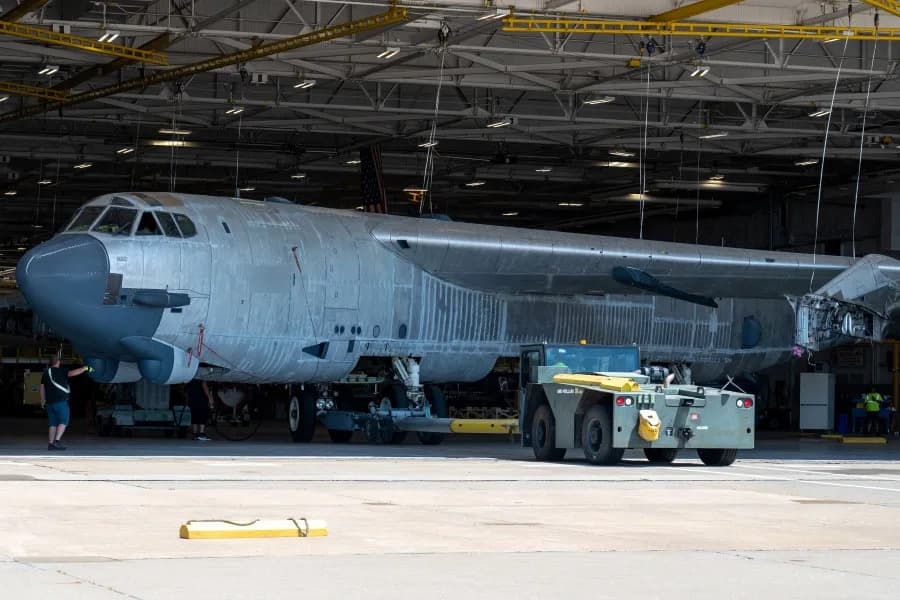
The Boeing B-52 Stratofortress — a strategic bomber first conceived in the 1940s — is receiving a major modernization intended to keep the type operational well past its 100th year. The United States Air Force announced significant progress in summer 2026 on a wide-ranging re‑engineering programme that addresses engines, radar, communications and weapons integration.
Engine Replacement: Rolls‑Royce F130 Adapted For The B-52
One of the program's highest priorities is replacing the B-52's legacy Pratt & Whitney engines. Rolls‑Royce has been selected to provide F130 engines, a derivative of the BR family. For the B-52 the F130 has been adapted to a twin‑engine‑in‑a‑single‑pod configuration to fit the bomber's wing pylons and performance requirements.
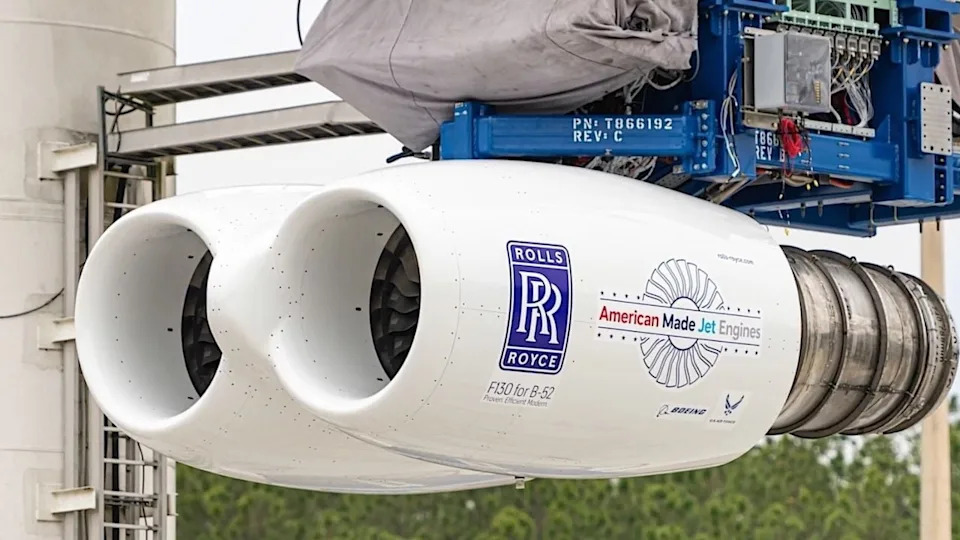
Image Credit: Rolls-Royce
Rolls‑Royce reported sea‑level testing of hardware and software at its Indianapolis facility and at NASA's Stennis Space Center in February 2026. A formal design review concluded in May 2026, and the Air Force expects to begin installing the new engines on aircraft in 2028. The new powerplants are intended to reduce fuel burn, lower maintenance demands and simplify sustainment across the fleet.
Radar And Avionics: APQ‑166 Replaced With APQ‑188 AESA
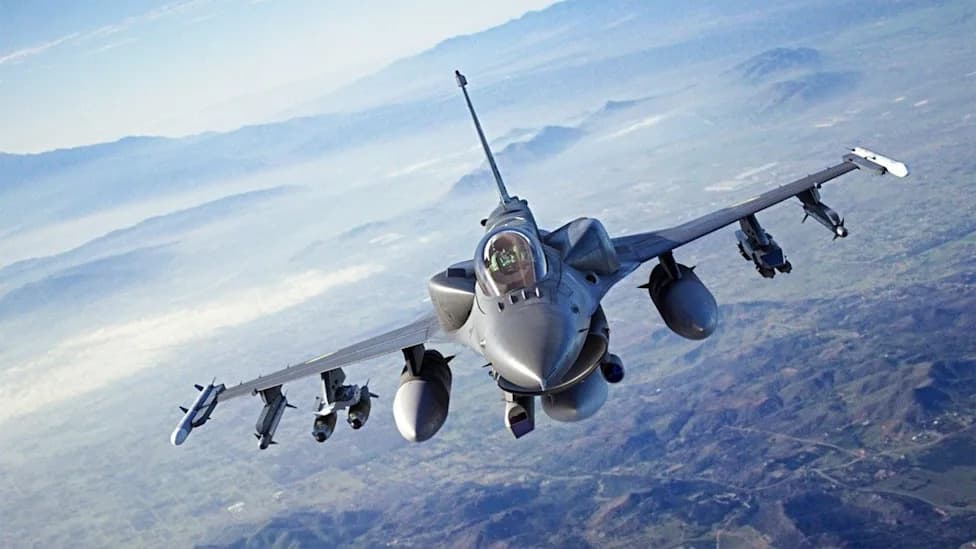
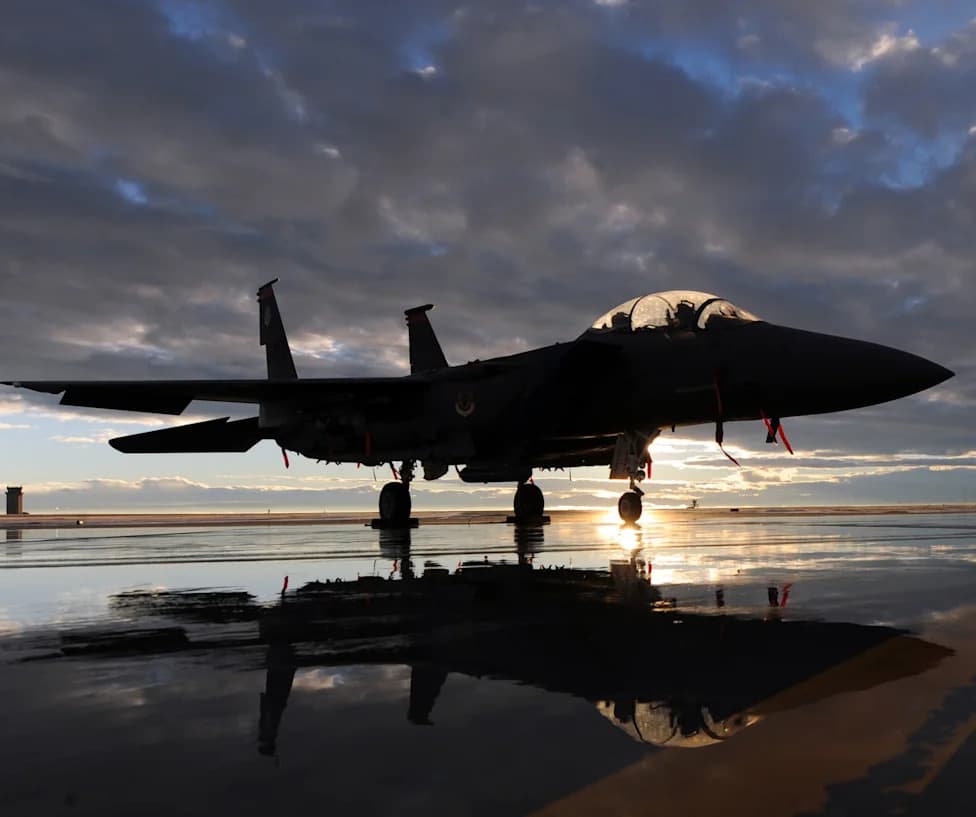
Current B-52s fly with an APQ‑166 analog radar from the 1980s. That system will be replaced by an off‑the‑shelf Active Electronically Scanned Array (AESA) solution, the APQ‑188 — a proven variant fielded on platforms such as the F‑15 and F/A‑18. The AESA upgrade will markedly improve situational awareness, target detection, tracking and reliability compared with the legacy analog system.
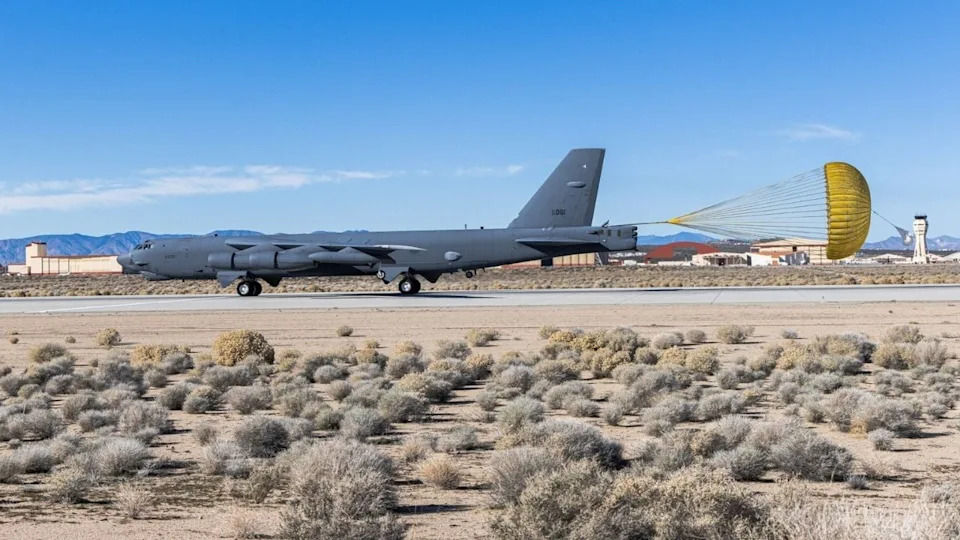
Image Credit: Boeing
Weapons, Communications And Structural Checks
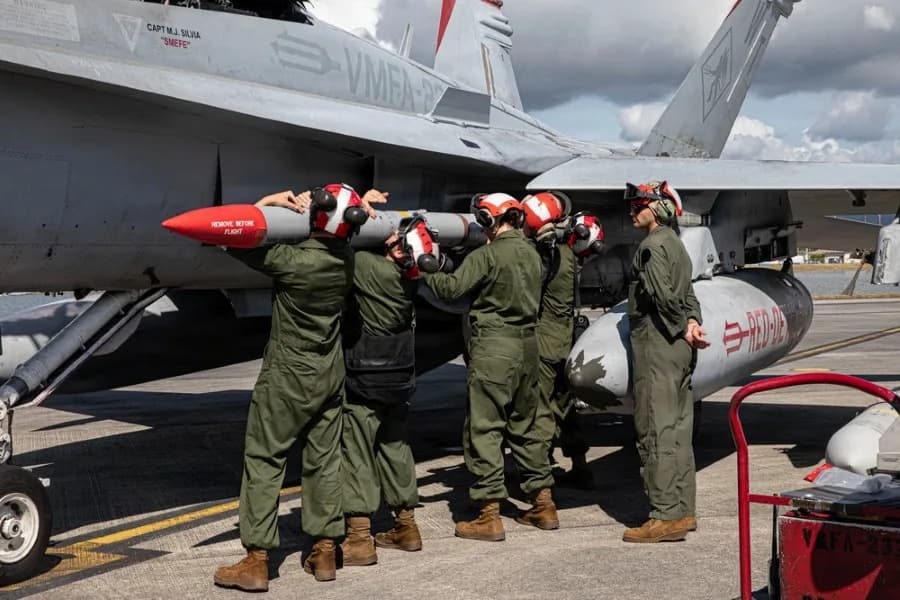
Boeing's upgrade package also focuses on enhanced nuclear command‑and‑control communications, more robust beyond‑line‑of‑sight (BLOS) connectivity for conventional operations, and integration of modern weapons. Planned weapons integrations include the latest variants of the Long‑Range Anti‑Ship Missile (LRASM) and the Joint Air‑to‑Surface Standoff Missile (JASSM), helping preserve the B-52's long-range strike versatility alongside emerging platforms such as the B‑21 Raider.
Each airframe will undergo structural integrity assessments during the retrofit process. Early indications reported by the program show the existing B-52 airframes can accommodate the new engines and systems for many additional years of service.
Designation, Cost And Outlook
The modernised variant will be designated the B‑52J. With more efficient engines and modern avionics, operators expect reduced fuel consumption, lower sustainment costs and simplified maintenance. The full modernization effort is estimated to cost up to $20.2 billion.
Bottom line: The B-52 modernization is a comprehensive program of propulsion, radar, communications and weapons updates intended to keep the type operational and effective into the mid‑21st century.
Help us improve.