The 2026 Goldman Environmental Prize honors six grassroots activists — for the first time, all women — from six global regions. Each laureate receives $200,000 for achievements ranging from stopping fracking in Colombia and securing a constitutional climate ruling in South Korea to a UK Supreme Court decision that forced authorities to weigh fossil-fuel impacts. Other winners compelled Rio Tinto to address damage from the Panguna mine, defended Bristol Bay from a mega-mine, and protected an endangered bat species in Nigeria.
Historic First: Six Women Win 2026 Goldman Environmental Prize
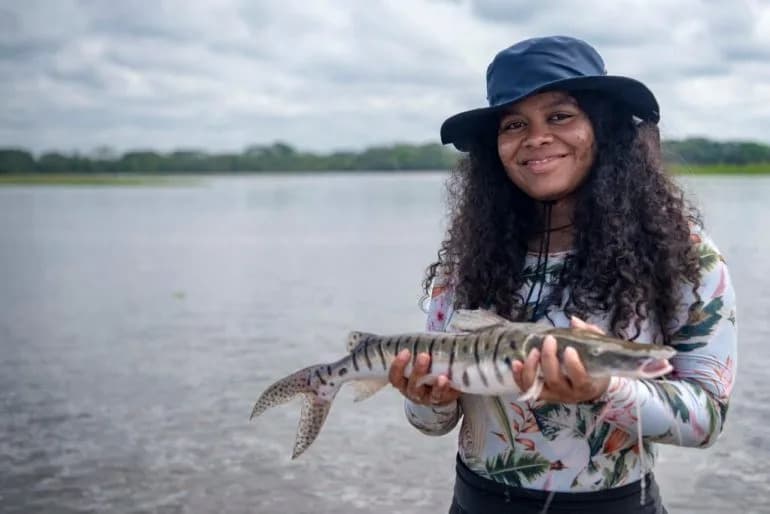
Yuvelis Morales Blanco, winner of the 2026 Goldman Environmental Prize, shows a fish caught on a tour with fishermen along the Magdalena River in Colombia [Handout: Christian EscobarMora/Goldman Environmental Prize]
The 2026 Goldman Environmental Prize has been awarded to six grassroots environmental activists from around the world — and for the first time since the award's founding in 1989, every recipient is a woman. Each laureate receives $200,000 in recognition of their leadership defending ecosystems, advancing climate justice, and holding powerful interests accountable.
Winners: Iroro Tanshi (Nigeria); Borim Kim (South Korea); Sarah Finch (United Kingdom); Theonila Roka Matbob (Papua New Guinea); Alannah Acaq Hurley (United States); and Yuvelis Morales Blanco (Colombia).
“While we continue to fight uphill to protect the environment and implement lifesaving climate policies – in the US and globally – it is clear that true leaders can be found all around us,” said John Goldman, vice president of the Goldman Environmental Foundation. “The 2026 Prize winners are proof positive that courage, hard work, and hope go a long way toward creating meaningful progress.”
Notable Victories
Yuvelis Morales Blanco (South and Central America) led campaigns that pressured major oil companies and helped halt the introduction of commercial fracking in Colombia. Raised in an Afro-Colombian fishing community on the Magdalena River, Morales Blanco began organizing after a 2018 oil spill that displaced families and killed wildlife, later elevating fracking as a major issue in Colombia’s 2022 election.
Borim Kim (Asia), founder of Youth 4 Climate Action, won a landmark ruling from South Korea’s Constitutional Court that found the government’s climate policy violated the constitutional rights of future generations — the first successful youth-led climate litigation on the continent.
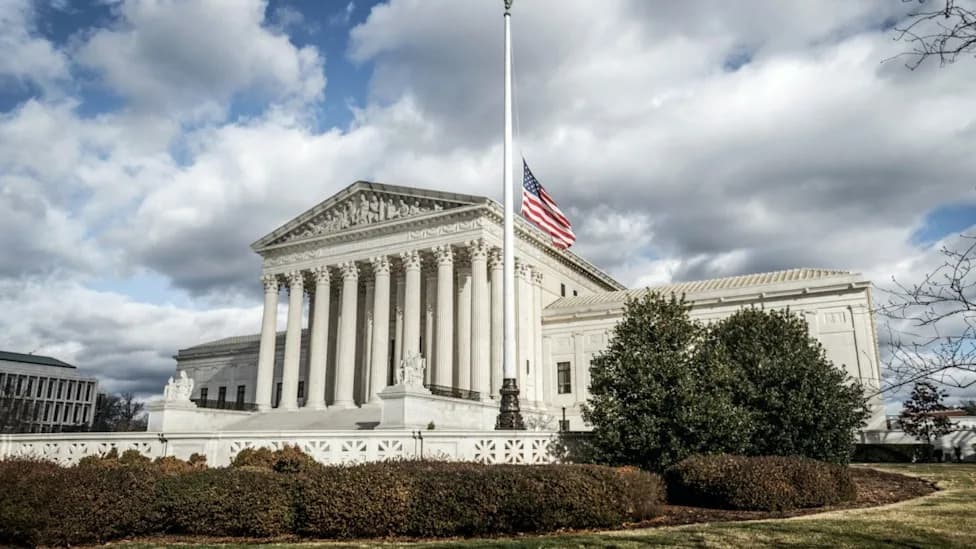
Sarah Finch (Europe) and the Weald Action Group spent more than a decade opposing oil drilling in southeastern England. Their work culminated in the June 2024 “Finch ruling” by the UK Supreme Court, which requires authorities to consider the global climate impacts of fossil fuels before granting extraction permits. Finch said she will use her prize money to continue fighting fossil fuel projects.
Theonila Roka Matbob (Islands and Island Nations) led a campaign that persuaded mining giant Rio Tinto to address the longstanding environmental and social damage from the Panguna copper mine in Bougainville — decades after the mine’s closure following conflict.
Alannah Acaq Hurley (North America), a member of the Yup'ik nation, worked with 15 tribal nations to stop a proposed large-scale copper-and-gold mine that would have threatened Alaska’s Bristol Bay — home to some of the world’s largest wild salmon runs and critical coastal ecosystems.
Iroro Tanshi (Africa) rediscovered the endangered short-tailed roundleaf bat and has campaigned to safeguard its habitat at the Afi Mountain Wildlife Sanctuary, including efforts to reduce human-caused wildfires that threaten the species.
Why It Matters
Together, these winners illustrate the diverse tactics — from litigation and community organising to direct action and species conservation — that frontline leaders use to defend biodiversity and hold governments and corporations accountable. Their victories also highlight the growing role of youth, Indigenous, and local voices in shaping climate policy and protecting natural heritage.
Help us improve.