Scientists at the University of the Witwatersrand created SACAQM, South Africa’s first air-quality alert app, after recent coal-related emissions caused health complaints in Johannesburg. Environment Minister Willie Aucamp linked a rotten-egg sulphur smell to hydrogen sulphide from mining and industrial sites up to 400 km east, though specific sources remain under investigation. The app uses data from hundreds of monitors to send warnings and guidance; activists call for expanded community monitoring to better measure health and economic impacts.
Scientists Launch SACAQM App to Alert Johannesburg Residents to Coal-Related Pollution Spikes
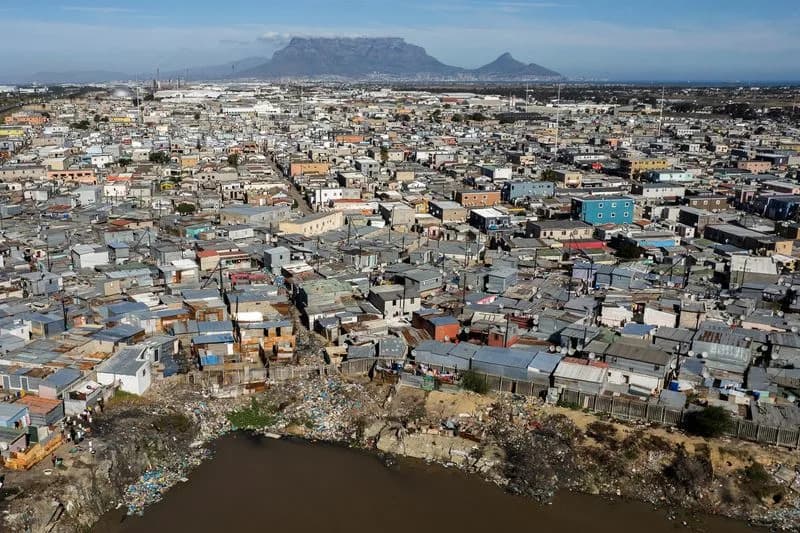
A drone view shows shacks adjacent to a polluted dam in the high-density suburb of Du Noon in Cape Town, South Africa May 24, 2024. REUTERS/Nic Bothma
Scientists at the University of the Witwatersrand have developed SACAQM, South Africa’s first public air-quality alert app, in response to a recent surge in coal-related emissions that has left many Johannesburg residents reporting respiratory and flu-like symptoms.
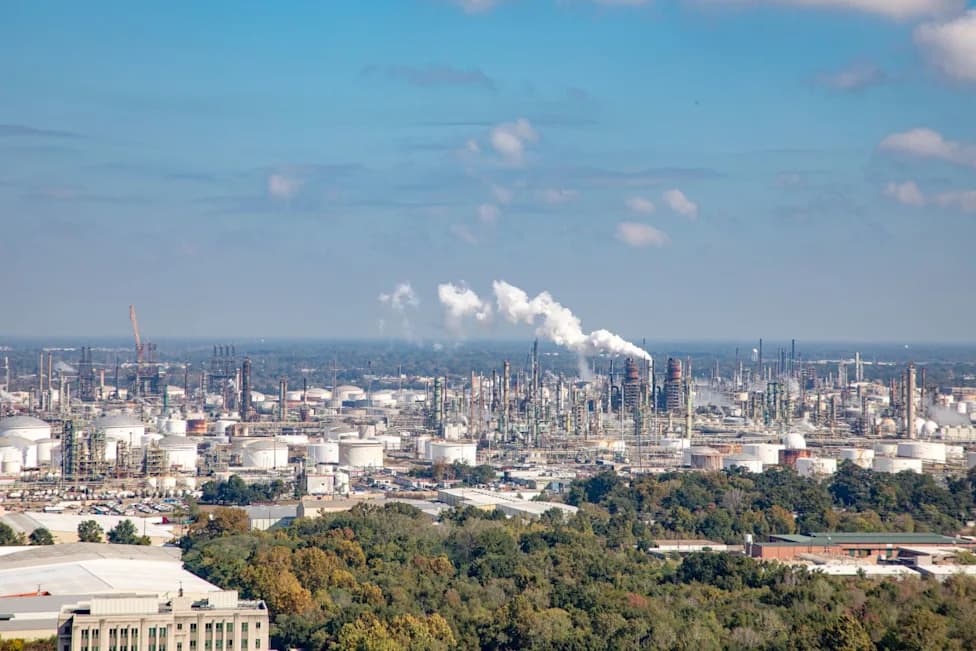
Hydrogen sulphide odour traced across wide area. Environment Minister Willie Aucamp said the rotten-egg smell that has plagued parts of Johannesburg is linked to hydrogen sulphide released by mining and industrial activity up to 400 km (248 miles) to the east. "This (sulphurous smell) came from mines that exceeded their emissions," Aucamp told Reuters, while investigations to identify specific sources remain ongoing.
What the App Will Do
SACAQM draws on data from hundreds of air-monitoring stations to detect pollution spikes and send real-time notifications to users. Alerts will include practical guidance such as staying indoors or wearing protective masks during high-pollution episodes. Experts caution, however, that masks reduce exposure to particulate matter (smog and soot) but offer limited protection from gaseous sulphur compounds like hydrogen sulphide.
Health Effects And Community Reports
Residents interviewed reported persistent coughs, dizziness, sinus inflammation and asthma flare-ups. Philasande Shange, an asthmatic living in Braamfontein, said he developed a prolonged cough in February and March and lost about 15 kg (33 pounds), a condition his health practitioner linked to poor air quality. Reuters also spoke to several other residents who described similar symptoms during recent pollution events.
Industry, Regulation And Calls For More Monitoring
Coal remains a major part of South Africa’s economy, employing tens of thousands, supplying roughly three-quarters of the country’s electricity and providing about a quarter of its liquid fuels through conversion by Sasol. South Africa’s two largest emitters, Sasol and state-owned power utility Eskom, have been granted exemptions from some emissions rules through 2025; many of their biggest facilities are east of Johannesburg.
Sasol told Reuters it had not identified operational incidents or abnormal process conditions that would indicate an uncontrolled sulphur release. Eskom did not respond to requests for comment. Activists and community campaigners say current enforcement and exemption policies underestimate the human and economic cost of pollution-related disease.
"We need more community monitoring ... to understand how much air pollution actually costs us," said Rico Euripidou, campaign coordinator at environmental group GroundWork.
Bruce Mellado, a researcher who helped build SACAQM (South African Consortium of Air Quality Monitoring), said the system has recorded a growing frequency of pollution spikes. The app is due to roll out later this year while investigations continue into the precise sources of the recent sulphur odours.
Help us improve.